Get

In Your Inbox

Catster is reader-supported. When you buy via links on our site, we may earn an affiliate commission at no cost to you. Learn more.

Does Rubbing Alcohol Kill Ear Mites in a Cat? Vet Approved Advice


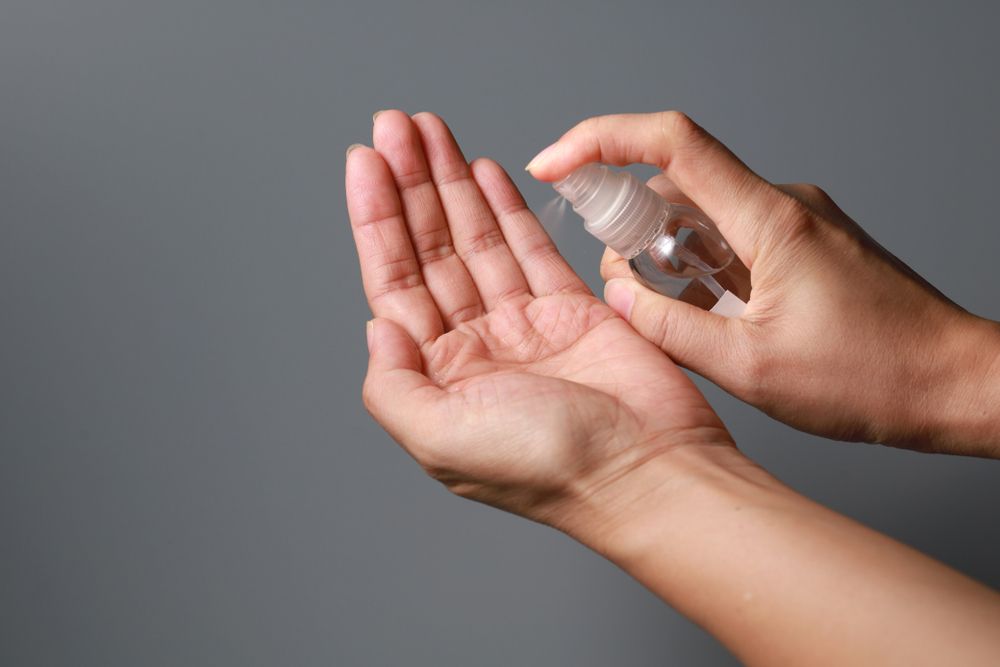
Hand of lady that applying alcohol spray

If your cat’s going wild scratching their ears, ear mites may be the culprit. These tiny parasites can cause big problems for your kitty, and you’re probably combing your cupboards for something to treat them. For instance, does regular old rubbing alcohol work to kill and repel ear mites in cats? Technically, it might kill a couple, but you should never use rubbing alcohol to treat ear mites. It does actually kill some mites, but the alcohol will dry out and irritate the already ravaged skin, ultimately making matters worse.

The good news is that there are more effective and less harsh treatments for ear mites that you may already be familiar with. For more details on that and how to help your cat get rid of their ear mites, keep reading.

divider cat paws 2 oct 2024

Signs of Ear Mites in Cats

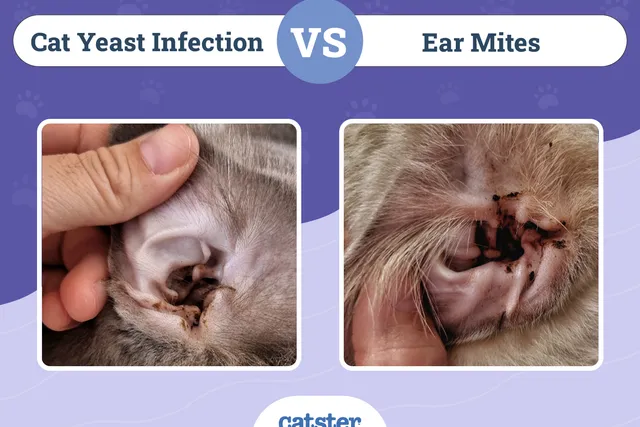
Before you can start treating your cat with random home remedies for ear mites, you need to confirm that mites are really the source of their ear-related issues. Allergies and ear infections, for instance, are often confused with ear mites, and it is essential to know what’s really ailing your cat so you can treat it correctly. If left untreated, ear mites can lead to a secondary bacterial or yeast ear infection, and they are easily spread to other animals.

Cat ear mites, Otodectes cynotis, live in the external ear canals and are very itchy. While ear mites themselves are too small to see with the naked eye, there are several signs you can watch out for.

Signs of Cat Ear Mites:
  • Excessive ear scratching
  • Raw, red skin around the ears
  • Missing fur around the ears
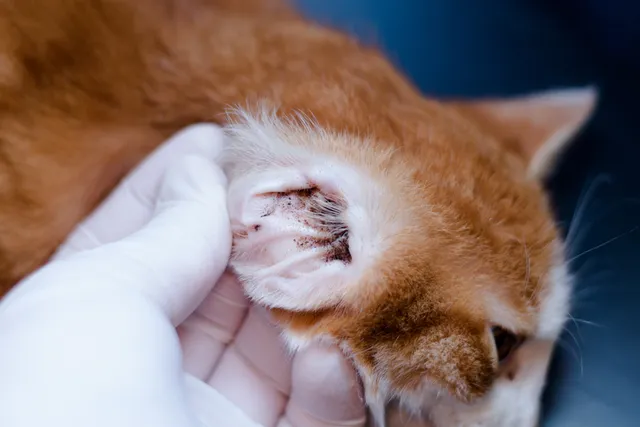
  • Dry black discharge coming from your cat’s ears

Your vet will examine the ear canal with an otoscope and may take a sample of the discharge to look at under the microscope to confirm that ear mites are the problem.

vet checking the ear sore of a cat
Image Credit: Yekatseryna Netuk, Shutterstock

Natural Ear Mite Home Remedies: Do They Work?

You may be thinking that other home cleaning agents like alcohol or hydrogen peroxide would be effective at killing ear mites, and again, you may be technically right, but with extreme irritation for your furry friend. Considering that your cat’s ears are very raw with a current ear mite infestation, you have to consider the amount of pain they’d be in and the potential damage you may do to their ear.  Plus, there is no guarantee that you’d kill all the mites.

The verdict? No, home remedies for ear mites don’t work because their side effects are too risky. Your cat will hate the sting and probably lose trust in you, making it an even riskier proposition. Instead, we recommend taking a trip to an experienced vet when you suspect ear mites.

If you need to speak with a vet but can't get to one, head over to PangoVet. It's an online service where you can talk to a vet online and get the advice you need for your pet — all at an affordable price!

PangoVet_Mention-in-Content for PangoVet2 save money

What Does a Vet Treat Ear Mites With?

Veterinarians use a few different products to treat cat ear mites. Often they will prescribe a spot-on treatment that will kill mites as well as other parasites. Fluralaner is an example of a spot-on treatment which has been shown to be very effective at eliminating ear mite infestations and fleas, and keeping them away for months.

Medicated ear drops may be prescribed, and ear cleaning is usually necessary. Your vet will choose the right treatment option for your cat depending on their signs, and whether there is any infection present as well.

Regardless, ear mites are relatively simple to diagnose and treat in most cases. After, your biggest concern will be preventing your cat from getting mites again.

woman brought her maine coon cat to the vet
Image Credit: Gorodenkoff, Shutterstock

How to Help Keep Your Cat’s Ears Clean and Healthy

Cats with ear mites typically have built-up black gunk and ear wax inside their ears, and your vet may advise you to clean this out at home using a special ear cleaner. Let’s go over some essential tips that will help you clean out your cat’s ears and make a less hospitable environment for those ear mites.

Tips for Cleaning Your Cat’s Ears:
  • Use cotton balls or pet wipes and avoid using Q-tips, as they can damage your cat’s delicate ears.
  • Have treats on hand to reward your cat’s patience.
  • Use a blanket to hold your cat still in your lap during the procedure.
  • Apply your vet advised ear cleaner directly into your cat’s ear canal. Don’t try to apply it with a Q-tip or finger.
  • Massage the base of your cat’s ear to spread the cleaner around the ear, where it will work to dissolve ear wax and other build-up. Be gentle, as not all cats respond well to this part.
  • Use cotton wool balls or pads to gently remove ear wax from around the entrance to the ear canal.

divider cat paws 2 oct 2024

Conclusion

Rubbing alcohol might kill mites, but like vinegar and peroxide, it irritates the heck out of your cat’s sensitive ears and may cause long-term damage. Instead of using acidic, stinging home remedies, we recommend visiting a vet to formally diagnose the mite infestation and treat it with veterinary prescribed spot-on treatments or ear drops.


Featured Image Credit: TY Lim, Shutterstock

Want content like this delivered to you?

Sign Up For Our Newsletter

News, insights, expert advice, and everything cat

* By submitting, you agree to our Terms & Conditions and Privacy & Cookies Policy.

How useful was this post?

Click on a star to rate (you can leave written feedback after clicking submit)

Help us improve Catster for pet parents!

Your feedback really matters.

What did you like about this post? Also how can we improve it?

Join the conversation

2 Responses

  1. Our kittens came to us with ear mites which we took care of. The problem is both my husband and I have terrible rashes on our legs and arms from possible mites still living in the carpet. How do we rid of the mites in the carpet and on us??

    1. Hi from Catster's customer service, Nancy. We understand how concerning and uncomfortable it is to have skin irritation after dealing with kitten ear mites.
      We must remind you that our author veterinarians do not manage the comments section. And, through this channel, we cannot give you any medical advice for your rash or provide specific product recommendations for your home.
      Here is some basic, widely known information:
      Ear Mites (Cat Mites): These mites typically do not infest humans or live long in the environment. Any rash is usually a temporary skin reaction.
      Cleaning the Home: To eliminate any stray mites or eggs, it is a good practice to:
      Wash all bedding and soft furnishings in hot water.
      Vacuum carpets and upholstery thoroughly.
      Because you and your husband have a persistent rash, it is crucial that you both consult a Physician or Dermatologist for diagnosis and treatment.
      You also need to follow up with your attending Veterinarian to ensure the mites have been completely cleared from your kittens.
      If you wish to speak with one of our vets, we recommend booking an appointment with a professional at PangoVet.com.

Leave a Reply

You’re very welcome to leave a comment or question. Please know that all comments must meet our community guidelines, and your email address will NOT be published. Let’s have a positive and constructive conversation.

Talk With A Vet Online

Peace of mind,
anywhere, anytime

Affordable vet advice

The Harsh Reality of Life with 10 Pets Part 2: Hairballs, Cat Litter & Fur on EVERYTHING

Hi, I’m Dr. Karyn! Read my introduction to learn more about me and meet my five hilarious cats: Clutch, Cyril, Alex, Zelda, and...

Can You Keep a Cat Outdoors Safely? Vet-Reviewed Safety Tips & Precautions

As cat parents, we must keep our pets healthy and safe. Much goes into caring for a cat, but one of the most...

How Often Will a Feral Cat Move Her Kittens? Vet Approved Facts & FAQ

You may have seen your domestic mama cat move her kittens more than once, and the same behavior is common for feral mother...

Can Indoor Cats Get Ringworm? Vet-Reviewed Signs, Causes, Diagnosis & Treatment

If you’re a cat parent, you know how important it is to keep your feline’s health in good shape. Since ringworm is a...

More related

What Cleaning Products Are Safe for Cats? 10 Vet Approved Items to Keep at Home

Cleaning when you have cats can be a worrying business. Common cleaning agents like ammonia, chlorine (bleach), phenols, rubbing alcohol, formaldehyde, benzalkonium chloride,...

Why Do Cats Hiss and Growl at Strangers? Vet-Reviewed Behavior Insights

Hissing and growling are ways cats communicate how they’re feeling. Hearing your cat hiss and growl can be shocking and a bit embarrassing...

15 Turkish Angora Cat Colors & Patterns (With Pictures)

The Turkish Angora cat was first imported to Ankara, Turkey by Egyptian traders in the 14th century. They became known as the Ankara...

Why Does My Cat Bury Their Head? 7 Vet-Reviewed Reasons

Cats have many cute habits, one of which is their tendency to bury their head while they sleep. Regardless of whether you’ve owned...

Keep reading

10 Best Diabetic Cat Foods in Australia in 2025: Reviews & Top Picks

The world of pet food is a challenging one and it’s easy to get lost in the mess. As owners, we’re just trying to pick the best food for our precious companions so they can live happy and healthy lives...

Beautiful feline cat eating on a metal bowl

American Shorthair Cat Health Problems: 10 Common Issues

The American Shorthair is a beautiful, affectionate breed of cat that makes a great companion for any family. However, like all breeds of cats, they are susceptible to certain health problems. By knowing what to watch for, you can ensure...

Catster_Health Problems of American Shorthair

Bald Spots on Cats: 10 Vet-Verified Causes & Treatment Options

One feature synonymous with cats, the hairless breeds notwithstanding, is a soft and fluffy coat. So if your feline has developed a bald spot, we need to find out the cause and get on top of treating the problem. The...

cat with bald spot on neck

How Can I Soothe My Cat’s Itchy Skin: 9 Natural Home Remedies

If you notice that your cat is scratching incessantly, losing hair, or developing a rash, they are likely having an allergic reaction. Skin allergies are fairly common in cats, affecting around 10% of felines, with causes ranging from fleas to...

cat itchy

Do Anti-Vomiting Cat Bowls Work? Vet-Verified Facts & FAQ

If you have cats in the home, you’re most likely familiar with the unwanted sound of one vomiting somewhere in the house. It isn’t something nice to hear. Especially during the middle of the night or when you can’t locate...

grey cat licking lips after eating cat food from bowl inside on floor

Why Is My Cat Over-Grooming? 5 Vet-Reviewed Reasons

It’s completely natural and healthy for cats to groom themselves and each other, but if your cat starts overgrooming, there may be a medical issue that needs addressing or environmental changes to consider. Signs of overgrooming include excessively licking the...

cat licking paws

Why Does My Cat Sleep on Me? 6 Vet-Reviewed Reasons & Solutions

Cats have strange and quirky behaviors that help keep their owners both entertained and confused. One common yet endearing habit of felines is choosing to curl up and sleep on their owners. While having your cat snooze on your lap...

cat sleeping on its owner's chest

Cat Eye Discharge (Boogers): Vet-Verified Facts & Care Advice

Have you ever noticed a watery, goopy, or crusty discharge around your cat’s eyes? While these cat eye boogers can be gross to look at and deal with, you mustn’t ignore them. This discharge may indicate a problem that requires...

cat with eye discharge