Holiday Foods That Are Safe for Cats: Vet-Reviewed Safety & Nutrition Facts


Disclaimer: Check with a veterinarian before adding any new foods to your cat’s diet, particularly if your pet has any underlying health conditions or is on a special diet.
While the advice in this article has been fact checked and approved by a veterinarian, whether a food is suitable for your individual cat will depend on many factors including their age, diet, and medical history.
One of the most popular traditions in any major holiday is to gather your loved ones and share a meal. For many pet owners, their cats count as loved ones, but that doesn’t mean they can eat everything off of your plate.
If you want to share a few bites of food with your cat during the holiday season, it is essential to know which foods are appropriate for your cat. In this article, we’ll go over the safe and unsafe holiday foods, so you know which table scraps are okay to feed to your pet.

The 7 Holiday Foods That Are Safe for Cats
1. Turkey or Chicken

If you feed your cat any holiday food, turkey and chicken are among the healthiest options. They’re high in protein, low in calories, and taste great to cats. When feeding your cat turkey or chicken, ensure the meat is unseasoned.
It should also be completely cooked, either by baking or boiling it. Unseasoned, boiled meat probably doesn’t sound all that appetizing and is the last thing you want to serve your guests over the holidays.
If you want to feed your cat a small piece of meat, it is best to cook their holiday feast separately. A 1-inch cube of meat is usually a good size to feed your cat.
2. Fish

Fish is another popular holiday meal that cats will love. Oily fish like mackerel or salmon are a great source of protein and omega-3 fatty acids. Small amounts of white fish like cod are also suitable as a high protein treat.
Fish should be fed to your cat unseasoned and thoroughly cooked like turkey and chicken. A 1-inch cube is a healthy amount. Just be sure to remove the skin and bones.
3. Broccoli

Broccoli is a safe veggie to feed your cat, but that doesn’t mean they’ll want to eat it. Some cats turn their noses up at it, so your cat’s preference will be the deciding factor in whether or not broccoli can be a part of their holiday feast.
If you plan to make a piece of broccoli for your cat, ensure it is thoroughly steamed, which makes it easy to chew and digest. You should avoid seasonings, but your cat can safely enjoy the benefits broccoli provides. These benefits include vitamin C, vitamin K, and antioxidants. They are also high in fiber, which can support your cat’s gastrointestinal system. However, you should only serve a ½-inch cube to your cat, as too much broccoli can cause them to have an upset stomach.
4. Peas

Three or four peas are a healthy treat for your cat. They can be steamed, boiled, or baked, but they cannot be seasoned or flavored in any way. If you plan on preparing peas for your cat, set aside a small amount before seasoning the portion you plan to give to your guests.
Peas are a good source of protein and fiber, and they also provide important nutrients such as vitamin A, vitamin B, and vitamin K.
5. Sweet Potatoes

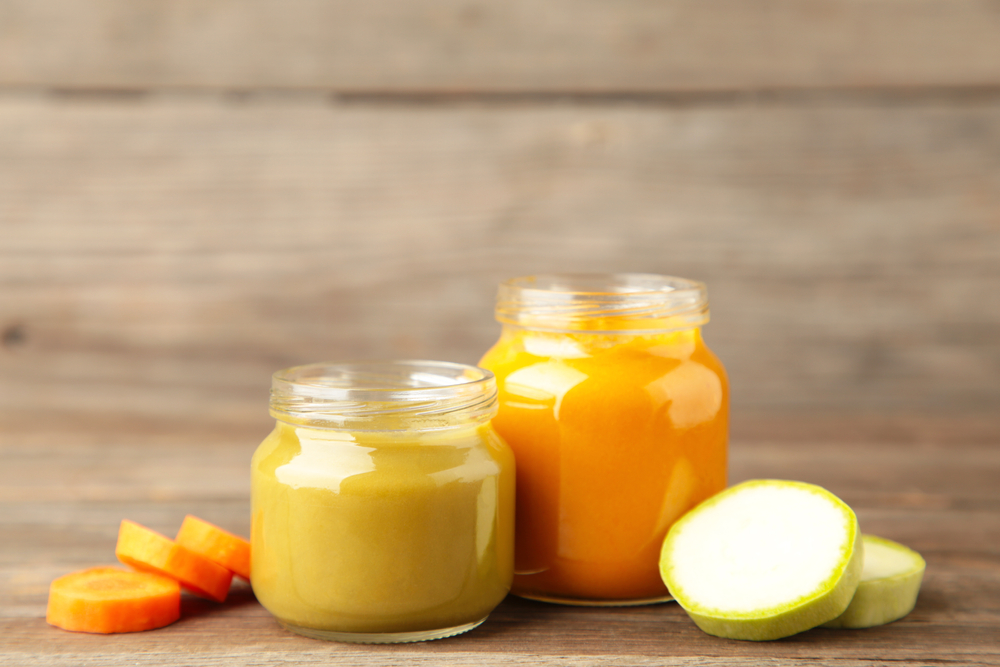
Sweet potatoes can be safely served to your cat by steaming or baking bite-sized cubes or creating a purée. In both cases, the sweet potatoes should not be flavored.
Whichever way you choose to serve sweet potatoes to your cat, keep the portions under a tablespoon. You should also ensure that the sweet potato is peeled.
Unseasoned sweet potatoes provide plenty of health benefits for your cat; including fiber to support digestion. They also contain a lot of potassium, vitamin A, and vitamin C.
6. Pumpkin

Pumpkin is a great holiday food for your cat. Due to its high fiber content, it is occasionally prescribed to cats with digestive issues. A single tablespoon of puréed pumpkin is appropriate.
When feeding pumpkin to your cat, you must be feeding them 100% puréed, plain pumpkin. Pumpkin pie filling or other flavored pumpkin foods are not safe or healthy for your cat, and solid, raw pumpkin is hard to digest and can lead to choking or an intestinal blockage.
Holiday Foods You Should Not Feed Your Cat
Not all holiday foods are safe for your cat. In fact, most of them aren’t. To ensure you keep harmful meals away from your pet, take a look below at some of the common holiday foods that are dangerous for cats.
1. Seasoned Meats

Turkey, chicken, and fish are tasty and safe meats for cats. That is, assuming they aren’t seasoned. If your holiday meats have already been seasoned, they shouldn’t be added to your cat’s dinner dish.
Onions, garlic, and some herbs are harmful to your cat, and most meats are also seasoned with salt and pepper. Cats need salt in their diet, but salted meat for humans has too much sodium. Black pepper and other spicy ingredients can cause gastrointestinal issues, but onions and garlic are highly toxic to cats. Less than one teaspoon of onion can be enough to have toxic effects and garlic is around five times more toxic than onions, so even smaller amounts can result in serious toxicity. It is better to be safe than sorry, so stick to plain-cooked meats when feeding your cat.
2. Stuffing

Many stuffing recipes contain garlic, onions, scallions, or other members of the Allium family. As we’ve discussed, they are incredibly dangerous for your cat. Therefore, cats shouldn’t eat stuffing.
Some stuffing recipes also include raisins, which only adds to the danger. Grapes and raisins are toxic for cats as well, so any foods that include them must be avoided.
Even without the toxic ingredients, there is no nutritional value in stuffing for your cat. It’s best to skip it in favor of something healthier.
3. Mashed Potatoes and Gravy

Mashed potatoes and gravy are common around the holidays, but they aren’t safe to share with your cat. Mashed potatoes often include milk, butter, or cheese, which isn’t safe for cats. Most cats are lactose intolerant, and dairy products can cause gastrointestinal issues.
Gravy is usually fatty and contains lots of seasonings, which isn’t healthy for your cat. It isn’t uncommon to find onion or garlic in a gravy recipe, which makes gravy even worse for your pet.
4. Pumpkin Pie

While 100% plain-cooked pumpkin is safe for your cat, pumpkin pie is not. Pumpkin often contains toxic spices such as ginger, cinnamon, nutmeg, and allspice.
Conclusion
Part of experiencing the joy of the holidays is gathering with your loved ones to share a delicious meal. While your cat cannot eat everything on your plate, there’s no need for them to be left out of the celebration.
Now that you know which holiday foods are safe for your cat, you can plan your pet’s holiday feast accordingly. When in doubt, never hesitate to ask a vet about the safety of your cat’s holiday menu. They will be able to give you tailored advice relating to your cat, and any underlying health concerns they may have.
Read Next:
Sources
Featured Image Credit: Krakenimages.com, Shutterstock
Expert cat care, straight to your inbox
News, insights, and useful advice, delivered to you.

No spam — unsubscribe anytime.
By signing up, you agree to our Terms & Conditions and Privacy & Cookies Policy.
How useful was this post?
Click a star to rate. You can leave written feedback afterwards. (We read all feedback.)
Cats are Jordyn’s passion. Whenever she has the opportunity she loves to learn about animals and share her knowledge with everyone. She is devoted to her sassy tabby cat named Jack and works hard to buy him his favorite treats and toys. Discovering new ways to better care for her cat is always on her to-do list, and she is eager to help pet parents everywhere. In Jordyn's spare time, she loves to write, read, and take long walks. She has a creative spirit, which often helps her to come up with funny cat names.