Why Healthy Cats Still Vomit Sometimes (And How to Respond)


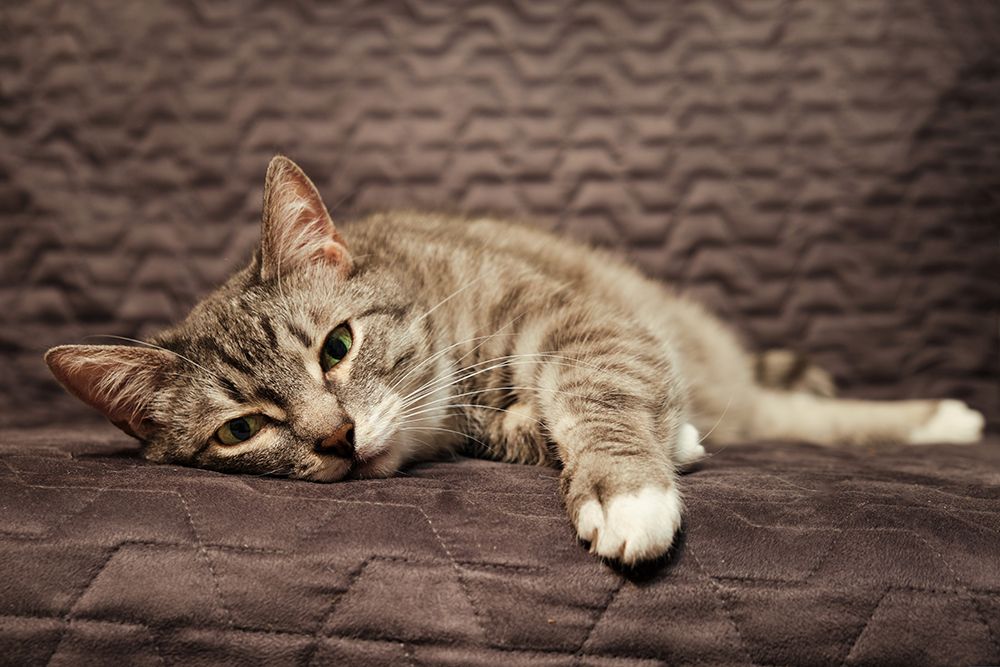
A cat that just vomited needs a specific kind of care, and the feeding decisions you make in the next few hours actually matter. Too much too soon can make things worse. Nothing at all for too long isn't great either. So what's the right call, and what should you put in the bowl when the time comes?

Vomiting vs. Regurgitation: Not the Same Thing
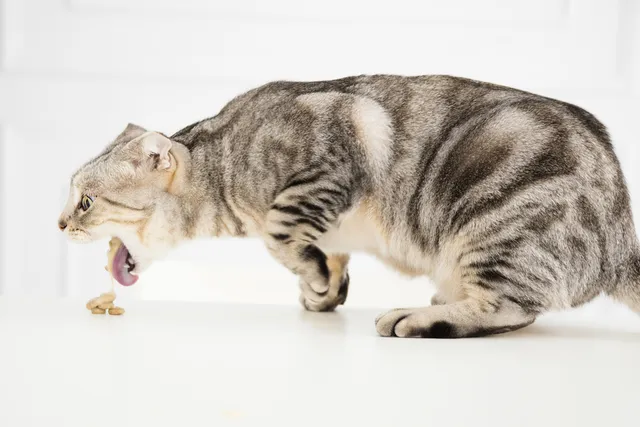
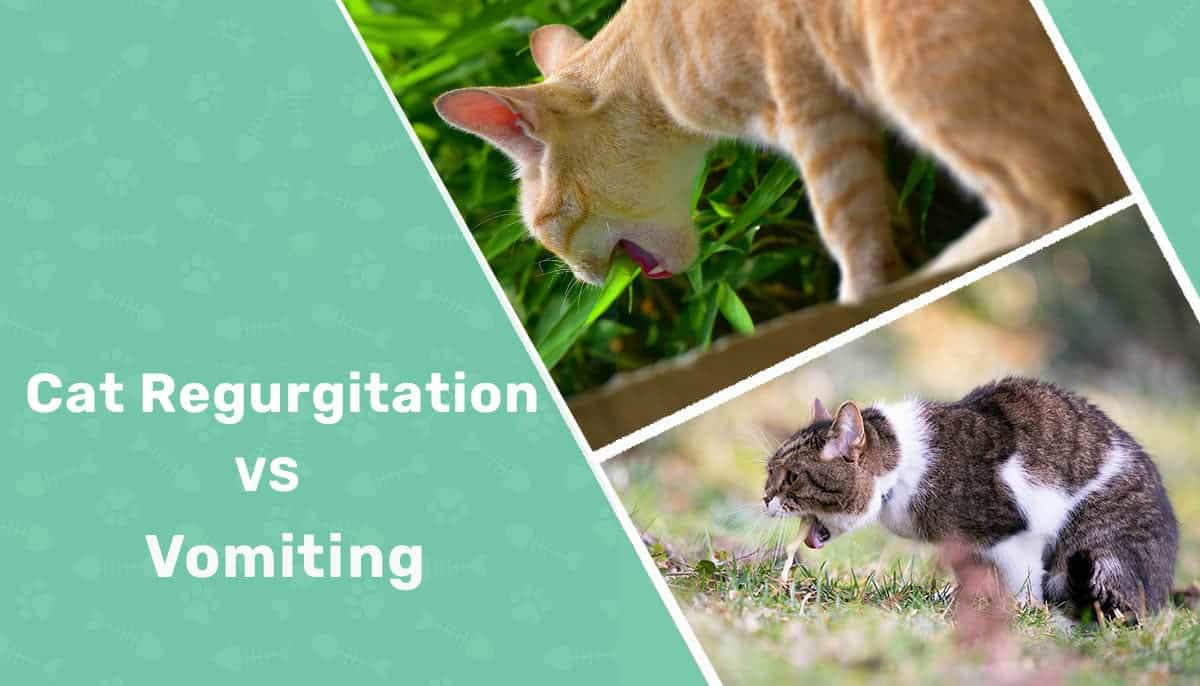
First, a quick distinction worth knowing. Vomiting is the active, forceful ejection of stomach contents, which is different from regurgitation (food coming back up passively, often undigested) or coughing. These can look similar but have different causes, so it helps to pay attention to what you're actually observing.
What to Do First: Give Their Stomach a Rest
If your cat vomits, the first move is to remove access to food for a couple of hours. This gives the stomach a chance to settle. After that window, offer a very small amount of food and see if they're interested and whether they can keep it down.
If your cat is still vomiting several hours after you've withheld food, or if they haven't eaten at all and are still getting sick, that's a vet visit, not a wait-and-see situation.
The Feeding Fixes That Help Most
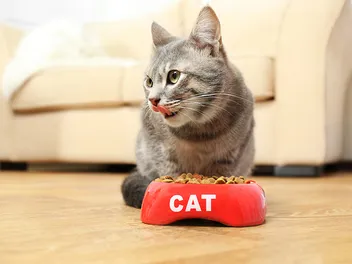
Two of the most common culprits behind a vomiting cat are eating too fast and eating too much at once. If that sounds like your cat, a few simple adjustments can make a real difference.
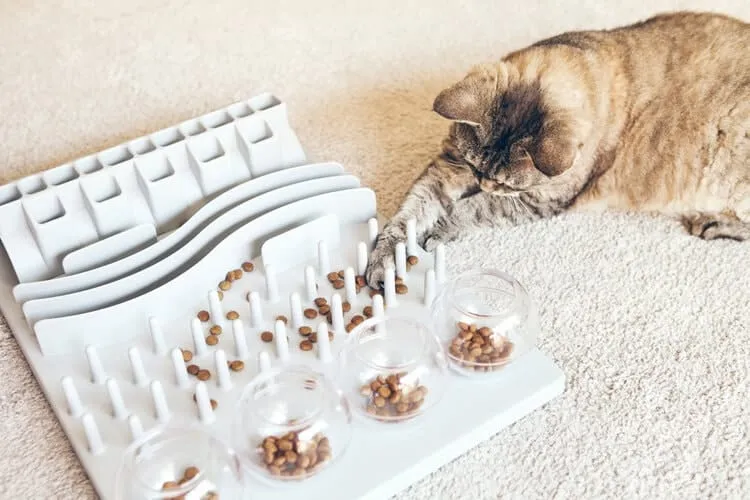
Try splitting their daily food into at least two evenly portioned meals instead of one. If that's still too much at once, move to three or four smaller meals throughout the day. For cats who inhale their food regardless of portion size, a slow feeder bowl can help by making them work a little harder to get each bite. It sounds small, but it genuinely helps many cats.
What to Actually Feed a Sick Cat
If your cat is willing to eat but their stomach is clearly unhappy, bland and simple is the goal. Plain cooked chicken with no added salt or seasonings is one of the best short-term options. It's gentle on the stomach and usually enticing enough to get even a reluctant cat interested in food again. Plain cooked white fish works on the same principle: easy to digest, simple ingredients, nothing to aggravate an already irritated gut. Lean cooked ground meats like turkey or beef work too, as long as they're low-fat and completely plain.
It's worth emphasizing that these are short-term solutions only. They're not nutritionally complete diets, so they're fine for a day or two while things settle, but your cat needs to return to a balanced diet.
For cats who vomit more regularly, it may be time to consider a food formulated for sensitive stomachs. Options like Purina ONE +Plus Sensitive Skin and Stomach or Hill's Science Diet Sensitive Stomach and Skin are veterinarian-recommended and designed with easier-to-digest ingredients and prebiotic fiber to support gut health. If hairballs seem to be the main issue, a hairball control formula can address that more directly. Talk to your vet before making a permanent switch so you're choosing the right option for your specific cat.
What Your Cat's Vomit Can Tell You

The color and contents of the vomit can offer clues about what's happening. Yellow or green vomit usually means bile is present, which points to an empty stomach. This often happens when a cat goes too long between meals, or in cats that aren't eating much. Blood in the vomit is more concerning and could signal irritation of the esophagus or stomach lining, a clotting issue, or exposure to something toxic like rat poison. If you see blood, call your vet.
Vomit that contains food often means your cat ate too fast, the food didn't agree with them, or, in some cases, there could be a foreign object partially blocking their digestive tract. Hairballs are their own category and are generally not a major concern if they happen infrequently, though it's worth mentioning to your vet at a regular visit.
As for the underlying reasons a cat might be vomiting, the list is long: parasites, dietary sensitivities, constipation, toxin ingestion, inflammatory bowel disease, ulcers, pancreatitis, liver disease, kidney disease, and more. One isolated vomiting episode usually isn't a crisis, but repeated or unusual vomiting always deserves attention.
When to Stop Waiting and Call the Vet
One episode of vomiting in an otherwise healthy cat usually doesn't require an emergency trip, though a quick call to your vet is never a bad idea. But there are specific situations where you shouldn't hesitate.
Go to the vet if your cat is vomiting repeatedly, if there's blood in the vomit or stool, if your cat seems weak or lethargic, if they're in obvious pain or distress, or if they've potentially eaten something toxic or swallowed a foreign object. Fever is another red flag. Vomiting can be a sign of something minor or something serious, and a vet is the only one who can tell you which you're dealing with.
When in doubt, go. A trip that turns out to be unnecessary is always better than waiting too long on something that needs treatment.
Sources
https://www.webmd.com/pets/cats/what-to-do-if-my-cat-is-throwing-up
https://www.msdvetmanual.com/cat-owners/digestive-disorders-of-cats/vomiting-in-cats
https://www.sciencedaily.com/releases/2011/01/110103110357.htm
https://vcahospitals.com/know-your-pet/adverse-reactions-to-food-in-cats
https://www.royalcanin.com/au/cats/products/vet-products/hypoallergenic-3902
https://www.hillspet.com/cat-food/pd-gastrointestinal-biome-feline-dry
Featured Image Credit: Zhuravlev Andrey, Shutterstock
Did You Know?
- Our brand-new posts are rounded up and included in our weekly emails. Don't miss out on the latest - sign up for our newsletter below!
Expert cat care, straight to your inbox
News, insights, and useful advice, delivered to you.

No spam — unsubscribe anytime.
By signing up, you agree to our Terms & Conditions and Privacy & Cookies Policy.
How useful was this post?
Click a star to rate. You can leave written feedback afterwards. (We read all feedback.)
Dan has been working in the pet world for over 4 years covering cats, dogs, and all other pets in between. He loves helping pet parents keep their companions happy, healthy, and of course, totally spoiled! Originally from London, Dan now travels and works remotely, which unfortunately means no pets at home, but it gives him plenty of opportunities to fuss over other people's furry friends.