Why Is My Cat Vomiting Blood? Our Vet Explains 10 Possible Causes

In this article
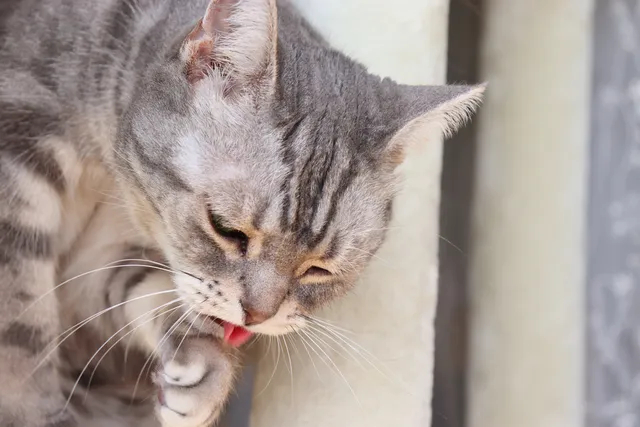
Occasional vomiting by a cat is not necessarily an issue, but a cat throwing up blood is a sign of a health problem that needs to be addressed. Vomiting represents the active evacuation of food from the stomach and is a clinical sign that can appear in many pathologies. It’s not a diagnosis in itself, so occasional vomiting from a healthy cat does not necessarily indicate a problem, especially when the vomit consists of trichobezoars (furballs). It is normal for cats to swallow hair while grooming.
Vomiting becomes a serious problem when it is frequent, persistent, or there is blood in the cat vomit, or if it’s paired with any other signs of illness. A cat throwing up blood can occur for multiple reasons, including gingivitis, organ system disease, rodenticide poisoning, ulcers, foreign bodies, neoplasia, and parasites. If your cat vomits blood, contact the veterinarian immediately.

The 10 Reasons Why Cats Vomit Blood
Your cat may vomit blood along with the stomach contents or only blood. Blood in cat vomit can be bright red (fresh) or dark red (old). Also, it can be in large quantities or streaky.
Here are the most common causes of cats vomiting blood.
1. General Illness and Organ System Disease
There are many health conditions that may cause a cat to be throwing up blood, which is sometimes acute and very sudden, while other times it may be a chronic or intermittent occurrence. It could indicate a disorder of a specific organ system, such as the stomach and intestines or the kidneys, or it may be a consequence of a general illness that has an impact on the whole body, including the digestive tract. Some of the more common systemic conditions that can cause vomiting in cats, which sometimes contains blood, may include:
- Gastroenteritis (bacterial, viral, parasitic, dietary, food allergies)
- Gastrointestinal ulcers
- Kidney disease
- Liver disease
- Pancreatitis
- Sepsis and shock
- Heat stroke
- Head trauma and raised intracranial pressure
When your cat vomits strongly or repeatedly for some time, the lining of the esophagus and/or stomach becomes inflamed and the small blood vessels can break. This can lead to streaks of blood in your cat's vomit.
If your cat vomits repeatedly, take them to the vet as soon as possible because it can lead to dehydration, which can be life-threatening, particularly when combined with a poor appetite or diarrhea. Prolonged vomiting is a sign of a serious underlying health issue. Vomiting may be combined with diarrhea or other signs of illness, such as weight loss, abdominal pain, drooling, changes in drinking and urination, and others.
Clinical signs of dehydration in cats include:
2. Gingivitis and Dental Disease
Gingivitis means inflammation of the gums and often represents the early stage of periodontal disease. When periodontal disease develops, the gums will be inflamed and will easily bleed. If this phenomenon coincides with vomiting, it may seem that your cat is vomiting blood.
The clinical signs of periodontal disease in cats may include:
To prevent periodontal disease and gingivitis, you should ideally brush your cat's teeth every day or as often as possible. Speak to a vet about dental hygiene and ensure your cat gets a regular veterinary check over, so any signs of dental disease can be picked up and treated early.

3. Gastrointestinal Ulcers
Ulcers refer to a defect in the lining of the stomach or the intestine that involves more than one layer. There are many causes for gastric or small intestinal ulcers in animals, and they are more common in dogs than in cats.
Unfortunately, cats don’t always show the obvious signs of having a stomach ulcer. Usually, the signs are related to weight loss, lethargy, reduced appetite, weakness, and sometimes the vomiting of fresh blood and blood clots, although the color of the blood in vomit may vary.
Cats with ulcers are expected to have a black or dark feces, referred to as melena. Anytime there is dark content that looks like coffee grounds, it means your cat’s gastrointestinal tract is digesting blood, which can be a sign of a gastric ulcer.
The risk associated with gastrointestinal ulcers is the possibility for them to rupture, meaning there is leakage of the stomach or gut contents into the abdomen, which leads to collapse, pallor, and eventually sepsis and death if left untreated.
The causes of gastric ulcers are multiple and can include:
If your cat suffers from a gastric ulcer, you may notice some of the following clinical signs:
No matter what the reason is for your cat vomiting blood, take them to the vet for an evaluation as soon as possible, as all of these conditions can have very detrimental and life-threatening effects on your cat’s health.
4. Rodenticide Poisoning
Unlike with dogs, poisoning with anticoagulant rodenticides in cats is rare. That said, anticoagulant rodenticides are considered antagonistic substances to vitamin K (antihemorrhagic vitamin). These substances are used to control rodent populations and can dilute (thin) the blood, causing internal bleeding.
Clinical signs of anticoagulant rodenticide poisoning in cats may include:
Ingestion of rat poison is an emergency, and you should take your pet to the vet immediately rather than to wait and see if the signs develop. Induced vomiting at the vet clinic and decontamination may be recommended by the vet if the poison has been recently ingested. Depending on the type of rodenticide used, vitamin K is often administered as part of the treatment.
If you are concerned about the health and well-being of your pet, seek veterinary advice for the best course of action.
5. Intestinal Parasites (Roundworms)
Roundworms are the most common intestinal parasites that infest cats and other animals. They are found in the small intestine and feed on the nutrients that your cat eats.
Two types of roundworms can infest cats:
In severe infestations, your cat may vomit adult worms, or you may see them in the feces. Signs of roundworm infestation are more common in kittens and ill cats, while healthy adult cats rarely exhibit any signs of illness unless the worm burden is high.
Some of the signs in cats may include:
Other gastrointestinal parasites in cats are hookworms, tapeworms, Coccidia and Giardia. Deworming your cat is the only treatment that will rid them of gastrointestinal parasites. Speak to a vet about fecal testing and appropriate veterinary-approved worming products.
6. Foreign Objects
Foreign objects, especially sharp ones (bone shards, pieces of toys, etc.), can cause blood in cat vomit. These objects can get stuck at the back of the throat or around the base of the tongue, causing retching, distress, and pawing at the mouth, or, if swallowed, may damage the esophagus or other parts of the gastrointestinal tract. Also, when they reach the intestines, they can cause an intestinal blockage, which is life-threatening.
Signs of a foreign body in a cat include:
Ingesting a foreign body represents a medical emergency, and your cat should be taken to the vet immediately if you have seen them do so or you suspect that it’s likely. Do not wait for the signs of illness to occur.

7. Inflammatory Bowel Disease (IBD)
IBD is a syndrome caused by chronic inflammation of the stomach and/or intestines, which are invaded with inflammatory cells. Over time, the inflammation damages the gut lining, causing it to thicken and reducing its absorption capacity. Your cat will show intermittent and worsening signs of illness. Underlying cause remains largely unknown and is likely a combination of the dietary factors, abnormal immune response, bacterial gut population, and environmental and genetic factors. IBD is an important cause of chronic diarrhea and vomiting in cats.
Clinical signs may include:
Unfortunately, as the causes are not fully elucidated, and the treatment is non-specific, this condition will require long-term management and control of the signs, with a prescription hypoallergenic diet, regular worming, and oftentimes immunosuppressive therapy.
8. Side Effects of Certain Drugs
In rare cases, certain medicines can increase the risk for stomach ulcers, which can lead to vomiting blood. These drugs suppress the defense mechanisms of the stomach and can cause mucosal ulceration. An example is anti-inflammatory drugs, which should not be administered on an empty stomach or without veterinary instructions.
That said, cases of gastric ulcers caused by the administration of anti-inflammatory drugs are rare in cats. To remedy the problem, the treatment must be interrupted, and your cat should be taken to the vet as soon as possible.

9. Problems With Blood Clotting
A congenital blood-clotting problem that can be found in cats is hemophilia. Hemophilia A, or factor VIII deficiency, is a common hereditary blood disorder in cats. There is also Hemophilia B, or factor IX deficiency, but this condition is rarely found in cats.
Clinical signs may commonly include:
If your cat shows any of these clinical signs, you must take them to the vet immediately. In advanced cases, hospitalization and blood transfusion may be needed.
10. Cancer
Tumors that appear in the digestive tract, mouth, or nose can bleed, which means blood can occur in your cat's vomit. Your cat may swallow the blood, which will go into the stomach and then be eliminated when they vomit.
Also, certain cancers outside the gastrointestinal tract (e.g., mast cell tumors) can lead to gastrointestinal bleeding, and your cat can end up throwing up blood.
Depending on the location of the tumor, the following clinical signs may occur:
If your cat shows signs of cancer or general illness, or you notice a lump anywhere on the body or in their mouth, take them to the vet immediately for a proper diagnosis and treatment.
Treatments for Cats Vomiting Blood

Treatment for a cat that is vomiting blood will mainly depend on the underlying cause. It’s important that a vet examines the cat and establishes a diagnosis with the help of thorough history and information you will provide, particularly if you feel your cat may have been exposed to certain poisons or toxic substances, or whether they have been vomiting for a short period of time or it has been going on for a while. This also applies if it is accompanied by other signs of illness, such as diarrhea, black stools, drooling, changes in thirst and drinking, and many more.
Diagnosis
The vet will likely recommend some of the following diagnostic procedures, such as blood samples, dental exam, x-rays or ultrasound of the abdomen, fecal and urine samples, and sometimes endoscopy to examine the stomach and take samples of the affected tissues.
After a diagnosis has been reached, the symptomatic treatment will usually focus on protection of the stomach and intestinal lining from any further damage through various gastrointestinal protectants and antacids, alongside anti-nausea medications. Also, some cats may require antibiotics if there is an underlying bacterial infection or a high risk of one.
Treatments for Organ System Disease
In the case of a particular organ system disease, more specific treatment may be implemented, such as fluid therapy, gastric protectants, pain killers, appetite stimulants, and renal diet when it comes to kidney disease. Vitamin K and sometimes even a blood transfusion may be required in case of a clotting disorder or a rodenticide poisoning. In the case of gastrointestinal foreign bodies, endoscopy or surgery may be necessary in order to remove them.
Treatments for Dental Issues
A dental issue is taken care of under an anesthetic when the teeth are assessed and sometimes extracted if they are loose or diseased. Gastric ulcers are usually treated conservatively with gastric protectants, but in case of very deep ulcers or ones that rupture and lead to sepsis, surgery will be required so that they can be repaired.

Treatments for Stomach Cancer
If the vomiting of blood was caused by cancer of the stomach, the vet will discuss biopsies in order to categorize the cancer type better and give you an idea of prognosis. However, surgery is usually the main method in dealing with stomach cancer unless the disease is advanced and has spread elsewhere, or the tumor is too big or extensive to be operated on.
Let a Vet Take the Lead
As you can see, there are a lot of ways to manage vomiting blood in cats, and you don’t have to worry about needing to know which one is appropriate for your kitty. Speak to a vet and they will go through all of the options based on your cat’s diagnosis and recommend the best course of action. Sometimes, it may be as simple as worming your cat with an appropriate vet-approved feline wormer, or stopping certain medication your cat was on that may have predisposed them and led to this issue.
Never underestimate the seriousness of your cat vomiting blood, and seek immediate veterinary attention, as vomiting blood in cats can indicate a life-threatening underlying issue in some cases, while even more benign causes will require veterinary attention and will get significantly worse with time.

Conclusion
If your cat vomits from time to time (hair, food, or gastric juice), there is usually no cause for concern. But when the vomiting is repeated or your cat vomits blood, it is a sign that something is wrong with them, and they should be taken to the vet immediately. The causes of vomiting blood in cats are multiple and may include cancer of the gastrointestinal tract, organ system disease, blood clotting disorders, toxin ingestion, gastrointestinal parasites, anti-inflammatory drugs, gastric ulcer, or IBD. The clinical signs that you may notice (besides vomiting blood) will depend on the condition that your cat is suffering from. Weight loss, lack of appetite, hypersalivation, nausea, diarrhea, or lethargy may also occur, alongside more specific signs that relate to a particular organ system.
Vomiting is not a diagnosis but a clinical sign. So, if you notice your cat vomiting, take them to the vet immediately because it can lead to dehydration and is a sign of a serious underlying health issue. The sooner a vet establishes the diagnosis and starts appropriate treatment, the more comfortable your cat will feel and have better chances of recovery.
See Also:
Sources
Hydration | Cornell University College of Veterinary Medicine
Bleeding Disorders of Cats - Cat Owners - MSD Veterinary Manual
Anticoagulant Rodenticide Poisoning in Cats | VCA Animal Hospital
Gastrointestinal Parasites of Cats | Cornell University College of Veterinary Medicine
Toxascaris leonina - Learn About Parasites - Western College of Veterinary Medicine
Featured Image Credit: megaflopp, Shutterstock
Expert cat care, straight to your inbox
News, insights, and useful advice, delivered to you.

No spam — unsubscribe anytime.
By signing up, you agree to our Terms & Conditions and Privacy & Cookies Policy.
How useful was this post?
Click a star to rate. You can leave written feedback afterwards. (We read all feedback.)
Dr. Iulia Mihai, DVM MSc (Veterinarian)
Dr. Mihai is a vet with over 13 years of experience in laboratory, pet pathology, and cancer. She studied at the University of Agronomical Sciences and Veterinary Medicine of Bucharest, Romania (EAEVE member), where she worked in the laboratory of the faculty clinic after graduation. She has a master’s degree in equine and pet pathology and studied epithelial cancer for her Ph.D. Iulia has a passion for internal medicine and parasitology and started volunteering at the faculty’s clinic in her third year of college. She has worked in a couple of veterinary clinics over the years as an internal medicine specialist. She enjoys writing and teaching people about cat disease prevention, nutrition, behavior, and treatment.