5 Vet-Reviewed Reasons to Consider a Cat-Only Veterinary Clinic

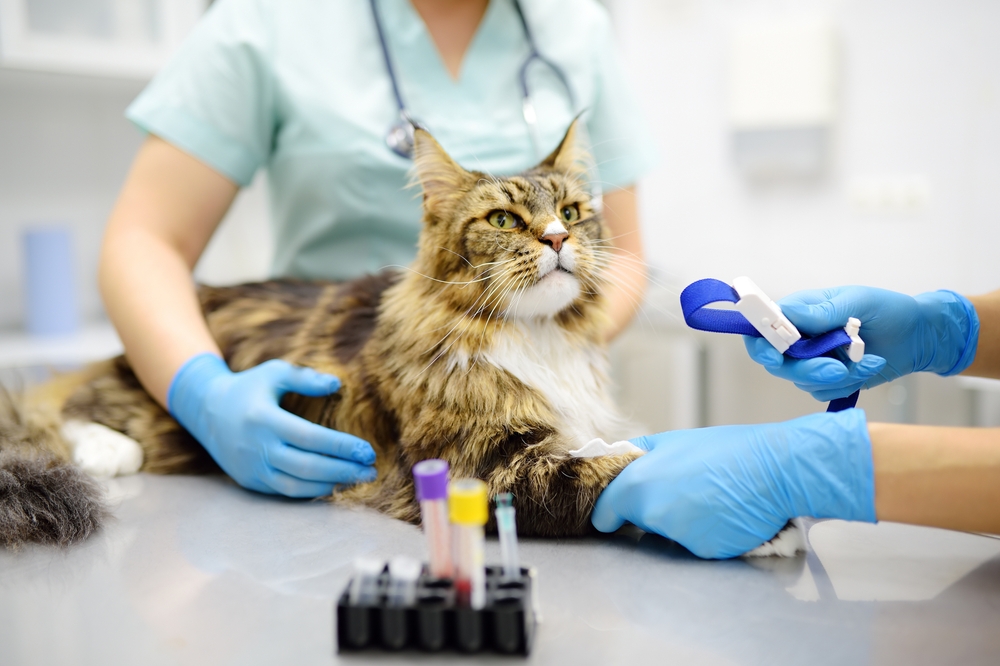
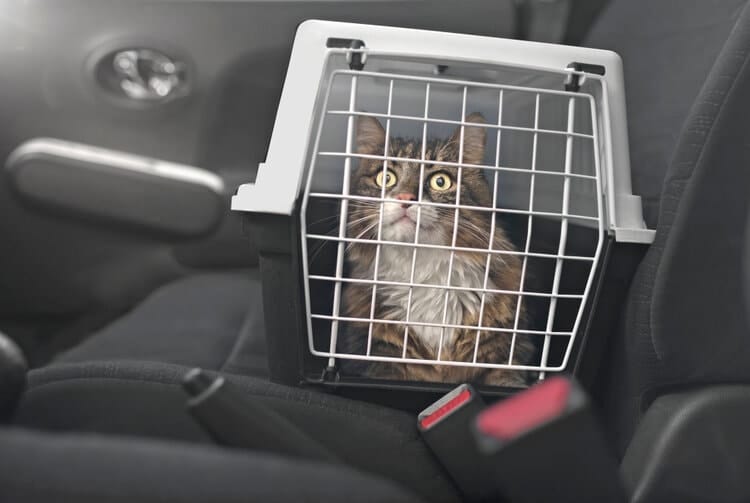
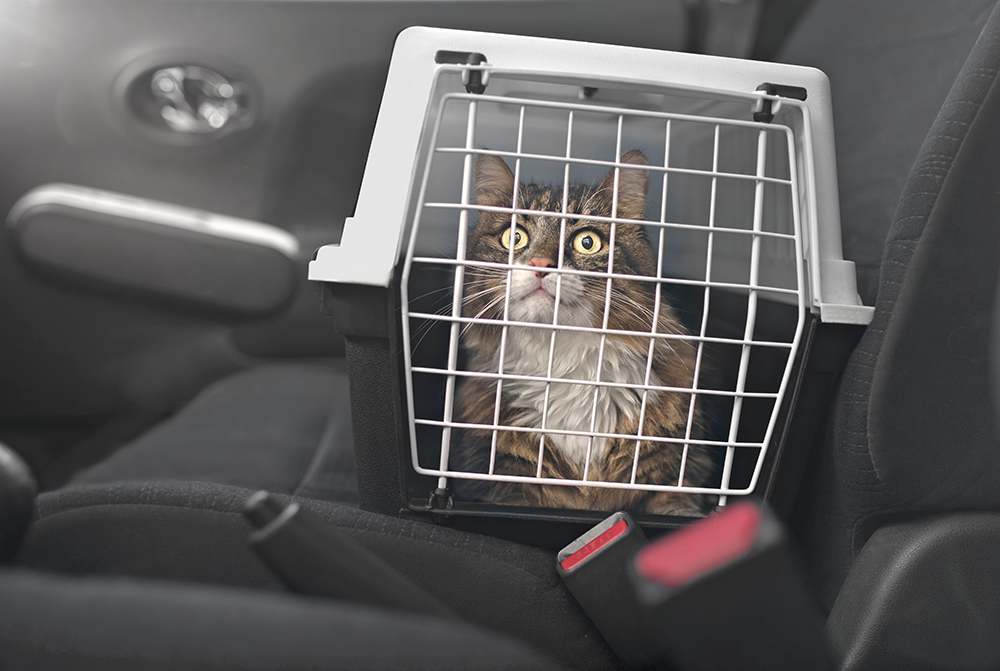
Visiting the vet is stressful for a lot of animals, but especially for cats. They’re taken from an environment where they’re safe and comfortable, put in a cramped carrier, and transported in a loud, vibrating car to the vet.
At the vet, they can be confronted by other cats as well as dogs, birds, and other animals, before they even receive treatment. It’s stressful for the cat and the owner.
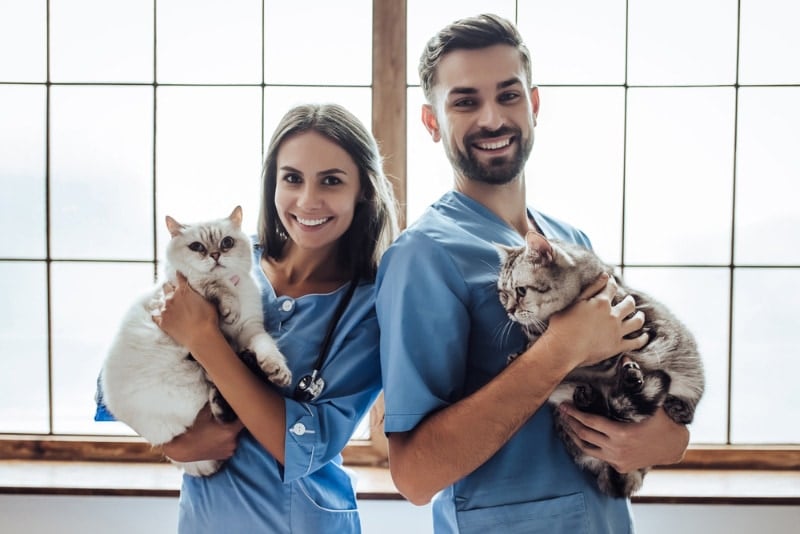
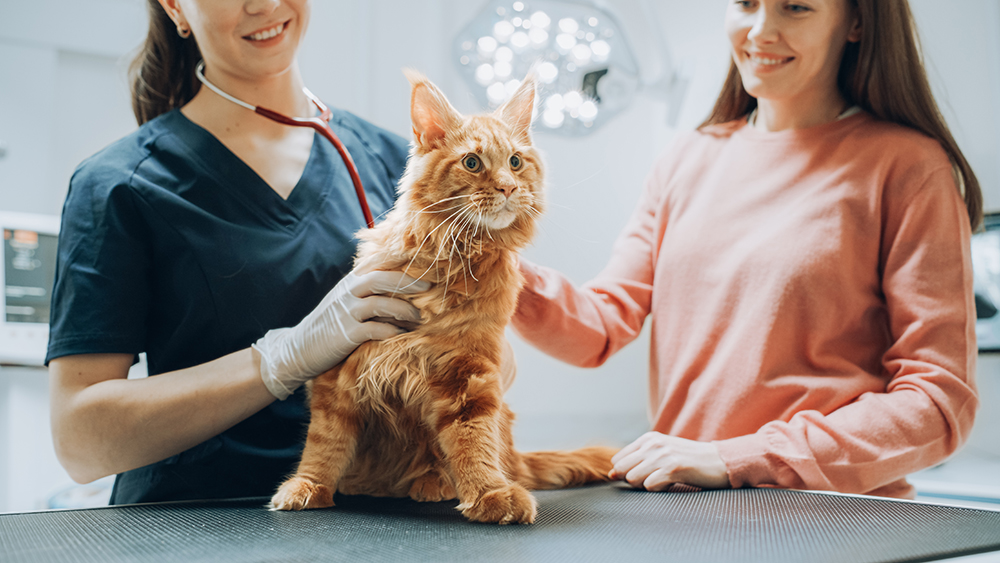
Cat-only veterinary clinics are small animal veterinarian practices that only deal with cats, and they can provide a more positive experience for cats as well as owners. The American Association of Feline Practitioners supports a Cat Friendly Practice Program which improves hospital design, handling procedures, pain relief protocols and more to maximize cat welfare.
Here are some reasons to consider taking your cat to a cat-friendly vet clinic.

The 5 Reasons to Consider a Cat-Only Veterinary Clinic
1. They Are Trained and Experienced in Cat Care
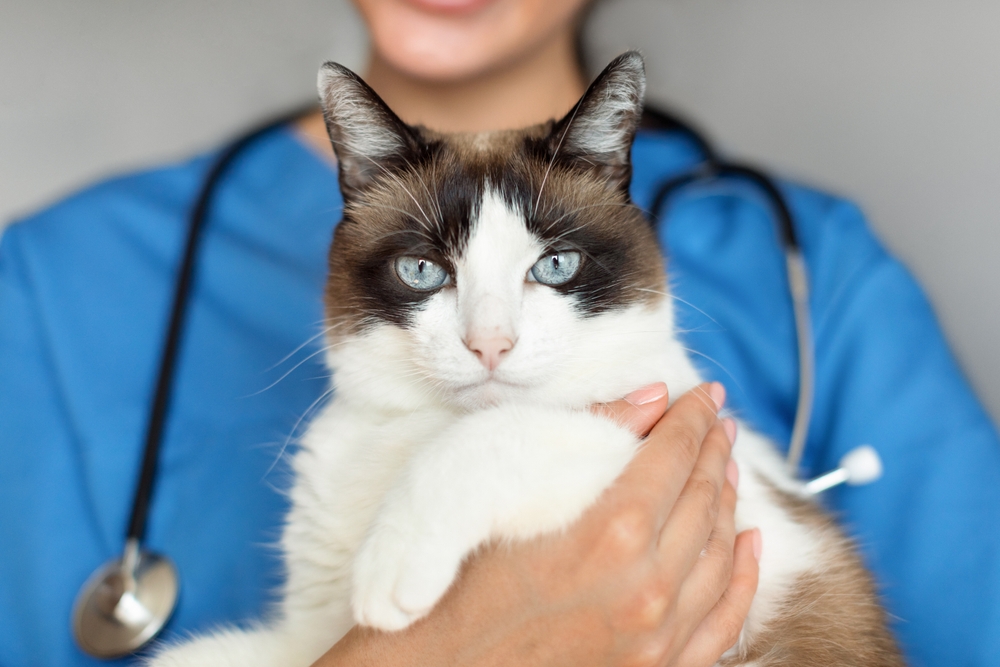
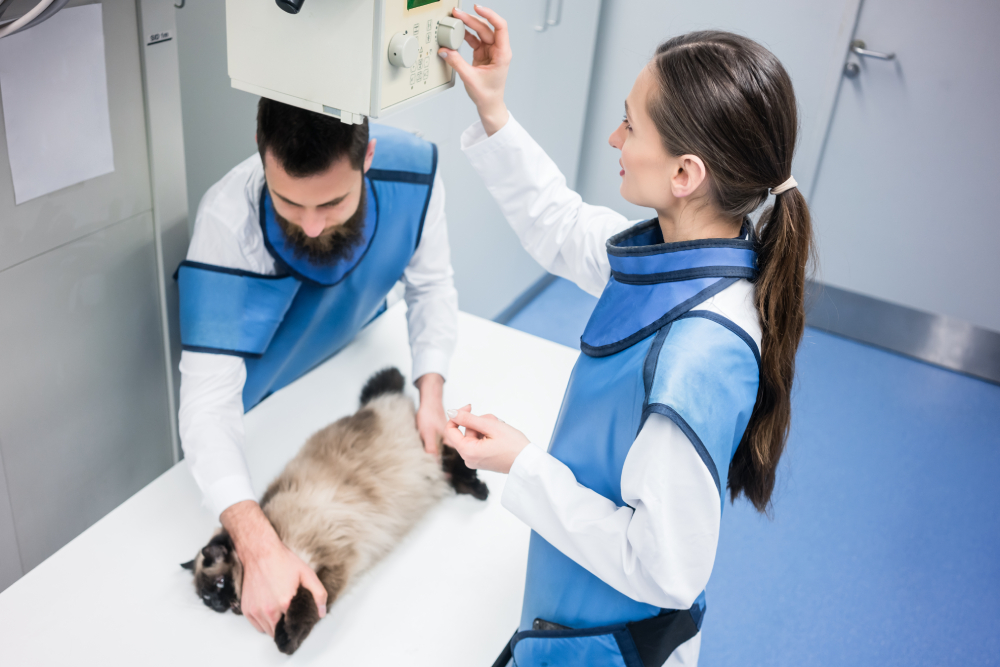
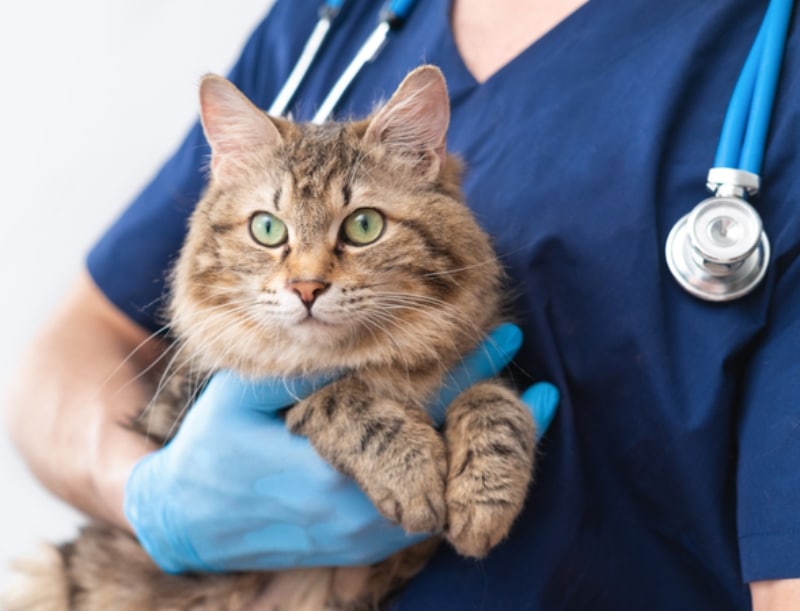
Cat-only veterinarians have trained and specialized in providing veterinary care for cats. Many take additional courses and study feline nutrition and other specific areas of feline care. General veterinarians have to treat a range of other animals from pets like dogs and birds to potentially more exotic pets.
2. They Offer a Sympathetic Environment
One of the reasons that cats get so stressed out at the vet is that the environment smells of other animals. Their exceptional sense of smell means that cats can smell when there are dogs in the waiting room, or even if one has been in the vet’s office recently, and most cats have a natural fear of dogs. They can also smell birds and other animals. A cat-only veterinary clinic will have fewer smells from other species and should be set up to cater to the specific needs of cats.
3. They Have a Greater Understanding of Cats’ Requirements
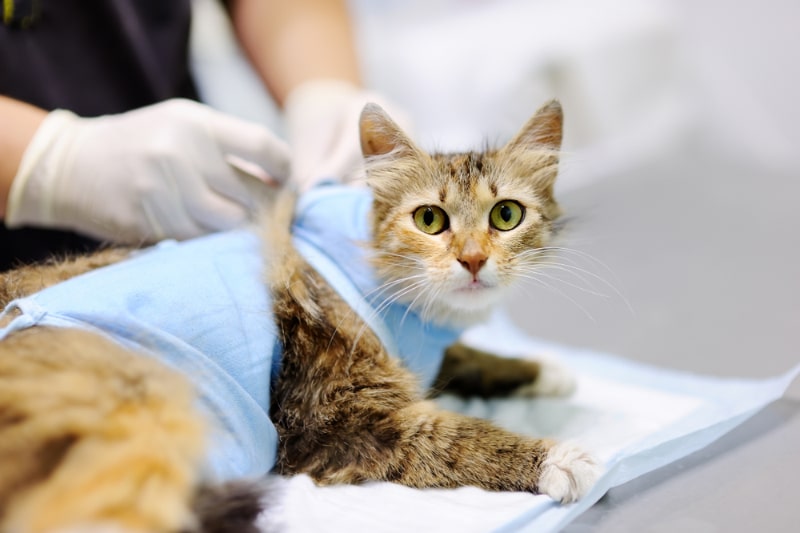
Cats have different requirements than dogs. A specialist vet will have the equipment and accessories necessary for your cat without overloading them. Even surgical and medical equipment requirements differ from one species to another, and a cat-only vet should have everything that is needed to treat your cat. In contrast, a general practice will need more equipment for more animals, so may not have the room, the budget, or the need for some of this feline equipment.

4. They Provide Access to Cat-Specific Products
Most veterinary practices have some pet products for sale. Visit a general vet practice and they will have leashes and harnesses, dog toys, and rows of dog food, all of which are useless to cat owners. At a cat-only vet practice, the shelves will be filled with catnip, cat food, and other items suitable for pet cats.
5. They Are Filled With Cat-Friendly Staff
It isn’t just the vets themselves that are dedicated to the provision of care for cats. The veterinary nurses, receptionists, and other staff will have a greater understanding of a cat’s requirements because they deal with them day in and day out. Your cat will benefit from the attention and care of so many cat lovers.

Tips to Make a Vet Visit Less Stressful for Your Cat
Whether you take your cat to a general practice or a cat-specific one, it can still be a daunting and stressful experience. There are some steps you can take to help reduce anxiety and make the experience less stressful.
1. Get Your Cat Used to the Carrier
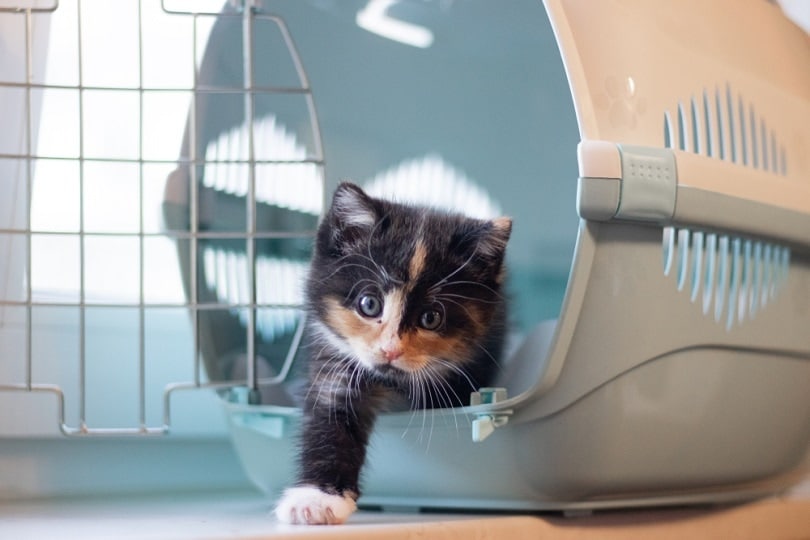
Cat carriers are essential pieces of equipment that make it possible for owners to transport their cats to and from vet visits and other appointments. But they’re confining, and a lot of cats associate them with negative experiences. Get your cat used to the carrier before the day of the vet visit. Leave the carrier out at home, with a comfortable blanket, treats and a toy in there. Let your cat investigate and when they’re comfortable with its presence, try putting them in for a few minutes. Let them out before they get too stressed and repeat the process, gradually increasing how long they are in the carrier. On the day of the vet visit, cover the carrier with a towel as some sights can stress your cat.

2. Desensitize Them to the Car
Cars are loud and stuffy, and the vibrations of the engine create an odd sensation for cats. Once your cat is used to getting in and out of the carrier, take them out in the car. Drive around the block and come home. Increase the distance you travel each journey until you can comfortably cover the whole distance from home to the vet and back.
3. Use Pheromones
Feline facial pheromone is a happy marker for cats that sends the message that the environment is friendly. The use of a pheromone spray can help your anxious cat feel calmer and secure. It has been proven to reduce stress in cats being transported for short distances.

4. Keep the Car Comfortable
As well as getting your cat used to the sensation of being in the car, you can make the car journey as comfortable as possible. Don’t have your music blaring but do put it on quietly to help mask some of the engine noise. Studies show that listening to cat specific music reduces stress in cats, so play some of these tunes. Turn the heating down and keep the car cool rather than too warm.
5. Don’t Feed Your Cat Immediately Before the Visit
When cats get stressed, they are more likely to want to poop and urinate. If they pee or poop in the carrier, it’s impossible to get away, and cats are naturally clean so they strongly dislike being trapped with their own ablutions. Try not to feed your cat in the hour leading up to your journey. You shouldn’t restrict access to water, however, as this should always be readily available and freely accessible.

6. Don’t Arrive Too Early
It’s essential you arrive on time, and even better to arrive a few minutes early. This gives you time to check in with reception and get settled. But you should avoid arriving too early. Sitting in the waiting room for half an hour will stress your cat out, especially as other cats come and go during this time. If you do arrive early, wait in the car. You can always let reception know you’ve arrived and that you are heading back out to the car.
Is Going to the Vet Traumatic for Cats?
Going to the vet can be a traumatic and difficult experience for cats. It isn’t just the vet visit itself, it is being forced into a carrier and then enduring car journeys. If your cat has had a negative experience at the vet before, they will remember this, too. Stay calm, make the experience as positive as possible, and consider using a cat-only vet practice.
How Many Times a Year Should a Cat Go to the Vet?
Generally, kittens need to visit the vet every month until the vaccinations are complete, while adult cats typically only need to go once a year unless they are ill or need emergency treatment. They do need to go annually to have vaccinations and have the vet give them a check-up to ensure there are no early signs of illness.
Hopefully, your cat will only need to go to the vet once a year for vaccinations and a checkup. But, in some respects, annual visits can make the experience more stressful for your cat than if you visited more often. Your cat would get used to the journey, the carrier, and the general experience, if they went more often.

Conclusion
Cats can be anxious and nervous animals, especially when they are taken out of their comfort zones. And the vet is definitely out of the comfort zones of most cats. Not only will they be poked, prodded, and shaped by the vet, but they will meet other animals, smell dogs, and have to endure hot and smelly waiting rooms. A cat-only veterinary clinic can reduce this stress and while the experience might not be an entirely positive one for the cat, it should be less stressful and easier for you both.
Sources
Featured Image credit: Maria Sbytova, Shutterstock

Expert cat care, straight to your inbox
Vet-reviewed advice, behavior tips, and the best of Catster. Free, and you can unsubscribe anytime.
By signing up, you agree to our Terms & Conditions and Privacy & Cookies Policy.
Christian started writing for a local newspaper as a teenager, and he's been involved in the publishing industry for most of his adult life. Combining his love of writing with a passion for animals, he is currently the Director of Editorial at Pangolia and the Editor-in-Chief at Catster.
Christian lives in the Philippines with his wife, son, and four rescue cats: Trixie, Chloe, Sparky, and Chopper.
Join the conversation
Ask a question, share your story, or send private feedback.