Why Does My Cat Hate Going to the Vet? Vet-Reviewed Reasons & Calming Tips


In this article
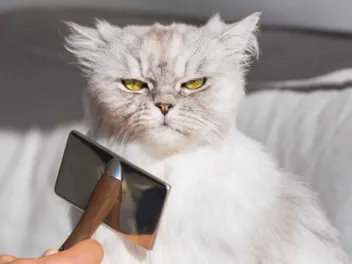
Dogs are famous for their reluctance to go for their annual veterinarian visit, but cats have the same reluctance!
As cat parents, we know how essential these appointments are. However, it’s also quite challenging to get our cats ready for them, especially seeing how upset they can get.
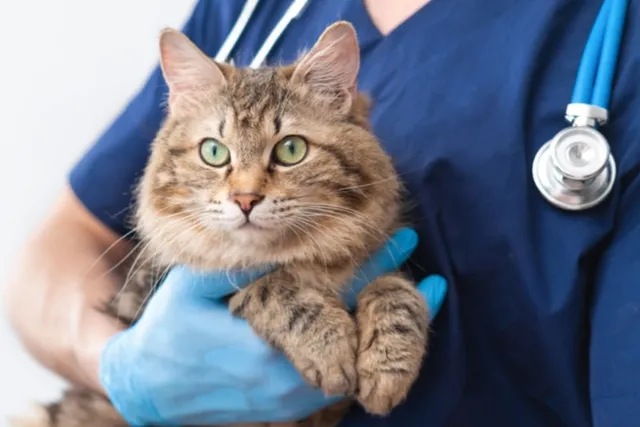
Cats may show apprehension when it comes to vet visits due to past experiences, and because as territorial animals, they may not appreciate being displaced from their home. Cats also try to instinctively try to mask their illnesses and may not appreciate being handled and taken to a vet when they’re unwell.
There are other reasons too, all of which we get into here, along with methods that you can use to make these visits easier for your feline.

The 5 Reasons That Cats Hate Going to the Vet
Strictly speaking, cats don’t ‘hate’ in the same way humans do; this means that there’s no emotional reason for cats to hate anything. However, they can definitely show their dislike for certain things! The last thing we want to do is put our cats through anything unpleasant, but going to the vet is a necessary part of cat ownership.
The following are common reasons that your cat may dislike going to see the veterinarian.
1. Negative Association
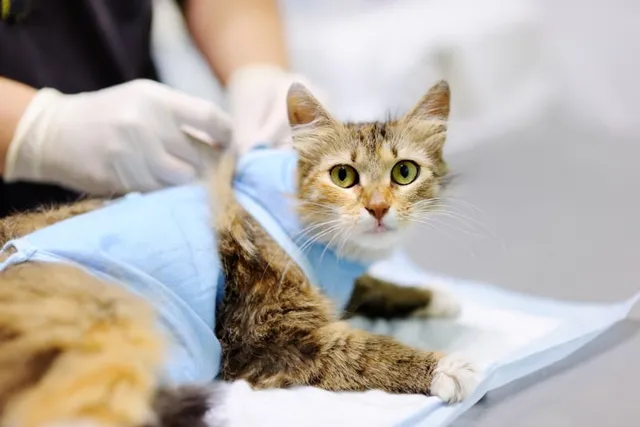
Having been to the vet’s office in the past has likely given your cat a less-than-positive association with the place. There is every likelihood that the entire experience can be uncomfortable, sometimes painful and scary, so of course, that’s the last thing that any cat wants to go through.
If they were injured or ill at any point, they are more likely to associate the pain and feeling unwell with the vet, even though this may not be why they’re going to the vet currently.

2. Highly Attuned Senses
Cats have sensitive senses of smell and hearing. Being in a clinic will inundate your cat with many strange and scary smells and sounds. It’s even worse when your cat is afraid of dogs or other cats, so they are taking in these strange smells, along with other animals barking or whining.
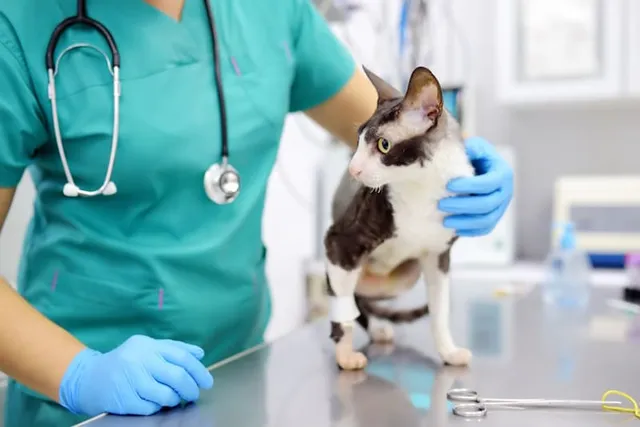
There’s also taking in so much information at once, like strangers they don’t know and being put in a strange room with a cold table. Clinics are sterile places that don’t sound, smell, or feel like home.
3. Change of Routine
Cats are territorial and though they are naturally inquisitive, they do enjoy having an element of familiarity in their routine and home; a drastic break in the routine can be quite upsetting. Your cat will pick up quite quickly when something is different.
Maybe you didn't feed them breakfast or wake them up from their usual long afternoon nap only to stuff them into the carrier. Any change in routine for most cats is typically unwelcome.

4. Being in the Car
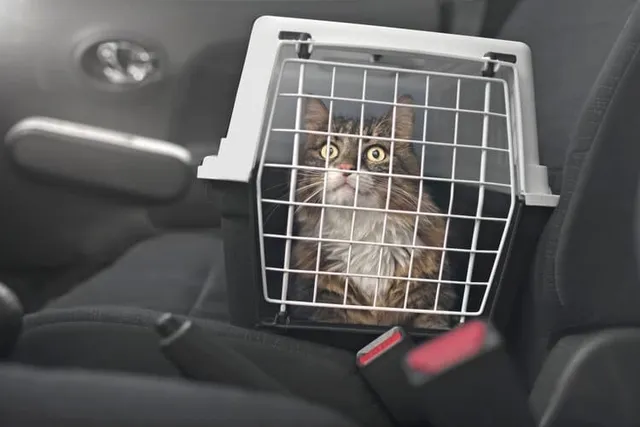
Some cats dislike being in the car, as it’s essentially an unfamiliar place for them. Being away from home is disconcerting, to say the least. But the whole trip also involves being squished inside a carrier and possibly being bumped and jostled, in addition to the possibility of car sickness. It’s not anyone’s idea of a good time.
5. Being Restrained
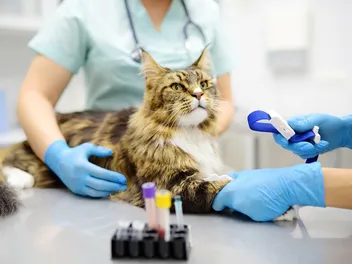
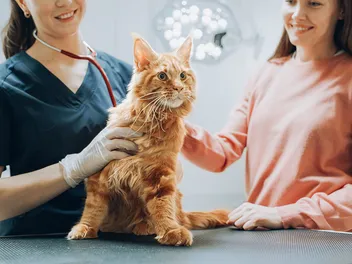
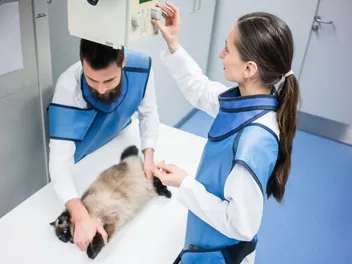
At the vet, the cat is handled by many strangers and may need to be restrained, which can definitely be stressful for some cats. This is further amplified by injuries, stress, and illnesses.
The combination of all those unappealing smells and sounds, along with being held down and experiencing discomfort, is a cauldron of unpleasantness for cats. You may find your cat hiding in the vet's sink!
How You Can Make Vet Visits Easier for Your Cat
In some cases, you may never be able to make your cat happy about going to the vet, but you can take steps to make it easier for them and for you.
Get the Right Carrier
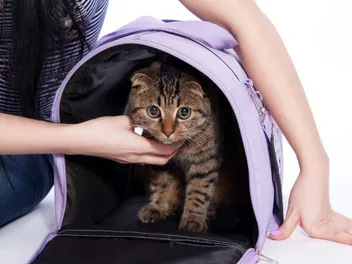
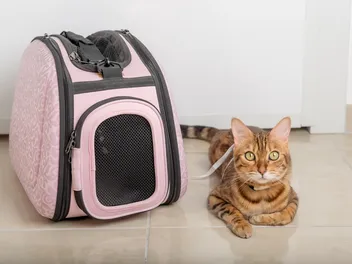
You should start by purchasing the right carrier; it should be large enough for your cat to turn around and stretch.
A hard carrier is better than a soft one because it’s larger and more stable for your cat, and it’s much easier to get your cat in and out of it. This type of carrier is also easier to clean.

Keep the Carrier Out
Once you have the carrier, put your cat’s favorite blanket or maybe a sweater or shirt of yours that you don’t mind giving to your cat. This way, it will have your scent, which may comfort them. Put it somewhere in your home, and leave it there so your cat can become familiar with it. They might enjoy it enough to turn it into a cat bed.
You can also cover it with a blanket or towel to make it cozier, and it also helps block out sounds and sights.
Use Pheromones
Pheromones help calm stressed-out cats, so try a pheromone spray on the carrier. This is designed to calm cats and can work wonders on certain kitties.
Spray the carrier and the blanket with the pheromone about 30 minutes before you leave for the appointment.

Take Your Time Before the Appointment
You should set up the carrier well in advance of the appointment so there’s no last-minute rushing about.
When your cat is in the carrier, let them settle inside for a bit before moving them to the car. Once in the car, ensure that the carrier is wedged in so it won’t slide around, and take your time driving to the clinic.
Try to Avoid the Waiting Room
The waiting room can make your already stressed-out cat even more anxious. If you have a felines-only vet clinic in your area, this might be a better option if your cat gets particularly upset. Otherwise, try calling the clinic before you leave for the appointment to ensure that there won’t be a long waiting period.
However, if you arrive and there is a wait, ask if it’s okay to wait with your cat in the car or if there's an exam room available where you can stay instead.

Talk to Your Vet
Talk to your vet and the staff at the clinic about the anxiety that your cat goes through during these visits. Some cats are more nervous and sensitive than others and might need extra support.
They will be able to help make things easier for your cat during these visits, and your vet can offer extra advice. This might even include your veterinarian prescribing your cat a sedative if the vet appointments seem like torture for your cat.
Stay With Your Cat
You likely do this, anyway, particularly because the vet usually needs to ask you questions and give you information about your cat’s health. But if for any reason, you don’t go into the exam room, it may help to start doing so. Your presence may make things less stressful for your cat.
If your cat is prone to more aggressive behavior, you should let the clinic staff restrain your cat rather than do it yourself. They are experienced in this, and everyone will be less likely to get hurt.
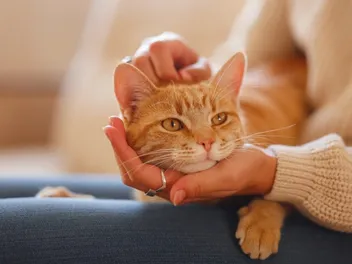
You should focus on talking to your cat soothingly and attempt to stroke them if feasible (at the staff’s discretion).

Look Into Home Visits
If vet appointments appear to be stressing out your cat far too much, check if your vet or any other clinics in your area can do home visits. This will still likely cause stress, but being at home will definitely make your cat’s stress less intense than at a clinic.
Conclusion
There are several reasons why your cat may not view vet visits favorably, however, there are ways for you to help your cat as well. Before packing your cat for your vet appointment, try to remain upbeat and positive. Your cat will likely pick up if you’re feeling anxious and stressed, which will only exacerbate their own feelings.
It’s also important to handle your cat while they are kittens so they become used to it. This means touching their paws and head often. This will also help you figure out if there’s an area on your cat that they don’t like being touched, so you can inform your vet.
Remember, if your cat acts aggressively or cowers in a corner at the clinic, this is not a reflection on you or your cat. It’s perfectly understandable why your cat dislikes going to the vet.
See Also:
Featured Image Credit: silverblackstock, Shutterstock
Expert cat care, straight to your inbox
News, insights, and useful advice, delivered to you.

No spam — unsubscribe anytime.
By signing up, you agree to our Terms & Conditions and Privacy & Cookies Policy.
How useful was this post?
Click a star to rate. You can leave written feedback afterwards. (We read all feedback.)
Kathryn was a librarian in a previous lifetime and is currently a pet writer. When she was a child, she hoped to work in ZOOs or with wildlife in some way, thanks to her all-consuming love for animals. Sadly, she's not strong in the sciences, so she fills her days with researching and writing about all kinds of animals and spends time playing with her adorable but very naughty tabby cat, Bella. Kathryn is hoping to add to her family in the near future – maybe another cat and a dog.