Why Don't Cats Like Their Paws Touched? 8 Vet Reviewed Reasons


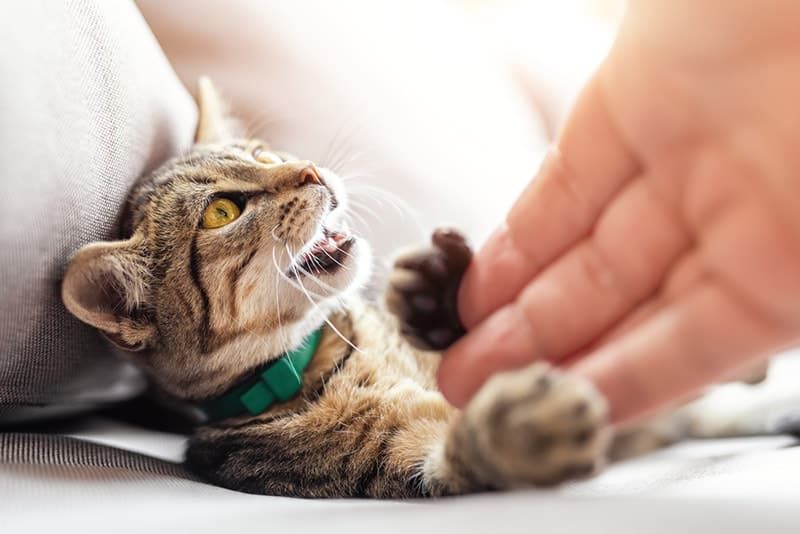
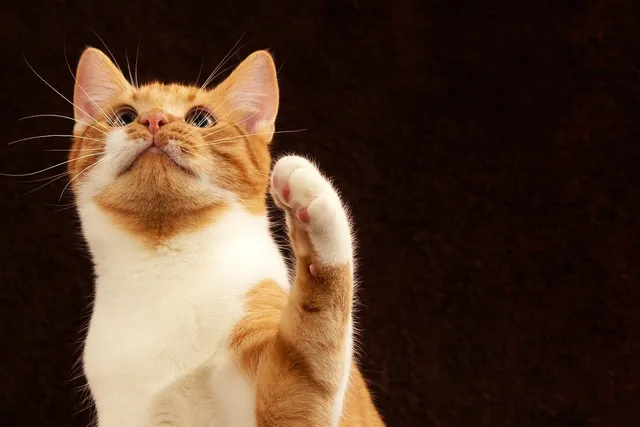
Any cat owner knows that a cat's paws are among their cutest features, but most are off-limits to touching. Why is this? Why do some cats hate having their paws touched? Why do some allow it? In this article, we look at the reasons that cats don't like having their paws touched and what it means if they do let us feel them.

The 8 Reasons Why Cats Don't Like Their Paws Touched
1. Sensitivity

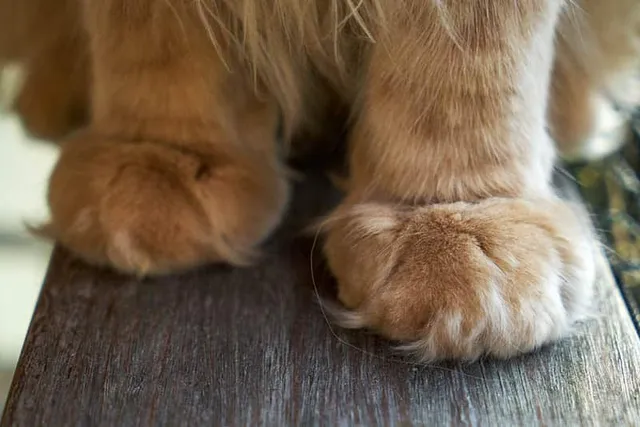
A cat's paws are full of nerve endings, making them incredibly sensitive to even the smallest pressure, vibration, and temperature change. Cats need this sensitivity to keep their paws safe, such as pulling away when the ground is too hot. They also use their highly sensitive pads to feel the ground they're walking on, detecting changes in texture and stability.
Even a brush or the slightest press can be uncomfortable for our cats, so they might find a finger pressing on or touching their paw overwhelming and pull away.
2. Injury
If your cat used to let you touch their paws and suddenly decides that they are off-limits, they might be in pain. Cats are incredibly stoic creatures that hide pain and discomfort very well, which is an instinctual protection mechanism. You might not be able to tell your cat has injured their paw until you physically see it or until they react when you touch it.
Look out for signs of pain, such as limping, reluctance to use the foot, or licking at the area. If you notice a change in behavior like this, take your cat to the vet for a check-up.
3. No Paws, No Claws

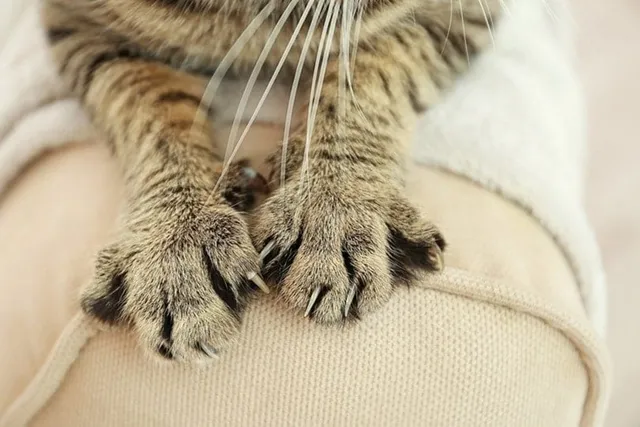
A cat's claws are their primary weapon. When a cat needs to defend themselves, they will launch an attack with their claws first, keeping the enemy at arm's length while fighting. You will often see cats sitting or lying down in positions that keep their paws (and claws) at the ready, such as the classic cat "stalking" position. Cats don't like to be unprepared, so if we hold their paws, they can feel trapped and can't use their claws if needed.
4. Past Experiences
Unfortunately, some cats might experience situations or events that leave a lasting mark. For example, if a cat has had their paws hurt before (whether by an accident, another pet, or worse, an abusive owner), they might be wary of letting anyone near them again. Even a claw clipped too near the quick at the vet's office can be enough to imprint a feeling of unease and fear in a cat when their paws are handled. This trauma can be difficult for the cat to overcome, but with patience and working in small steps, a cat can once again become comfortable with someone touching their paws.
5. Trust

Cats are naturally cautious, and sometimes it'll take longer to trust their owner completely. This is particularly true if the cat has suffered trauma, but some cats are just not as bonded to or trusting of their owners as others.
Luckily, trust can be built (or rebuilt) over time, so your cat could eventually become more comfortable with you touching their paws and trust you not to harm them. Gentle encouragement and calm interaction can help you build trust with your cat; respect their boundaries and give them time to adjust to you.
6. Elderly Cats
Elderly cats have less patience than younger cats (generally), and many suffer from conditions such as arthritis, which can cause joint pain. Geriatric cats also slow down; less movement and more pain can make them intolerant of having their paws touched, particularly if they're tender.
Overgrown claws can also be a factor, since elderly cats’ claws can sometimes become thickened and overgrown if not worn down. The claws can grow into the pads and cause injury. If your elderly cat is resisting you touching their paws, it's a good idea to take them to the veterinarian.
7. Joint Issues

Cats of any age can have joint problems. Arthritis is usually seen in older cats, but young cats can also suffer. Malformation of the joints in the paws, old injuries to the paw joints, and degenerative conditions can all cause joint pain. If your cat suffers from a joint disorder, they might not like their paws being handled due to pain or discomfort.
Joint conditions can also cause swelling and stiffness, and your cat might be uncomfortable and may not want their paws touched. If you are concerned about your cat's joints in their feet (or anywhere), take them for an exam at your vet's office.
8. Simple Dislike
If your cat doesn't want their paws touched, they might just not like them being touched! We shouldn't force our cats to let us handle their paws, as it can cause large amounts of stress and isn't fair to them. Stress can also cause health problems in cats, so it's best to reign in your enthusiasm and resist the urge to touch your pet’s feet.
How Can I Help My Cat Get Used to Having Their Paws Touched?
There may be times when your cat needs to have their paws touched, such as for nail clips or veterinary exams. It is a good idea to try to acclimate your cat to having their paws touched. The best time to try is when they're a kitten. Unfortunately for many owners, this isn't possible.
Adult cats can also get used to the sensation, but they’ll take longer to accept it than young felines. By touching your kitten's paws gently and praising them/giving them a treat, you can teach them not to be afraid of having their paws handled and prepare them for what to expect when they have them touched throughout their lives.
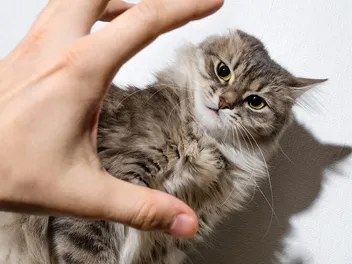
Not all cats will respond favorably, and they might react aggressively (such as hissing or swiping) when you go to touch their paws. So, remember to be safe first, and don't push your cat if they seem stressed or upset.

Do Cats Like Having Their Paws Massaged?
Some cats (likely those used to having their paws handled) will enjoy having a paw massage. However, some won't tolerate having their paws touched at all, and a massage will be out of the question. Massage for cats in general can be a relaxing and enjoyable experience for both your cat and you, as it relieves tension and promotes good circulation.
If your cat doesn't tolerate having their paws massaged, try starting at the shoulders or base of their tail. Remember to be gentle and get acquainted with the technique first; your vet can recommend massage sources or courses you can try.
What Does It Mean When a Cat Lets You Touch Their Paws?
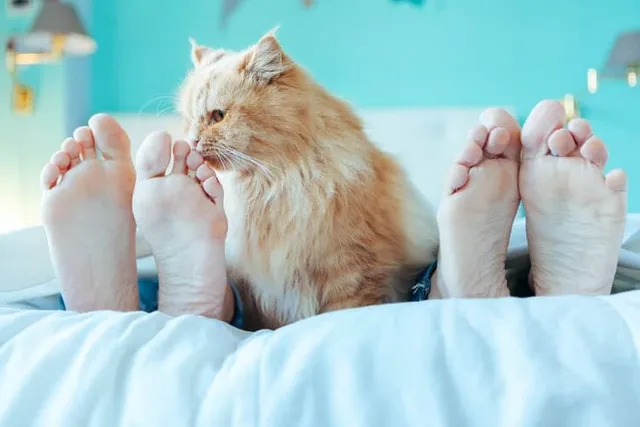
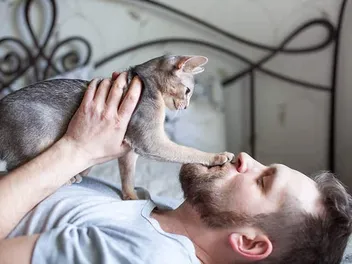
If your cat is content to let you touch their paws, they are very trusting of you. They trust you not to hurt one of their most sensitive areas, and they know you'll relinquish their weapons if they suddenly need to use them. If you have put the time and effort into training them to be comfortable with having their paws handled, they'll show when you can touch those adorable paws with no issues. Also, your cat will be more relaxed during veterinary exams or claw clips that necessitate paw touching.
Conclusion
A cat's paws are sensitive and soft but are also home to their primary weapons. Some cats will let you touch their paws without issue; this is usually the result of training and socialization to get them comfortable with the sensation. Other cats will not want you to touch their paws at all for a variety of reasons. Pain, sensitivity, old age, and past traumatic situations can all mean your cat will pull away when you touch their paws. We must keep our cat's wants and needs in mind, no matter how cute their little feet are.
Sources
Featured Image Credit: Gorloff-KV, Shutterstock
Expert cat care, straight to your inbox
News, insights, and useful advice, delivered to you.

No spam — unsubscribe anytime.
By signing up, you agree to our Terms & Conditions and Privacy & Cookies Policy.
How useful was this post?
Click a star to rate. You can leave written feedback afterwards. (We read all feedback.)
Christian started writing for a local newspaper as a teenager, and he's been involved in the publishing industry for most of his adult life. Combining his love of writing with a passion for animals, he is currently the Director of Editorial at Pangolia and the Editor-in-Chief at Catster.
Christian lives in the Philippines with his wife, son, and four rescue cats: Trixie, Chloe, Sparky, and Chopper.