Can Cats Eat Just Wet Food? Vet-Reviewed Facts & FAQ


Cats are curious creatures known for their unique personalities, occasional mischievous behavior, and dietary needs. As such, there is a lot of debate about what types of foods are best for cats. One of the most pressing questions is whether cats eat just wet food. While there is no one-size-fits-all answer, learning more about what cats need to be healthy can help you decide if wet food is the best option for your feline.

So, Can Cats Eat Just Wet Food?
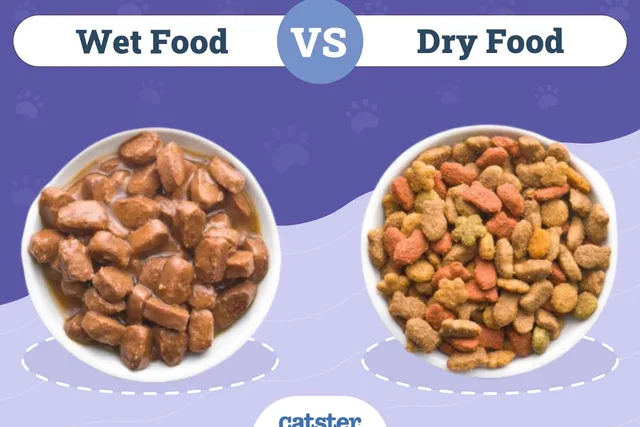
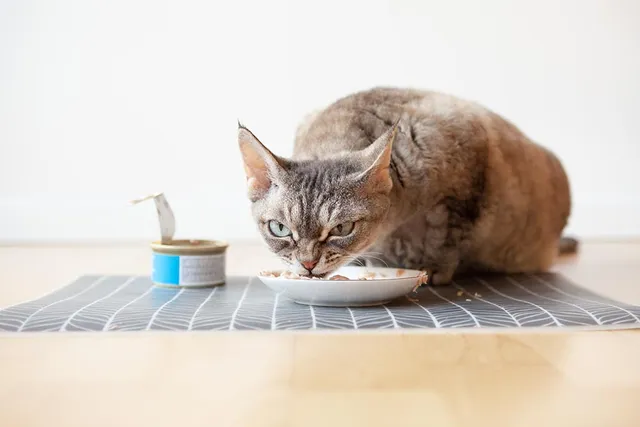
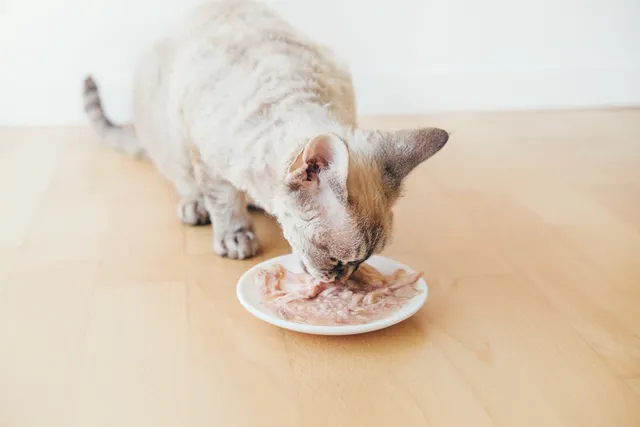
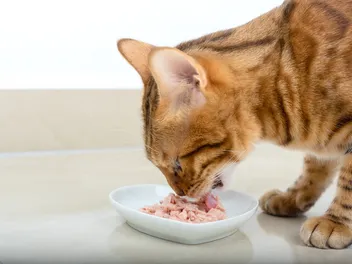
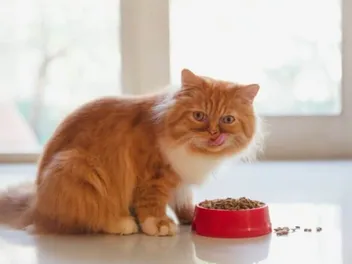
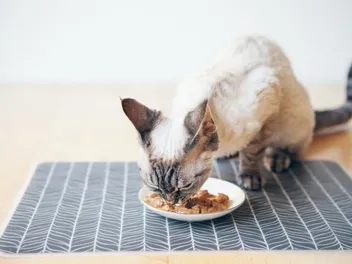
Wet food has several benefits, like adding moisture to a cat's diet and providing more variety for cats who get bored with their meals. However, wet food alone can provide the nutrition that cats need as long as it is complete and balanced. On the other hand, it may be the ideal choice for cats with special medical needs or picky eaters who won't touch dry food.
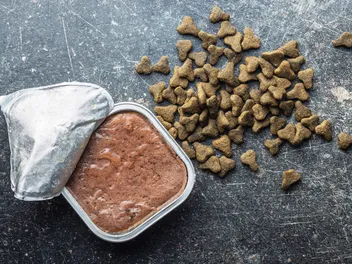
Many nutritionists will tell you that a diet of both wet and dry food can be especially beneficial for cats. However, there is nothing wrong with feeding your cat a wet food-only diet, and ultimately, the cat will determine which type of food they enjoy the most. And if you feel that your cat is lacking any particular vitamins or nutrients, consult a veterinarian.
Understanding Cat Nutrition
Cats, like their wildlife cousins (lions, tigers, cheetahs, etc.) are true carnivores, meaning that their diet must consist mainly of animal proteins. Unlike humans, cats cannot synthesize certain essential amino acids, and therefore must get them from their food. Additionally, cats need essential fatty acids, vitamins, and minerals in order to stay healthy. So, it's important to choose cat food that is complete and balanced, meaning that it contains all the essential nutrients that your cat needs.
When it comes to the macronutrients, cats need a diet that is high in protein and low in carbohydrates. Additionally, many cats are not very effective at drinking water, and they do need to stay hydrated, so it is important to make sure that the cat food you choose contains moisture. This is why having an all-wet food diet isn't a bad thing at all for cats. In fact, it is usually easier to find wet cat food that has a better macronutrient composition than dry foods since it is not required to add the starches used to bind the food into a pellet. Unlike us, they don't require a higher number of carbs throughout the day, and many cats will be perfectly fine eating wet food 100% of the time.
However, even if you decide to treat your cat to an all-kibble diet, it always helps to know what to look for in your brand and food choices.
Common Ingredients in Cat Food
The ingredients list should be the first thing you look at, as it will provide you with information about what is in the food and what your cat is eating. The first ingredient should be a high-quality source of animal protein, such as chicken, beef, turkey, or fish.
When it comes to fats, look for healthy sources such as fish oil, flaxseed oil, or chicken fat. You should also look for sources of essential vitamins and minerals, such as vitamins A, D, and E, as well as calcium and phosphorus. Finally, look for probiotics, which can help aid digestion and support a healthy immune system.

Common Cat Food Allergens
When it comes to cat food, there are certain ingredients that can be common allergens for cats (just like us humans may have fish, shellfish, dairy, or nut allergies). Coincidentally, cat allergies aren't that different from ours. The most common cat food allergens are ingredients like beef, fish, chicken, and dairy.
Additionally, some cats may be sensitive to certain additives, such as artificial colors, flavors, or preservatives. If your cat is showing signs of an allergic reaction, such as vomiting, diarrhea, itchy skin, skin rashes, recurrent ear infections, or ambivalence toward a certain meal, you may want to do a phasing-out approach to see what may be triggering the reaction.
How to Transition Your Cat to Wet Cat Food
If you’re transitioning your cat to wet cat food, it's best to do so gradually. Start by mixing in the current dry food with the wet food. Initially, the wet food shouldn't make up more than 1/4 to 1/3 of the total meal. Gradually increase the amount of wet food over the course of a few weeks and decrease the dry food, until they're only eating the wet food. Also, keep an eye on your cat during the transition to make sure they're eating and drinking enough and that they are not having any digestive problems.
You'll want to pay special attention to your cat during this transition to observe any changes in their appetite or post-meal behavior – something that may be indicative of their dislike for the food, allergy issues with certain brands, or digestive issues that it may cause.

What Exactly Is “Dry” Cat Food?
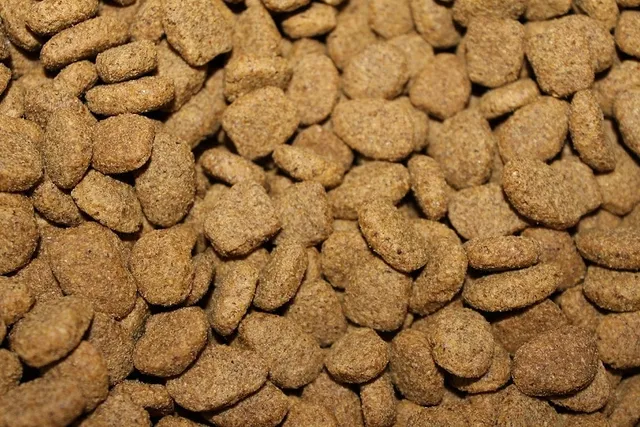
Dry cat food, also known as kibble, is a type of pet food that is made from a combination of ingredients, including carbohydrates, proteins, fats, vitamins, and minerals. The ingredients are mixed together and then heat-processed to create small pellets or chunks. This process makes the food shelf-stable, so it can be stored without refrigeration. Dry cat food is typically the most economical option, and it’s also convenient since it can be stored and served without any preparation.
The most important factor in choosing dry cat food is making sure the product is complete and balanced. This means the food must provide all the nutrients cats need in the right proportions without relying on supplementation. The best way to ensure this is to look for a product that is labeled as “complete and balanced” and has the Association of American Feed Control Officials (AAFCO) statement on the packaging.

Benefits of Dry Cat Food
Dry cat food has a number of advantages for cat owners. Firstly, it’s convenient and easy to store since it doesn’t require refrigeration and can be kept in a cool, dry place. It’s also economical since it’s generally the least expensive type of cat food. Finally, dry cat food is often more palatable for cats that prefer crunchy, flavorful food.
Downsides of Dry Cat Food
Although dry cat food has some benefits, there are some potential drawbacks to consider. First, dry cat food is typically high in carbohydrates, which is not ideal for a cat and can lead to weight gain in cats if they don’t get enough exercise – something that can happen to inactive cats or ones that are older. Additionally, dry cat food does not provide enough moisture, which is essential for cats’ health.
Finally, some cats may not find dry cat food as palatable as wet food, which could lead to them being less interested in eating. However, many owners simply resort to adding a bit of water to the dry kibble to soften it up and make it more palatable.
How to Store Dry Cat Food
The best way to do this is to keep it in an airtight container in a cool, dry place away from sunlight and moisture, or just keep it in the bag and be sure to seal the top. You'll also want to check the expiration date on the package and discard any food that is out of date. Dry cat food usually has a shelf life of about 6 months to a year if it hasn't been unopened.

How Much Cat Food to Feed Your Cat
The amount of cat food you should feed your cat depends on their age, activity level, and body condition. Most cats should be fed twice or three times in a day, and the amount should be based on their recommended daily calorie intake. If you’re not sure how much to feed your cat, you should consult a veterinarian.

Wrapping Things Up
If you’re a cat parent, you know how important it is to make sure your feline friend is getting the right nutrition. As long as it is complete and balanced, wet food can be a good option to feed your cat exclusively. However, many cat owners prefer dry cat food since it is often a more economical and convenient feeding option. The choice is really up to you and, well, your feline friend.
Sources
Featured Image Credit: Amerigo_images, Shutterstock
Expert cat care, straight to your inbox
News, insights, and useful advice, delivered to you.

No spam — unsubscribe anytime.
By signing up, you agree to our Terms & Conditions and Privacy & Cookies Policy.
How useful was this post?
Click a star to rate. You can leave written feedback afterwards. (We read all feedback.)
Christian started writing for a local newspaper as a teenager, and he's been involved in the publishing industry for most of his adult life. Combining his love of writing with a passion for animals, he is currently the Director of Editorial at Pangolia and the Editor-in-Chief at Catster.
Christian lives in the Philippines with his wife, son, and four rescue cats: Trixie, Chloe, Sparky, and Chopper.