Why Does My Cat Only Eat Wet Food? Vet Reviewed Facts & Suggestions


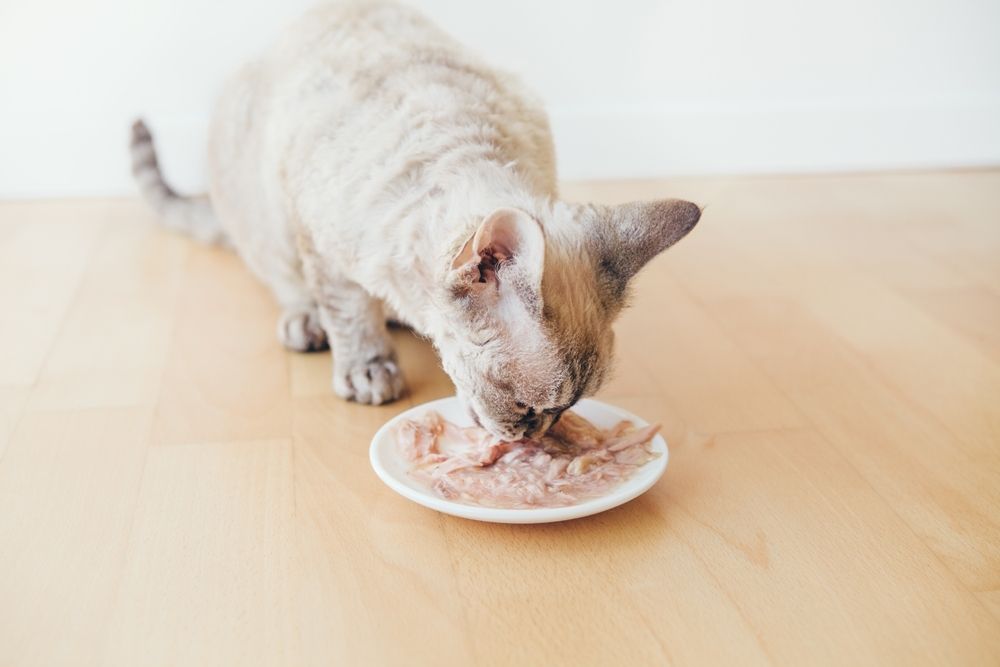
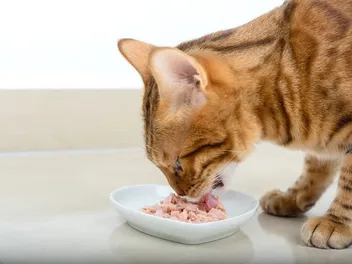
You know you're a good cat parent when your low-budget can of soup costs less than your cat's can of wet food, which is $3 a tin. Once you introduce wet food to a cat, some felines refuse to return to the dry stuff. Our response is, well, they usually know what's good for them. So why do some cats only eat wet food? The simple answer is that many cats prefer to eat wet food because it smells better and is more palatable than dry food. Let's explore more in this article.

Why Does My Cat Only Eat Wet Food?
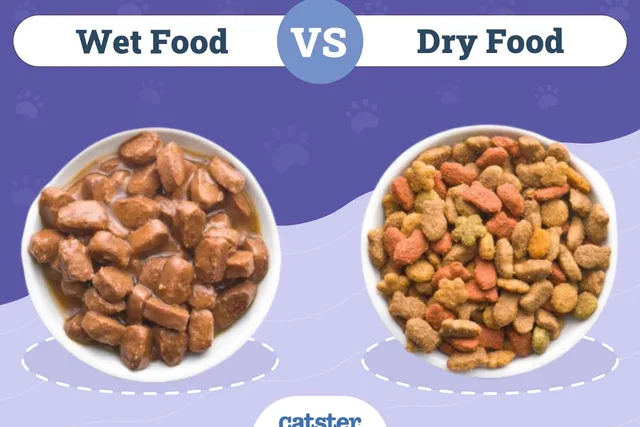
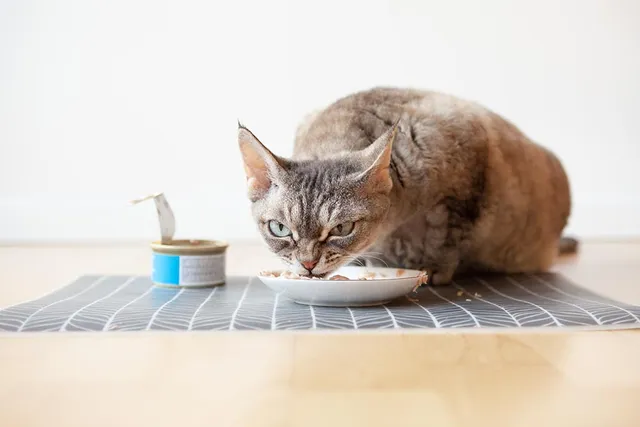
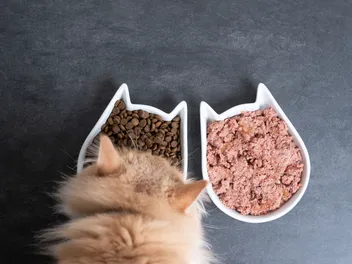
Wet food is likened to a pot of homemade soup, compared to dry cereal. A cat's sense of smell is about 14 times better than ours. Can you imagine the rich smells that come from the can, instead of overcooked dry kibbles? Some cats simply eat wet food because it smells better and is more palatable than dry food.
Of course, some cats may prefer wet food as they age or if they have a health condition in which wet food is easier for them to eat and digest. Other cats may need the higher moisture content found in wet food. Cats are not great at drinking water because they evolved to obtain their hydration from their moisture-rich prey.
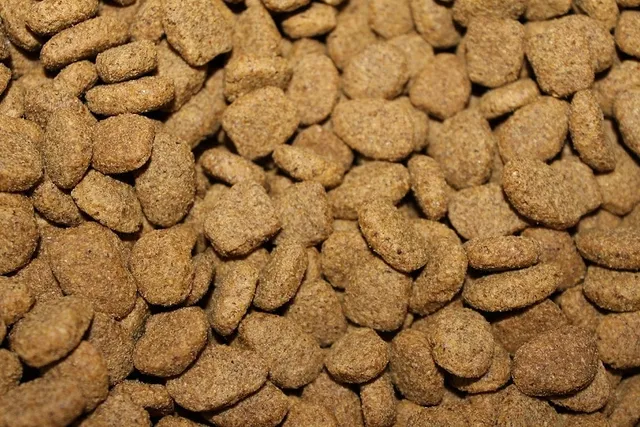
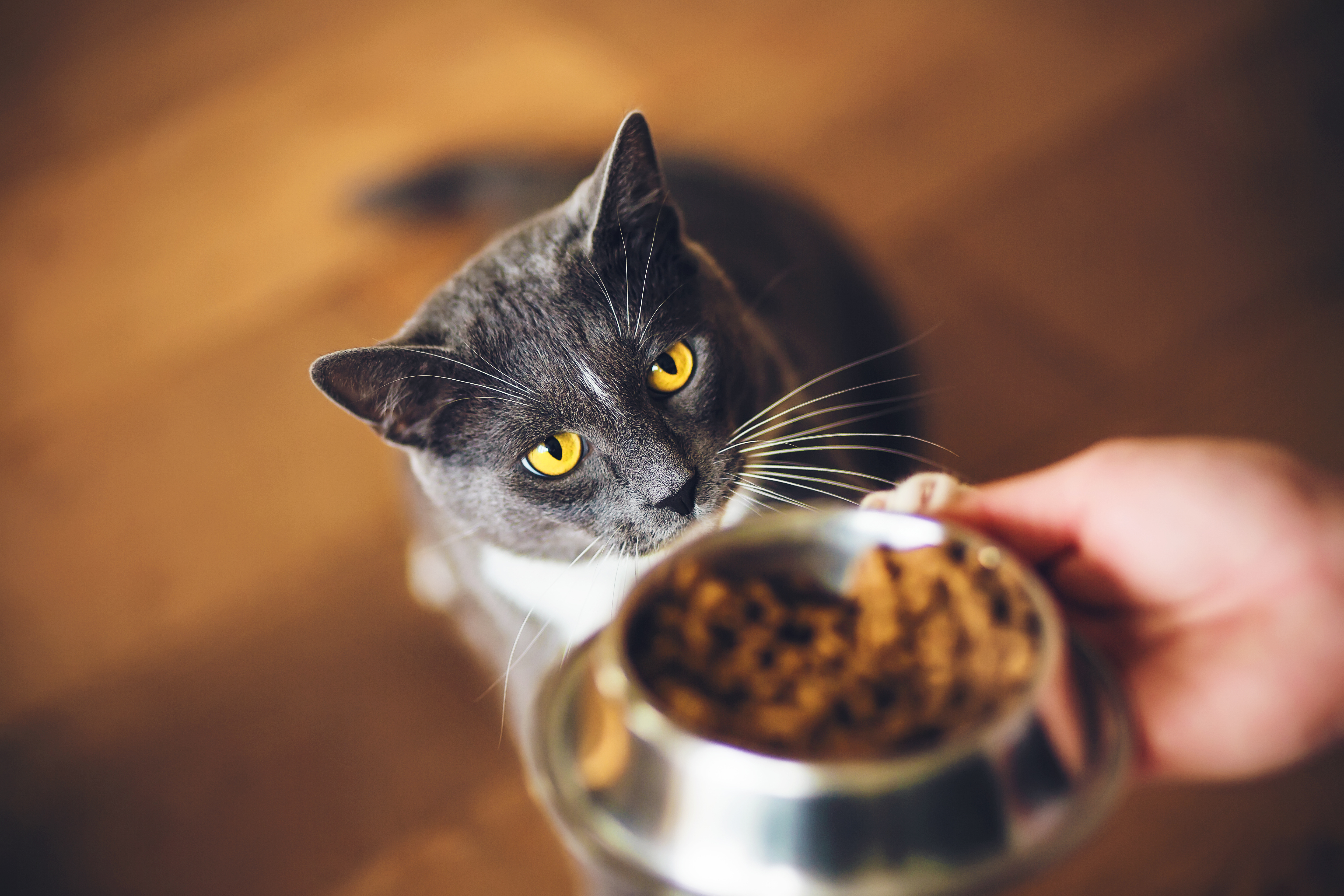
Dry food is a convenient option that's usually cheaper than wet or fresh food, and there are some recipes out there that provide your cat with all of the nutrients that they need. In fact, there are many cats out there that will eat dry food perfectly fine. But if your cat has a choice, though, most times they'll want to can the dry food in favor of the gravy or pate.

Is Wet Food Actually Healthy for Cats?
Wet food may be healthier than dry food because it keeps them hydrated.
Cats are very susceptible to urinary problems. Kidney disease is actually the leading cause of death in felines. Cats can even develop feline idiopathic cystitis (FIC) due to stress-induced inflammation irritating the lining of their bladder. For this reason, it's imperative for your cat to always have enough water in their system. Dry kibbles are dehydrating, and most cats don't drink a lot of water, so wet food is generally recommended to help supplement their water levels.
Wet food also usually contains more meat, which is good since cats are obligate carnivores and can be less processed than dry food. However, these factors ultimately depend on the formula and brand.
Be sure to avoid artificial ingredients and carrageenan in wet foods. Although it's derived from natural seaweed, there's limited evidence that carrageenan causes cancer. Unfortunately, it's a common additive in many wet cat foods that's used to thicken the mixture and add texture.
Wet foods pack more water and, therefore, fewer calories per ounce than dry food, so the measurements aren't comparable. Usually, there will be an estimated amount on the can, but a vet can give you advice fitting to your individual cat. When evaluating your cat's diet, you should always ask the vet for advice on finding the best recipe. They'll know how to tailor your cat's meal to their individual activity level, medical needs, and life stage, as well as give you golden nuggets about ingredients to look for and ones to avoid.
What if Wet Food Isn't an Option?
Maybe you bought a can of wet food to temporarily satisfy your cat on vacation or while their regular dry formula was out of stock. You probably never dreamed of switching over to wet food permanently, but here you are with your cat meowing for more. Here are some ideas on how to gently remind your cat that the new recipe is for a limited time only:
- Slowly switch them back. Start integrating their regular meals with wet food. Gradually give them a smaller amount of the wet food and more of the dry food until it's fully replaced.
- Consider a compromise. Could you continue using wet food as a topper? What about letting them have a bite at the end of the day once they've already eaten their regular meal?
- Switch their regular food to something more attainable. If you're starting to notice that your cat isn't thriving on their regular meals, talk to your vet about finding a meal solution that fits their needs and your budget.
- Get a second (or third) job. Your cat probably isn't going to give up their addiction willingly. If you don't have a strong mind, you might as well appease them. (Joking!)
- Stick to your decisions. In all seriousness, your cat isn't going to starve themselves. Resist the urge to panic if they hold out on eating their dry kibbles for a few hours in protest. They'll eat when they're hungry enough. Remember, if you relent and give them the wet food, you'll start the whole process all over again. Plus, you're affirming that their rebellious actions get them what they want, which isn't healthy. That said, you should keep in mind that cats should eat every day. A cat that does not eat for as little as 2 days or does not eat enough food over a few days is at risk of developing hepatic lipidosis, a dangerous condition.


Conclusion
If your cat craves canned food, you might want to ditch the dry stuff for good since it's probably better for them. If their current recipe of choice doesn't fit your budget or you feel like it might not be the healthiest choice, talk to your vet about finding a wet formula that fits their needs best. In general, wet food is preferred over dry food for cats because it helps to keep them hydrated and can be less processed and more palatable. However, you'll still need to actively scan the label and ingredients list to avoid potentially harmful ingredients like carrageenan. Your cat can switch back to dry food if you must, but your cat may not go for it willingly. Related Reads:
Sources
Featured Image Credit: Veera, Shutterstock
Expert cat care, straight to your inbox
News, insights, and useful advice, delivered to you.

No spam — unsubscribe anytime.
By signing up, you agree to our Terms & Conditions and Privacy & Cookies Policy.
How useful was this post?
Click a star to rate. You can leave written feedback afterwards. (We read all feedback.)
Brooke Norris is a freelance writer who lives with three cats and a dog. She has a B.S. in Media Studies from the University of North Georgia. Booke loves storytelling and spending time with her pets at their house in New Orleans, Louisiana. In her free time, she enjoys gardening, cooking, and brewing coffee.