How to Make Dry Cat Foods Soft: 6 Vet-Approved Methods That Work


In this article
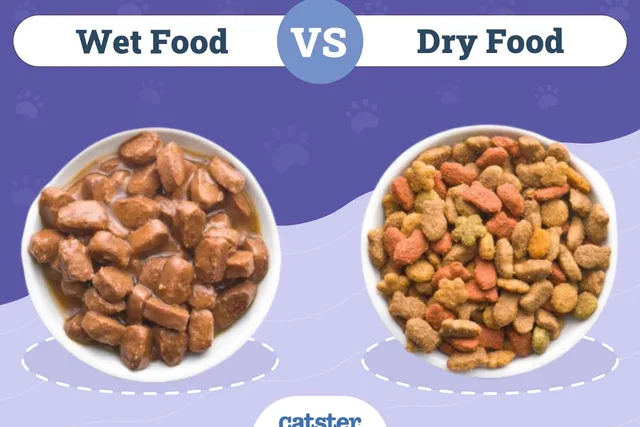
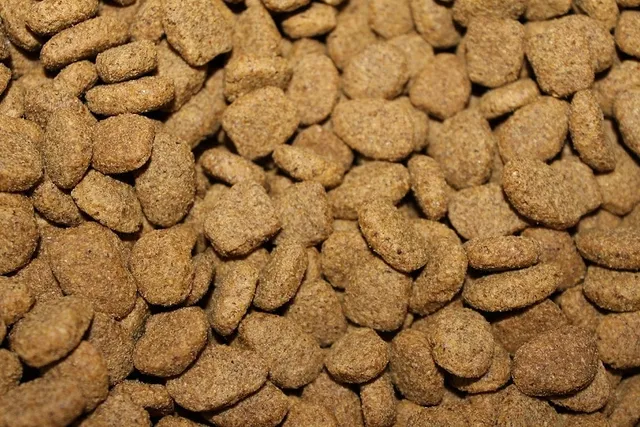
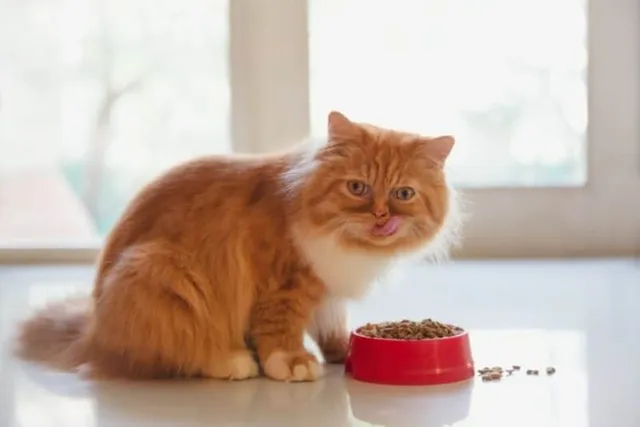
Some owners prefer to feed their cats dry food, whether as a solitary source of food or in addition to wet food meals. Because kibble is dehydrated, cats on a kibble diet should be drinking water to prevent dehydration. However, some cats don’t drink enough water, and adding some moisture to their food is important.
In these cases, or if your cat suffers from painful teeth or dental hygiene issues, there are some steps you can take to soften dry cat food and make it easier for your cat to feast on.
Whether you are looking to increase the moisture content or if your cat suffers from dental issues, there are some steps you can take to soften dry food and make it easier for your cat to feast on.

Why Feed Dry Food?
Some advantages are afforded by feeding your cat dry food rather than wet:
How to Soften Dry Cat Food
If you are trying to feed dry food, but your cat cannot eat it or dislikes the texture, consider that some find it too painful to crunch down on dry kibble. Whatever the reason, you can try the following methods to make dry food softer and increase the likelihood of your cat eating it all.
Of course, you should always get any addition to your cat's regular diet approved by their vet; this is especially true if your cat is on a special or prescription diet as some of the ingredients listed might be counterproductive to their treatment or condition.
It is crucial to keep in mind that once you add moisture to dry food, there is a higher risk of spoilage. If you live in a hot, humid environment, dispose of any food left in the bowl after 30 minutes. In cooler, dryer environments, you should dispose of any leftovers after 60 minutes. The main point here is that with increased moisture and warm temperatures, bacteria, mold, and other pathogens can quickly reproduce.
A cat ingesting spoiled food is very likely to get sick. Depending on what gets into the food, this can range from digestive distress or diarrhea to dysbiosis and intoxication.
It is also important to introduce any changes to your cats' diet gradually. Start with small portions of softened dry food, and gradually increase the proportion over time. This will allow their digestive system some time to adjust.
1. Add Water
The simplest way to soften dry cat food is to add water. Try a ratio of 1 cup of kibble to about a ¼ cup of water. Use lukewarm (not hot) water, keep it between 90°F- 100°F. You can add it to the kibble, leave it for 10 minutes, and then serve it to your cat.
2. Add Cat-Safe Bone Broth
Bone broth is enticing and irresistible for many cats and it can also be used to soften their dry food and increase their daily moisture ingestion. It is recommended to avoid store-bought products as they usually contain some ingredients that are toxic to cats. Alternatively, you can prepare a cat-safe bone broth by ensuring no onion, garlic, or leeks are included in the recipe. If the kitchen is just not for you, know that some cat food brands will also sell cat-safe bone broth.
3. Add Cat Gravy
Gravy for humans has too much salt and may contain additional unwanted ingredients like onion or garlic, but you can buy packets of so-called cat gravy. It is unsalted and is the same gravy added to some wet food recipes.
You can buy pouches of the gravy and add one to your cat’s food, but you need to check the portion size and remember that it will count toward your cat’s daily food and calorie intake, so you should feed less kibble. If you enjoy cooking, you can also try these DIY vet-approved cat gravy recipes!

4. Mix With Wet Food
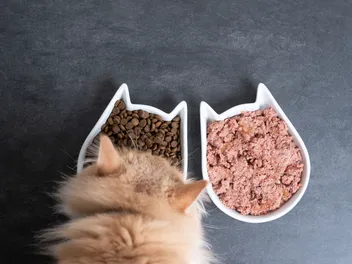
Another alternative is to feed the kibble with wet food. Again, adjust the amount accordingly to ensure that you don’t overfeed. The simplest way to adjust the portion is to give half the recommended amount of wet food and half the recommended amount of kibble.
5. Try Cat Milk
Most cats are lactose intolerant, and your cat will regret drinking milk. Even lactose-free milk is high in fat. Feline milk is a special formula that is safe and makes a tasty treat for your cats.
You can add a little to your cat’s kibble, but remember that it should be included in your cat’s daily food intake. Thus, you will have to reduce the amount of food you feed daily due to serving cat milk.

6. Try Meat Toppers
Meat toppers are usually small pouches of food used to pep up boring kibble. They are sprinkled on top of the dry food, and some are quite moist, which makes the meal more palatable. A topper will improve the smell and the appeal to your cat while also improving the taste. Unless your cat needs a prescription diet due to health conditions, such as kidney disease, you can take advantage of these protein and moisture-rich toppings and level up your cat’s nutrition.

- NO MESS - The 360° tray on this cat food and water bowl set has a raised design to catch and contain stray crumbs and drips. Protect your indoors and floors from wet and messy meals!
- WHISKER FRIENDLY - Shallow and wide metal containers with flat bottoms ensure your kitty can enjoy mealtime free from whisker fatigue!
- CHEW-SAFE MATERIALS - Kittens and cats love chewing on silicone and soft rubber - but it's a choking hazard. Our cat feeding station materials are anti-chew for a 100% safe feeding frenzy!
If it’s kibble, wet, or a combination of both that your cat enjoys, choosing the right cat bowl to serve it in goes far beyond presentation. Your cat's comfort is at the forefront with the Hepper NomNom Cat Bowl! The unique design benefits cats in many ways - dual stainless steel bowls are shallow and wide to aid with whisker fatigue and slight elevation for proper posture. The wide catch tray ensures that all food (and water!) stays exactly where you’d expect it to be - inside the bowl! Click here to learn more.
At Catster, we’ve admired Hepper for many years and decided to take a controlling ownership interest so that we could benefit from the outstanding designs of this cool cat company!
Conclusion
Ensuring good nutrition for your cat is essential. This not only means providing the right amounts of protein, carbs, and fat daily, but it also means ensuring that you feed something your cat will enjoy and that benefits them in other ways. Not every pet parent can afford to feed fresh or wet food. Dry kibble is convenient and cheaper than wet food, and it usually isn't as messy before and after eating, but not all cats enjoy it, and some might find it impossible to eat the hard kibble. Above are six methods to help soften cat kibble to try to entice your cat.
Remember to properly monitor the amount of food your cat is eating, which includes extra calorie-containing ingredients like gravy or milk, and also bear in mind that moistening food in this way means that you cannot leave it out for day-long grazing like you used to. The bowl needs to be removed within 30-60 minutes, and any leftovers should be discarded.
Related Reads:
Featured Image: Image Credit: Pixel Shot, Shutterstock
Expert cat care, straight to your inbox
News, insights, and useful advice, delivered to you.

No spam — unsubscribe anytime.
By signing up, you agree to our Terms & Conditions and Privacy & Cookies Policy.
How useful was this post?
Click a star to rate. You can leave written feedback afterwards. (We read all feedback.)
Christian started writing for a local newspaper as a teenager, and he's been involved in the publishing industry for most of his adult life. Combining his love of writing with a passion for animals, he is currently the Director of Editorial at Pangolia and the Editor-in-Chief at Catster.
Christian lives in the Philippines with his wife, son, and four rescue cats: Trixie, Chloe, Sparky, and Chopper.