Get

In Your Inbox

Catster is reader-supported. When you buy via links on our site, we may earn an affiliate commission at no cost to you. Learn more.

How Long Does It Take for Cat Hair to Grow Back? Vet Verified Facts & FAQ

Share

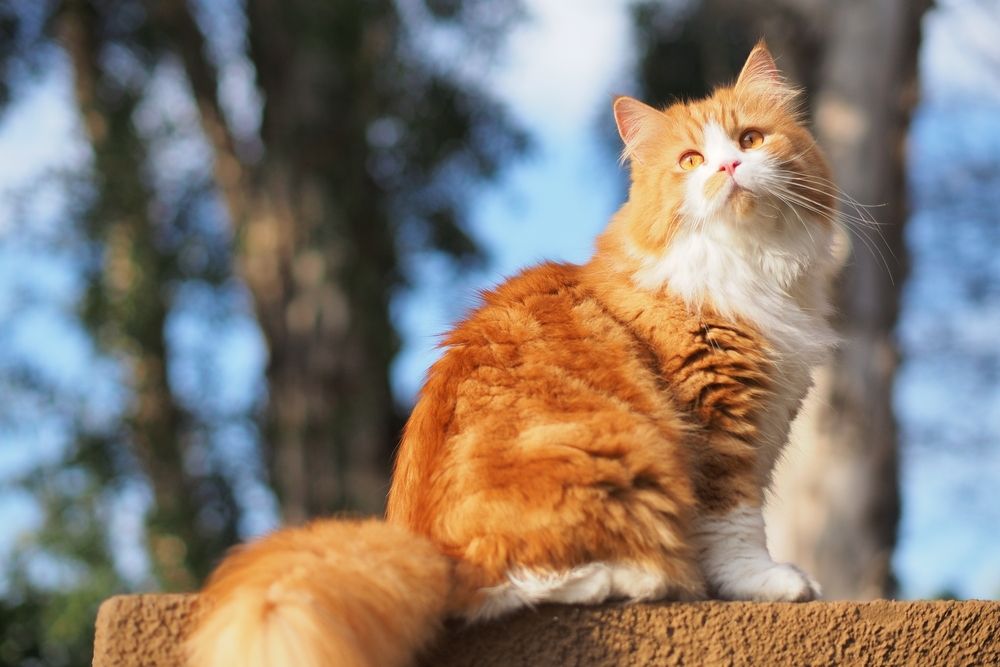
Orange-Long-Haired-Bi-Color-Doll-Face-Persian-Cat

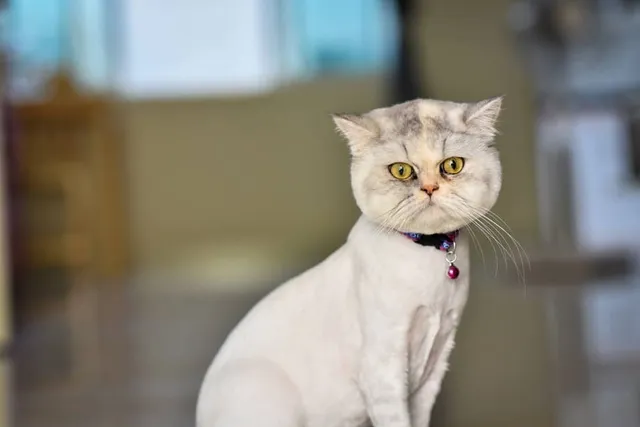
Whether your kitten just had surgery, your long-haired cat has undergone regular grooming, or you’ve taken a rescue cat that needed shaving to clean up matted and unhealthy fur, you will be eager to see it grow back.

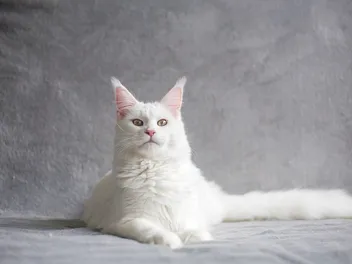
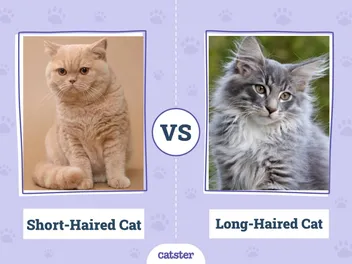
There is no steadfast rule regarding how long it takes cat hair to grow and the actual amount of time it takes will depend on the breed of cat, the length of their hair, and how short they had it cut. Generally, however, long-haired cats will have to wait between 3–6 months for their fur to fully grow back. Short-haired cats should take between 2–3 months.

Like people, every cat is different. Some will have fur that grows back quicker, while others will seem to have arrested hair growth.

divider 2 cats

Reasons to Cut a Cat’s Hair

There are some good reasons why you might have cut or shaved your cat’s fur:
  • Operation – Whether spaying or neutering, your cat will have to undergo a haircut for the operation, and it will take time to grow back. The hair is shaved so that the surgeon can get to the cat’s skin, and also because stray hairs can cause infection. Following the operation, your vet will glue, staple, or stitch the operation site closed and the vet may have to shave your cat again before removing them.
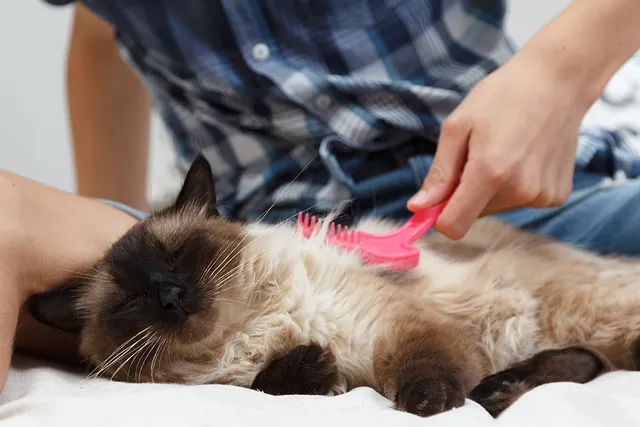
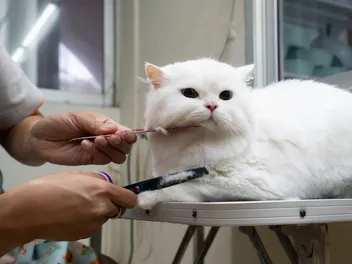
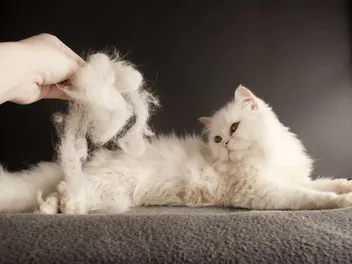
  • Matted Fur – This is especially a problem with long-haired cats. If the fur isn’t regularly brushed and groomed, it can become matted and knotted. It becomes impossible to pass a comb or brush through, and the only option at this point may be to have your cat shaved. This should be treated as a last resort because a cat’s fur is important to its health and well-being. Obese cats, or those with certain physical disabilities, may not be able to properly groom themselves, and this can also lead to matting that requires cutting.
  • General Tidy – You shouldn’t be cutting a cat’s hair short as a general tidy. At the most, you should groom it with good quality combs and maybe give it a trim. However, brushing and a decent diet should be enough to negate the need to cut or shave a cat’s coat.

It might be tempting to trim a cat’s fur for summer. After all, that hair must weigh them down and make them hot, right? Cats have a natural means of cooling down, and it is their fur. By shaving the fur off for summer, you are actually removing your cat’s own natural ability to cool down. What’s more, you’re exposing their sensitive skin to the hot sun and this could lead to sunburn and serious problems.

pet grooming at home
Image Credit: Akifyeva S, Shutterstock

Can I Shave My Cat Myself?

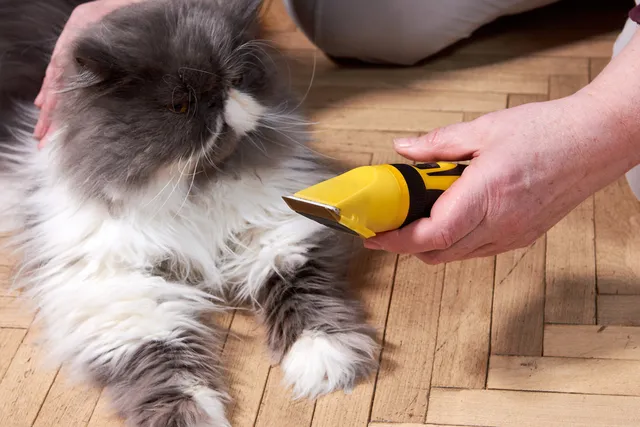
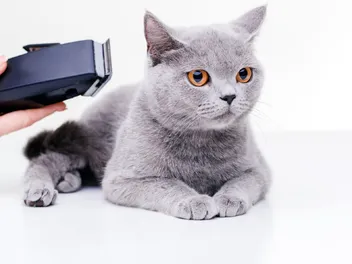
Cats have very elastic, sensitive skin, and it is far easier to cut feline skin than human skin. Its elasticity means that when you pull their fur, it also pulls their skin with it, and essentially pulls it into harm’s way. This, combined with the fact that shaving should only be done as a matter of medical necessity or if your cat is suffering discomfort and there is no option, means that you should leave the shaving or cutting of your cat’s hair to an expert. They know how to move and manipulate the fur without risking cutting the skin or causing other damage.

If you do have to shave your cat yourself, a far safer and easier option to try is trimming with scissors. Use a comb to protect the cat’s skin, slide the comb between the matted area and the skin, and use scissors to cut the fur on the outside of the comb. This means that that comb will act as a physical barrier to prevent you from injuring your cat’s delicate skin.

It is also worth noting that most cats dislike the experience of having their hair cut, and they will hate the noise of clippers being pressed against them. This makes the experience even more traumatic for your cat and difficult for you and is the primary reason that it should be left to professional groomers with experience.

How Can I Make My Cat’s Hair Grow Back Faster?

If your cat has had its hair shaved, there are steps to ensure it grows back as quickly as possible:
  • Use an e-collar to prevent your cat from overgrooming the site.
  • Use oils and feline-suitable creams to soothe the area for them.
  • Provide supplements, especially those containing omega fatty acids.

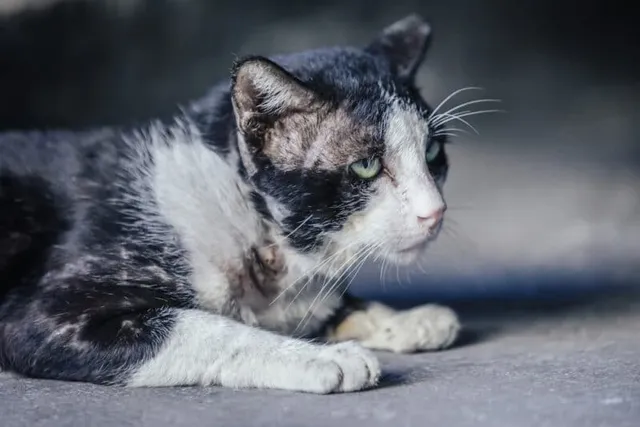
Why Is My Cat’s Hair Not Growing Back?

There are several reasons that your cat’s fur is not growing back, including:
  • Hormonal imbalance – Your vet will have to take blood tests to determine whether this is the case.
  • Bacterial, fungal, or parasitic infection – Your vet will investigate the site and may take skin scrapings and skin samples to determine the existence of ringworm or other infections.

How to Encourage the Regrowth of Hair

There are some steps you can take to encourage the regrowth of hair.

Ensure that they have a good diet with plenty of protein and includes all the essential vitamins and minerals.

Supplement to make sure your cat has sources of omega fatty acids, which are readily available from fish oil or from foods that have salmon as a base ingredient.

Identify any allergies. Food allergies are normally caused by protein sources in the food. One of the possible manifestations of allergies is skin inflammation and itching that could develop into alopecic areas. These are usually presented in patches where the skin loses hair that does not grow back. Other allergens are found in the environment. Typically, dust, mold, and pollens cause runny noses but can also cause red and itchy skin. These environmental allergens tend to be volatile and sometimes accumulate in carpets and other surfaces. Your cat might also develop an allergy or plain sensitivity to chemicals in the environment, for example, the fabric conditioner you use on your own bedding, and even the surfaces that they sit on.

Consider other food sensitivities. Your cat may not be allergic to novel proteins but may have a sensitivity to certain ingredients like grains. Ask a vet and try an elimination diet—to identify these sensitivities and cut them from your cat’s diet. Look for limited-ingredient cat food that is based on a protein different from what your cat normally consumes, however, when possible, make the change of food gradual to increase the success of your cat accepting the new recipe.

Need veterinary advice but can't get to the clinic? Catster recommends PangoVet, our online veterinary service. Talk to a vet online and get the answers and advice you need for your cat without having to leave your living room — all at an affordable price!

PangoVet_Mention-in-Content for PangoVet2 save money

divider 2 cats

Conclusion

So how long does cat hair take to grow back? The amount of time it takes is dependent on a great many factors. Primarily, it will depend on whether the hair was shaved off or it fell out because of a medical condition. It will depend on the natural length of your cat’s hair, as well as its condition. The health of your cat matters, and even its age, because older cats tend to lose some of their hair and can find it more difficult to grow hair back.

Generally, a shaved healthy cat should start to grow some fluff back after a couple of weeks. Short-haired cats will have their hair back within 2 months, while long-haired cats may have to wait as long as 6 months before their coat is fully regrown.

To encourage regrowth, ensure a decent diet, offer soothing creams, and avoid cutting or shaving your own cat’s hair in the future.

See also:


Featured Image By: Light Hound Pictures, Shutterstock

Want content like this delivered to you?

Sign Up For Our Newsletter

News, insights, expert advice, and everything cat

* By submitting, you agree to our Terms & Conditions and Privacy & Cookies Policy.


How useful was this post?

Click on a star to rate (you can leave written feedback after clicking submit)

Help us improve Catster for pet parents!

Your feedback really matters.

What did you like about this post? Also how can we improve it?

Join the conversation

4 Responses

  1. Thank you for this valuable information. My 14 year old long hair blended calico has been pulling hair on her back and base of tail for years. No one ever suggested it might be her food – all formulas of Hills Science Diet! She is now on a limited ingredient duck and red lentil recipe, she is beginning to grow new hair and she is not pulling hair anymore. My other cat had chronic eye and ear infections and I blame that on the Science Diet as well. No more infections on the limited ingredient diet. Oh happy day!!

    1. Hi Dawn,

      Thank you for your question! The time it takes for a cat's fur to grow back can vary based on several factors, such as the breed, hair length, and how short the fur was trimmed. On average, short-haired cats tend to regrow their fur within 2 to 3 months, while long-haired cats may take a bit longer, usually around 3 to 6 months.

      For more detailed information, you might find this article helpful:
      -https://www.catster.com/lifestyle/how-long-does-it-take-for-cat-hair-to-grow-back/

      If you’re noticing anything unusual with your cat's fur growth, feel free to book an online appointment with one of our veterinarians at Pangovet.com for expert advice.

Leave a Reply

You’re very welcome to leave a comment or question. Please know that all comments must meet our community guidelines, and your email address will NOT be published. Let’s have a positive and constructive conversation.


Talk With A Vet Online

Peace of mind,
anywhere, anytime

Affordable vet advice

The 10 Common Causes of Sudden Death in Cats (And Which Ones Are Preventable)

Most cat owners don’t think much about heart disease, internal hemorrhage, or viral infections until they’re staring at an empty bed. Sudden death...

Ask Dr. Paola – Help! My Cat Suddenly Has Dandruff! (March 30, 2026)

Welcome to our “Ask Dr. Paola” series, where every Monday we bring expert advice straight from Dr. Paola Cuevas (MVZ) to help our...

Your Cat Keeps Vomiting After Eating: Here’s What’s Going On

Cats vomit. It’s one of the less glamorous facts of life with a feline, and most cat owners have cleaned up more than...

Ask Dr. Paola – Help! My Cat Gets Diarrhea from Wet Food! (March 23, 2026)

Welcome to our “Ask Dr. Paola” series, where every Monday we bring expert advice straight from Dr. Paola Cuevas (MVZ) to help our...

More related

Cat Love Bites: What They Mean & Why They Happen

Almost every cat owner has experienced playtime gone wrong. One minute, you’re petting your cat’s fuzzy head, and the next, they’re biting your...

Can Cats Eat Carrot Cake? Vet-Approved Facts & FAQ

Every cat lover wants to celebrate their furry friend. If you plan on throwing a party for your cat, you’ll want to hold...

How to Stop Cats From Getting Pregnant Naturally: Vet Approved Advice

Preventing a cat from getting pregnant is most commonly accomplished through spaying and neutering. But there might be times when a cat owner...

Can a Kitten Survive With a Broken Tail? Our Vet Explains

Have you ever seen a cat with a tail that’s wonky or crooked? Chances are, that tail was broken at some point and...

Keep reading

Can Cats Have Autism? Vet-Verified Facts & Science

One of the things that we love most about our cats is how much like us they often are. Whether it’s the need for affection and companionship or a deep desire to play, cats and humans have much in common....

cat playing alone

Kidney Failure in Cats: Vet-Reviewed Facts & When to Euthanize

Most of us wish our pets could live forever, but unfortunately, we dream the impossible dream. While no pet owner wants to face saying goodbye to their animal, many have to decide when to euthanize a pet. The decision is...

vet checking cat on the table

Can Cats Survive On Their Own By Hunting Wildlife? Vet-Approved Explanation

Cats are predators; even those who prefer to spend their time curled up in comfortable beds have the bodies and instincts of skilled hunters. The only real difference between feral cats and well-loved pets is their level of socialization. Cats,...

semi feral cat sitting on the ground looking up

Should You Walk Your Cat? Vet-Reviewed Pros, Cons & FAQ

Can you remember the last time you saw a cat on a harness going for a walk with their owner? We’re willing to bet you’ve likely only seen it a handful of times. Cats don’t need walks in the same...

A-woman-with-a-cat-on-a-leash-walking-along-a-path-in-the-park

Is Tea Tree Oil Poisonous to Cats? Vet Reviewed Risks & FAQ

Tea tree oil is often used for its antibacterial and antimicrobial properties but it should never be used on cats. Holistic health practitioners often use a blend of traditional medical therapies as well as food, essential oils, teas, and aromatherapy...

tea tree essential oil

Halo Cat Food Review of 2026: Recalls, Pros & Cons

Review Summary Halo was established in the 1980s when founder Andi Brown struggled to find a cure for her cat’s array of health problems. Spot suffered from flea infestation, urinary tract complaints, and infections in his eyes and ears. Despite...

Halo Holistic Cat Food Review

Do Essential Oils Work for Calming Cats? Vet Approved Advice

As cat owners, we know that sometimes our feline buddies can get a little wild (especially late at night) or even anxious and scared. It can be difficult to determine what to do in these situations if we want to...

essential oils

13 Vet-Verified Signs You Need to Take Your Cat to the Vet Right Away

Cats are experts at hiding illnesses, a trait they’ve inherited from their wild ancestors because an unwell wild cat would often become a quick and easy target for predators. Your cat may not have to worry about predators picking them...

vet giving medicine to a cat

Love Cats? So Do We! Join the Catster Community

Stay informed with expert pet care insights delivered straight to your inbox! Discover professional guidance on animal behavior, feeding tips, trusted product picks, and much more.


Sign up for the Catster Email Newsletter

Stay informed with expert pet care insights delivered straight to your inbox! Discover professional guidance on animal behavior, feeding tips, trusted product picks, and much more.