How to Make Cat Hair Grow Back Faster: 9 Vet-Verified Ways


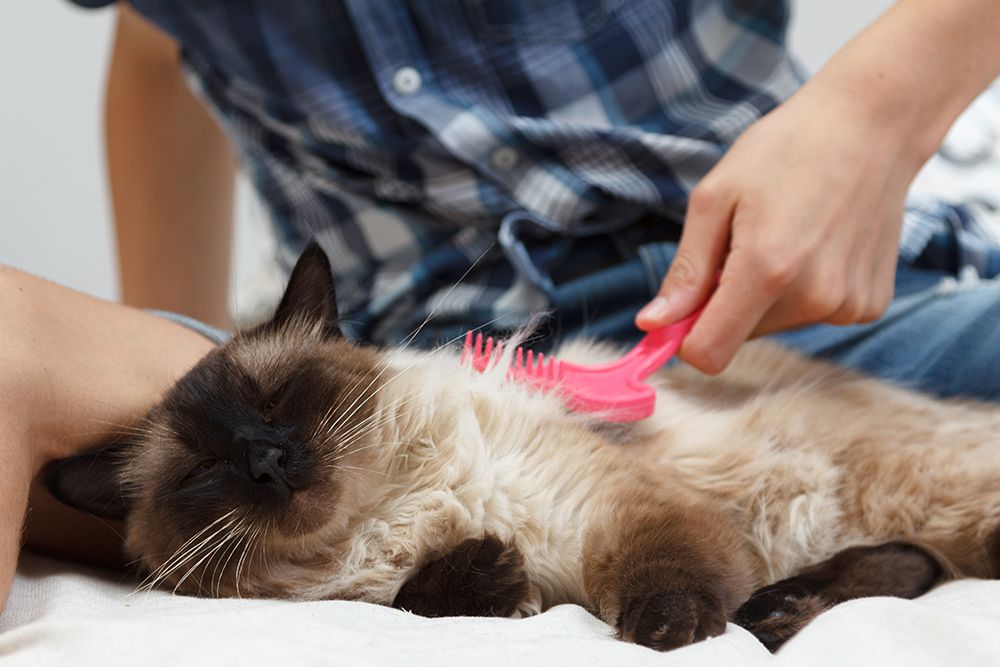
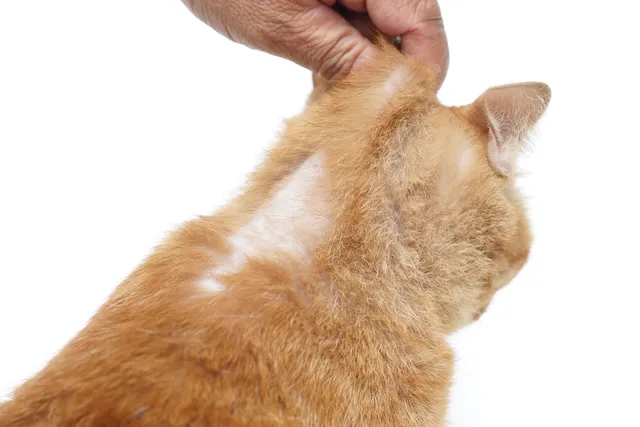
There are many reasons why a cat may lose their hair. For instance, surgeries often require that some of the fur is shaved. Some illnesses and underlying problems can cause hair loss as well. For instance, allergies can cause a lot of itchiness, and eventually even hair loss. Some cats have sensitive skin, which can cause hair loss for little reason.
No matter why your cat lost their hair, there are several things you can do to help grow it back. In this article, we’ll look at some of the best-proven ways to help your cat’s hair grow back.

The 9 Ways to Make Cat Hair Grow Back Faster
1. Treat the Underlying Condition
Your cat’s fur will not grow back until the reason is treated. Cats do not lose their fur for no reason. Unlike people, cats do not go bald with age. If your cat is losing their fur, it is time to consider a visit to the vet.
Several illnesses can cause hair loss in cats:
If you have any questions or concerns regarding your cat's health, you should get in touch with a vet for guidance.
2. Keep Up With a Brushing Routine
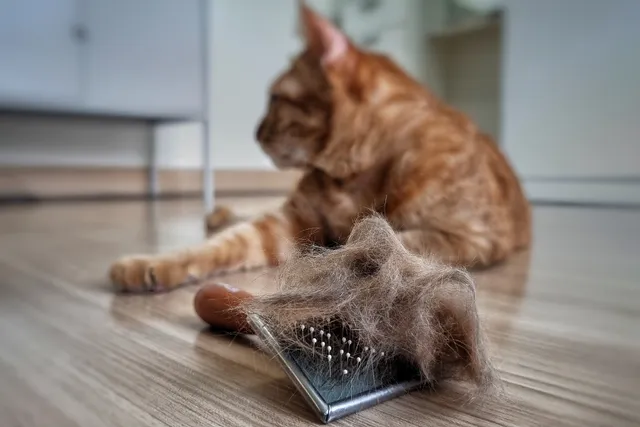
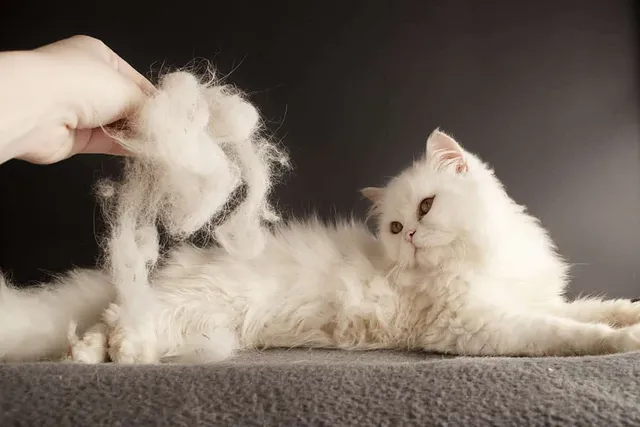
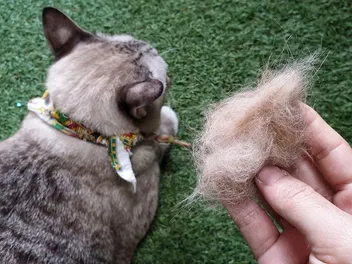
Brushing your cat regularly can help their hair grow back faster. Hairs can detach and become stuck between other hairs. This can hinder the growth of other hairs. The dead hairs can also combine with dirt and other debris to create mats, which can cause hair loss and prevent new hairs from growing. The best way to remove these hairs is to groom your cat regularly. Of course, mats can also cause skin irritation and other similar problems.
The best way to prevent these problems is to groom your cat regularly. You should brush your cat regularly to remove this unwanted hair and stimulate the growth of new hairs. Brushing can also cause your cat’s fur to thicken as more hairs grow in the same area.
Certain breeds need to be brushed more than others. Figure out how often your cat needs to be brushed and stick to it if you want to encourage hair growth.
3. Get Your Cat Checked for Other Illnesses
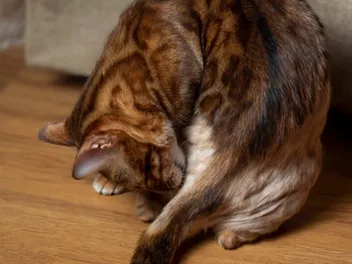
Grooming is soothing for many cats. Thus, many cats in pain will groom in an attempt to make themselves more comfortable. If your cat has an underlying illness that is making them uncomfortable, this can cause overgrooming. Cats are very good at hiding their illnesses, so the overgrooming behavior might be the only hint you get that they aren’t feeling well.
Arthritic pain is a prevalent cause of this issue. Your cat may groom the specific joints or their whole body. Your feline may need pain medication in this circumstance. Other chronic pain problems can also call for pain medication.
4. Check & Treat for Fleas
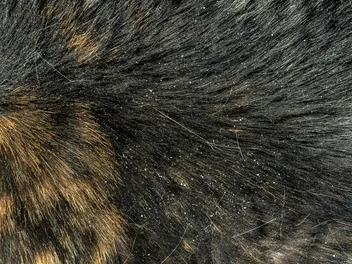
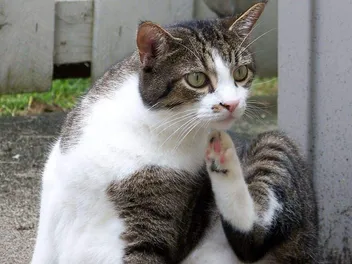
Fleas can be another common cause of hair loss, even if they aren’t technically considered an “illness.” The fleas can irritate your feline and cause them to overgroom and scratch, which can make their fair fall out over time. Fleas can be hard to find, but flea dirt is usually pretty easy to notice. It looks like tiny brown spots in your cat’s fur.
Your cat will need to undergo flea treatment. Usually, this is a topical medication. We recommend treating all the animals in your house and washing their bedding thoroughly.
5. Prevent Hair-Pulling
Strangely enough, some cats may pull their hair out. Usually, this is due to a psychological issue. These can range from things like obsessive-compulsive disorder to chronic stress. In these situations, cats may overgroom, which can lead to them pulling out their hair.
Some cats can even become “addicted” to licking their fur, as it produces endorphins. Cats may fall back on this when they are stressed or upset. It makes them feel better, but it can harm their fur and skin. Sometimes, secondary infections are even possible if the cat breaks the skin.

6. Add Supplements
Once your feline has been treated for the underlying cause (or didn’t lose their hair because of an underlying reason), then you may want to consider adding supplements to make their fur grow back quickly. You can start by simply using high-quality cat food, as these will often contain plenty of extra vitamins and minerals.
Omega fatty acids are essential for your cat’s coat health. While you can purchase supplements separately, the easiest thing to do is find food that includes added omega fatty acids. These are pretty common, so they shouldn’t be hard to find. Look for foods that contain fish, as these naturally contain omega fatty acids.
Zinc is also essential to regulate your cat’s fur growth. You should ensure that your cat’s food includes enough zinc for them to thrive. A zinc deficiency can cause a cat’s hair to fall out.
7. Consider a Dietary Change
Many cats lose their fur because of allergies. When a cat is eating a food they are allergic to, itching and red skin are common signs. If your cat scratches too much, they can begin to lose their fur. This is often referred to as over-grooming.
Typically, the only treatment for food allergies is to avoid whatever your feline is allergic to. This is often easier said than done, as cat food often contains many ingredients. It can be challenging to figure out what your feline is reacting to. Luckily, cats can only be allergic to proteins. Therefore, you can narrow it down by looking at the proteins in their current food.
You should purchase a new food that utilizes different proteins than the previous food your feline was eating. This is the best way to eliminate the scratching and allow the cat’s fur to grow back naturally. It can take up to 8 weeks to get the allergen out of your pet’s system, so patience is essential.
8. Consider Bathing Your Cat
Some cats can benefit from regular bathing. This helps remove loose hair and dead skin, which can block the growth of new hair. Bathing should only be done in moderation, however. It can strip your cat’s fur of natural oils, which can cause skin dryness and irritation. A bath once a month is likely plenty, though cats in need of medicated shampoo and topical medications may need to do it more often. Speak with a vet about how often you should bathe your specific feline.
Some cats love water, but most cats can’t stand it. You’ll likely have to convince your feline to get in the water, but many do get used to it in time.
The best pet shampoos are carefully formulated to clean your pet without causing irritation. Hepper's Colloidal Oatmeal Pet Shampoo does a great job of this by combining soothing ingredients like aloe vera and colloidal oatmeal. It is also pH-balanced and free of irritants like dyes, soaps, sulfates, and phthalates. You and your pet will both enjoy the fresh, clean scent, too!

- Only Natural Pet Shampoo - Our vegan, plant-based formulation is made with safe and natural pH-balanced ingredients to moisturize and soothe skin, leaving a fresh, soft and glossy coat to turn heads
- No Soap - A cat and dog wash free from soaps, glutens, dyes, DEA, sulfates and phthalates means it's a hypoallergenic dog shampoo for itchy skin / cat shampoo for itchy skin made with only good stuff
- Colloidal Oatmeal - Formula soothes and nourishes dry, irritated skin, providing itchy skin relief for dogs and cats alike. Trust us - they'll thank you with lots of licks!
At Catster, we’ve admired Hepper for many years and decided to take a controlling ownership interest so that we could benefit from the outstanding designs of this cool cat company!
9. Keep Your Cat Cool
Cats that are too hot may shed some of their furs to reduce the amount of body heat they maintain throughout the day. If your cat regularly overheats, they could lose substantial amounts of hair. This is their body’s way of trying to stay cool.
If you keep your cat cooler, this will be less of a problem, and they will maintain more hair.


Conclusion
Your cat’s fur can fall out for all sorts of reasons. Infections and parasites can cause the hair follicles to become damaged, which can cause your cat to lose hair. Treating the underlying condition will allow the hair to grow back. However, it's hard to know how long it takes for a cat's hair to grow back, and there is no guarantee that it will grow back quickly.
You can encourage your feline’s hair through regular grooming sessions and extra nutrients. However, no matter what you do, it will still require quite a bit of patience.
See Also:
Featured Image Credit: BravissimoS, Shutterstock
Expert cat care, straight to your inbox
News, insights, and useful advice, delivered to you.

No spam — unsubscribe anytime.
By signing up, you agree to our Terms & Conditions and Privacy & Cookies Policy.
How useful was this post?
Click a star to rate. You can leave written feedback afterwards. (We read all feedback.)
Christian started writing for a local newspaper as a teenager, and he's been involved in the publishing industry for most of his adult life. Combining his love of writing with a passion for animals, he is currently the Director of Editorial at Pangolia and the Editor-in-Chief at Catster.
Christian lives in the Philippines with his wife, son, and four rescue cats: Trixie, Chloe, Sparky, and Chopper.