Why Do Cats Shed So Much? 8 Possible Causes & When to Be Concerned


In this article
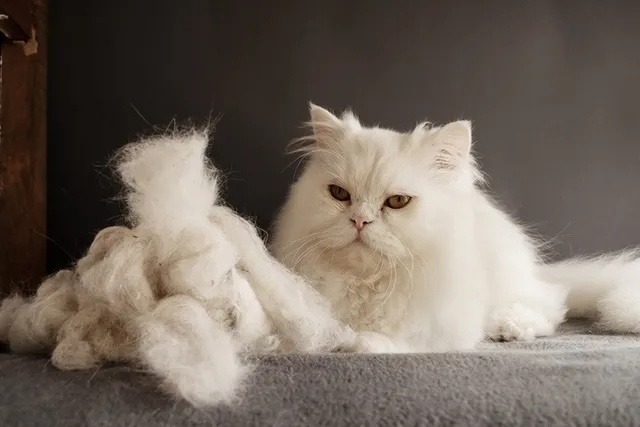
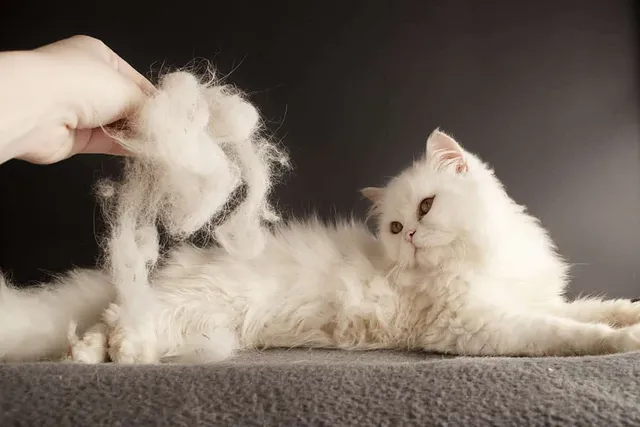
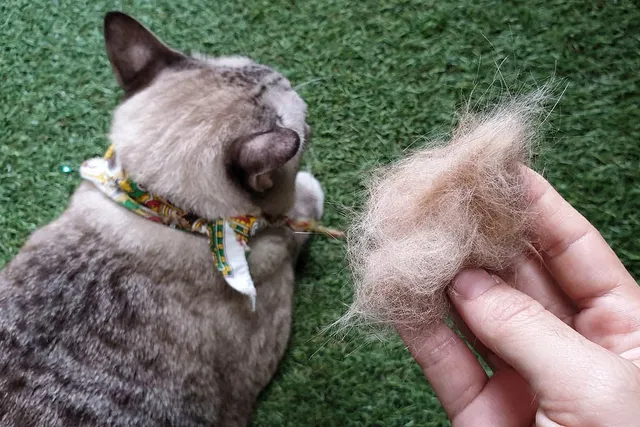
Shedding is a shared experience among cat owners. All cats with fur shed, even if they’re regarded as low-shedding or hypoallergenic breeds. So, it’s perfectly normal to find cat hair around your house. However, shedding does become concerning if you notice an increase in shedding or thinning areas on your cat’s coat. Increased shedding often indicates an underlying health concern that requires medical attention.
If you think your cat is shedding more than usual, it’s best to take them to a veterinarian for a thorough examination. Here are some possible reasons that cats may shed and how they can be treated.

The 8 Reasons Why Cats Shed So Much
1. Seasonal Shedding
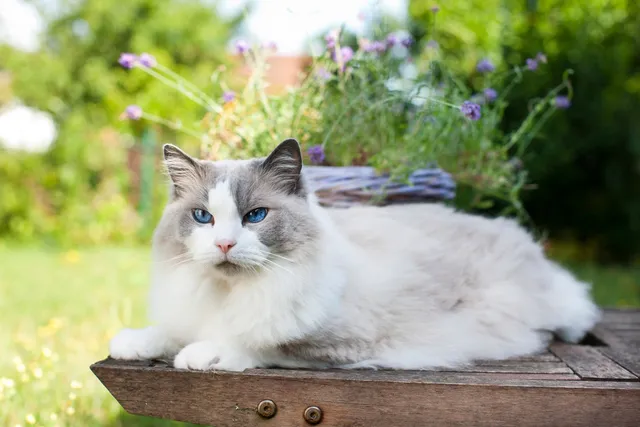
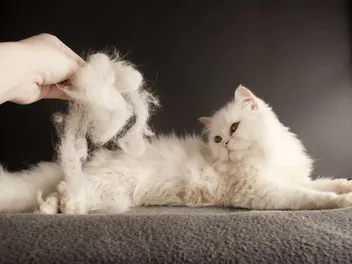
Many cat breeds are seasonal shedders that will shed heavily once or twice a year. Both single-coated and double-coated cats can shed seasonally, but it’s more prominent and noticeable with double-coated cats. Examples of cat breeds that are seasonal shedders include Maine Coons, Ragdolls, Persians, and Norwegian Forest Cats. They typically shed their winter coats during the spring, so you’re most likely to notice the most shedding in this season.

2. Allergies
Cats can develop allergies to all sorts of things in their environment, including pollen, dust mites and molds. Some cats have food allergies, most commonly to animal proteins such as beef, chicken or dairy.
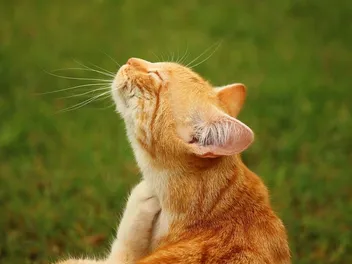
Allergies typically cause itchy, inflamed skin. Affected cats lick and scratch leading to an increase in hair loss and shedding, and thinning of the coat.
3. Infections and Diseases
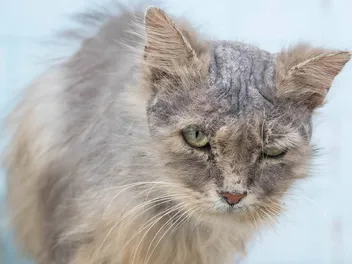
Sometimes, cats can get a skin disease or infection that will cause them to shed more. For example, irregular hair loss is a sign of bacterial and fungal infections. Ear infections can also result in hair loss around the ears from scratching and self-trauma.
Ringworm is a contagious fungal infection of the skin that usually causes patchy hair loss, with thickened scaly skin. Infection is more common in younger and longhaired cats, although any cat can be affected.

4. Stress
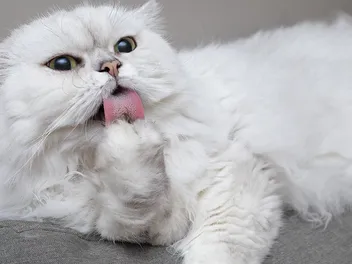
Just like how stress can lead to hair loss in humans, cats can start to shed more heavily when under stress. It’s common for cats to lose more hair when they’re overgrooming due to feeling stressed out. When the hair loss and self-trauma has behavioral causes then it is called psychogenic alopecia. To diagnose vets need to rule out medical causes for overgrooming first.
Many different factors can cause stress in cats. Changes in routine, boredom, loud noises, and moving to a new home can all cause cats to feel anxiety or stress. Stressed-out cats often engage in other types of behaviors. Other common behaviors linked to stress include being withdrawn or needy, changes in eating habits, eliminating outside the litter box, and scratching or destroying furniture.
5. Aging
You may notice more hair loss as your cat gets older. It’s common for senior cats to groom themselves less because it becomes more difficult for them to reach certain areas of their body. Therefore, your cat’s sudden increase in shedding may not necessarily be because your cat is losing more hair. It may be due to a decrease in self-grooming. Some older cats may appreciate getting a little extra help by getting brushed more frequently, this removes dead hair from their coat, reduces shedding and prevents their fur getting matted.

6. Parasites
Parasitic infestations are another common culprit for increased shedding and hair loss in cats. Fleas and mites located on the skin and coat can cause itchiness and irritation, and some cats are allergic to flea saliva which means they have a more extreme reaction when bitten by fleas.
As the infestation spreads, your cat will continue to lick and scratch their skin, which causes more hair to fall out.
7. Poor Nutrition
Diet plays an essential role in the maintenance of healthy skin and coat. Along with adverse reactions to food, nutritional deficiencies can also cause skin conditions and result in loss of hair and increased shedding. Cats must have daily access to a complete and balanced diet that contains all the essential nutrients they need to stay healthy. Cats that don’t consistently get their nutritional needs met will inevitably become malnourished and have an increased risk of developing health complications including a poor quality coat with dry brittle hair that breaks easily leading to hair loss.
Many different nutrients are necessary for maintaining healthy skin and coat. These include adequate protein and fat levels, omega fatty acids, vitamin A, and Biotin.

8. Medication
Some medications have side effects that cause hair loss. Certain topical medications, such as parasitic treatments, may cause cats to lose hair around the application site. Steroids, particularly at high doses, are also known to cause hair loss in some cats. In rare cases, cats can lose hair around the injection site after they’ve gotten a vaccine.

Preventing Excessive Shedding in Cats
All cats will shed, but it’s still important to be vigilant and ensure that the level of your cat’s shedding is healthy and normal.
Regular Grooming
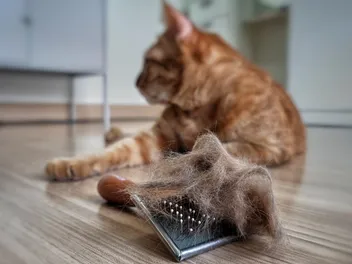
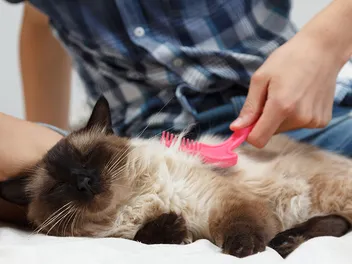
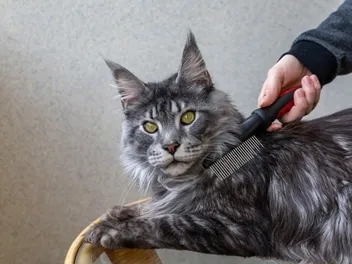
Another way to manage shedding is to establish a grooming routine for your cat. This includes regular brushing, and occasional bathing for some cats. Brushing helps lift loose and dead hair from your cat’s coat so that less hair lands on your carpets and furniture. While you’re brushing your cat, you can check for any abnormal coloring, skin issues, and signs of parasites.
Routine Vet Visits
One of the best ways to prevent excessive shedding in cats is to stay on top of your cat’s annual veterinary appointments. Getting your cat checked every year by a veterinarian will ensure your cat is happy and healthy, and it enables a veterinarian to detect any potential risks to your cat’s health. You should always consult with a veterinarian if the shedding is accompanied by other signs such as thinning of the hair coat, bald patches, itchiness or skin rashes. The veterinarian can assess whether your cat’s shedding is normal or requires further action.
Maintaining A Healthy Lifestyle
Helping your cat maintain a healthy lifestyle can help keep shedding at normal levels. Since stress can lead to hair loss, it’s important to ensure your home is both an enriching and safe environment for your cat. Make sure your cat has plenty of safe spaces where they can hide and rest, and lay out fun toys that’ll engage your cat and prevent boredom. Creating a daily routine can be particularly helpful for anxious cats. They can find comfort in knowing what to expect and feel more at ease.
Conclusion
Cats can shed excessively for a variety of reasons. Too much shedding, particularly when accompanied by a thinning of the coat or bald patches, is often a sign of a bigger health concern that requires an appointment with a veterinarian. However, some cat breeds do shed more than others. Fortunately, you can take active steps to make the shedding more manageable. Establishing a consistent grooming routine can help reduce shedding in the house and keep your cat’s coat healthy and shiny.
Sources
Featured Image Credit: New Africa, Shutterstock
Expert cat care, straight to your inbox
News, insights, and useful advice, delivered to you.

No spam — unsubscribe anytime.
By signing up, you agree to our Terms & Conditions and Privacy & Cookies Policy.
How useful was this post?
Click a star to rate. You can leave written feedback afterwards. (We read all feedback.)
Jessica is a freelance writer who spends most of her day researching and writing while her fluffy Cavapoo, Nora, naps beside her. She loves and appreciates pets and animals because there’s so much to learn from them, and they do so much for people. As a dog owner, she understands the special connection that pet owners form with their pets. She loves sharing helpful information that people can use to better understand their pets. When she’s not writing, you can find her walking dogs, tending to her plant babies, or drinking her nth cup of coffee.