How Often Should You Take Your Cat to the Vet? What Vets Recommend

In this article
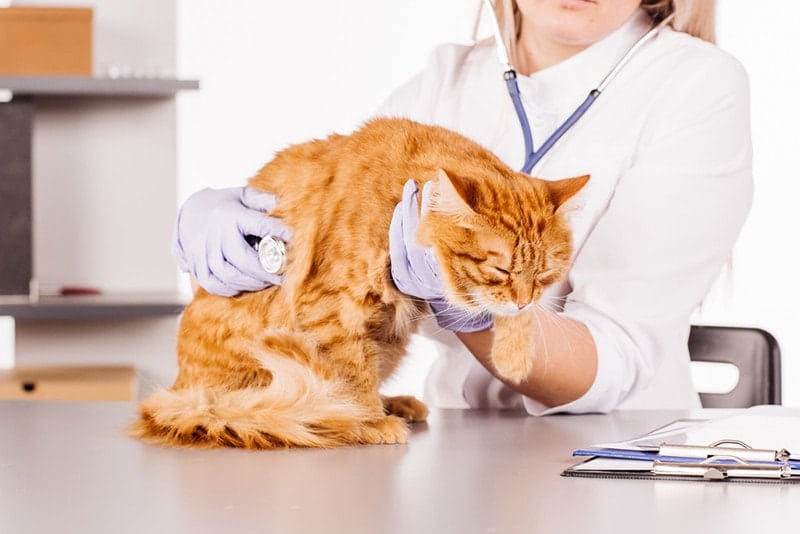
One of the best ways to love your kitty is to get regular veterinary care. But how often is "regular?"
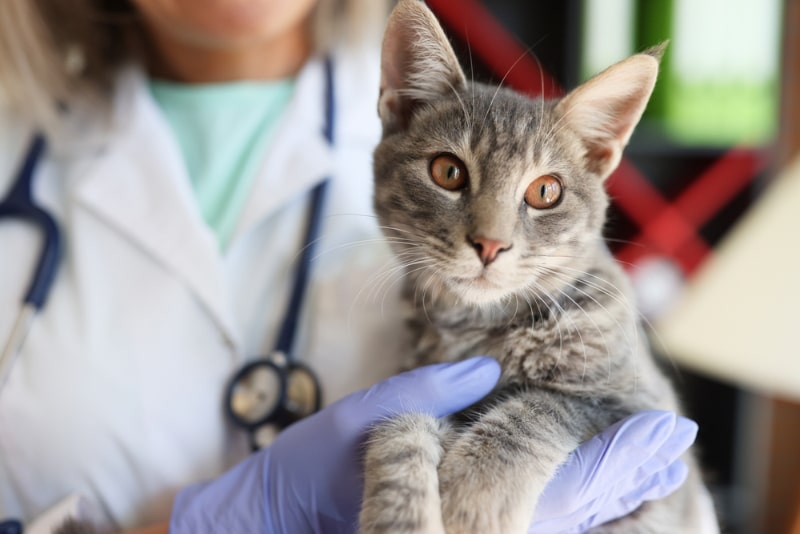
Unfortunately, there's a belief that cats don't need vet care as much as dogs. But as a loving cat parent, it is crucial to take your cat for a vet visit at least annually, or more if your cat has other health needs.

Kitten Vet Care
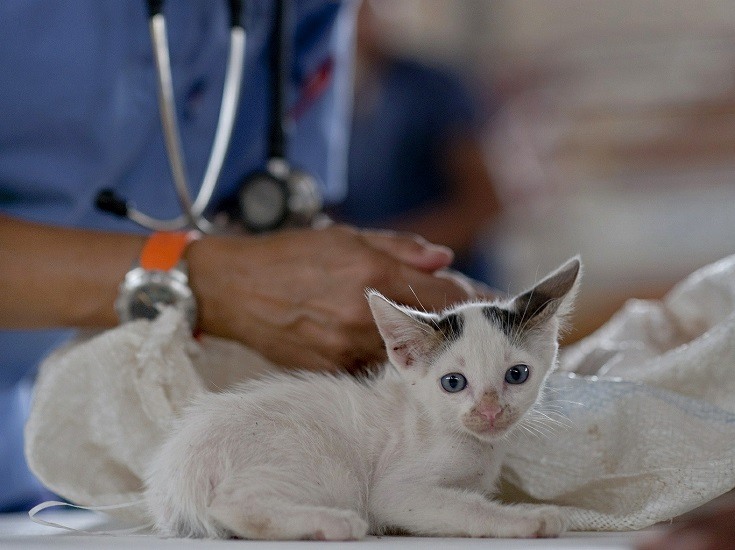
New cat parents should schedule an appointment with a vet soon after adoption. It'll provide an opportunity for you and your chosen vet to discuss the necessary vaccination and neutering schedule for your kitten's first year. In addition, the vet will be able to start a medical record that tracks your kitten’s relevant medical history, alongside other information (such as their weight gain pattern).
Kittens should start their vaccinations when they are around 8–9 weeks old to protect them from serious diseases like feline parvovirus, feline calicivirus, and feline herpesvirus. Vaccines are usually given every 2–4 weeks, with the final dose at 16 weeks or older. This schedule helps ensure the vaccine works properly, even if some protection from their mother’s milk is still in their system.
If your kitten can only get one vaccine, it’s best to wait until they’re at least 16 weeks old. A booster shot is recommended around 6 months of age to make sure they’re fully protected.
Before getting vaccinated, your kitten should be healthy. While there’s no strict rule to wait a certain amount of time after adoption, giving your kitten a chance to settle into their new home and watching for any health concerns is a good idea. A quick check-up with a vet after bringing your kitten home will help you plan the right vaccination schedule for them.
In addition to vaccinations, a vet will also help formulate an internal and external parasite control regimen that’s appropriate for your kitten. These regular treatments are designed to ensure your kitten is free of intestinal worms, mites, fleas, and other parasites.
Most cats are also spayed or neutered in the first 4-6 months of their life to prevent unwanted litters and unwanted behaviors associated with feline mating (caterwauling, escaping, spraying, and so on). An appropriately timed spay or neuter procedure also offers better protection against some diseases and ailments which may happen later in life.
Adult Cat Vet Care

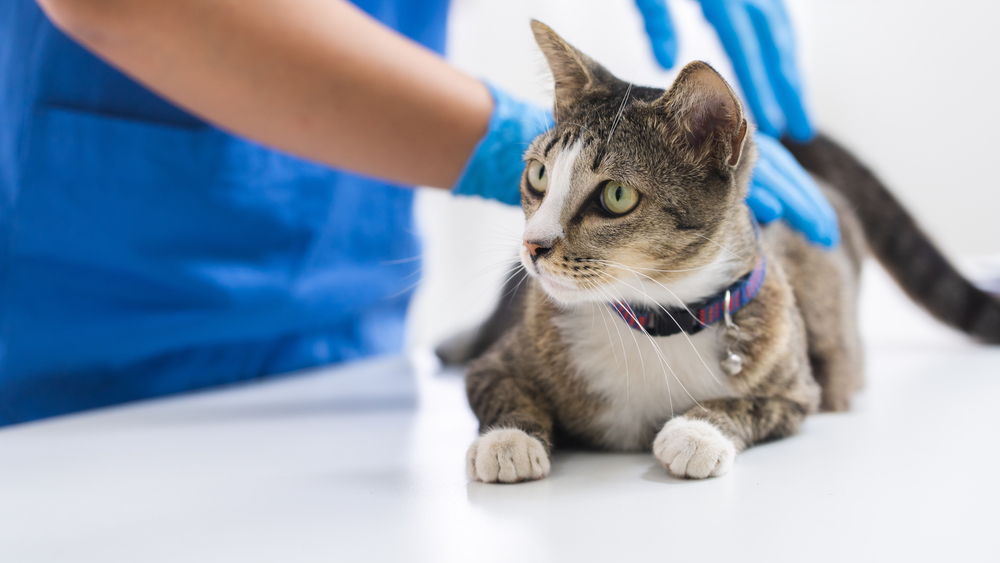
The adult years of a cat’s life usually involve annual visits to a veterinarian for otherwise healthy cats to ensure that they are indeed healthy, and to administer any vaccination boosters needed (this depends on where you reside and the updated recommended guidelines and products in the market). Most veterinarians also recommend a dental cleaning procedure with this visit, along with a blood and urine test, to have a record of your cat’s health status.
Elder Cat Vet Care

Senior cat vet visits generally start when your cat reaches 8-10 years. Most veterinarians often recommend bi-annual visits for healthy senior cats. Assessing their health more frequently increases the odds of identifying any potential issues or ailments sooner rather than later.
Though old age itself isn’t a disease, it is during the golden years that certain diseases most commonly develop. The term used is “age-related diseases” or “geriatric diseases” but “degenerative diseases” are also more likely. That being said, contrary to popular belief, it is entirely possible for senior cats to live a healthy, pain-free life with proper veterinary and at-home care.

The 6 Signs That a Cat Needs to See a Vet
1. Change in Appetite
Cats instinctively mask pain whenever possible, however, an early indication of things going awry is a sudden increase or decrease in your cat's appetite.
This applies to their hydration as well. An increase in thirst or an increase in litter box usage may hint at potential issues, like urinary issues or even diabetes.
2. Excessive Fatigue
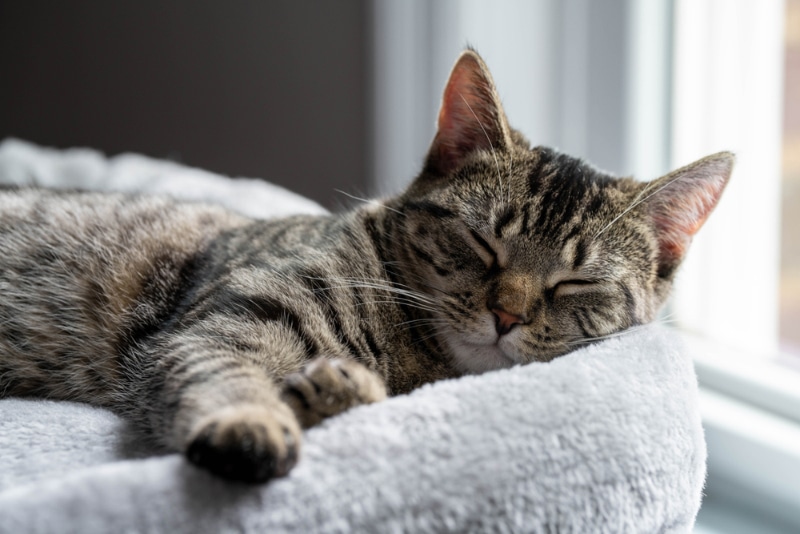
Contrary to popular belief, cats aren’t lazy or inactive all the time. That’s why it’s important to pay attention if your cat suddenly seems unusually tired or less energetic. You might notice this if your cat no longer shows interest in things they usually enjoy, starts sleeping much more than usual or avoids interacting with people or other pets.

3. Changes in Your Cat's Urine and Fecal Output
While in some occasions a kitty's undesirable toilet habits are rooted in behavioral problems. It is also important to consider that if a well toilet trained cat starts avoiding urinating in the litter box, they could be suffering from a urinary or digestive medical issue.
4. Abnormal Gait
If your cat is limping, avoiding putting weight on a leg, or appears to be struggling to walk, they should be looked at by a vet as soon as possible.

5. After a Major Trauma
Check in with a vet if your cat fought with another animal, if they had an unfortunate accident, or if they went missing and are acting strange upon return.
6. A Lump or Unusual Growth
Some bumps may appear harmless, however, any abnormal bump or growth you notice anywhere on your cat’s body warrants medical attention from a veterinarian.

Summary
Routine veterinary visits are key to ensuring your cat’s welfare throughout their life. Though kittens and senior cats often require more frequent visits to a veterinarian than a healthy adult cat, it is still important to keep an eye out for possible signs that your cat might be suffering from an ailment which requires medical care.
See Also:
The Importance of Regular Cat Checkups: Vet Reviewed Benefits
Vet Checklist: What to Bring to Your Cat’s First Visit (Vet-Approved)
Featured Image Credit: Andrey_Kuzmin, Shutterstock

Expert cat care, straight to your inbox
Vet-reviewed advice, behavior tips, and the best of Catster. Free, and you can unsubscribe anytime.
By signing up, you agree to our Terms & Conditions and Privacy & Cookies Policy.
Emma is a freelance writer, specializing in writing about pets, outdoor pursuits, and the environment. Originally from the UK, she has lived in Costa Rica and New Zealand before moving to a smallholding in Spain with her husband, their 4-year-old daughter, and their dogs, cats, horses, and poultry. When she's not writing, Emma can be found taking her dogs for walks in the rolling fields around their home...and usually, at least some of the cats come along, too! Emma is passionate about rescuing animals and providing them with a new life after being abandoned or abused. As well as their own four rescue dogs, she also fosters dogs for re-homing, providing them with love and training while searching for their forever homes.
Join the conversation
Ask a question, share your story, or send private feedback.