Can Cats Get Strep Throat? Vet-Reviewed Signs, Treatment & Prevention

In this article
Cats, like all living things, are vulnerable to various diseases, including bacterial infections. But can cats get strep throat? Cats can contract different strains of Streptococcus, most commonly S. canis. However, in extremely rare cases, they can contract the strain group A Streptococcus, which in humans causes “strep throat.”
Can cats get strep throat like humans do? Let’s find out.

Signs of Streptococcal Infections In Cats
Strep throat is a bacterial infection in people caused by group A Streptococcus, also called Streptococcus pyogenes. According to current publications and a “medical mystery” article in the Washington Post, it is very unlikely that a cat will catch this from their human family. However, as the story outlines, it does happen at times.1
When group A strep is present in cats, they tend not to display any signs, with the bacteria resting in their throat, nose, or fur. However, a study published in 2020 has shown that S. pyogenes is present in a very small percentage of cats (and dogs) suffering from respiratory illness, while some of the strains were resistant to penicillin and other antibiotics.2
A scientific paper published in 2023 presented what seemed to be the first recorded case of a human contracting Streptococcus zooepidemicus, a strain usually present in horses, pigs, and dogs.3 This strain is becoming more common in feline respiratory cases, and the person in question seemed to have contracted it from their ill cat.
Cats are much more likely to carry a strain of strep called Streptococcus canis, which has been occasionally isolated in humans with different skin, joint, urinary, or respiratory infections.
This streptococcal strain is a normal part of the bacterial microflora in cats, residing in the mouth, upper respiratory tract, genital organs, and perianal region. Not all cats develop a clinical illness, but it depends on many factors, such as their age, underlying illness, stress, immune system, and others.
Cats with this form of strep may develop the following conditions and corresponding signs:
In serious cases, illness may sometimes lead to fatal meningoencephalitis or sepsis, particularly in neonatal kittens or shelter animals.
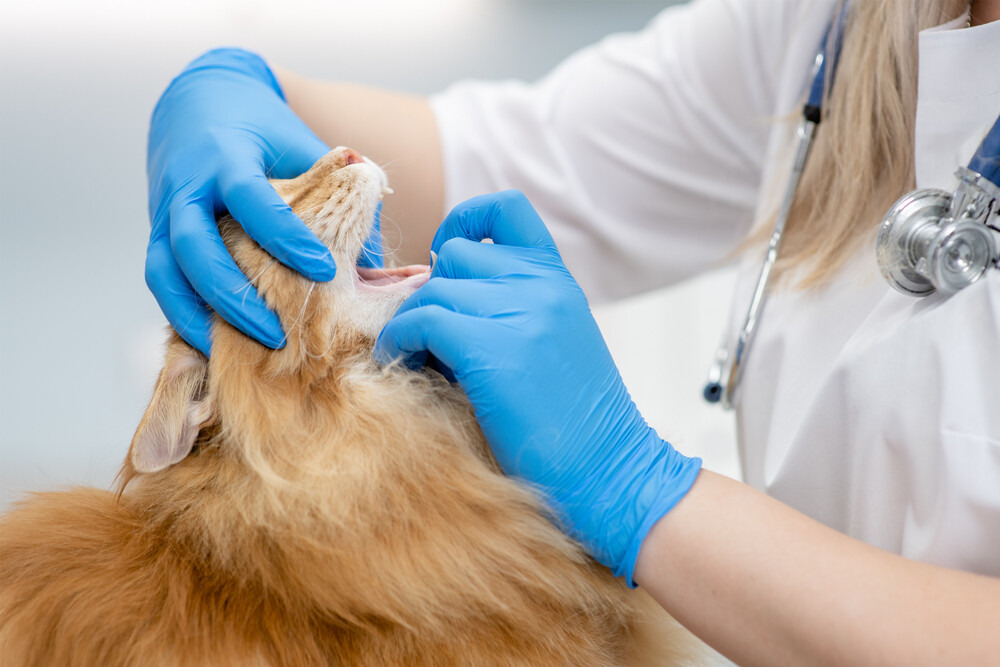
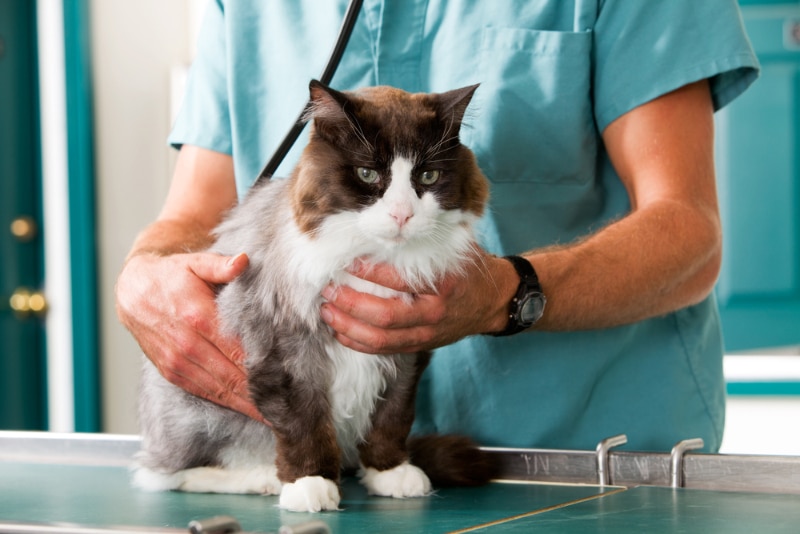
If your cat shows signs of the symptoms above or you suspect they might be suffering from underlying health issues, you should contact your vet.
How to Treat Strep Throat In Cats
Though having strep throat may sound like a simple infection, it can lead to serious complications if not treated in time. Anytime you notice your cat acting not eating as well, being lethargic or withdrawn, having breathing issues or nasal discharge, or behaving as if in pain, stay on the safe side and give your vet a call.
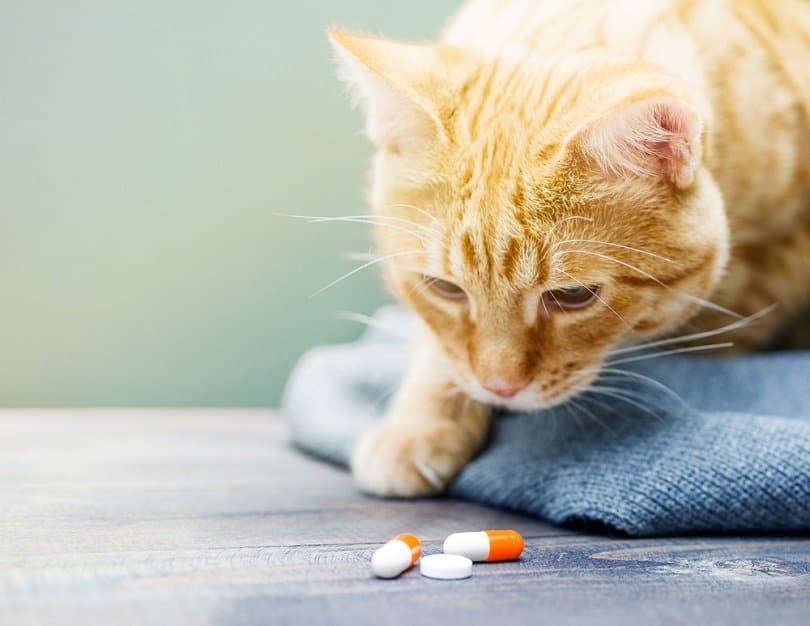
Because all of the variations of strep are bacterial infections, a round of antibiotics prescribed by your vet is required for your cat if they have strep. Your vet will also likely tell you to encourage your cat to drink more water and to be tempted with wet or warmed-up food, as hydration also aids in speeding up recovery. If your cat stops eating or drinking, they should return to your vet promptly.
In addition to these requirements, you should give your cat more TLC than usual, pampering and reassuring them while providing privacy from other pets and family members.
If you or another family member are experiencing any signs of a sore throat or tonsillitis, please consult your doctor as soon as possible.
Strep Throat in Cats Prevention
Streptococcus Canis
To prevent or reduce the chances of your cat developing clinical illness due to S. canis bacteria, you first need to understand which populations are more vulnerable to the disease.
Kittens are particularly sensitive, especially if they have not had an adequate amount of high-quality colostrum that ensures the transfer of maternal antibodies, and their immune systems still need to develop sufficiently to combat the bacteria. Conversely, senior cats may also have a compromised immune system due to old age or underlying illness.
With these vulnerable groups, be extra careful to keep them isolated from big groups of other animals, like in a kennel or a multi-cat household. In such scenarios, they are more likely to get infected with strep. Healthy animals with no signs of illness may spread the bacteria to more susceptible animals.

Group A Streptococcus
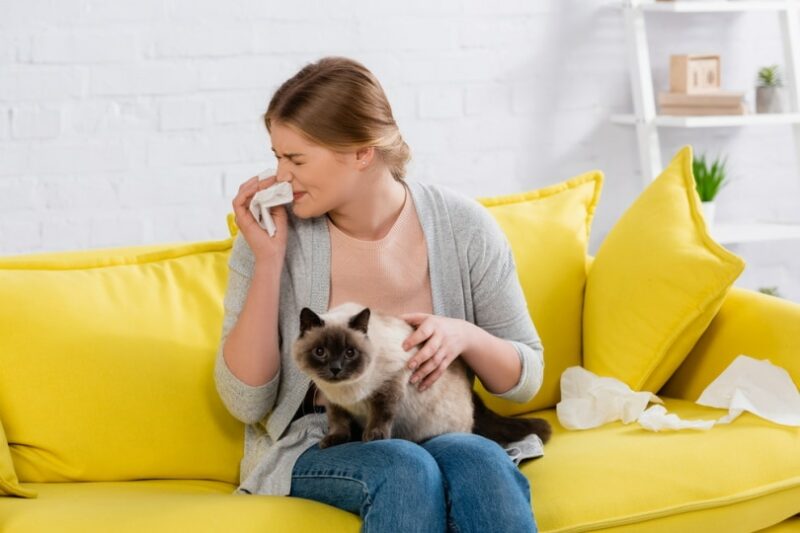
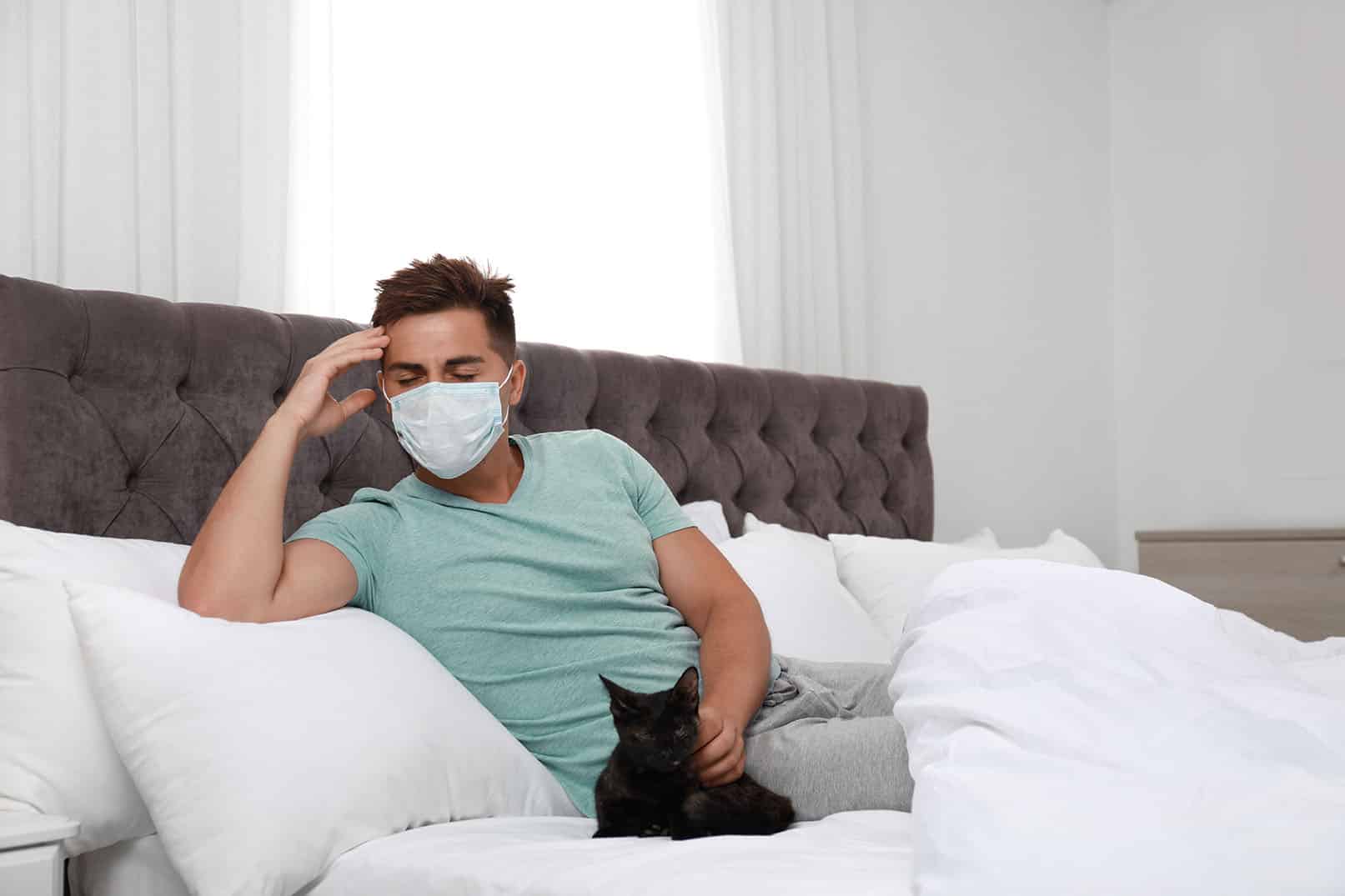
For classic “strep throat” prevention, minimize contact with family members known to have strep throat with your cat until they are better. This strep is transmitted through droplets sneezed or coughed into the air or through shared drinks and food.
So, this means no shared food with an infected person and a cat, which you shouldn’t do anyway due to many human foods being potentially harmful or unhealthy for cats, and definitely no getting your face close to your kitty if you have a sore throat.
Conclusion
Cats harbor their own strains of Streptococcus, and some have the potential to cause health issues. However, the classic strep throat people commonly get rarely affects cats. When it comes to streptococci, most cats will experience no signs at all and look like very healthy cats. In contrast, young kittens, senior cats, and those with underlying illnesses exposed to stress or overcrowding, such as cats in shelters or multi-cat households, may be more prone to developing clinical illness. If your cat seems sick or in pain, talk to your vet straight away to get the help you need.
Related Reads:
Can Cats Catch the Flu from a Person? Everything You Need to Know!
Pneumonia in Cats: Causes, Signs & Care (Vet-Approved Explanation)
Sources
Strep throat infections kept recurring despite antibiotics - The Washington Post
Zoonotic risks of pets: How to handle questions | American Veterinary Medical Association
Streptococcus canis infections in humans: retrospective study of 54 patients
Streptococcal infections in cats: ABCD guidelines on prevention and management
First Case of Zoonotic Transmission of Streptococcus equi Subspecies zooepidemicus From Cat to Human
Streptococcus Infections in Dogs and Cats - An Underestimated Pathogen - WSAVA 2017 Congress - VIN
Streptococcus pyogenes: Infectious substances Pathogen Safety Data Sheet
Featured Image Credit: Suzanne Tucker, Shutterstock

Expert cat care, straight to your inbox
Vet-reviewed advice, behavior tips, and the best of Catster. Free, and you can unsubscribe anytime.
By signing up, you agree to our Terms & Conditions and Privacy & Cookies Policy.
Jordin Horn is a freelance writer who has covered many topics, including home improvement, gardening, pets, CBD, and parenting. Over the years, she has moved around so much that there's been no time to settle down and own a pet. However, as an animal lover, she dotes on and cuddles any pet she happens upon! She grew up with and dearly loved an American Eskimo Spitz named Maggie and a Pomeranian/Beagle mix named Gabby. She calls Colorado home, but has also recently resided in China, Iowa, and Puerto Rico
Jordin does not like to settle for the "easy answer" when it comes to living life with your pet. She loves to research the best methods and products out there and cut through the jargon so you can see plainly what something is or how something is done.
Join the conversation
Ask a question, share your story, or send private feedback.