Pneumonia in Cats: Causes, Signs & Care (Vet-Approved Explanation)

In this article
Cats rely on healthy lungs to breathe normally, just as humans do. Any health condition that impacts the lungs’ ability to function is potentially dangerous for the cat, and pneumonia is one of the medical concerns. In this article, we will discuss what pneumonia is and what causes the disease in cats. We will also discuss the most common signs of pneumonia and how it’s treated, including what care you can expect to provide your sick kitty at home.

What Is Pneumonia?
By its simplest definition, pneumonia is an infection of the lungs. The inflammation leads to trouble breathing and insufficient oxygen in the cat’s blood. When healthy, the cat’s lungs push air in and out of the body, a process known as ventilation. Once inside the lungs, oxygen from the air is removed and replaced with carbon dioxide, which needs to leave the body.
The cat breathes out the waste carbon dioxide while the oxygen passes into the bloodstream and is distributed throughout the body. Pneumonia impacts lung function because it disturbs the vital oxygen distribution. The inflamed lungs often contain biological material like blood or fluid, which blocks oxygen from passing into the blood.
When inflamed, the lungs may not expand enough and limit the amount of air the cat can breathe in. A lack of oxygen in the cat’s blood impacts every body part and can be life-threatening if not treated quickly.

What Are the Signs of Pneumonia in Cats?
Some signs of pneumonia vary slightly depending on what’s causing your cat’s lung inflammation.
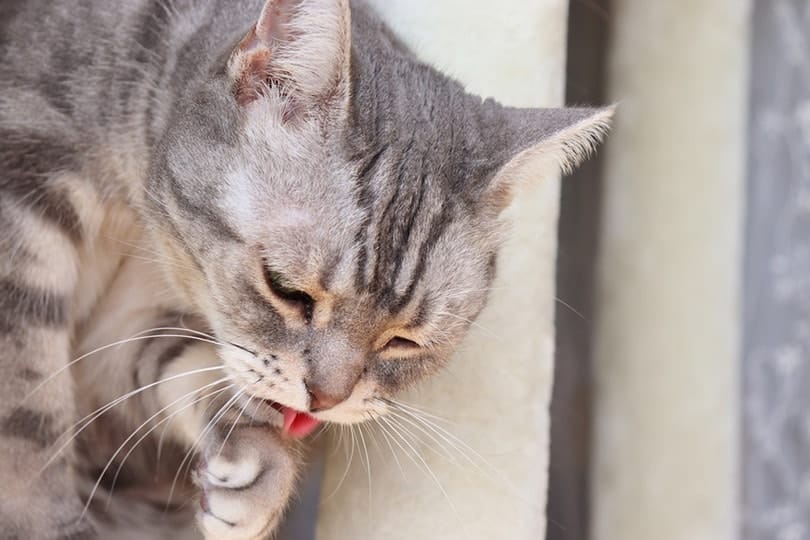
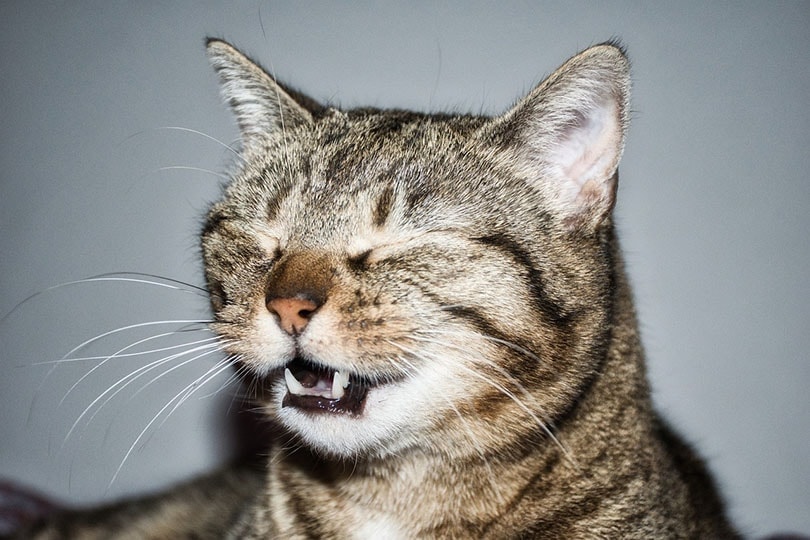
Here are some common early signs of pneumonia:
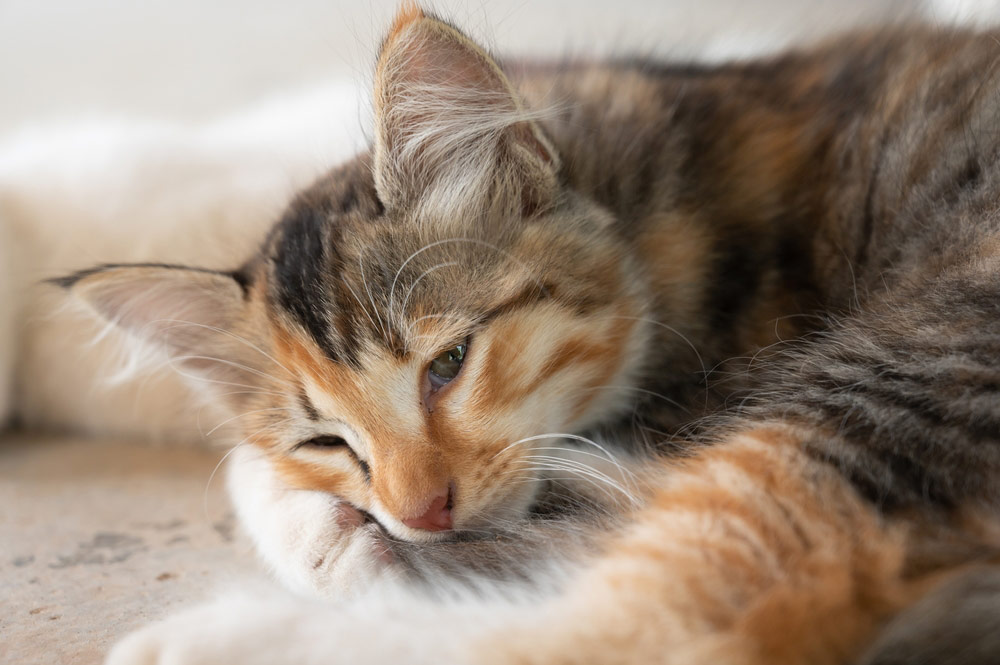
Your cat may also display signs of not feeling very well, such as a loss of appetite and lethargy. If your cat’s pneumonia progresses, you may notice more concerning signs, such as breathing with their mouth open and a bluish color to their gums.
What Are the Causes of Pneumonia in Cats?
Because the term pneumonia describes generalized lung inflammation, it’s essential to determine precisely what is causing that inflammation for effective treatment.
There are four leading causes of pneumonia:
Aspiration pneumonia occurs when the cat inhales something foreign, such as vomit, medication, or food. Unlike air, the cat can’t breathe the substance back out, so it remains in the lungs, blocking the oxygen's movement. Cats that are sedated or under anesthesia are also at risk of the condition because the gag reflex doesn’t function when they’re knocked out.
Upper respiratory viruses are common in cats and can sometimes spread to the lungs, causing pneumonia. Cats with feline leukemia or feline immunodeficiency virus (FIV) are more at risk for pneumonia because of their weak immune systems.
Bacteria can also cause pneumonia, possibly when an infection somewhere else in the body moves to the lungs from the bloodstream. Cats with viral pneumonia can develop a bacterial infection as a complication. Fungal pneumonia is uncommon in cats but does occur. Generally, an infection occurs when the cat inhales fungal spores that develop naturally in the soil.
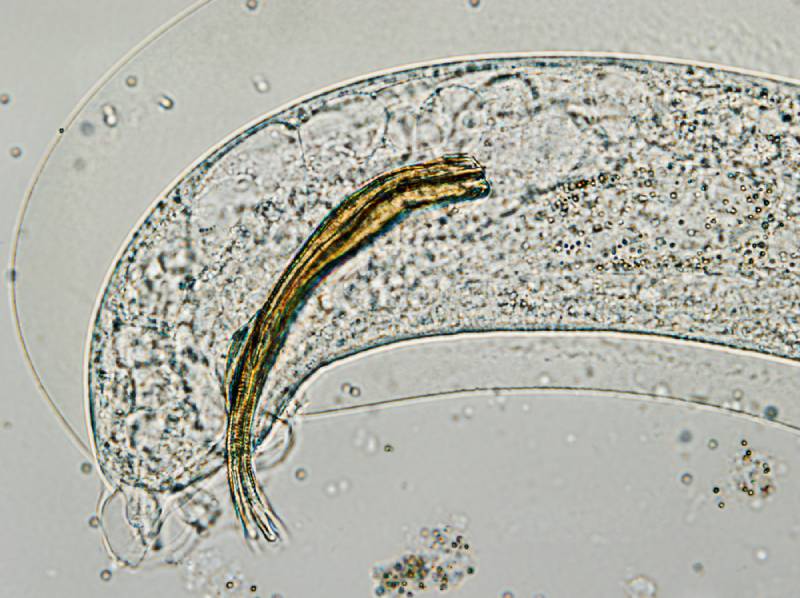
Parasitic pneumonia is even rarer in cats. It’s caused by lungworms and generally only impacts stray and outdoor cats.

How Do I Care for a Cat With Pneumonia?
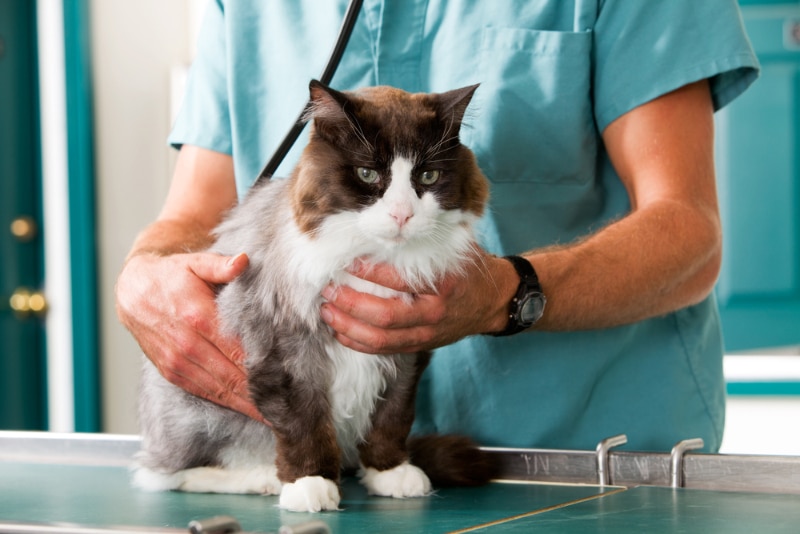
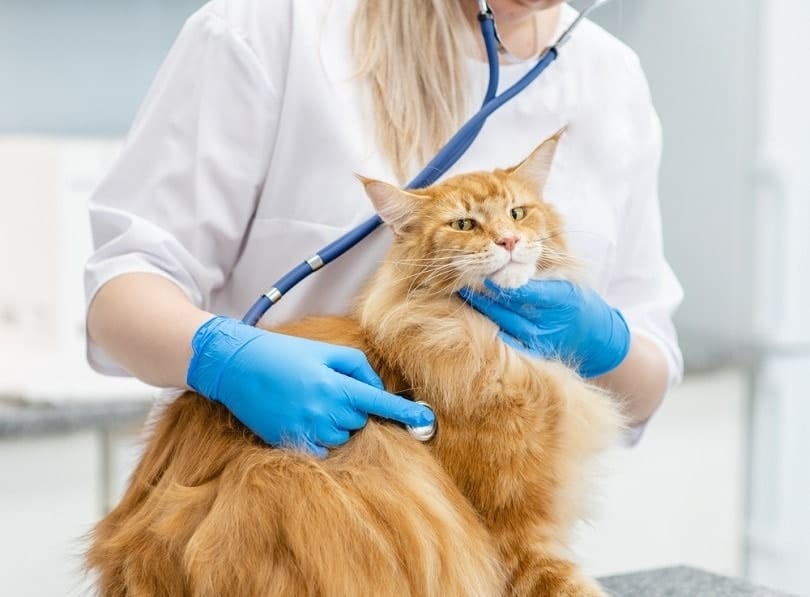
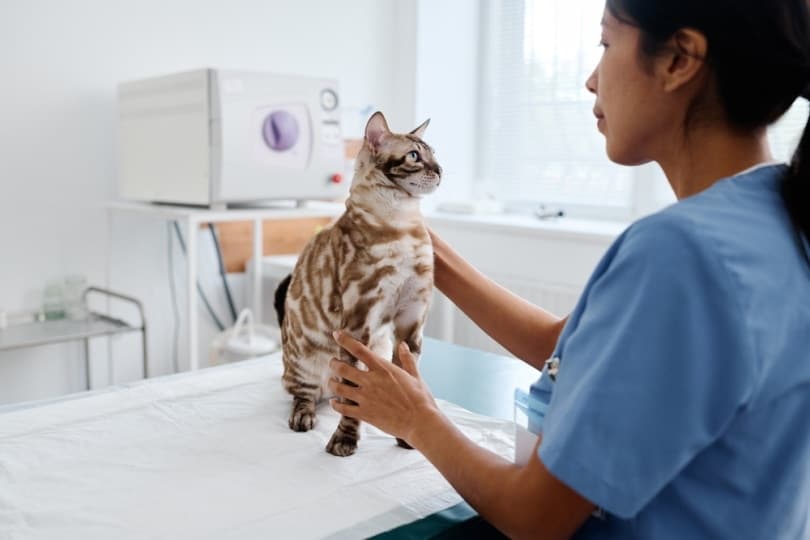
The proper care for a cat with pneumonia will vary depending on the type of pneumonia and how sick they are. The first step is getting your cat to the veterinarian to diagnose the pneumonia. Your vet will listen to your cat’s lungs and ask questions about their health history, including whether they could have aspirated anything.
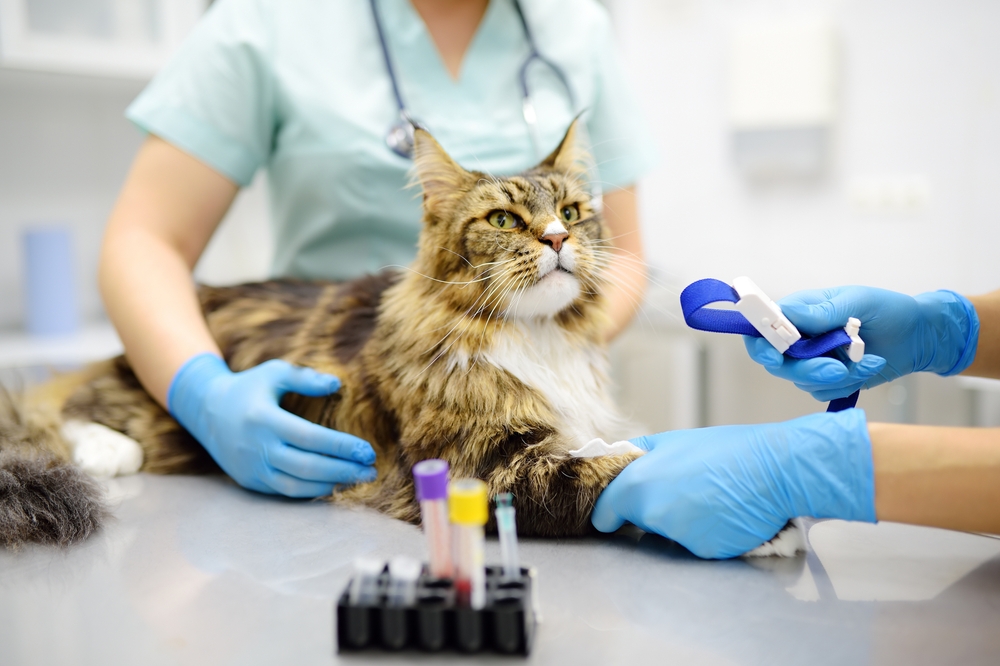
They may suggest other tests, like chest X-rays and bloodwork, to check for viral diseases. Sometimes, your cat will need specialized procedures to diagnose fungal pneumonia or determine the specific type of bacteria causing an infection. If so, your vet may refer you to a specialist if one is available in the area.
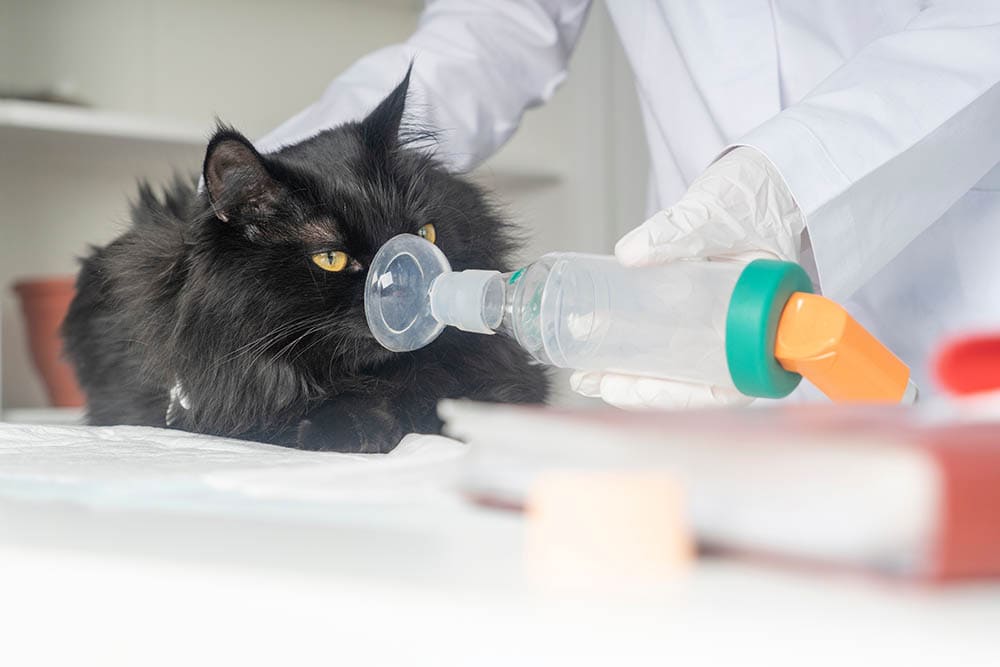
Once pneumonia is diagnosed, the next step is for your vet to determine how sick your cat is and whether they can be treated at home or in the hospital. Very sick cats may need IV fluids, medications, and oxygen to recover.
If your vet catches pneumonia early, you may be able to treat your cat at home. If a virus causes pneumonia, there is usually no effective medication. You must keep your cat warm and ensure they continue eating and drinking normally. Your vet may ask you to count your cat’s breathing rate several times daily and call or come back to the hospital if it increases.
You’ll generally need to give antibiotics or anti-fungal medications at home for bacterial and fungal infections. Drugs to calm inflammation and open the airways are sometimes prescribed. In the rare case of parasitic pneumonia, your cat will need medications to kill the lungworms.
Pneumonia can worsen before it gets better, so if you care for your cat at home, monitor them carefully. Successfully treating pneumonia can be a long process that does not end until the cat’s lungs are clear. Your vet may want to recheck chest X-rays multiple times before confirming that the pneumonia is gone.

Frequently Asked Questions (FAQs)
Is Pneumonia in Cats Contagious?
Fungal, parasitic, and aspiration pneumonia are generally not contagious. Occasionally, bacterial or viral pneumonia may be contagious to cats and dogs. Your vet will advise you whether you need to keep the sick cat separated from other pets while they recover.
You must also avoid letting the sick cat share dishes, toys, or other items. Some infectious causes of pneumonia can spread through these methods. After caring for your sick cat, wash your hands to avoid carrying germs to healthy pets.
Can Pneumonia in Cats Be Prevented?
Bacterial and viral pneumonia usually can’t be prevented. Keeping your cat indoors will minimize their risk of encountering parasites or fungi. Don’t let your cat dig in the soil of indoor potted plants, either.
One common cause of aspiration pneumonia is inhaling liquid medication. Many cats are hard to medicate, and the risk of inhaling the liquid increases if it’s difficult to administer. If you give your cat liquid medicine, do so slowly to give them time to swallow.

Conclusion
Any condition that harms a cat’s breathing ability can be frightening for an owner. Pneumonia is life-threatening if left untreated. As with most medical problems, the earlier treatment can begin, the better. If you suspect your cat has pneumonia, see your vet immediately. Anytime your cat has trouble breathing, treat it as a medical emergency and get to the closest vet!
Sources
Featured Image Credit: SeagullNady, Pixabay

Expert cat care, straight to your inbox
Vet-reviewed advice, behavior tips, and the best of Catster. Free, and you can unsubscribe anytime.
By signing up, you agree to our Terms & Conditions and Privacy & Cookies Policy.
Elizabeth Gray is a lifelong lover of all creatures great and small. She got her first cat at 5 years old and at 14, she started working for her local veterinarian. Elizabeth spent more than 20 years working as a veterinary nurse before stepping away to become a stay-at-home mom to her daughter. Now, she is excited to share her hard-earned knowledge (literally--she has scars) with our readers. Elizabeth lives in Iowa with her family, including her two fur kids, Linnard, a husky mix and Algernon, the worldʻs most patient cat. When not writing, she enjoys reading, watching all sports, and spending time outdoors with her family.
Join the conversation
Ask a question, share your story, or send private feedback.