Why is My Cat Breathing So Hard? 9 Vet-Approved Reasons & What to Do


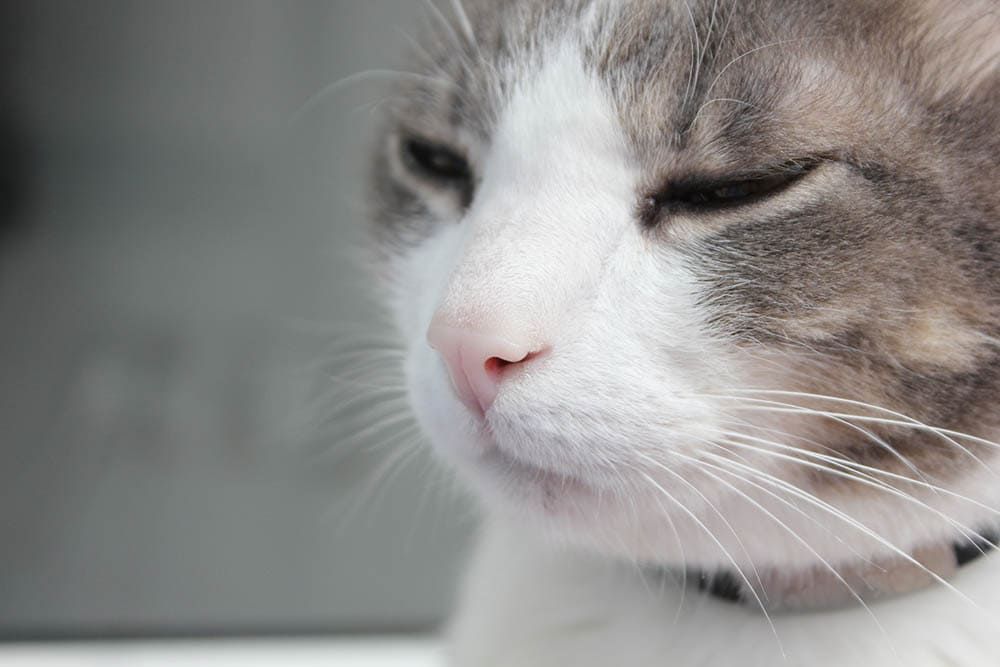
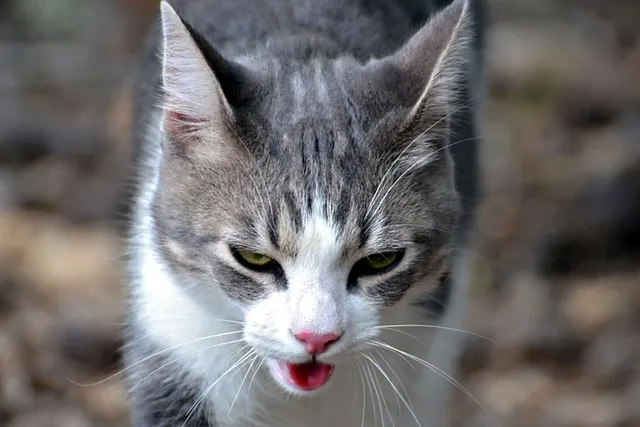
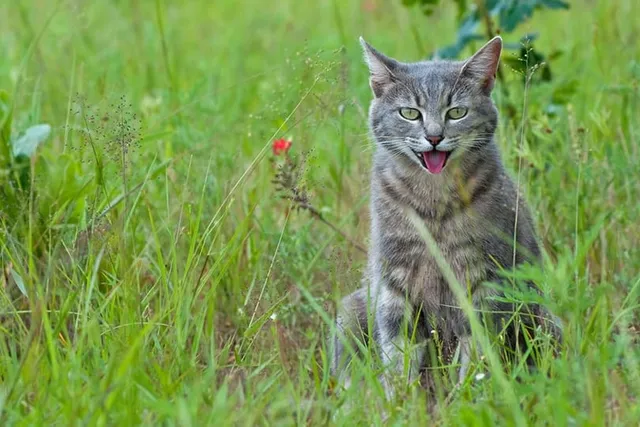
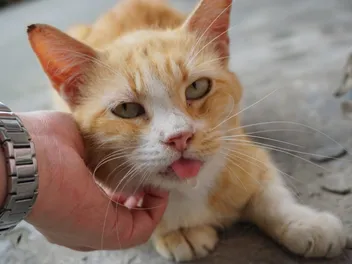
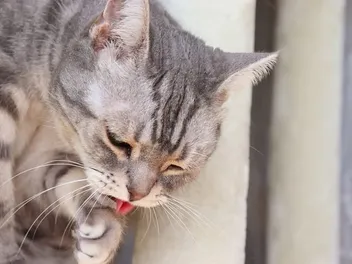
Just like dogs, cats may breathe heavily and pant in certain circumstances. Because this behavior is much rarer in cats than in dogs, it is usually something to be worried about, especially if it persists for prolonged periods. Panting is normal to some extent if it happens for just a minute or so after a cat has been playing for a long time. However, extreme or prolonged panting or panting without an apparent cause can be troublesome.
To help you determine the difference between normal panting and troublesome panting, let’s look at the various reasons your cat may breathe heavily.

The 9 Reasons Your Cat Might Be Breathing So Hard
1. Exercise
During some situations, panting and breathing hard can be expected. Just like every other animal, cats may breathe heavily after exerting themselves. A cat that has just gotten done running around the house may breathe heavily. If your cat is playing, their breathing may pick up.
While it is possible to see a cat panting after they’ve been playing or exercising for a very long period of time, they should not do so in the same way as a dog. Cats have other, more effective mechanisms for thermoregulation (such as grooming themselves). If panting does not improve within approximately one minute, veterinary assistance should be sought, as it may be a sign of heatstroke or a potentially life-threatening heart or lung disease.
Cats that are overweight or obese are more likely to pant when placed on an exercise program that’s too intensive for them (much like how an untrained individual would react to a long run when compared to a trained athletic runner).
Kittens are more likely to pant after a period of high-intensity exercise in the form of play. However, as mentioned above, this should quickly resolve after about a minute of play. You should be particularly concerned if you notice one kitten panting while playing with their littermates (who do not seem to pant after playing).
Cats may also breathe heavily if they notice a strange scent. In this way, cats will investigate the scent further. Sometimes, cats will breathe through their mouth when smelling, as they have scent receptors on the top of their mouth. However, this isn’t panting in the traditional sense and is called a "flehmen response." This is normal, and shouldn’t be confused with panting.
A hot cat may pant. However, a cat often has to be very hot for this to happen. Therefore, cats are often experiencing heat complications when panting due to a high body temperature. However, this isn’t necessarily always the case.

2. Asthma
Feline asthma is very similar to asthma in people. Cats who experience asthma may experience “attacks” of signs. Often, this leads to difficulty breathing, wheezing, coughing, and panting. Many things can trigger asthma attacks. While physical activity is one of the most common reasons, stress can also be a factor.
Feline asthma can be managed with medication. Usually, these medications are similar to what is provided to people. While asthma isn’t always serious, it can worsen as it progresses untreated. Therefore, it is best to seek treatment early. Many cats go into remission.
3. Heartworms
Heartworms are parasites that set up shop in a cat’s pulmonary artery (which carries blood from the heart to the lungs). In severe cases, heartworms can cause excessive panting and difficulty breathing, as they affect circulation. Usually, oxygen therapy is needed for cats that are seriously affected. Though the disease has no treatment in cats, it can be managed by medication in some cases.
In many cases, this disease is fatal. However, there is medication to prevent it. Vets usually recommend that just about every feline stays on a preventative medication.

4. Respiratory Infections
Infections inside a cat’s lungs can make it hard for them to breathe. Many different types of respiratory infections require different treatments. However, cats with respiratory infections usually only pant if the infection is very advanced and prolonged. Infections involving just the upper respiratory tract usually don’t result in panting or labored breathing.
5. Heart Issues
Many issues involving the cat’s heart will likely result in poor exercise tolerance and heavy breathing. Cats are prone to many different types of cardiac problems. Some of these are congenital (a birth condition), while others are conditions that develop over time. Therefore, regardless of your cat’s age, a heart condition might be the reason they pant so much after playtime. All heart problems in cats require veterinary care.

6. Pain
Pain of any sort can cause panting. If your cat is in pain, they may pant—panting isn’t always directly related to the condition. It may just be caused by the pain. Of course, in this case, it can be difficult to determine what the underlying cause is. If your cat appears lethargic and isn’t doing very well, we recommend seeing a vet.
If your cat has recently had surgery, panting may be due to the resulting pain.
7. Diaphragm Hernia
Cats that experience trauma (such as an accident while outdoors) might have a diaphragm hernia. This results in the abdominal organs moving into the thoracic cavity. The loss of free space in the thoracic cavity usually results in heavy breathing in cats that have a diaphragm hernia. This condition requires surgical repair.

8. Anemia
Anemia occurs when a cat does not have enough red blood cells. There are many causes behind this disorder. Sometimes, it can be caused due to not enough iron in a cat’s diet. Other times, it may be due to blood loss or another condition affecting blood cells.
When it is very severe, anemia can cause heavy breathing. Red blood cells are used to transport oxygen throughout the body. When there is not enough of them, the body can become depleted of oxygen. Therefore, your cat will be visibly breathing harder (as a compensatory mechanism).
Anemia is usually treated by handling the underlying issue. If the cat is anemic due to their diet, then a dietary change may be needed.
9. Foreign Bodies
Any kind of foreign body that affects the lungs can cause trouble breathing. To combat this, cats may breathe heavier than usual. These include abnormal growths, tumors, ingested foreign bodies stuck in the throat, defects such as strictures, or other foreign bodies that cause pain in other parts of the body.
Conclusion
There are many reasons why a cat may breathe heavily. Cats that are worn out can pant temporarily, though this should quickly resolve once the cat rests. However, several troublesome disorders can cause a cat to pant heavily. For instance, respiratory issues, anemia, and heart failure can all cause panting or breathing heavily.
When in doubt, we recommend taking your cat to see the vet.
Featured Image Credit: AssiaPix, Shutterstock
Expert cat care, straight to your inbox
News, insights, and useful advice, delivered to you.

No spam — unsubscribe anytime.
By signing up, you agree to our Terms & Conditions and Privacy & Cookies Policy.
How useful was this post?
Click a star to rate. You can leave written feedback afterwards. (We read all feedback.)
Kristin is passionate about helping pet parents create a fulfilling life with their pets by informing them on the latest scientific research and helping them choose the best products for their pets. She currently resides in Tennessee with four dogs, three cats, two fish, and a lizard, though she has dreams of owning chickens one-day!