Do Cats Get Brain Freeze? Vet-Reviewed Facts & FAQ



If you’ve ever sucked down a milkshake too quickly, you’re probably familiar with the discomfort of "brain freeze." A quick Internet search will reveal multiple clips of cats reacting abruptly to their first taste of ice cream or frozen treats. If you’re wondering whether cats get brain freeze, the answer is, most likely, yes, but we can’t know for sure since they can’t tell us.
Keep reading to learn why cats probably get brain freeze and another reason they might react so dramatically to eating cold food. We’ll also let you know whether brain freeze is dangerous for cats and why feeding your cat ice cream is not a good idea either way.

What is Brain Freeze?
Brain freeze is the common term for a brief discomfort and headache caused by eating or drinking something very cold. The scientific term for brain freeze is sphenopalatine ganglion neuralgia or cold neuralgia.1
When cold material strikes your mouth or throat and the palate, the blood vessels first constrict and then expand rapidly to maintain your body temperature. This sudden expansion is thought to trigger the pain response we know as brain freeze.
Since cats and humans share similar brain anatomy, it makes sense that they would experience similar responses to eating cold things. Because of this, we can reasonably conclude that cats probably experience brain freeze. Again, there’s no way to officially confirm this because a cat can’t tell you they got a headache from licking your ice cream cone.

Another Possible Culprit
Eating something cold could trigger brain freeze in your cat, but dental pain is another reason they might react strangely. Humans with cavities and other dental issues are familiar with the pain of eating hot, cold, or hard items. Many cats suffer from dental disease because they typically don’t get the same oral preventative care dogs do. Brushing a cat’s teeth is not always easy!
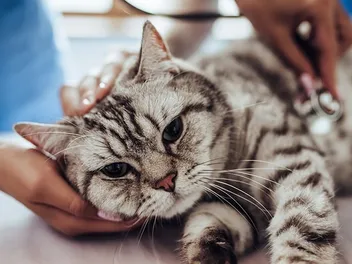
Instead of brain freeze, your cat’s teeth could be causing them pain when they eat something cold. Have a vet check your kitty’s teeth to determine if they need a cleaning or other treatment.
Is Brain Freeze Dangerous for Cats?
Brain freeze is a temporary pain that isn’t dangerous for humans. It’s probably not risky for cats either, but it’s certainly not pleasant for them. After all, cats can’t understand the concept of brain freeze, they just know that something they eat is causing them pain.
While watching your cat make a face after eating ice cream may be amusing, remember that it’s uncomfortable and probably confusing for them. In extreme cases, your cat may develop a reluctance to eat because they’re worried it will hurt.
In addition, ice cream isn’t a good food for cats. Most adult cats are lactose intolerant and may not be able to properly digest dairy products, so this sweet treat may cause an upset stomach. Ice cream is generally high in fat and carbs, offering empty calories, which is not something your cat needs. They are carnivores and need protein in their diet. Some ice creams contain artificial sweeteners which can be quite harmful for cats, or chocolate and other ingredients toxic to our feline companions.

Conclusion
Cats can probably get brain freeze, but they don’t understand what they’re experiencing. Since brain freeze is most likely uncomfortable for cats, avoid deliberately causing this response. Sneaky cats may like to lick out your ice cream bowl but don’t feed your kitty this dessert regularly.
Ice cream is unhealthy for cats, and the dairy and fat content may trigger serious health conditions in your kitty.
Sources
Featured Image Credit: IceEye, Pixabay
Expert cat care, straight to your inbox
News, insights, and useful advice, delivered to you.

No spam — unsubscribe anytime.
By signing up, you agree to our Terms & Conditions and Privacy & Cookies Policy.
How useful was this post?
Click a star to rate. You can leave written feedback afterwards. (We read all feedback.)
Elizabeth Gray is a lifelong lover of all creatures great and small. She got her first cat at 5 years old and at 14, she started working for her local veterinarian. Elizabeth spent more than 20 years working as a veterinary nurse before stepping away to become a stay-at-home mom to her daughter. Now, she is excited to share her hard-earned knowledge (literally--she has scars) with our readers. Elizabeth lives in Iowa with her family, including her two fur kids, Linnard, a husky mix and Algernon, the worldʻs most patient cat. When not writing, she enjoys reading, watching all sports, and spending time outdoors with her family.