Can Cats Eat Vanilla Ice Cream? Vet-Reviewed Facts & FAQ


In this article
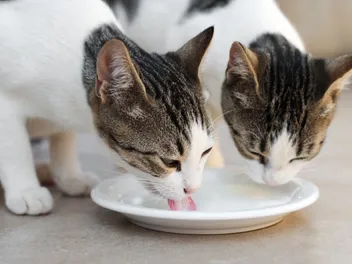
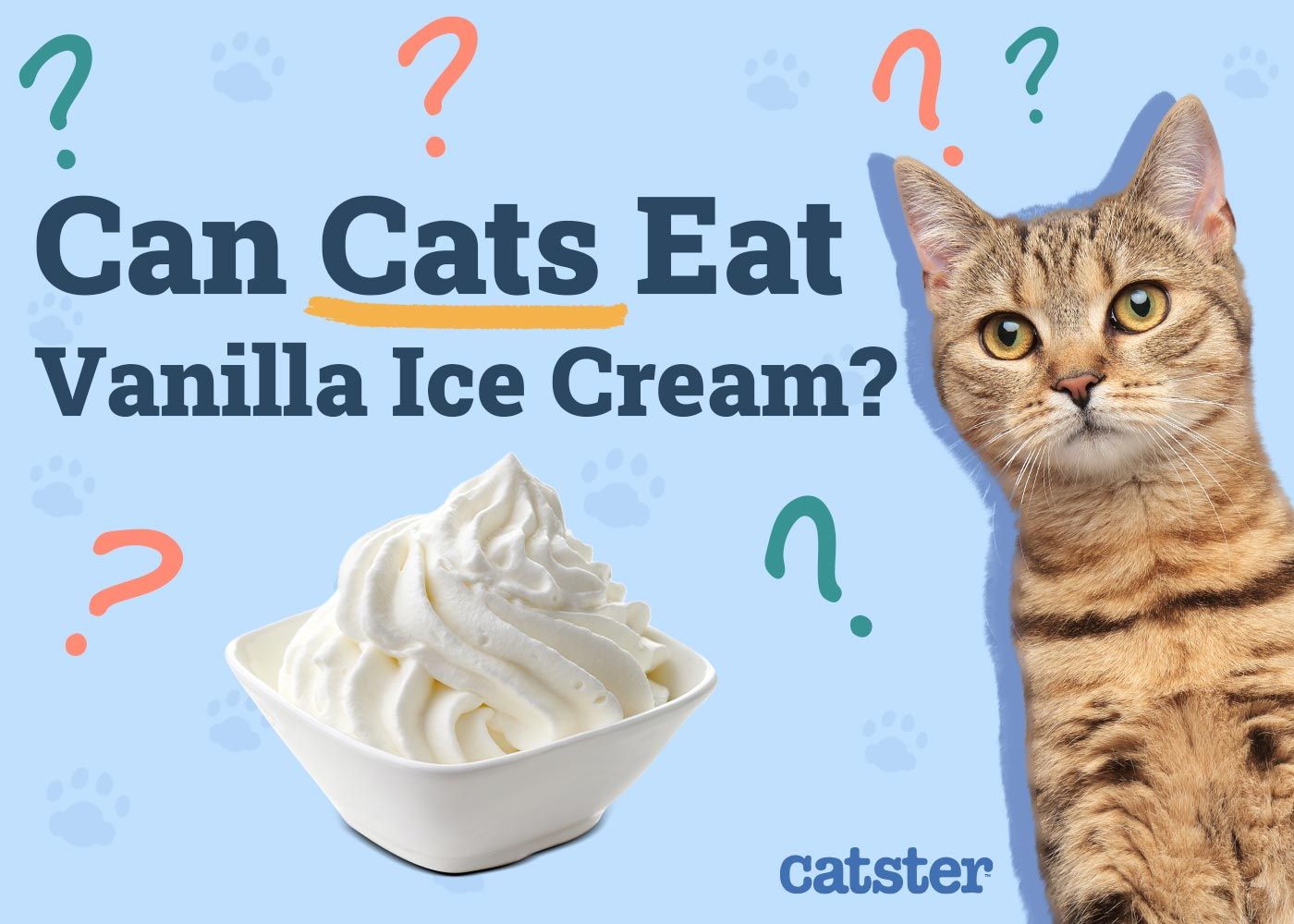
During the hot dog days of summer, cat owners may be tempted to treat their feline friends to a spoonful of yummy and refreshing vanilla ice cream. It is a popular notion that kitties love lapping milk, so why would ice cream be any different? While vanilla ice cream does not contain any toxic ingredients for your cat, it's not considered a healthy treat, and you should avoid feeding it to them.
Let’s dig a little deeper into can cats eat vanilla ice cream. Here’s everything you need to know about your cat and vanilla ice cream.

Is Vanilla Ice Cream Safe for Cats?
While vanilla ice cream does not normally contain toxic ingredients for your cat, you should never serve them vanilla ice cream. Your cat should be fine if they lick some from your empty bowl or the ground; however, too much ice cream can cause severe digestive upset, causing your kitty to suffer from vomiting and diarrhea.
Vanilla ice cream may contain artificial sweeteners instead of sugar. One type of sweetener is highly toxic to dogs, and even though its toxicity is not fully proven in cats, it’s recommended to avoid it at all times. The good news is that a sweet-tasting treat won’t be a huge temptation for your kitty. In fact, felines lack the ability to taste sweet favors and, therefore, will not appreciate sweet-tasting ice cream. If there is any chocolate ice cream mixed in with the vanilla, avoid offering it to your cat. Any type of chocolate is poisonous to cats and may be fatal.
Moreover, most cats are lactose intolerant, and this is another reason to avoid feeding them ice cream. Just like humans, some cats aren’t able to properly digest the lactose found in dairy products. Consulting a veterinarian about your cat's nutritional requirements, what they can and can't eat should be always the first step when trying to add anything new to their diet.
Why Do Cats Like Vanilla Ice Cream?
While cats can’t taste sweetness, some may still love vanilla ice cream. They might be attracted to the high carb and fat contents of dairy products, such as vanilla ice cream and whole milk.
Why Is Too Much Vanilla Ice Cream Bad for Cats?
While the old adage claims that you can’t have too much of a good thing, that isn’t true when wondering can cats eat ice cream. Any sweet treat fed to a cat in excess won’t leave much room for them to dine on their cat-specific, nutritious food. This can lead to health problems. Additionally, vanilla ice cream is packed with unhealthy fat, which cats don’t need.

Can Cats Get Brain Freeze?
You’re probably well aware of the throbbing headache you can get when you eat too much ice cream. But can cats get brain freeze too?
Surprisingly enough, the answer is probably yes. That is because your furry friend has similar kinds of vascular and nervous system pathways as you. Since brain freeze causes changes to the blood vessel size, your cat can probably suffer from the same piercing headache as you.

- NO MESS - The 360° tray on this cat food and water bowl set has a raised design to catch and contain stray crumbs and drips. Protect your indoors and floors from wet and messy meals!
- WHISKER FRIENDLY - Shallow and wide metal containers with flat bottoms ensure your kitty can enjoy mealtime free from whisker fatigue!
- CHEW-SAFE MATERIALS - Kittens and cats love chewing on silicone and soft rubber - but it's a choking hazard. Our cat feeding station materials are anti-chew for a 100% safe feeding frenzy!
Learning about what your cat can and cannot eat is a crucial part of keeping them happy and healthy! Choosing a bowl to serve cat-friendly foods in is another important decision pet owners face. Satisfy the specific needs of your cat with the innovative design of the Hepper NomNom Cat Bowl. Learn why it’s our (and our cats!) favorite food and water dish here.
At Catster, we’ve admired Hepper for many years and decided to take a controlling ownership interest so that we could benefit from the outstanding designs of this cool cat company!
Final Verdict
While vanilla ice cream does not contain any toxic ingredients for your cat, you should avoid feeding it voluntarily. Your cat may love this yummy treat, but considering it contains lactose and it is high in fat and carbohydrates, it’s better to stay away from it. You can, however, make your own cat-friendly ice cream and feed it to your cat if they love a cold treat. Avoid giving them any ice cream at all since most cats are lactose intolerant. And if you prefer chocolate over vanilla ice cream, remember that a cat should never, ever consume any chocolate products. So, you can allow your kitty to lap up some vanilla ice cream the next time you enjoy a bowl!
Related Reads:
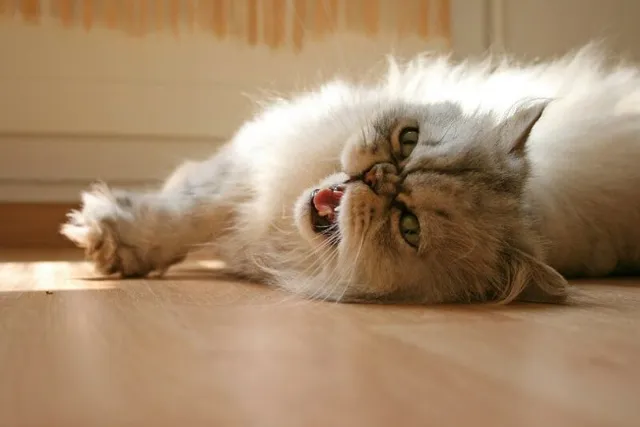
Featured Image Credit: ponce_photography, Pixabay
Expert cat care, straight to your inbox
News, insights, and useful advice, delivered to you.

No spam — unsubscribe anytime.
By signing up, you agree to our Terms & Conditions and Privacy & Cookies Policy.
How useful was this post?
Click a star to rate. You can leave written feedback afterwards. (We read all feedback.)
Christian started writing for a local newspaper as a teenager, and he's been involved in the publishing industry for most of his adult life. Combining his love of writing with a passion for animals, he is currently the Director of Editorial at Pangolia and the Editor-in-Chief at Catster.
Christian lives in the Philippines with his wife, son, and four rescue cats: Trixie, Chloe, Sparky, and Chopper.