What Foods Are Toxic to Cats? 16 Everyday Items (Vet Reviewed)



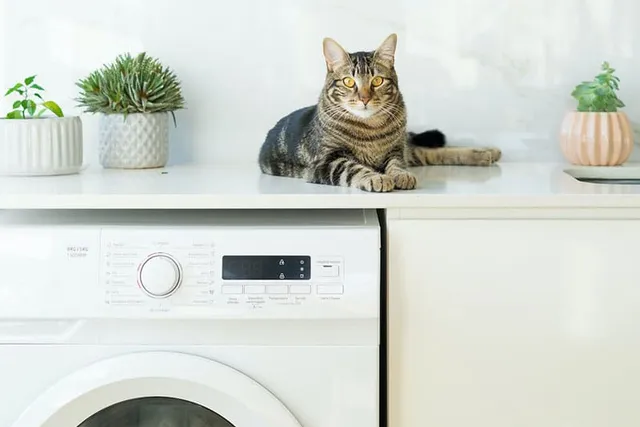
Cats are different from dogs. Dogs will eat anything that touches the ground. But cats? They’re a bit pickier. Still, some cats are little garbage disposals and get into all kinds of forbidden snacks in the kitchen. To avoid a scary trip to the ER, here are 16 foods you should never offer your cat.

The 16 Everyday Foods That Are Toxic to Cats
1. Garlic & Onion
Garlic, onion, chives, and scallions pack a punch in any dish. Unfortunately, they can also do significant damage to cats. Onions and garlic contain n-propyl disulfide, causing blood cell damage and severe gastrointestinal upset.1 Dogs and cats are susceptible to the dangers of these herbs, but cats are more at risk.

2. Fat & Liver
Truthfully, these foods aren’t toxic to cats and can be quite healthy in moderation. However, too much is never a good thing.
Eating fat can lead to obesity in cats, especially sedentary housecats. Liver is full of nutrients but can lead to vitamin A toxicity, particularly with beef liver.2 Signs of vitamin A toxicity include muscle soreness and extreme skin sensitivity.
3. Alcohol
Alcohol damages all human organs, so naturally, it does the same to your cat. The only difference is a cat requires far less alcohol for damage to be done. Only two teaspoons of whiskey can induce a 5-pound cat into a coma.

4. Chocolate
Chocolate is great, but not for the cat. The toxic principle in chocolate is theobromine, and it’s just as lethal for cats as it is for dogs.
That said, not all chocolate is the same. White chocolate is primarily milk and sugar, whereas dark chocolate is pure chocolate. Still, it’s a good idea to call a vet if you feel your cat has eaten any chocolate.
5. Coffee & Caffeine
Restlessness, increased heart rate, heart arrhythmias, and increased blood pressure are all classic signs of caffeine consumption that you’ve probably experienced once or twice. But cats are more susceptible since they’re small. Damage to the heart, kidneys, liver, lungs, and central nervous system can be fatal.

6. Coconut
Coconut oil isn’t toxic to cats but can cause mild gastrointestinal upset. For this reason, offer coconut oil sparingly and only if recommended by a vet. Coconut water should never be offered because of its high potassium content.
7. Citrus
Citrus is only mildly toxic, so you don’t need to rush your cat to the hospital if it snagged your orange slice. Even so, the citric acid in the juice, leaves, stem, and flesh can cause an upset tummy for your kitty. Sometimes, it can cause central nervous system depression if your cat eats a significant amount.

8. Grapes & Raisins
Veterinarians don’t understand why grapes and raisins are toxic or how many are too many. We only know that the tasty fruit can cause kidney damage to dogs, so avoid offering them to your cat.
9. Nuts
Cats aren’t fond of nuts unless they bat them around the house like toys. But some cats may be willing to munch on a nut or two. Nuts are high in fat and sodium and are typically flavored with seasonings like garlic and onion, so it’s a good idea to keep nuts away from cats.

10. Bones
The biggest issue with bones is that they splinter and are a potential choking hazard, particularly with chicken bones. Avoid giving your cat bones and offer other chew toys and treats instead.
11. Salty Foods
Cats need some sodium in their diet, but they don’t need any extra from salty human foods, like peanuts and salted meats. Extra sodium can lead to dehydration, vomiting, diarrhea, depression, tremors, and elevated body temperatures. This is especially true if your cat doesn’t have enough water to dilute the blood.

12. Xylitol
Xylitol is a sweetener in baked goods, toothpaste, candies, and other sweet products. You might have heard about xylitol being toxic to dogs because it triggers the liver to release insulin, drastically lowering blood sugar. However, it doesn’t cause serious problems in cats. Still, we find it’s better to err on the side of caution and avoid exposing your cat to large amounts of it.
13. Yeast Dough
Bread dough containing yeast can cause gas and bloating. Some fermented bread doughs can have too much ethanol, and, as we now know, alcohol is bad for cats!

14. Canned Tuna
Honestly, canned tuna isn’t toxic to cats. The problem lies in feeding your cat a strict tuna diet. Canned tuna lacks several crucial ingredients a cat needs to stay healthy. In addition, too much tuna can lead to mercury poisoning.
15. Dairy & Raw Egg
Cats lapping milk with their tongues is a classic image that comes to mind. However, cats are lactose intolerant and will have digestive issues if they consume dairy. Raw eggs can cause a worse problem: salmonella poisoning.
16. Dog Food
Cat owners commonly offer dog food when they don’t have cat food. No one wants a hangry cat, right? Offering dog food a couple of times out of necessity won’t hurt your cat, but don't make it a habit. Dogs and cats aren’t at the same trophic level and require different nutritional needs.
What Should I Feed My Cat?
Regardless of whether your cat is a kitten or senior, all are obligate carnivores, so they must have meat in their diet to obtain all the necessary nutrients. However, this doesn’t mean you can toss some chicken breast to your cat and call it good.
Cats eat their prey’s muscles and vital organs to digest the nutrients in the wild. You can mimic this natural diet by offering your cat a diet rich in high-quality protein, moderate amounts of fat, and minimal carbohydrates
Your cat also needs fatty acids, amino acids, vitamins, and minerals. High-quality muscle and organ meat or commercial food can check these boxes.
Conclusion
Cats aren’t privy to many human foods unless it’s meat and dairy. Still, some cats will eat anything. Avoid these 16 foods, so you don’t wind up in the ER with a sick cat and an expensive vet bill.
Sources
https://www.aspca.org/pet-care/animal-poison-control/people-foods-avoid-feeding-your-pets
https://pets.webmd.com/cats/ss/slideshow-foods-your-cat-should-never-eat
https://vcahospitals.com/know-your-pet/caffeine-toxicity-in-pets
https://www.merckvetmanual.com/toxicology/salt-toxicosis/salt-toxicosis-in-animals
Featured Image Credit: Oldiefan, Pixabay
Expert cat care, straight to your inbox
News, insights, and useful advice, delivered to you.

No spam — unsubscribe anytime.
By signing up, you agree to our Terms & Conditions and Privacy & Cookies Policy.
How useful was this post?
Click a star to rate. You can leave written feedback afterwards. (We read all feedback.)
Cassidy's journey from vet tech and professional pet sitter to pet writer showcases her lifelong passion for animals, both domestic and wild. Throughout the years, she has cared for many pets and enjoys writing about the animal-human bond. She and her husband have settled in Wichita, where they live with their German Shepherd, Raven, two cats, Lucy and Strudel, and a small flock of backyard chickens.