Can Cats Eat Capers? Vet-Reviewed Facts & FAQ


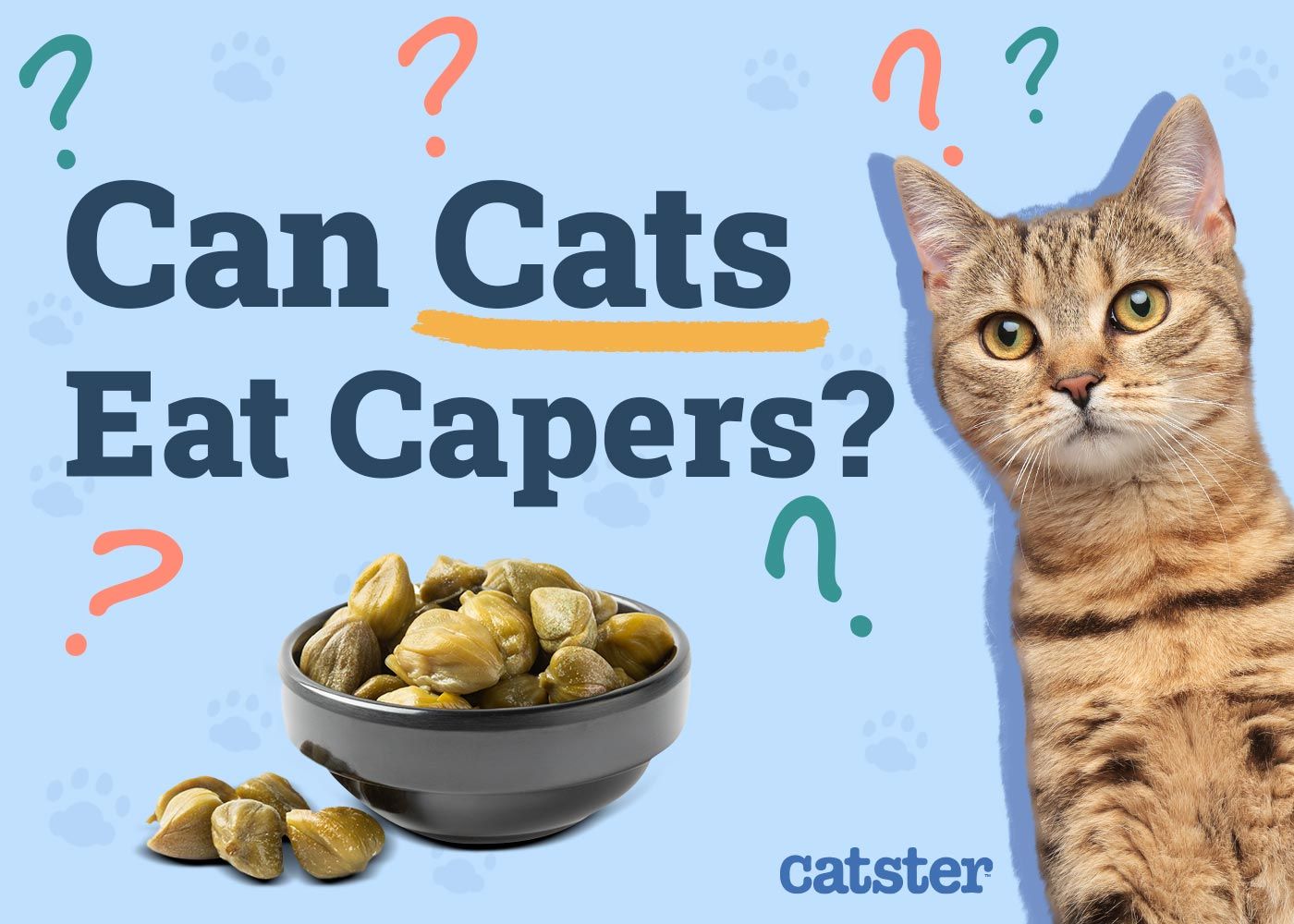
Capers are known for adding a certain "pizazz" to many meals including pasta, salads, fish, and bagels. These small and savory flower buds have been around since the mid-17th century and have become a mainstay ingredient in many Italian dishes.
As adults, it's nothing for many of us to sprinkle these small, tasty bits on our food. They add flavor and a distinctive tang that can bring out the best in dishes and spreads. But can our cats have them? Is it healthy or dangerous to give them capers?
No, capers aren't healthy for cats, and they can cause issues if consumed in large amounts. Though a caper isn't toxic or poisonous to your cat in the way that a lily or tulip may be, you should avoid feeding them to your cat. Capers are high in salt, which makes them a no go for your furry feline friend.

What Exactly Is a Caper?

A caper is a dried flower bud with origins in Asia and the Mediterranean. They are known for their salty, savory, and almost olive-like flavor. Capers are usually brined, meaning they're soaked in salt-based or pickled solutions, making them especially high in sodium.
Will ingesting 3 or 4 capers harm your cat? Likely not. But a handful or entire jar can spell disaster for their digestive system, kidneys, and urinary tract. It's also worth noting that salt itself is toxic to cats.
The funny thing is that the savory pungent smell of capers is quite inviting to many cats, which may cause them to peek their furry head in the kitchen when you're preparing dishes sprinkled with them.
But you should always use caution and avoid giving your cat capers. Salt poisoning in cats is a serious issue that can cause irreparable damage to them. So be sure to keep them out of reach.
What to Do If Your Cat Eats a Large Sum of Capers by Accident?

If your cat starts to exhibit signs of salt poisoning, which includes diarrhea, lethargy, excessive thirst, vomiting, or dry heaving, it's best to take them to the nearest vet clinic as soon as possible. The vet will likely give your cat intravenous fluids to help flush the sodium out of their system.
Next, the vet may watch the cat for a period of hours to monitor their vitals and behavior. Remember that when it comes to salt poisoning (like any other type of poisoning), urgency is key. The sooner you take your cat to the vet, the quicker they'll be able to prevent any irreversible damage caused by the heavy salt intake (such as kidney malfunctions).
What to Feed Your Cat for Proper Nutrition
When shopping for food for your cat, first consider your cat’s age. Different life stages can mean different nutritional requirements and activities. Kittens are more active than their older counterparts and require additional nutrition to support their rapid growth process. So, seek life-stage nutrition that is appropriate for your cat.
Protein

Cats are carnivores. So, to survive, your cat will need more protein than us humans. They also require specific amino acids like taurine, so it’s essential to give your cat food made specifically for them.
For their daily protein requirements, cat foods containing cooked chicken, beef, fish, and turkey are some of the best meats to feed your cat.
Whole Grains
Cats can also have a good blend of whole grains in their diet. Many cat foods contain rice, wheat, corn, or barley. When processed in cat foods, these are readily digestible sources of nutrients.
Smaller grains such as couscous or millet are also used.
Eggs

Another great source of protein is eggs. However, make sure that they are cooked. Raw eggs, just like fish and meat, can cause food poisoning and stomach upset in cats. Raw egg whites also contain avidin which can interfere with nutrient absorption.
Vegetables
Similar to humans, some cats don't like vegetables, and some do. They're rich in fiber and vitamins, and can help with digestion. Fresh cucumbers, cantaloupes, and steamed broccoli are all good options if you are looking for a low-calorie snack.
Cat foods often contain a variety of vegetables and legumes.
What About Restricted or Special Cat Diets?
Cats require different food at different times in their lives and in accordance with their current state of health. Specially formulated kitten food, senior, indoor, and low-calorie food may be needed if your cat has health problems.
So, if your cat is suffering from a medical condition, such as joint disease, severe obesity, or kidney disease, your vet may recommend a prescribed diet. It's important to always consult your vet before you try a new diet for your cat.
If your cat is reacting negatively to any food products, avoid these foods as they may be causing allergic reactions. Though sometimes, it just may not be your cat's cup of tea.
Is Chocolate Poisonous to Cats?

Chocolate is an absolute no-no for cats, as it contains the compound, theobromine, and in high levels. Theobromine is a stimulant that increases heart rate and causes diuresis (which is an increased loss of bodily fluids).
Theobromine is metabolized slowly in cats, so it remains in their bloodstream for quite some time. Because of its high levels of theobromine, just a small 2-gram portion of chocolate can cause serious harm to your cat's digestive system.
So, keep this tasty treat away from your cat at all costs. If they do accidentally eat chocolate, take them to the vet immediately.
Alcoholic Beverages
This may be obvious to many. However, it's surprisingly not immediately apparent to many cat owners. Cats should never have any type of alcoholic beverage. This includes beer, wine, sake, and any type of spirits. It can lead to intoxication, coma, and death.
Your cat's life and brain can be damaged by as little as one or two grams of alcohol. In fact, a small amount of whisky, such as one teaspoon, can cause a coma in a 5-pound cat. It can cause death if consumed in excess.
Because alcohol is absorbed quickly by the kitty's body, it can cause severe issues immediately. If you suspect that your cat has ingested any amount of alcohol (even if it's mouthwash), it's important to seek medical help ASAP.
Onions & Garlic

Raw onions and garlic should be avoided by cats. These are not the only ones! All forms of onion and garlic, whether they are cooked, powdered, or dehydrated, should be avoided by cats.
This is why onions and garlic contain sulfoxides, disulfides, and can cause poisoning in your cat's red blood cells. This can lead to lethargy, weight loss, and other gastrointestinal problems.
Candy

When small hard sweets are eaten whole (which is how cats tend to ingest them), they can get lodged in the back of a feline's throat, blocking their airway. The cat may paw at their mouth, cough, and dry heave. You should immediately take your cat to the veterinarian if you can't dislodge the item.
In some cases, the vet may be able to dislodge the item with physical maneuvers. But in more severe cases, surgery may be needed. And if you have a small child who loves to snack on a bit of candy every so often, be sure to keep an eye on your cat and child while they are eating candy.
Wrapping Things Up
So, if your cat eats a few capers, don't panic, as they will likely be OK. Cats can have capers in very small amounts. However, capers are high in salt, which can be toxic to cats if consumed in excess.
If the cat has eaten a larger amount, be sure to take them to the vet. And even if the amount is small, if the cat starts to display poisoning symptoms such as lethargy, vomiting, or excessive thirst, take them to the vet as soon as possible.
See Also:
Featured Image Credit: Maryia_K, Shutterstock
Expert cat care, straight to your inbox
News, insights, and useful advice, delivered to you.

No spam — unsubscribe anytime.
By signing up, you agree to our Terms & Conditions and Privacy & Cookies Policy.
How useful was this post?
Click a star to rate. You can leave written feedback afterwards. (We read all feedback.)
Christian started writing for a local newspaper as a teenager, and he's been involved in the publishing industry for most of his adult life. Combining his love of writing with a passion for animals, he is currently the Director of Editorial at Pangolia and the Editor-in-Chief at Catster.
Christian lives in the Philippines with his wife, son, and four rescue cats: Trixie, Chloe, Sparky, and Chopper.