How to Travel Long-Distance With a Cat: 15 Vet-Approved Tips & Tricks


In this article
Whether you are moving across the country or just taking a long road trip, traveling long-distance with your cat can be concerning. Some cats don’t like to travel, and it’s easier to leave them at home with a caregiver while you’re away. However, in some cases, it’s necessary to bring your cat with you. Relocation and extended trips may require that your cat come along, no matter how they feel about it.
In this article, we have tips and tricks for long-distance travel with your cat. First, we look at the best ways to travel with your cat in a car and then for traveling with your cat on an airplane.

Before You Go
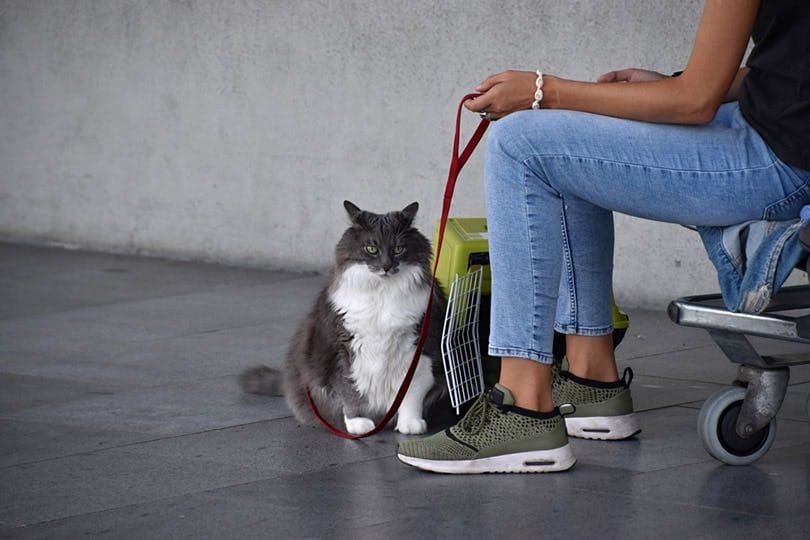
Talk to a vet about traveling with your cat, and make sure the animal is healthy enough for the experience. Ask about any prevalent diseases in your destination, and ensure that your cat has the necessary vaccinations. No matter how you’re traveling, you should always have your cat’s identification tags on their harness and be sure that they are always wearing the harness attached to a leash when they are not in their carrier.
In a Car
As you plan your route, check for emergency veterinary hospitals along the way just in case you need one. Pack the cat’s medical records, paperwork, and vaccination records, and keep them handy. Plan to stop at pet-friendly hotels in advance so you aren’t scrambling to find one when you want to stop driving.
On a Plane
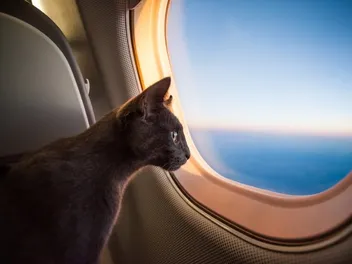
Book a flight with the fewest stops, if possible. Ask about the airline’s animal policies, and try to book a flight that will allow your cat to be in the cabin with you instead of in the cargo area. Find out the rules for this ahead of time, as they vary by airline.
The 9 Tips for Long-Distance Travel With a Cat in a Car
1. Familiarize Your Cat With the Car

Cats may associate the car with vet trips and be anxious during them. Before the trip, start taking your cat for short rides in the car. Frequent rides that don’t end with vaccinations or exams may get your cat comfortable with being in the car. If they’re used to the vehicle, they’ll be calmer on a long trip.
2. Choose & Familiarize Your Cat With the Carrier

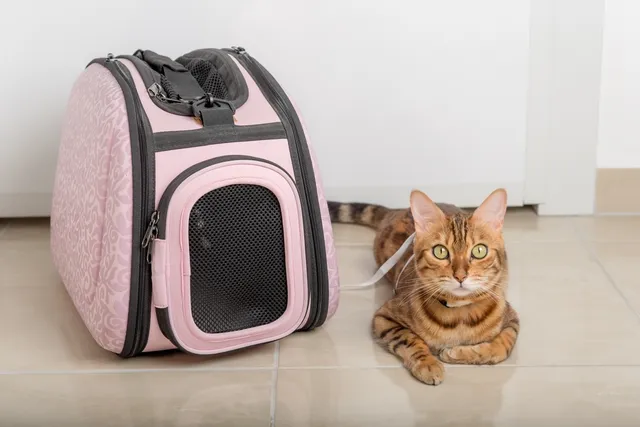
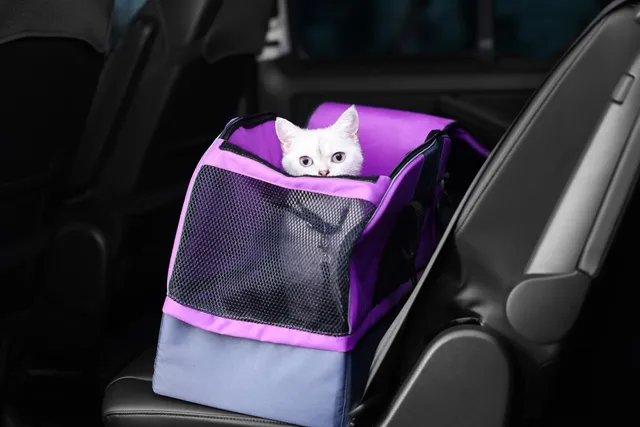
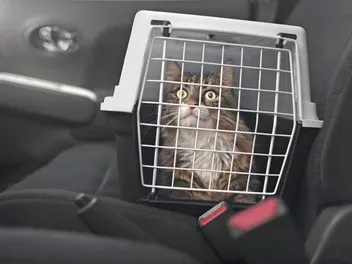
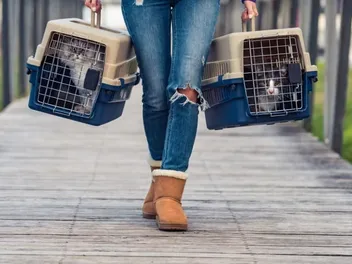
Choose a carrier that is comfortable, well-ventilated, and large enough for your cat. We don’t recommend traveling with your cat loose in the car. If there is an accident, your cat could get injured or escape and be lost in unfamiliar territory. If a door is opened and your cat isn’t secure, they could bolt. A carrier is the safest place for them. Be sure that when your cat is in the carrier, they are not wearing a collar or anything that could get caught and tighten around their neck. Have a harness and leash handy for stops. Only open the car doors once your cat is leashed, so they can stretch their legs outside. If you’d like to put a litter box in the carrier, make sure there is enough room for your cat to rest comfortably away from it.
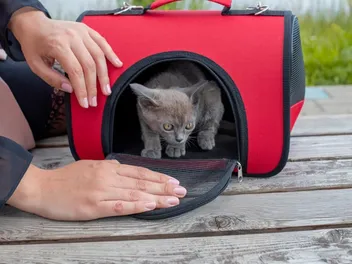
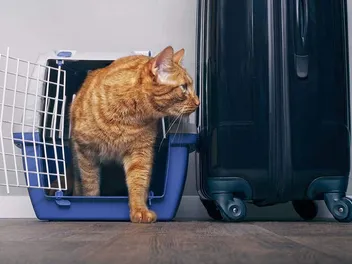
Before the trip, leave the carrier open in the house and let your cat smell and get used to it. You can even feed them inside of it to help them learn that it’s not a scary place to be.
3. Feed Your Cat Before Leaving

Feed your cat between 4 and 6 hours before you leave. Their food needs time to settle so it doesn’t make them throw up. If you know that your cat gets motion sickness, this is especially important. Bring food and plenty of water that is just for your cat with you on the trip so you can feed them at their regular mealtimes. These should ideally correspond with your own times to stop, rest, and eat. Give your cat time to digest their food before you continue.
4. Ventilate the Car If You Leave

If you must park and leave your cat in the car, use caution. Leave your cat in the carrier, and roll down the windows about 1 inch. No matter what the weather is, don’t leave your cat alone for more than a couple of minutes. The car can heat up to dangerous temperatures, even if the weather feels pleasant to you. It can also get cold quickly, so always keep your pit stops as short as possible.
5. Make Their Carrier Comfortable

Since your cat will be spending most of their time confined to the carrier, it should be a comfortable experience for them. If they have a bed, put it in the carrier. Add blankets or towels that smell like home. You can also give them toys or catnip.
The carrier should be in a place where the cat can see out of it. Even if the car is packed full, be sure to give your cat a way to look out and see what’s happening around them. If your cat is nervous, you may want to line the carrier with pee pads in case accidents occur. These will keep the carrier floor dry in case your cat pees or vomits.
A travel litter box is convenient because it’s small and easy to transport. It can fit inside most carriers if you want to give your cat the option to use it. If you don’t put a litter box in the carrier, be sure to stop regularly and let your cat use their litter box either in the car or outside on a leash and harness.
The best cat leashes are sturdy, comfortable to hold, and easy to attach to the harness. Hepper's Cat Harness & Leash Set offers all that and more, which is why we highly recommend it.
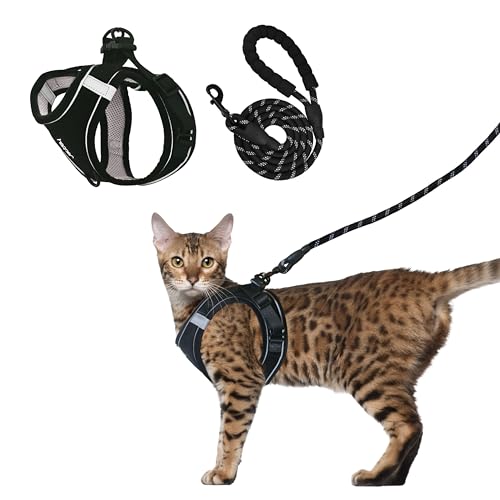
- Escape Proof - Cat leashes and harnesses for walking aren't all equally secure. Our double aluminium D-rings ensure strength when outside, as does the reinforced stitching on this step in vest.
- Superior Comfort - Our cat harnesses are lightweight, made with premium velvet fabric, breathable mesh, with soft edging and resilient cushioning. Also, it is machine washable. Looks and feels great!
- Free Extra Strength Leash - You don't need to worry about your cat escaping this harness. This cat leash is made of thick nylon climbing rope with rotating clamp to keep the strongest kitties at bay.
This set includes a lightweight velvet and mesh harness with reinforced stitching, quick-release buckles, and reflective strips, plus a five-foot leash made from sturdy nylon climbing rope. We especially love this leash's rotating clamp and padded neoprene handle.
At Catster, we’ve admired Hepper for many years and decided to take a controlling ownership interest so that we could benefit from the outstanding designs of this cool cat company!
6. Keep Your Cat Calm

Calming pheromone spray or anxiety-reducing treats might be helpful if your cat gets nervous while traveling. Speak to your vet before using anything new. They may even prescribe medication to calm your cat if they get severely stressed in the car.
7. Pack the Essentials

You’ll need your cat’s food and water bowls, treats, litter, litter scoop, litter box, and food all within easy reach in the car. You can use travel food and water bowls on the road because they can fold up and be stored while you’re driving. This way, their regular bowls can remain packed away. Keep your cat hydrated by leaving a small dish of water in the carrier or offering water to them at regular intervals.
8. Maintain the Car Temperature

Good air circulation in the car will prevent your cat from getting too hot. If your car doesn’t have air conditioning and you’re traveling in warm weather, wrap ice packs in a towel and put them around the carrier to help your cat stay cool. Refresh these with new ice whenever you stop.
Make sure the carrier isn’t in a place where the sun is beating directly on it and the cat can’t escape it. There should be shade in the carrier at all times, even if you have to cover half of it with a towel. Check your cat regularly for signs of discomfort.
9. Take Breaks

Stick to a schedule that allows for frequent breaks. Your cat will need to eat and use a litter box and may not feel comfortable doing either of these things inside the carrier. If you don’t want to or can’t take breaks, plan your trip to only drive a handful of hours each day to give your cat time to rest, especially if they are nervous in the carrier.
Pet stores are great places to take bathroom breaks because you can bring your cat inside with you! This is also a perfect time to stock up on any cat supplies that you need.
The 6 Tips for Long-Distance Travel With a Cat on an Airplane
10. Be Aware of the Pet Policy

Learn the rules of the airline regarding animal travel, and make sure to follow them thoroughly to avoid delays and to keep your cat safe. Be sure to use a carrier approved for your airline.
11. Practice Security Protocol
You will need to remove your cat from the carrier and carry them through the security checkpoint. You can practice doing this at home by placing your cat in the carrier. Carry the carrier around your home, and then stop, open it, and pick up your cat. They should already be attached to a harness and leash while in the carrier. Then, walk to the next room with them. Give them treats and praise them for remaining calm.
12. Pack Cat Supplies in Your Carry-On Bag
A folded travel litter box, a baggie of litter, treats, and a collapsible water bowl are handy to have with you in the cabin. If the flight is long, you can bring your cat to the bathroom and set up their litter box to give them a chance to use it. You can ask the flight attendant for bottled water and give your cat a drink. Consider what you’ll need for the length of your flight to keep your cat comfortable.
13. Arrive Early
Traveling with a cat takes longer than traveling alone. Plan extra time for yourself by arriving at the airport early. In case there's any delay with going through security or reviewing your cat's medical records, you'll have the time that you need to still make your flight.

14. Respect Fellow Passengers
It can be tempting to take your cat out of the carrier and put them in your lap, but other passengers may not like this. Some may be allergic, and others may be scared of cats. Your cat should stay in the carrier for the entire flight unless you take them to the bathroom with their litter box. This is also the safest place for your cat to be.
15. Cargo

If your cat is in the cargo area, you won’t be able to see them until your flight has landed. In this case, let the flight attendants know that your cat is on board. It’s helpful to have other people aware of your animal so they can tend to them if there are delays or emergencies.
Once You’ve Arrived at Your Destination
When you’ve finally arrived at your destination, whether it’s a new home or a hotel room for the night, it’s important to set up everything that your cat needs and make sure the area is safe before letting them out of the carrier. Close all doors and windows.
Give your cat time to adjust and get comfortable. They may initially hide for a while. Once they feel safe, they will come out to explore their new surroundings. You should have their litter box, food, water, favorite toys, and treats out for them so they know that this is a space for them.
Keep an eye on your cat, even if they’re hiding, to make sure they are safe and not getting into anything hazardous, like trying to climb into a dangerous spot. Use calming sprays if necessary.
Stick to your cat’s routine regarding feeding and sleeping times. When your cat comes out of hiding, try to engage them in playing with toys or cuddling with you. Watch for any signs of illness or things that seem out of character for your cat. If they seem to be in distress, contact the nearest veterinarian for an appointment.
If you’ve just moved into a new home, it’s best to set up an appointment with a vet as soon as possible to get your cat registered as a new client. Be sure to update any identification tags with your new address and/or phone number.
Conclusion
Cats would always prefer not to travel, but if they must, there are ways to make the process more comfortable for them. We hope that these tips have helped you plan a trip with your cat's needs in mind. Your trip will be much more pleasant when you know what to expect and take the time to make sure everything is in order before you set off.
Read Also:
Featured Image Credit: Helena Zezulkova, Shutterstock
Expert cat care, straight to your inbox
News, insights, and useful advice, delivered to you.

No spam — unsubscribe anytime.
By signing up, you agree to our Terms & Conditions and Privacy & Cookies Policy.
How useful was this post?
Click a star to rate. You can leave written feedback afterwards. (We read all feedback.)
Jessica is a lifelong resident of Chicago who has shared her home with furry, feathered, and scaly pets for over 30 years. Animal enthusiast since childhood Jessica owned and operated a pet care company. Nowadays, Jessica is a full-time writer who loves to explore all animal topics while contemplating the birds and squirrels enjoying the oasis of her backyard.