Boating With Cats: A Complete Vet-Approved Guide


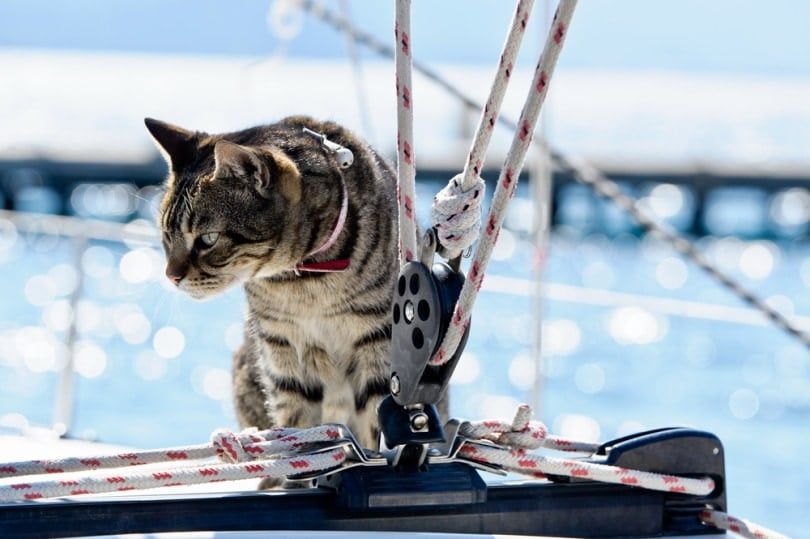
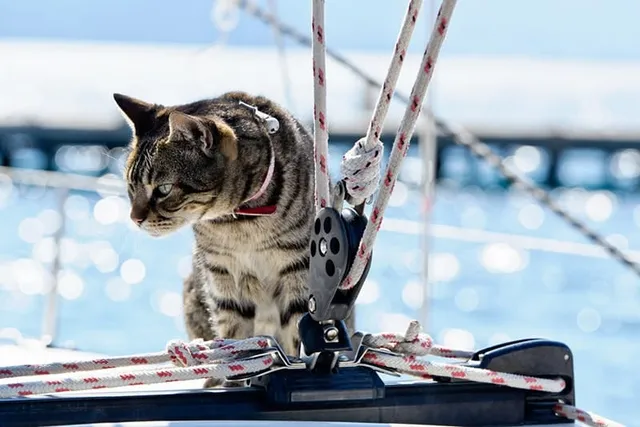
Cats are believed to be notoriously reluctant to get wet or be on water. But many breeds have been sailing on boats for centuries. Originally, some cats were essential for boating due to their ratting abilities. Cats were necessary to keep the grain stores on the boat free from rodents.
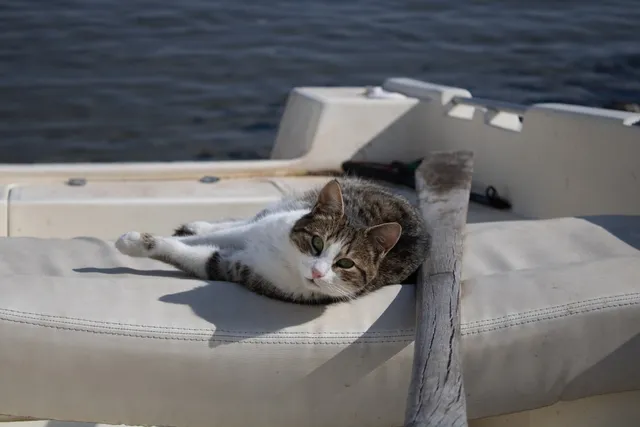
Today, mousers aren’t strictly necessary, but cats can still make great companions on a boat. Many modern boats still have cats, if only for companionship. However, bringing your cat onto a boat does require a bit of foresight and caution. You can’t simply put your cat on a boat and expect them to be okay. What a shock that would be!
Keep reading for tips on bringing your cat on board.

Boating With Cats Guide
1. Get a Life Vest
Even if your cat happens to love water and is a good swimmer, a life vest is essential. It is relatively easy for a cat to fall off a boat, even if cats are stereotypically good at keeping their balance. In many cases, if this happens due to bad weather or an accident, cats may not be able to successfully swim out in the open sea, or even when you’re docked.
They may instinctively be able to keep themselves afloat for a while. But for the most part, they may not be able to stay above water long if there is no shore to get to, and they will get exhausted.
A life vest is essential for their safety. Manufacturers do make many versions for cats, but most pet stores probably aren’t going to carry them. There isn’t exactly a high demand for them, after all. You may need to special-order one online. Be sure to do so well before your trip so you can get your cat used to it, as many cats dislike having something on their body and tolerating a vest may take some time. In some cases, you may have to purchase a life vest initially designed for small dogs or get one custom-made.
Ensure that the life vest fits properly and that your cat is comfortable before you take your cat on the boat. It shouldn’t restrict movement, but it should also not come off easily. Preferably, it should have a strap on the back that you can use as a handhold.
2. Get Swim Practice
Let’s face it: Most cats don’t like to swim. However, that doesn’t mean you can avoid putting your cat in the water altogether, especially if you plan to take them boating.
Your cat must have at least some swim practice before going on a long trip. This should be done in their life vest because they will be wearing it on the boat.
Get your cat around water at least a few times before you leave the shore, but do not force them to do anything they don’t like.
3. Utilize a Ladder or Rope
Cats are great climbers. Many can master ropes and ladders with ease. Purchase a few options that you can hang outside the boat if your feline decides to take a dip (or accidentally falls off).
Most cats prefer rope ladders because their claws can sink into the material better. Some cats can climb steel ladders, though.
You should keep a net on board as well. Cats can’t grab onto life rings, but they can grab onto nets. This device can be lifesaving in certain situations, though you hopefully won’t need it.
4. Acclimate Before the Trip
Once you have a life vest and rope ladders, it’s time to acclimate your cat to the boat. Be sure your boat is equipped with everything that your cat needs, including a litter box and water bowl.
If your cat has never been on a boat before, this can be quite the experience. Most are a bit unsure of boats, especially if they’re rocking around. Leash the cat above deck, so they don’t go spilling into the water. While your cat should always wear their life vest, you don’t want their first experience with a boat to be a scary one.
Let your cat above deck and below deck. Follow their lead, and don’t force them to explore anywhere that they don’t want to.
Most cats can adapt readily to boat life if you give them time. It can take a while in some cases. Remember to always go at the speed of your cat. For the first few tries, make sure the boat is safely docked.
5. Seasickness Is an Inevitable Reality
For both people and cats, seasickness may end up being an inevitable part of boating. There are plenty of medications out there for people to help with this, but not many are designed for cats.
If your cat regularly gets sick on board, you can ask your vet about motion sickness medications. These medicines are usually designed for car sickness, but they may work for seasickness as well.
Fresh air can also help. The movement of the boat is more apparent under the deck. So, if your cat is seasick, encourage them to stay above deck.
In some cases, cats may be unable to adapt to life at sea, and that should be respected. The seasickness might be too much!
6. Get a Pet Passport
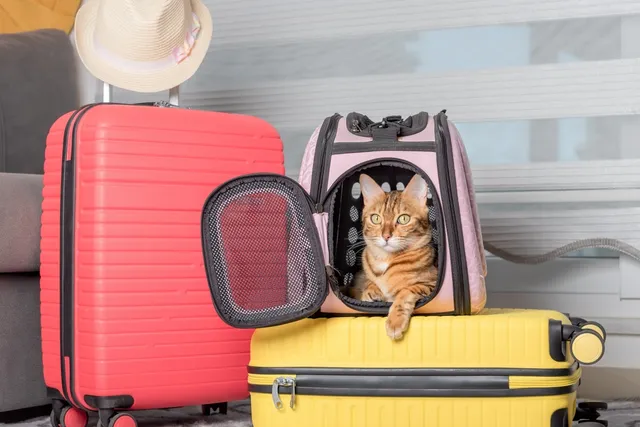
If you’re traveling in international waters, a pet passport is necessary. These often aren’t hard to get, but they may require vaccinations and similar steps.
You should also check the policies at your destination. Different countries have different policies regarding foreign pets — some don’t allow them at all or require particular blood tests and certificates. Checking can prevent your feline from being refused entry once you arrive.
Sometimes, pets are allowed, but the requirements are not practical. Long quarantine periods may be required, which is hard to do if you’re visiting on a boat for a few days.
Researching laws thoroughly before you go is a vital step to traveling with a cat.
7. Visit the Vet
Even if your cat doesn’t need any extra vaccinations, you should take them to the vet before leaving. When you’re out at sea, there is little that you can do for a sick cat.
Cats are good at hiding their illnesses. They evolved to hide all potential signs so they wouldn’t be the targets of other predators. Appearing weak in the wild can be dangerous. Our felines don’t need to do this anymore. But it’s still in their genes to act healthy, even when they aren’t.
Therefore, a trip to the vet is vital to ensure that your cat is healthy before you set off. Even if your cat displays no signs, you never know what underlying condition they could be hiding, especially if they are a bit older.
You’ll likely also need your vet to sign off on your pet passport and other necessary documentation, anyway.
8. Take a Few Daytrips
We highly recommend taking your cat on a few day trips before you go on an overnight or longer voyage. Your cat may be fine on a short visit, but being on a boat all day is an entirely different story.
If your cat is healthy and has adjusted to spending short amounts of time on the boat, it’s time for a few day trips. Where you go isn’t particularly important. You want your cat to be on the boat while it is moving for a few hours. Some cats may not act differently at all. Others may be scared once the boat starts moving.
As with acclimating your cat to the boat itself, you should go slowly when it comes to day trips as well. If your cat seems perfectly content, you can likely stay out all day during your first trip. But many cats may be stressed during their first day trip.
In this case, cut it short and build up from there.
Once cats have been on board the boat for some time, overnight trips are often well tolerated. Your feline needs to get comfortable with the way that the boat moves and how life on the boat is different before you set out, though.
Conclusion
Your cat may be the last family member that you would consider bringing on your boat. But cats were historically prevalent on boats. While they may not like water, their nimbleness makes them a good pet for the rocky nature of a boat.
However, an acclimation period will be necessary. You shouldn’t expect your cat to adapt to a boat instantly. No cat likes to be unsteady and surrounded by water. If your cat dislikes the water and isn’t comfortable on the boat, it’s important to respect that and find a different activity and means of travel you can safely do with them.
Like all animals, cats can also be prone to seasickness. You may need motion sickness medication and advice from the vet to keep them from becoming ill.
Do not forget to research your destination as well. If you are traveling in international waters, you will need a pet passport. Some countries have strict regulations regarding visiting pets. This step can be easy to forget, but it is essential.
Featured Image Credit: Nikiforov Alexander, Shutterstock
Expert cat care, straight to your inbox
News, insights, and useful advice, delivered to you.

No spam — unsubscribe anytime.
By signing up, you agree to our Terms & Conditions and Privacy & Cookies Policy.
How useful was this post?
Click a star to rate. You can leave written feedback afterwards. (We read all feedback.)
Kristin is passionate about helping pet parents create a fulfilling life with their pets by informing them on the latest scientific research and helping them choose the best products for their pets. She currently resides in Tennessee with four dogs, three cats, two fish, and a lizard, though she has dreams of owning chickens one-day!