How to Travel With a Cat: 14 Vet Approved Tips & Tricks


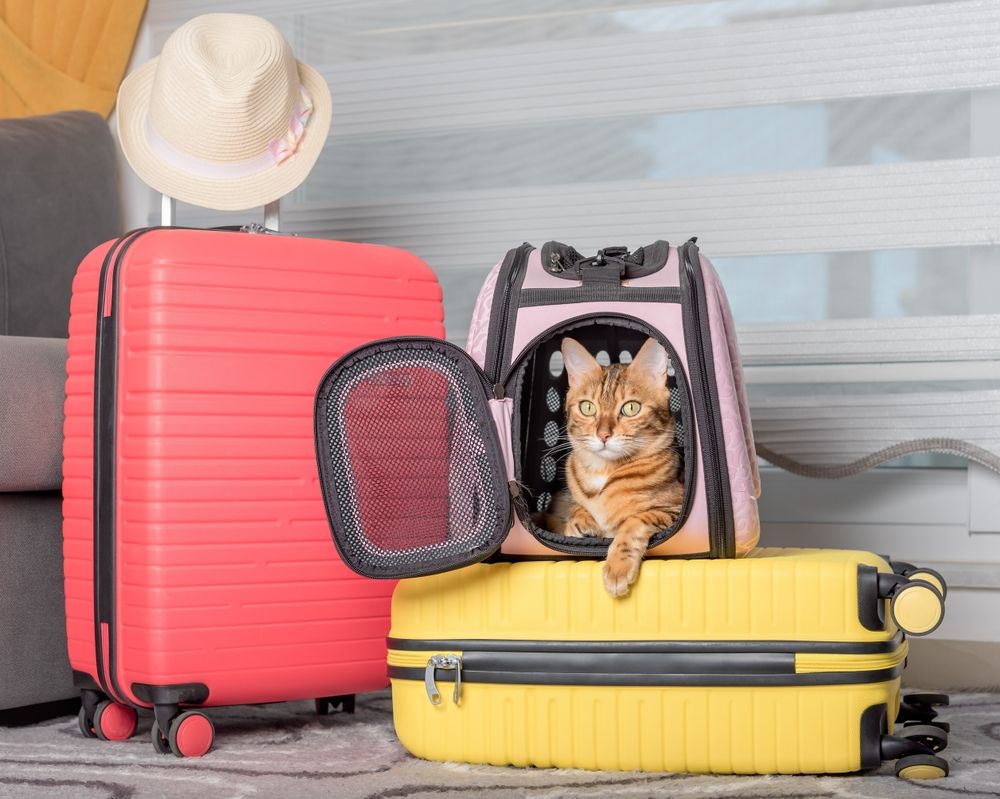
Traveling with a cat can be rewarding, but it requires thorough planning. Whether you’re getting ready to drive a short distance and hang out with family or fly somewhere for a relaxing vacation, there are a few factors to consider when traveling with your cat.
Make sure to start the planning process early, especially if you’re traveling internationally or staying in a hotel during any part of your journey. Below, you’ll find 14 tips and tricks to make your journey with your cat successful.

The 14 Tips to Travel with a Cat
1. Invest in a Good Carrier
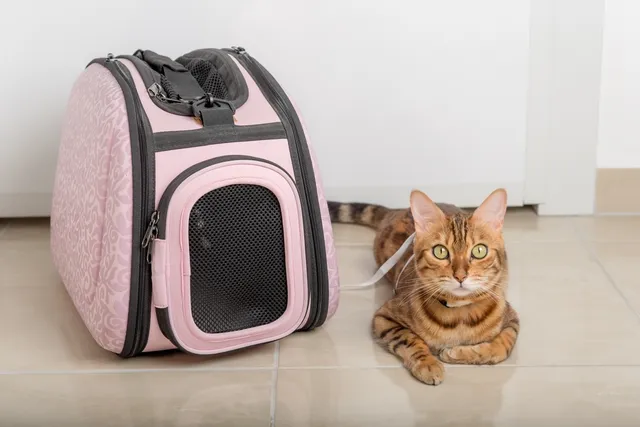
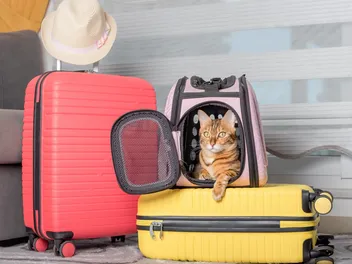
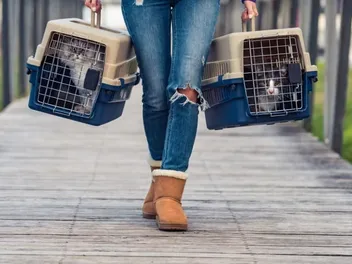
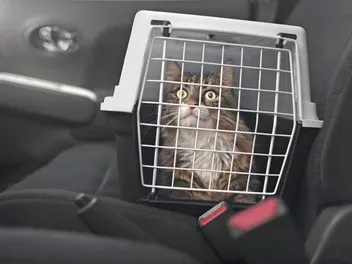
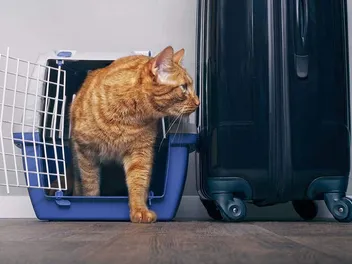
Cats should always be restrained when riding in cars, and airports require them to stay in their carriers at all times (except during the security screening process). Airlines have several rules and regulations regarding traveling with pets, including guidelines regarding the size of carriers.
Make sure the carrier you use meets the airline’s regulations and requirements. If you're driving, the sky's the limit when it comes to the size of your cat’s mobile palace. Carriers should be sturdy, well-ventilated, secure, and easy to clean. Plastic carriers are usually the best options.

2. Give Your Cat Time to Get Used to Their Carrier
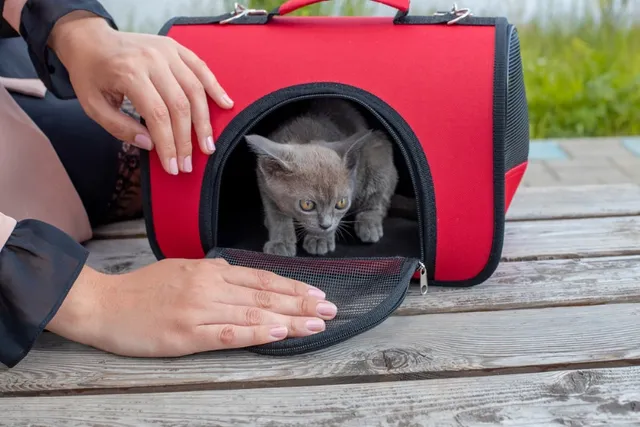
Because cats spend so much time in their carriers when traveling, they must feel comfortable in them. Consider leaving your cat’s carrier out so they can get used to it before your trip.
Letting your cat have dinner in their carrier a few times may encourage them to develop positive associations with their traveling home.
3. Invest in a Good Harness and Leash
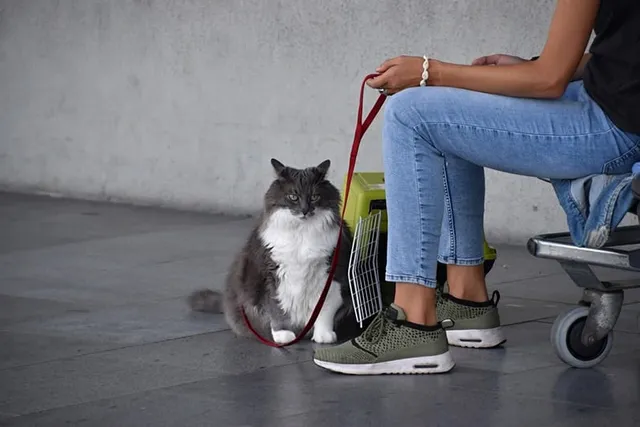
If you visit a rest stop during a road trip, your cat should be harnessed and leashed when they’re away from their carrier to ensure they can’t run off and get lost if they become scared.
Make sure the harness you choose fits properly, and give your cat time to get used to wearing it so they’re ready to do so when you hit the road.
Are you looking for the perfect cat harness? We suggest Hepper's Cat Harness & Leash Set, which includes a nicely designed, machine-washable harness made from soft, sturdy velvet and mesh.
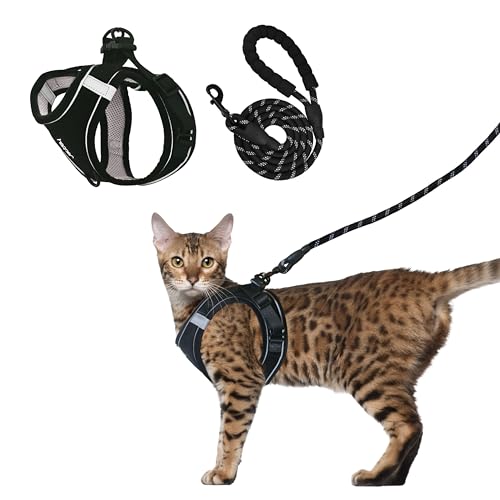
- Escape Proof - Cat leashes and harnesses for walking aren't all equally secure. Our double aluminium D-rings ensure strength when outside, as does the reinforced stitching on this step in vest.
- Superior Comfort - Our cat harnesses are lightweight, made with premium velvet fabric, breathable mesh, with soft edging and resilient cushioning. Also, it is machine washable. Looks and feels great!
- Free Extra Strength Leash - You don't need to worry about your cat escaping this harness. This cat leash is made of thick nylon climbing rope with rotating clamp to keep the strongest kitties at bay.
This harness is easy to put on and take off and features reinforced stitching, reflective stripes, and quick-release buckles. This set also includes a great leash made from durable nylon climbing rope.
At Catster, we’ve admired Hepper for many years and decided to take a controlling ownership interest so that we could benefit from the outstanding designs of this cool cat company!
4. Practice Everything
No matter how you’re traveling, your cat must be comfortable entering and exiting the carrier. If you’re flying, you’ll need to take them out of their carrier during the security screening process in the airport.
You can practice taking your cat out of the carrier when you’re around other people to make them more comfortable during the security check. If you plan on driving, consider taking your cat for a few practice rides to get them used to spending time in the car. Make sure to reward them for their cooperation!
5. Ask a Veterinarian for Advice
Some easily stressed cats may benefit from medication to help them stay mellow while traveling. However, sedation isn’t suitable for all cats, and most airlines won’t transport pets who have been tranquilized or sedated.
6. Have Cleaning Supplies on Hand
Pack a bag with cleaning supplies and plan to have it close at hand while you’re underway in case your cat has an accident and you need to do a bit of on-the-fly cleaning. It’s best to pack paper towels or cleaning wipes, gloves, and baggies for disposal.
Our Favorite Product
| Image | Product | Details | |
|---|---|---|---|

|
Hepper Wash Wipes |
|
Check Price |
It's hard to beat the convenience of pet-safe wipes after a big adventure, between baths, or when cleaning sensitive areas. Our favorite option is Hepper's Wash Wipes, premium wipes designed to safely and gently remove grime from cats and dogs of all ages and sizes. These hypoallergenic wipes are made in the USA and feature moisturizing ingredients to soothe your pet's skin.
At Catster, we’ve admired Hepper for many years and decided to take a controlling ownership interest so that we could benefit from the outstanding designs of this cool cat company!
7. Pack Toys and Blankets
Take a few of your cat's favorite toys and a well-loved blanket that smells like home to keep them comfortable while away from their territory. Putting a favorite blanket in your cat’s carrier may make being on the road less stressful.
A stuffed toy might look a little different than a traditional cat toy but many felines find them quite enticing. The Hepper Plush Whale serves a dual purpose, featuring a faux fur exterior that mimics prey and a soft interior for cuddling during long cat naps when playtime is over. The best part about it is it's an affordable option for ages, sizes, and conditions. Learn more about why your cat needs a plush here!

- Tailored size even for kittens - the compact size of the whale plush cat toy at 15cm long ensures optimal play. It's the perfect size among plush cat toys that makes it the perfect kitten comfort toy.
- Catnip Free Cat Toys - Made with top quality plush exterior & cotton interior, it's perfect for cats who are sensitive to catnip. The whale design adds to the excitement, making it a unique cat toy.
- Peaceful Playtime - No more squeaky cat toys for indoor cats. This stuffed cat toy is perfect for shared spaces for a serene atmosphere during work or rest. It's the self play cat toy for quiet play.
At Catster, we've admired Hepper for many years, and decided to take a controlling ownership interest so that we could benefit from the outstanding designs of this cool cat company!
8. Consider Portable Litter Boxes
If you’re traveling by car, pack a litter box with some of your cat’s regular litter. Plastic poop bags and a scoop are also essential. If you’re staying at a hotel, check their pet policies thoroughly.
Most hotels that accept cats don’t provide litter boxes and litter. Collapsible litter boxes are ideal for shorter trips and can be folded down and packed.
9. Pack Food, Water, Treats, and Medication
If you’re traveling by car, bring enough of your cat’s regular food to keep them happy while you’re away from home. It’s also helpful (and usually mandatory) to pack food and water for your cat while flying, but some cats may be too nervous to eat until you land.
If your cat takes medication, pack enough to last them for your entire trip, and consider putting it in your carry-on luggage to ensure you have access to it even if your checked luggage takes a detour.

10. Consider Pheromones
Commercial synthetic feline pheromone products may help some cats stay calm while underway by reducing stress and creating a sense of safety and well-being. They’re available in sprays and wipes, so your cat can enjoy the benefits of calming pheromones while you’re on the road.
11. Check Your Cat’s Microchip Registration
Ensure that the registry where your cat’s microchip is registered has the right contact information. Losing your cat when you’re out of town is a nightmare, but an up-to-date microchip can significantly improve the chances of their return.

12. Collect Your Cat’s Medical Information
It’s vital to collect your cat’s medical information before you plan to leave and make sure you have a way to access it while you’re on the road in case they require veterinary care while you’re away from home.
Ensure you have all the documentation and certificates your cat needs to travel, including their vaccination status. Remember that the requirements vary based on where you’re headed and how you plan to travel.
13. Double Check Your Reservations
If you plan on staying in a hotel at your destination, contact the property ahead of time to ensure pets are permitted and get information about the rules and requirements that may apply. Don’t forget to inquire about the availability of litter boxes and food and water bowls.

14. Invest in Physical ID Tags
It’s best to attach an ID tag with your name and contact information to your cat’s collar. It will make it easy for people to reach out to you if your cat gets loose and makes a run for it.
Microchips are helpful, but lost cats need to be taken to shelters or veterinarians with scanners for their chips to be read. ID tags make the reunification process far more efficient; if your cat runs off, anyone who finds them can simply give you a call.

Conclusion
Traveling with cats can be stress-free with a bit of planning and preparation. Make sure to get started before you hit the road with your cat, particularly if you’re thinking about flying or staying in a hotel. Also, don’t forget to invest in an appropriate carrier and give your cat lots of time to get used to it.
See Also:
Sources
Featured Image Credit: Angels Relax CZ, Shutterstock
Expert cat care, straight to your inbox
News, insights, and useful advice, delivered to you.

No spam — unsubscribe anytime.
By signing up, you agree to our Terms & Conditions and Privacy & Cookies Policy.
How useful was this post?
Click a star to rate. You can leave written feedback afterwards. (We read all feedback.)
Lorre Luther is a writer who is firmly convinced that cats are smarter than humans. She left her law career in the United States and moved to the Netherlands to follow her dream of becoming a writer. Lorre currently lives in Rotterdam, she enjoys traveling and greatly appreciates the beauty of nature. Lorre has a spot for animals and admires the intelligence of cats.