Should I Leave a Light on For My Cat? Vet-Approved Care Facts


In this article
Cat owners want to do everything they can to ensure their cats are comfortable, safe, and happy. Knowing that cats get up and play, hunt, or just move around the house in the middle of the night, some owners wonder whether it is a good idea to leave a light, or even a nightlight on, for their cats.
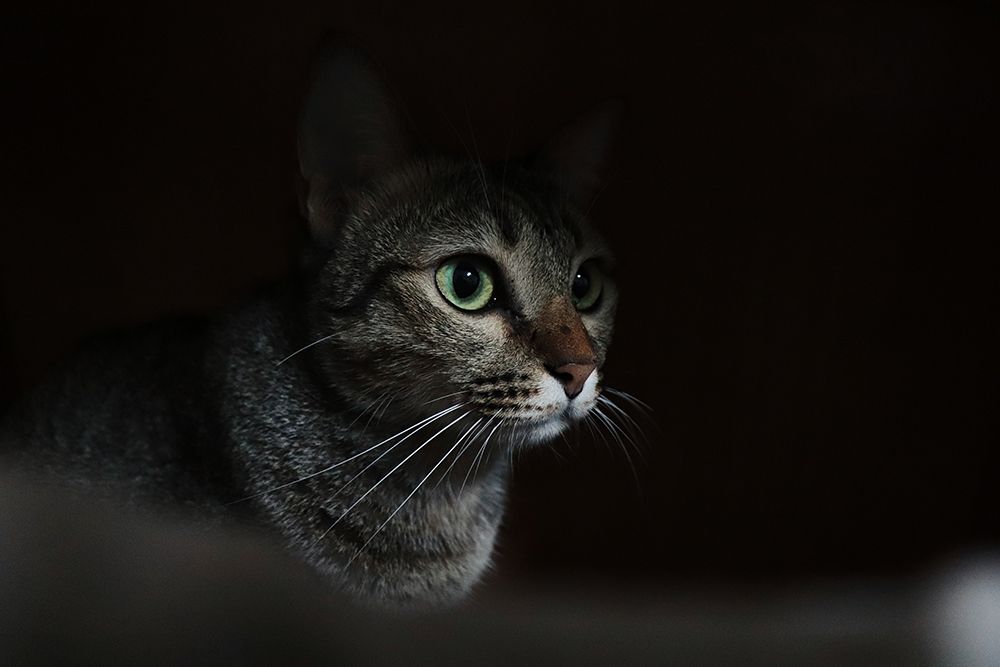
However, cats have very different eyesight and visual capabilities to humans and as long as there is just a small amount of light, they can see very well even in the middle of the night. As such, there is no reason to leave a light on for a healthy cat, although some cats, including those with certain visual impairments, might benefit.

Cat Vision
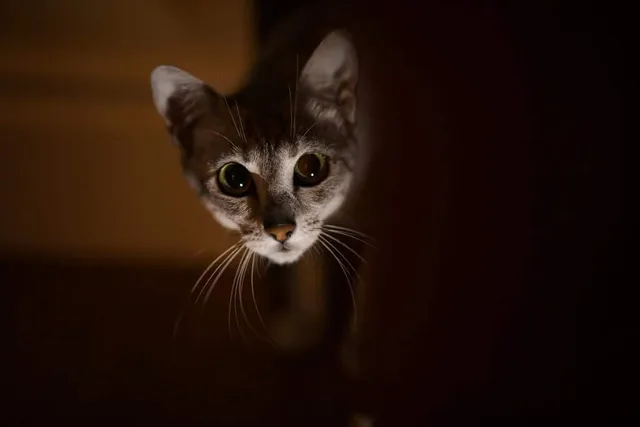
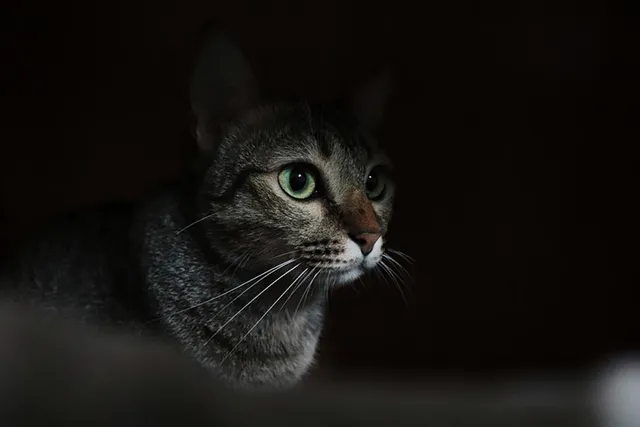
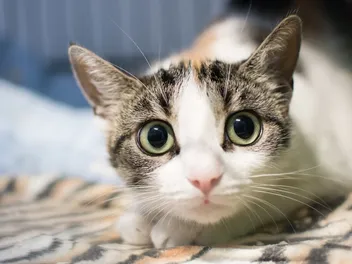
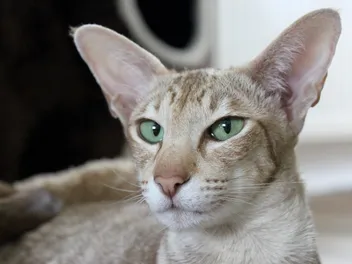
Cats have excellent vision in some ways. They have a wider field of vision than people, so they can see what’s going on around them. They are also excellent at spotting or identifying any movement. While they can’t make out as much detail as humans can, they truly excel when it comes to night vision. This is thanks to a reflective layer at the back of the eye.
The layer reflects light through the retina once it has initially passed through the eye. This enables cats to be able to use even small amounts of light to be able to see more efficiently even in very dark conditions.
In the wild, cats use their impressive night vision to see prey and combine it with their excellent ability to detect motion when hunting small animals. Despite the fact they do most of their hunting at night, cats are not fully nocturnal. They are closer to being crepuscular, which means they are most active at dusk and dawn, which is also when their prey is most active.
Unfortunately for owners, this means that our cats are most likely to get bursts of energy as the sun sets and again when it rises, and this is why pet cats can tend to wake us up once the lights are out.

The 4 Reasons Not to Leave the Light On
Wild cats are crepuscular. They are most active at dusk and dawn, but domestic pet cats don’t need to hunt or forage for food so you can encourage them to live the same hours as you do. And there are several reasons you likely won’t want to leave the lights on at night for your cat.
1. Reduce Rowdy Playfulness
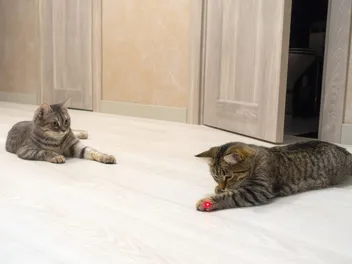
Cats come alive when it gets dark outside. It’s natural but it’s also off-putting for those that share the house with the cat. Although your cat can see perfectly well in reduced light, leaving a light on can encourage the cat to become rowdier and more excited.
2. Set Routines
If your cat becomes accustomed to having the light on at night and doesn’t sleep during the nighttime hours, they will be less inclined to change this. This doesn’t just mean one or two sleepless nights, either. It will likely lead to your cat developing routines throughout the night.
Whether that’s running up and down the stairs, using the opportunity for some heavy scratch post usage, or anything else, it means the whole house will be subject to your cat’s nighttime whims.

3. They Can See to Get Around
Cats don’t need lights on at night. Although they can’t see in total darkness, they can see with virtually any amount of low light, including moonlight from outside or the glare of streetlights outside the windows.
4. It Won’t Disturb You
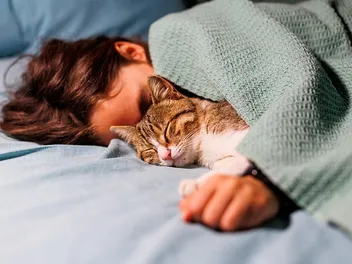
Even if it’s a crack of light under the doorway, it can be enough to illuminate an otherwise darkened room. The extra light, when coupled with the noise your cat makes because they are awake and lively, means you’re less likely to enjoy a proper night’s sleep.

When to Leave the Light On
Very young kittens can become distressed when they are first separated from their mother and littermates. It can be a good idea to leave a low light on for the first couple of days while your new kitten is settling in.
Also, if your cat has failing eyesight, it can be a good idea to leave a light on, so they have additional light to help them get around.
The 5 Tips to Quieten Your Cat at Night
Some cats are noisy at night, even when you do turn the lights off. Below are some tips to help quieten your cat at night so the whole house can get some decent rest.
1. Keep Them Active During the Day
Despite their reputation as low-maintenance pets, cats need physical exercise and mental stimulation every day. Keeping their body and mind working during daylight hours will ensure they are tired enough to sleep overnight. Do this consistently to establish a routine your cat can get used to. Cat TV, toys, music, training, climbing towers, and puzzles are great ways to keep your cat active.

2. Provide a Comfortable Resting Spot
Some cats can get comfortable anywhere. Others have very specific requirements and if you don’t meet those requirements, they won’t settle. Provide your cat with a comfortable bed and a blanket and ensure it is away from drafts and in a conveniently elevated position.
3. Offer Peaceful Toys
Nighttime playtime is natural for cats, and it is difficult to completely prevent it. You can, however, ensure your cat has a healthy supply of peaceful toys to play with. Consider toys like licking mats and silent balls, although no ball is completely silent when it’s rolling around a hard floor or bouncing off the wall.

4. Set a Routine and Stick to It
Try to get into a routine with set mealtimes for your cat and a dedicated bedtime. You can vary the time a little, but keeping a similar routine will get your cat into the habit of going to bed to sleep at the same time every night.
5. Avoid Playing Immediately Before Bedtime
Avoid playing with your cat immediately before bedtime and ensure that you give them their evening meal at least an hour before you want them to go to sleep. This will help encourage restfulness and ensure you can get a good night’s sleep, too.

Conclusion
Cats can see very well in very low light conditions, even if that light is only moonlight or streetlight through the window. As such, you do not need to leave a light on at night. In fact, doing so could encourage your cat to run around, play, and make noise.
Encourage restfulness by getting into a consistent routine including set evening mealtimes and lights out time.
Sources
Featured Image By: Mookmixsth, Shutterstock
Expert cat care, straight to your inbox
News, insights, and useful advice, delivered to you.

No spam — unsubscribe anytime.
By signing up, you agree to our Terms & Conditions and Privacy & Cookies Policy.
How useful was this post?
Click a star to rate. You can leave written feedback afterwards. (We read all feedback.)
Matt is a freelance writer from the UK. He lives with his partner and daughter, as well as one dog and two cats.
A data analyst by trade, Matt moved from numbers to words more than 15 years ago and has been writing content ever since. Having volunteered at a local animal sanctuary, he has a lot of experience with different breeds of cats, dogs and horses. He currently shares his home with his partner and daughter, as well as a rescue dog from Macedonia (which might be an Akita cross) and two cats. Matt has also kept bearded dragons, a variety of birds, fish, guinea pigs, hamsters, mice, and rats. His daughter has adopted the same passion for animals, keeping and breeding snakes.
A geek at heart, Matt is a member of a local board gaming group that meets weekly, and regularly forces his family to “enjoy” board games with him at home.