Veterinary Telehealth for Cats: Vet Reviewed Pros, Cons & Best Options


In this article
There are few things as stressful as having a sick cat. Your mind can race to horrible conclusions instantly, especially when you don’t have your vet’s expertise to help you get to the bottom of the issue. In a perfect world, you would be able to contact your vet at any time of the day or night. When your vet is unavailable, what are your options? One resource available to you is veterinary telehealth.

How Does It Work?
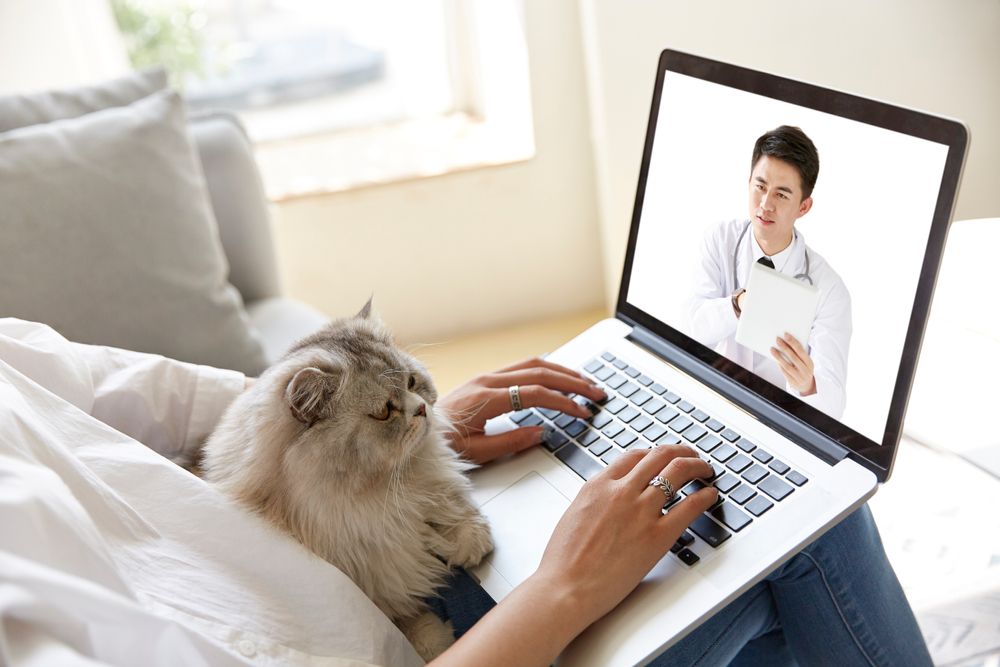
The way veterinary telehealth works depends on the company you work with. Some provide veterinary advice for free, while others require you to purchase a membership plan. Regardless of the service, you will have the ability to talk to a veterinarian from your own home. This can be done over the phone, email, online chat, or an online video call.
Typically, this service is used for triage or non-emergencies. The veterinarian you speak with can provide you with general medical advice as well as answers to any questions you have regarding your cat’s health, nutrition, behavior or preventative care. If your cat is in a poor state of health, a telehealth veterinarian can determine how urgent your cat’s issue is and provide immediate advice for your next steps.

What Are the Different Types of Veterinary Telehealth for Cats?
Taking a cat to the vet is not always easy, which is why some pet parents rely on telehealth services in non-emergencies. Due to their convenience and usefulness, more veterinary telehealth services are sprouting up around the country.
Veterinary telehealth takes many forms, such as through phone calls or video calls, each with unique features and benefits. Some are offered for free, while others are only given to paying members. Below are some examples of different types of veterinary telehealth services that you could seek out.
1. FirstVet

FirstVet provides 24/7 access to their trained veterinarians through video chat consultations. They record sessions, providing transcripts and medical journals for your convenience. They also save your pet’s medical records so that they can provide you with more personalized care in the future.
2. PetCoach

PetCoach is a veterinary telehealth service that is run by PetCo. This service is a forum-based database where concerned pet parents can ask questions and search for answers.
3. AskVet

AskVet is a 24/7 live chat service offered through a monthly subscription plan. You have to be a member to receive services from AskVet, and members enjoy a massive pool of resources that helps them care for their pets.
Where Is It Used?
Veterinary telehealth can be used practically anywhere, and pet parents only need to have a method of communication (such as a phone or a computer) to take advantage of veterinary telehealth services. While veterinary telehealth is not appropriate for every situation, there are plenty of circumstances where it is incredibly useful.
General Information
One of the best uses of veterinary telehealth is for general questions and information. Communicating with a veterinarian from your own home is an easy way to talk about your cat’s health and receive reliable advice for preventative care, dietary needs, behavioral issues, and more.
Many veterinary telehealth programs will not just provide you with the answers you need, but they will also send you resources you can refer to later on along with a written report.
Determining the Urgency of a Problem
Another great use of a veterinary telehealth service is to determine the severity of your cat’s issues. If your cat has started acting strangely recently or is showing signs of an illness, contacting a veterinary telehealth service can get you on track to determine your next steps.
They can tell you whether or not you should contact an emergency veterinarian clinic or wait until your regular vet’s clinic hours. This can help you receive prompt treatment for your cat so that they feel happy and healthy as soon as possible.
Asking Follow-Up Questions
Veterinary telehealth services are a valuable resource when it comes to non-urgent follow-up questions regarding your cat’s health condition. If there are things you forgot or ran out of time to ask your regular vet, or you are unsure of the treatment plan, contacting a veterinary telehealth service can give you more clarity on the situation.
However, it is important to recognize that veterinary telehealth does not have all of the resources that your regular vet does and they cannot fully examine your pet through a telephone or computer screen.
Advantages of Veterinary Telehealth for Cats
Veterinary telehealth provides plenty of benefits for cat owners. Convenience is at the forefront of these advantages, and there are few things more convenient than attending an appointment from your couch. Telehealth services allow you to stay up-to-date with some aspects of your cat’s care despite your busy schedule. It can fill the gaps between in clinic vet appointments while still providing individualized, professional advice for your cat.
Another great benefit is the constant access to a vet. Veterinary telehealth services give you much more access than your regular vet can, so you can have your pressing questions answered at any time with many telehealth vets operating 24/7. They can let you know whether your concern is an emergency and should be seen urgently by an emergency veterinarian. A significant advantage of veterinary telehealth is that it gives you peace of mind and keeps you informed.
It isn’t practical to schedule an appointment with your regular vet every time you have a question. However, with veterinary telehealth services, you can contact a vet whenever you like to learn more about your cat’s healthcare needs.
Disadvantages of Veterinary Telehealth for Cats
While veterinary telehealth is a convenient and valuable resource, it does have its drawbacks. One of the major disadvantages of veterinary telehealth is that in most situations vets cannot diagnose or prescribe medication. Some services can provide that option (referred to as telemedicine), but most legally cannot because they do not have a veterinary-client-patient relationship (VCPR).
A VCPR is established when your veterinarian has examined your pet in person, except in a few states where a relationship can be established electronically. It is maintained by regular veterinary visits- typically at least every 6 months, depending on your animal’s health.
Other disadvantages come with the fact that the vet is not in the room with you. They cannot physically examine your pet to provide the fullest care possible, and you may suffer from technical difficulties such as a loss of internet connection or challenges getting clear images or videos of your cat.
Frequently Asked Questions
If you think that veterinary telehealth is a service you’d like to take advantage of, you’re not alone. Many pet parents use veterinary telehealth as a convenient resource to stay on top of their pet's health.
Before jumping to find a service, you probably have some questions. Below, we’ll answer some frequently asked questions so you can better understand veterinary telehealth.
What Should You Expect During a Veterinary Telehealth Appointment?
Before heading to your first appointment, it is important to know what to expect. Like a normal vet appointment, preparation is vital, so make sure you have access to important veterinary documents, pictures, and any other information you think may be valuable.
For example, if you’re contacting a veterinary telehealth service because your cat ate something, have the food label on hand so the vet can accurately assess your cat’s condition.
Be prepared to describe why you made an appointment with the veterinary telehealth service so that the vet can provide you with the information and resources you need. Also, be ready to discuss your cat’s normal habits, such as eating, drinking, and litter box behavior.
What Resources Can You Expect to Receive?
The resources you receive may depend on the purpose of your call and the specific service you consult. For instance, an online chat service may be more limited than a video call consultation.
If you want access to resources, research the different veterinary telehealth options and choose one that provides its users with what you are looking for.
When Should You Take Your Pet to the Vet?
Veterinary telehealth is not appropriate for every situation. For example, if your cat is bleeding, suffering from a traumatic injury, experiencing seizures or other neurological conditions, or having difficulty breathing, go to an emergency vet clinic right away.
Conclusion
Veterinary telehealth can be a tremendous resource for cat owners. It is an excellent, accessible service for seeking reliable information and determining the urgency of a situation. It can save travel time, reduce stress for nervous cats and give peace of mind for worried pet parents. While this service has some limitations, the convenience and constant access to support make it well worthwhile.
As helpful as veterinary telehealth is, it should never be a substitute for regular vet appointments. Instead, the two should be used in harmony so that you can provide the best care possible for your cat.
Featured Image Credit: imtmphoto, Shutterstock
Expert cat care, straight to your inbox
News, insights, and useful advice, delivered to you.

No spam — unsubscribe anytime.
By signing up, you agree to our Terms & Conditions and Privacy & Cookies Policy.
How useful was this post?
Click a star to rate. You can leave written feedback afterwards. (We read all feedback.)
Cats are Jordyn’s passion. Whenever she has the opportunity she loves to learn about animals and share her knowledge with everyone. She is devoted to her sassy tabby cat named Jack and works hard to buy him his favorite treats and toys. Discovering new ways to better care for her cat is always on her to-do list, and she is eager to help pet parents everywhere. In Jordyn's spare time, she loves to write, read, and take long walks. She has a creative spirit, which often helps her to come up with funny cat names.