What Does It Mean if Your Cat's Eyes Change Color? Our Vet Answers

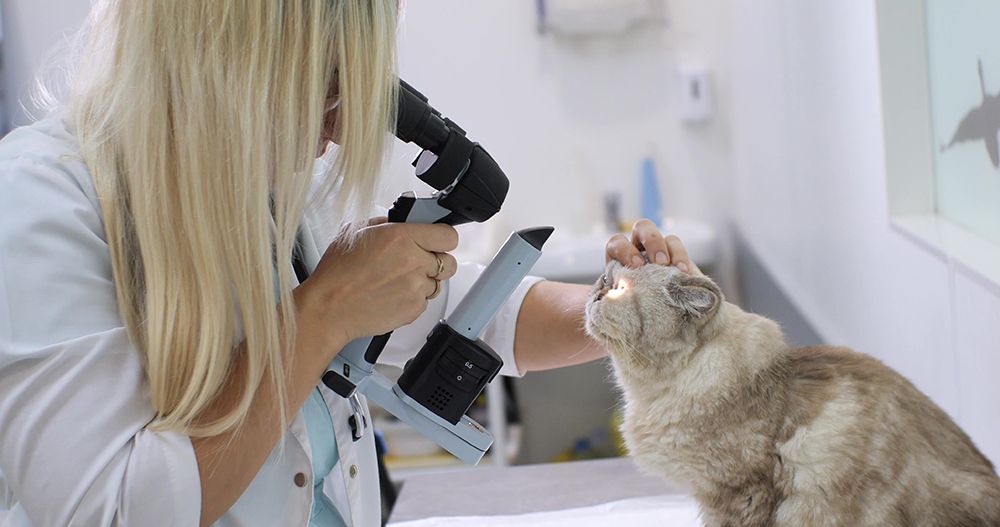
It is said that the eyes are the window to the soul, and I think that's especially true when it comes to the beautiful eyes of our feline friends. But did you know that your cat's eyes can also be a window to their health? Changes in a cat's eye color can be an indicator of a potentially serious health problem.

Normal Cat Eye Color

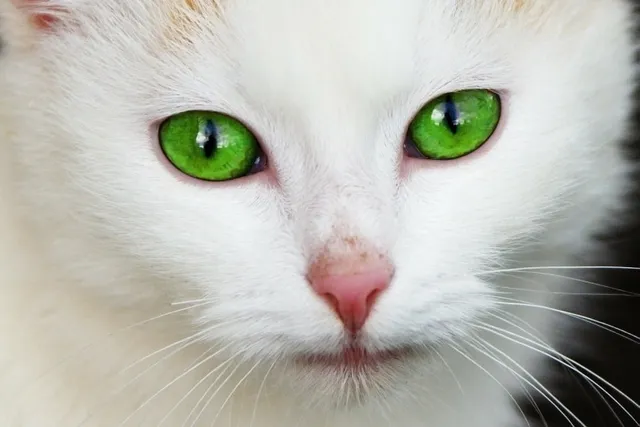
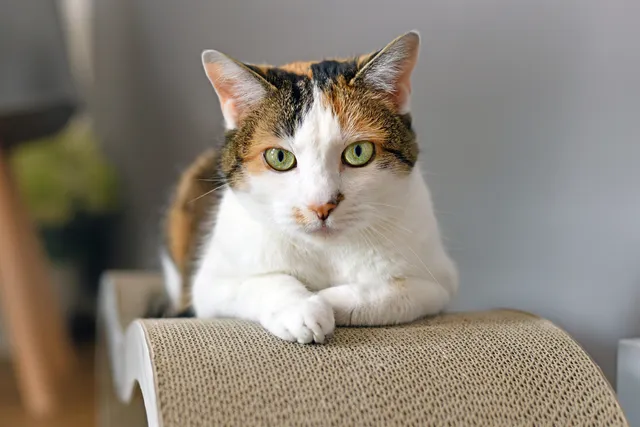
Normal cat eyes cover a range of different colors. All kittens are born with blue eyes. At around 7 weeks of age, kittens' eyes begin to change to their adult colors ranging from green, yellow, orange, amber, copper, and brown. This color change is usually complete by the time a kitten is 3 months old.
Odd-Eyed Cats & Deafness

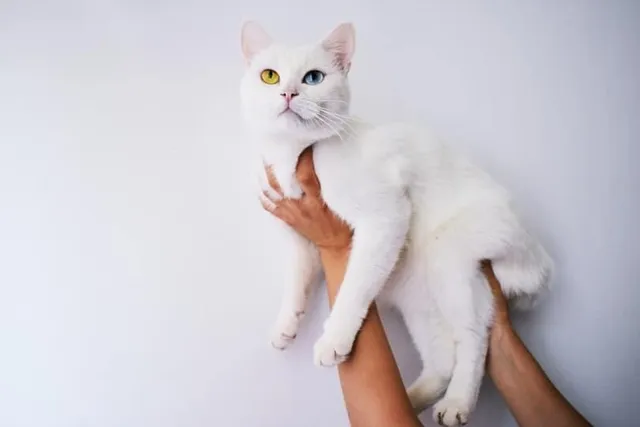
Some cats have different colored eyes, also known as heterochromia. This is not unusual, and is most often seen in white cats. There are three types of heterochromia:
- Complete heterochromia: A cat has two different eye colors.
- Segmental heterochromia: A cat has different colors in the same eye.
- Central heterochromia: The affected eye has rings of spikes of a different color from the rest of the iris radiating from the pupil.
Cats with a white coat and blue eyes have a higher chance of carrying a gene that determines congenital deafness. This means that cats will be born deaf in one or both ears because their auditory apparatus degenerates. Interestingly, white cats with just one blue eye have less of a chance of being born deaf than cats with both blue eyes. However, not all blue-eyed or odd-eyed cats with a white coat will be deaf.
If you have any concerns about your cat's eyes or their health in general, we recommend you contact your vet directly.

The 3 Health Issues Related to Eye Color Changes in Adult Cats
Changes in iris color are often a sign of a serious eye health problem.
1. Uveitis
Uveitis is the inflammation of the uveal tract of the eye, which consists of the vascular layer of the eye comprising the iris, ciliary body, and choroid. It can be caused by problems affecting only the eye or the whole body, including:
- Blunt or penetrating trauma to the eye
- Bacterial or fungal infection
- Viral infections, such as feline infectious peritonitis (FIP), feline leukemia virus (FeLV), and feline immunodeficiency virus (FIV)
- Tumors
- Immune-mediated problems
Signs of uveitis include red eye, cloudy eye, an abnormally shaped pupil, light sensitivity, squinting, rubbing at the eye, and protrusion of the third eyelid. If you notice any of these signs, your cat needs to be seen by your veterinarian as soon as possible. Uncontrolled uveitis can lead to vision loss, cataracts, glaucoma, and pain.

2. Glaucoma
Glaucoma occurs when the pressure inside the eye increases because there is an abnormal drainage of the aqueous humor, the fluid that is constantly produced and evacuated from the eye. Glaucoma in cats is normally secondary to another eye problem, such as uveitis, and can lead to vision loss, even if treated. Typical signs are a swollen, red, cloudy eye with an odd-looking pupil.
3. Liver Shunt
While copper-colored eyes are normal in some cats and even highly desired by some breeders, they can also be an indicator of a liver defect. Portosystemic or liver shunts occur when there is abnormal communication between the blood vessels of the intestine and the rest of the body, causing toxic substances to not go to the liver to get metabolized and instead reach the normal circulation. If your cat’s eyes change color to copper, make sure you contact your vet immediately.

Conclusion: Sudden Changes in Eye Color Require Immediate Veterinary Attention
Eye color changes in adult cats are always a cause for concern. If your cat's eye color changes suddenly or over a period of time, consult with your veterinarian as soon as possible.
Featured Image Credit: santypan, Shutterstock
Expert cat care, straight to your inbox
News, insights, and useful advice, delivered to you.

No spam — unsubscribe anytime.
By signing up, you agree to our Terms & Conditions and Privacy & Cookies Policy.
How useful was this post?
Click a star to rate. You can leave written feedback afterwards. (We read all feedback.)
Dr. Marta Vidal-Abarca BVSc GPCert (Ophthal) MRCVS (Veterinarian)
Dr. Marta has over 16 years of veterinary experience, working across the UK and Spain as a remote veterinary consultant and in the clinic. She graduated from Cardenal Herrera-CEU University in Valencia, Spain. She holds two Ophthalmology Certificates, GPCert Ophthal from ESVPS and UAB. She has wide experience in small animal internal medicine and surgery with a soft spot for cats. Marta is a member of the Royal College of Veterinary Surgeons, and her main fields of interest are ophthalmology and critical care medicine. Dr. Marta loves being able to share the most helpful information with pet parents across the world as one of Catster's in-house veterinarians. She wants to provide details that can help in all aspects of pets' lives with their beloved ones. She loves knowing that she can support our readers and communicate about any medical topic that might be relevant to their pet's health and well-being.