Do Cats Get Lonely Without Other Cats? Vet-Reviewed Feline Social Behavior


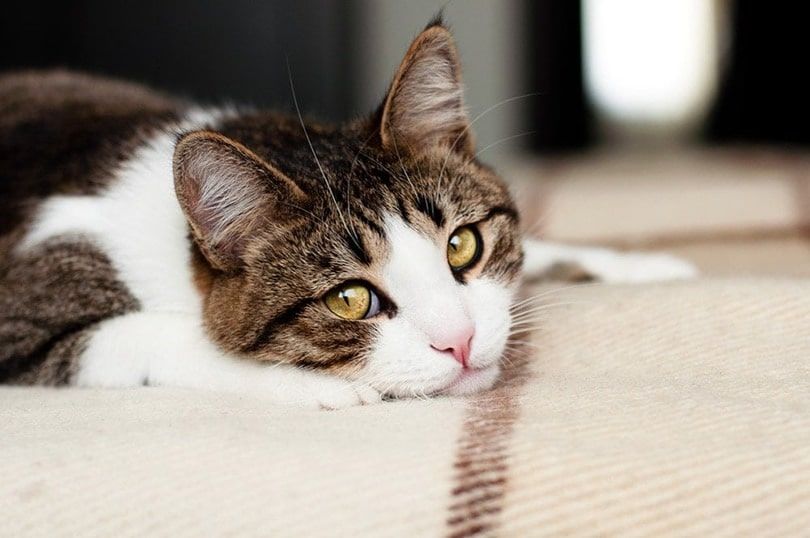
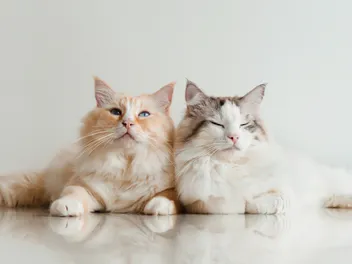
If you live in a home with multiple cats, you know that despite a few disputes, they can get along quite well and even seem to be best friends in many cases. If one were to die sooner than the other, many owners worry that their remaining pet would feel lonely. People with a single cat often have the same question because as humans, we often get lonely when we are alone too long.
There is scientific evidence that cats value our company and that we are an important part of their lives, not only as food or shelter providers. We also know that cats have flexible social structures and many form tight bonds with other cats. Felines that are used to living with other felines may get lonely without others around, but keep reading as we discuss this in more detail and how you can avoid this issue.

Do Single Cats Get Lonely?
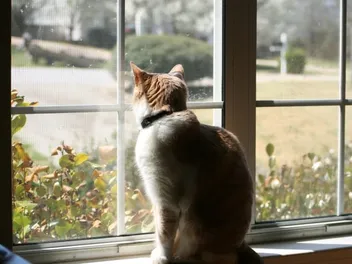
Cats have flexible social structures. Some cats will happily live as solo cats, while others bond closely with their companion cats. So, it’s hard to say that all cats need the company of another cat. Most single cat owners will tell you that their pet seems perfectly happy to be the only cat in the home, and attempting to adopt another feline after the first cat gets comfortable can be challenging. Therefore, it seems like in most cases, humans can provide all the companionship that a cat requires to prevent loneliness.

Do Cats Get Lonely After Another Cat Dies?
While having multiple cats in your household can mean frequent squabbles, some cats will deeply mourn a lost companion after they are gone and might also do the same for human family members. Signs of mourning normally start with vocalizations, pacing, and searching. This phase is followed by having a decreased appetite and a lack of desire to play, sleeping even more than usual, and sulking around. There is no standard way to respond to the loss of a companion among cats. Also, how long bereavement lasts can vary from days to weeks or even months. However, not all cats will go through this process, and some will appear unaffected.
Do Cats Like Other Cats?
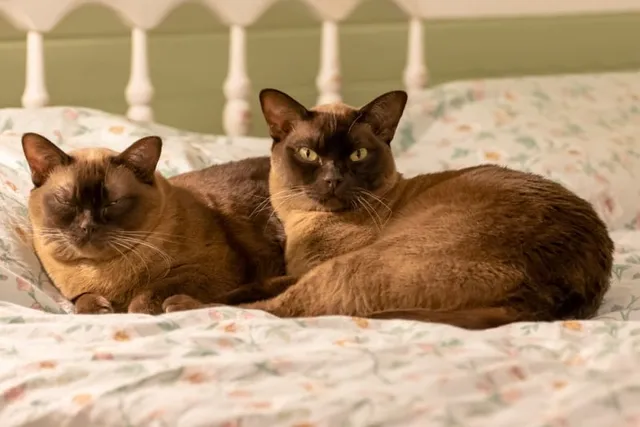
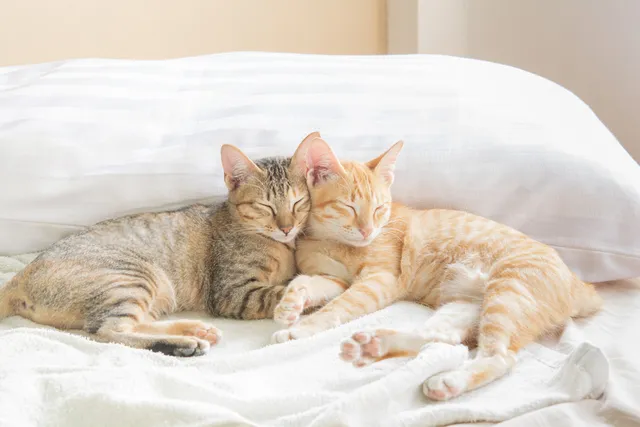
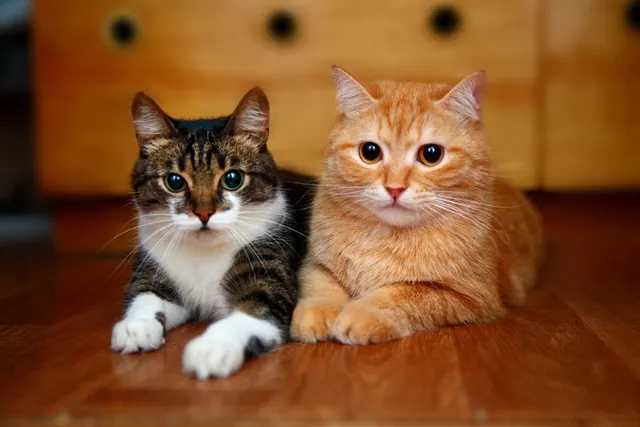
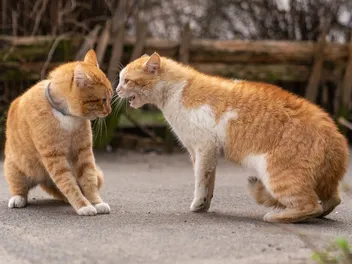
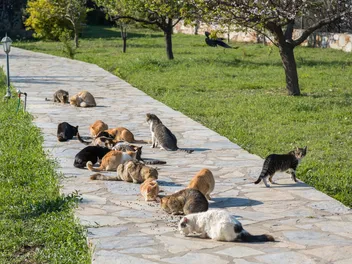
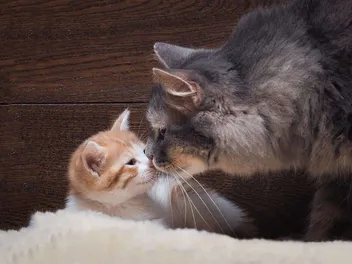
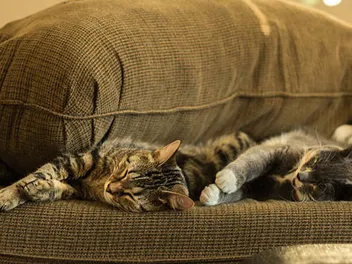
Contrary to the belief that cats are strictly solitary, many cats can form different types of social structures for being friendly to each other, especially when living in close proximity. In multi-cat households, cats organize themselves based on preferences and will have affiliative and antagonistic relationships. Over time, cats may groom each other, share sleeping spaces, and engage in playful interactions, which certainly makes it seem as if they like each other. However, if you are bringing a new cat into the household, you will need to keep them separated at first and introduce them slowly. While some cats may form instant bonds, others may take time to adjust to a new feline presence.

Do Cats Need Other Cats?
While a cat might not need other cats to get through life, some multi-cat household owners will tell you that their cats have more opportunities for exercise and mental stimulation, which helps prevent boredom in their pets and improves overall mental well-being. In a single-pet household, the owner is solely responsible for providing mental stimulation and exercise.
Do Cats Like to Be Alone?
Just like some people are more sociable than others, cats also exhibit individual preferences. One cat might be friendly and outgoing, while another is shy and hostile, preferring to spend more time alone. Understanding and respecting your pets’ personalities will contribute to harmonious relationships with everyone.

Tips for Helping Cats Get Along
- Start by allowing unfamiliar cats to sniff each other under a door or through a crack so they can get familiar with each other without coming face to face, which can often lead to aggressive behavior and raise tension.
- Gradually swap their bedding or toys to familiarize them with each other’s scents before a face-to-face meeting.
- Ensure that all cats have enough resources: food, water bowls, litter trays, beds, high resting places, private areas, scratching posts, and toys. Make sure there is easy access to these resources to minimize competition and territorial disputes.
- Provide each cat with a designated safe space where they can retreat if they feel stressed or overwhelmed.
- Reward positive behavior with treats and praise. Reinforce good interactions between the cats to create positive associations with each other.
- Using a shared scent, such as a communal blanket or toy, can promote a sense of unity among the cats.
- Allow the cats to engage in parallel play, where they play with similar toys or in the same area without direct interaction.
- Ensure that each cat receives individual attention and affection to help prevent jealousy and reduce the likelihood of one cat feeling neglected.
- Building relationships between cats takes time. Be patient, and let the cats establish a hierarchy and comfort levels gradually.
Tips for Preventing Loneliness in Cats
Making your home cat-friendly will have an extremely positive impact on your cat’s happiness and well-being.
- Provide a variety of interactive toys that stimulate your cat’s mind and body, such as puzzle feeders, electronic motion toys, and feather wands, to keep them entertained and engaged, thus reducing boredom and loneliness.
- Provide climbing structures like scratching posts and window perches that enable them to observe the outside world.
- If it’s safe and appropriate for your location, set up a secure outdoor space where your cat can explore.
- Some cats enjoy calming music or the sound of nature, which can create a soothing atmosphere and reduce stress.
- Establish regular feeding times, play sessions, and grooming routines to create a schedule that your cat can rely on.
- Regular grooming keeps your cat’s coat healthy and provides an opportunity for bonding.
- If your cat consistently exhibits signs of loneliness, consider adopting another cat.
- If you notice significant changes in your cat’s behavior or suspect loneliness is affecting their well-being, consult with a veterinarian to rule out any underlying health issues or to seek guidance.
Our Favorite Cat Toys Right Now
Here are a some of our favorite toys, each catering to a variety of senses and play preferences. Which one will your feline fancy?
| Image | Product | Details | |
|---|---|---|---|

|
Hepper Catnip Mice Toy Set |
|
Check Price |

|
Hepper Furball Set |
|
Check Price |
At Catster, we've admired Hepper for many years, and decided to take a controlling ownership interest so that we could benefit from the outstanding designs of this cool cat company!

Summary
Cats’ social structures are flexible, and they can happily live as only cats or form tight bonds with others. Cats that are used to social interactions with other cats can get lonely if they are deprived of this interaction. However, not all cats necessarily need or desire the company of other felines. Depending on their personality, some cats will be more open to the company of other cats than others. If they are hesitant, you will need to introduce them slowly and have patience when bringing a new feline into your household. Most likely, a cat won’t mind being the only cat as long as they get plenty of attention from their owner, but they will form strong bonds with other pets over time if they are around, and they will likely mourn if something happens to them.
See also:
What Do Cats Do When They Are Alone? Tips on Making It Fun for Them
Is It Ok to Have Just One Cat? Facts, Loneliness Signs & FAQ
Featured Image Credit: medveda, Shutterstock
Expert cat care, straight to your inbox
News, insights, and useful advice, delivered to you.

No spam — unsubscribe anytime.
By signing up, you agree to our Terms & Conditions and Privacy & Cookies Policy.
How useful was this post?
Click a star to rate. You can leave written feedback afterwards. (We read all feedback.)
Ed Malaker is a veteran writer who has contributed to a wide range of blogs that cover tools, pets, guitars, fitness, and computer programming. When he’s not writing, Ed is usually performing DIY projects around the house or working in the garden. He’s also a musician and spends a lot of time helping people fix their guitars and composing music for independent films.