Tortoiseshell Cat: Info, Pictures, Care & Facts
In this article
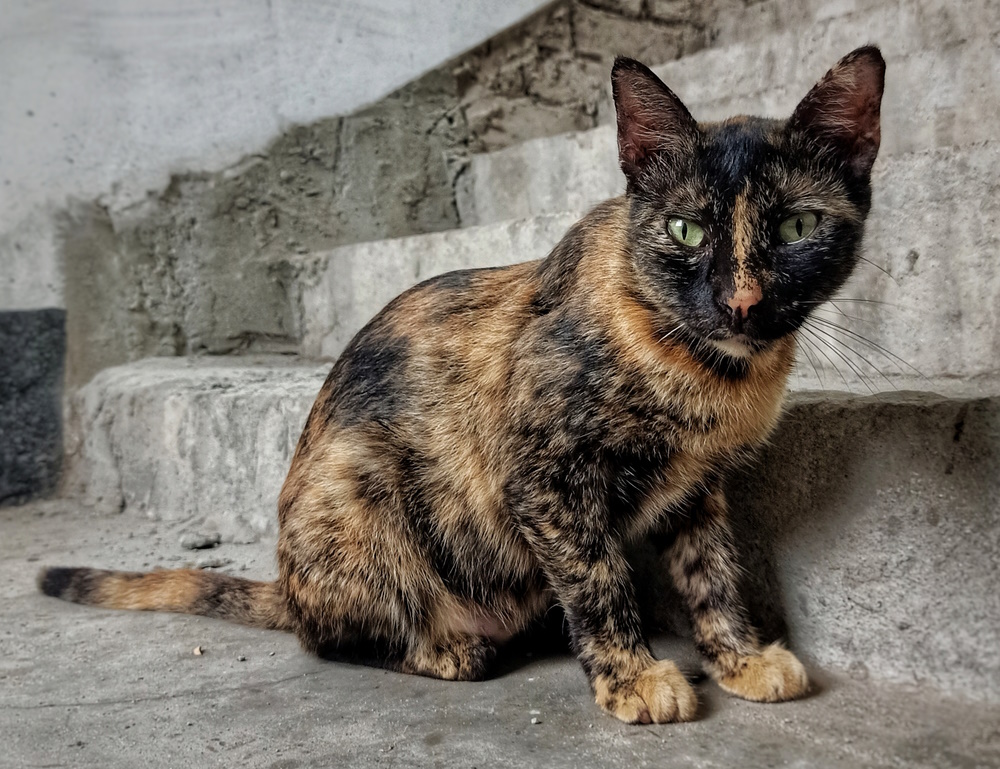
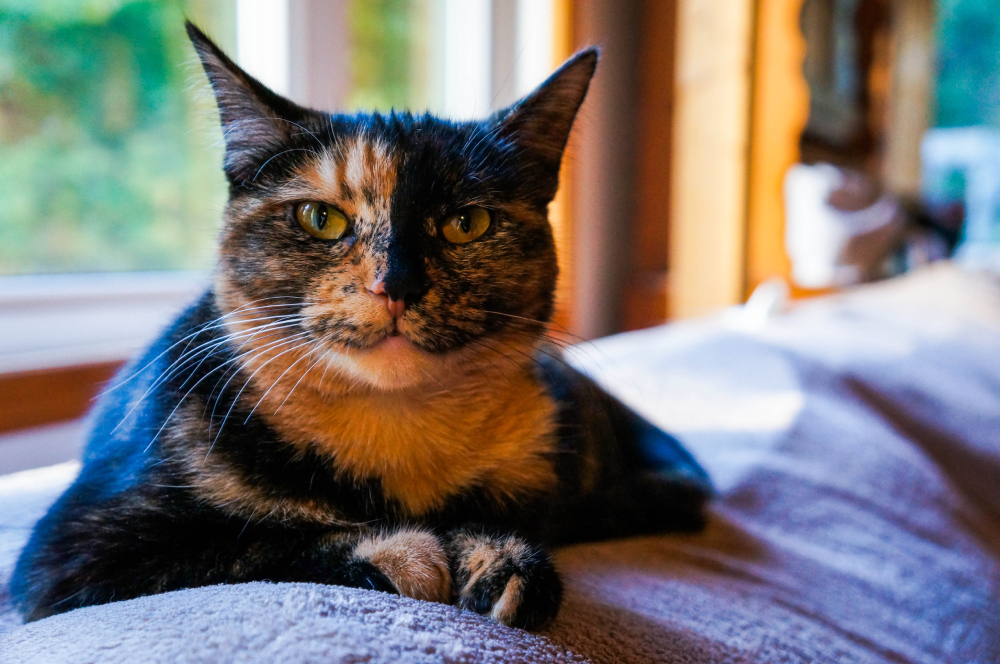
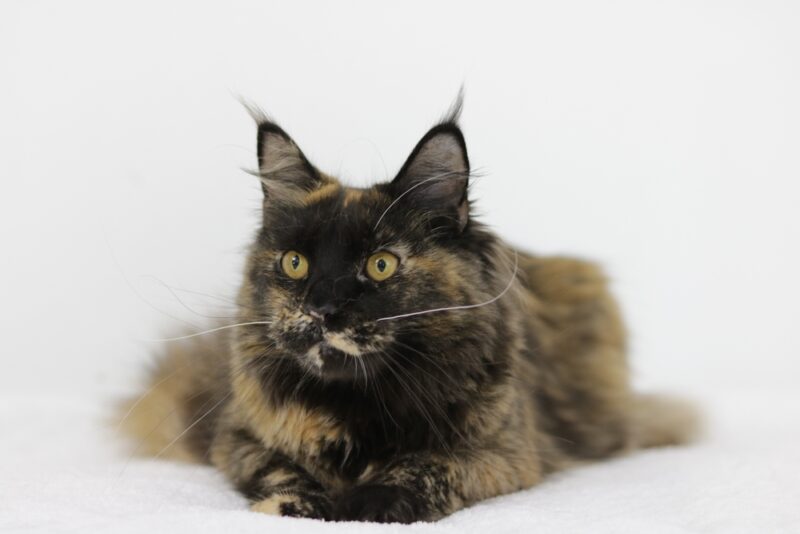
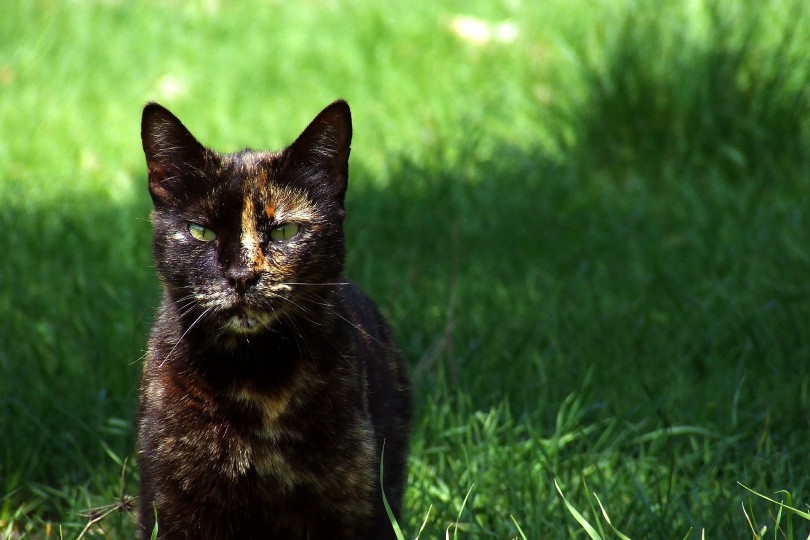
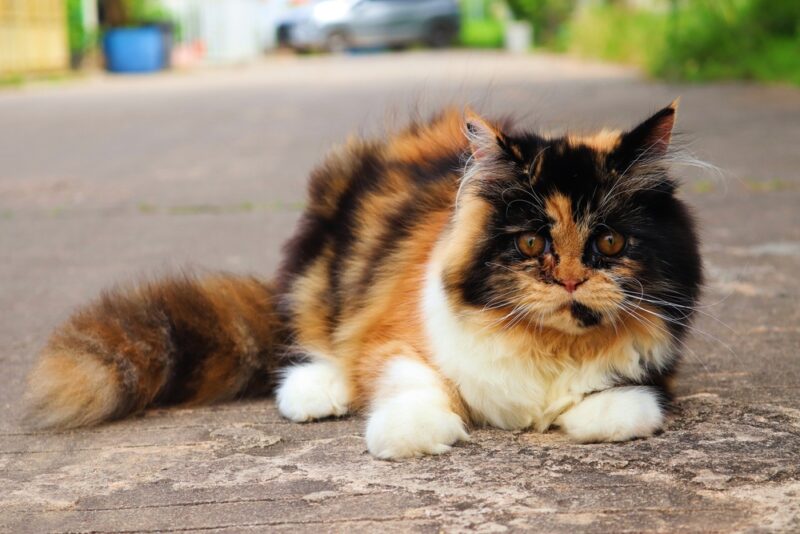
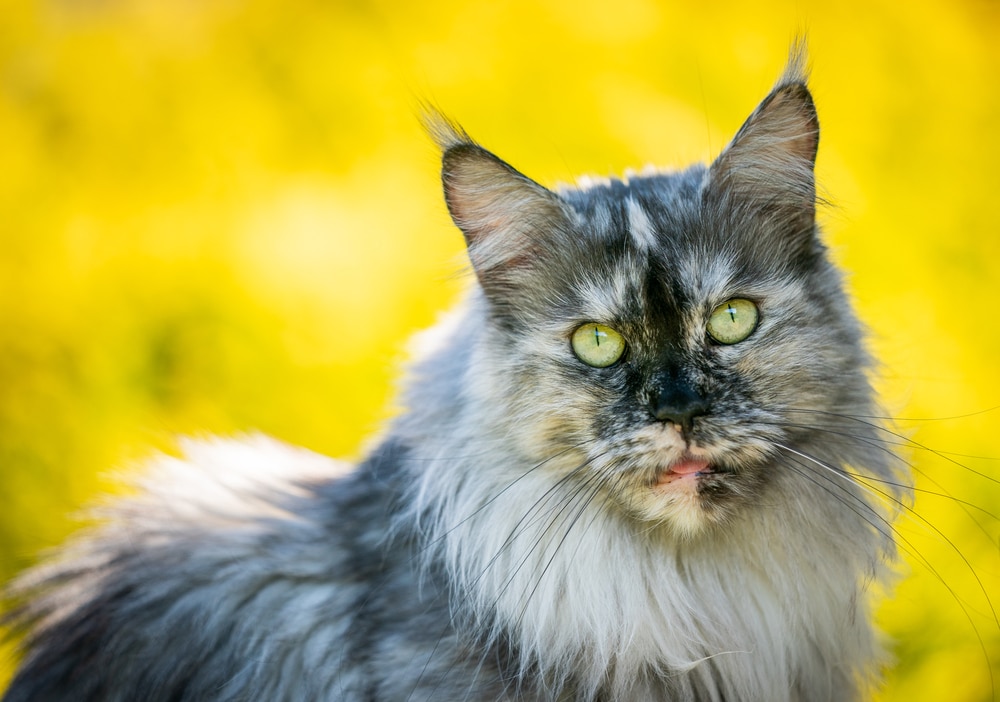
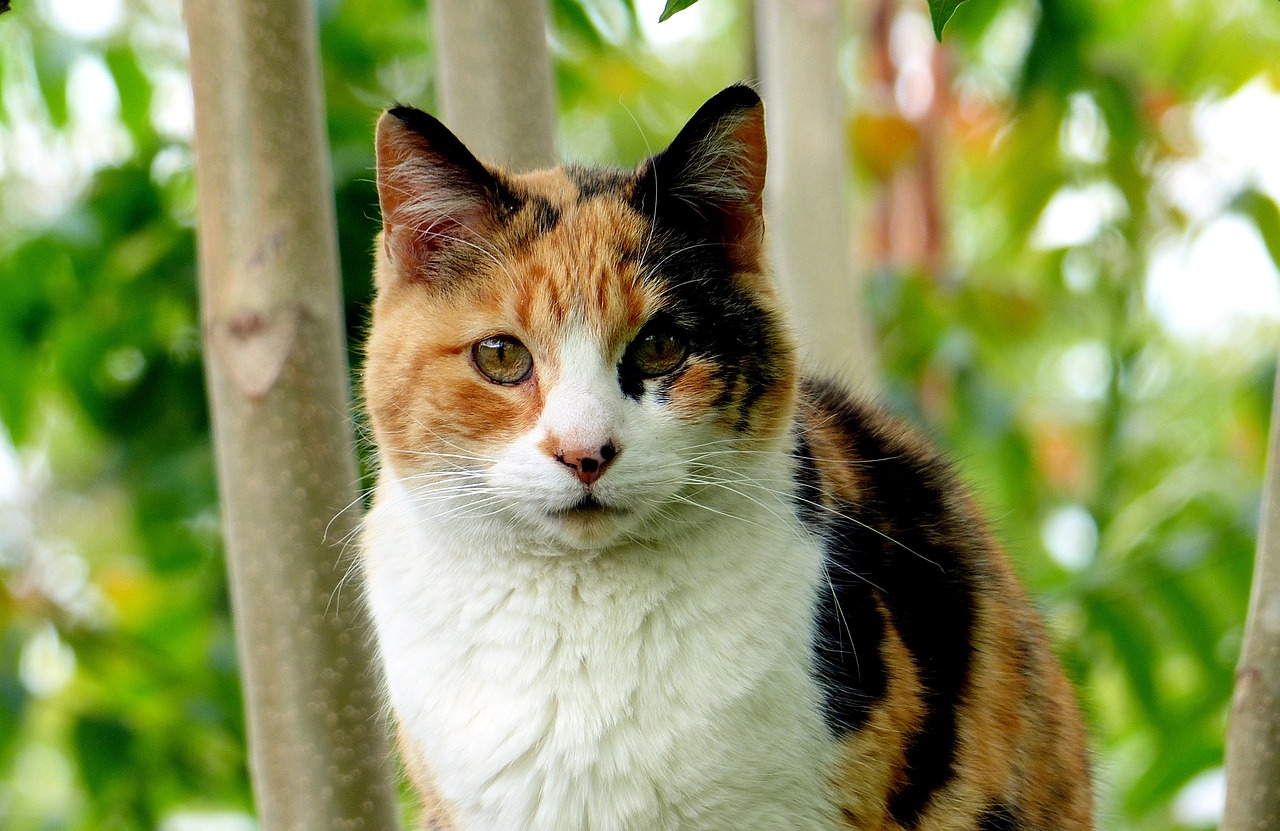
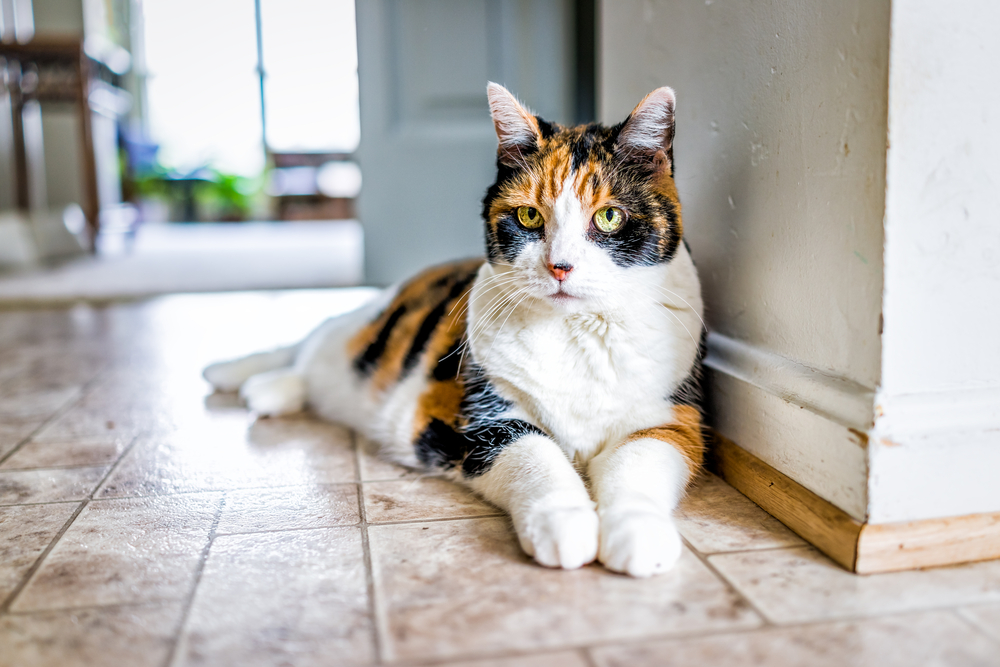
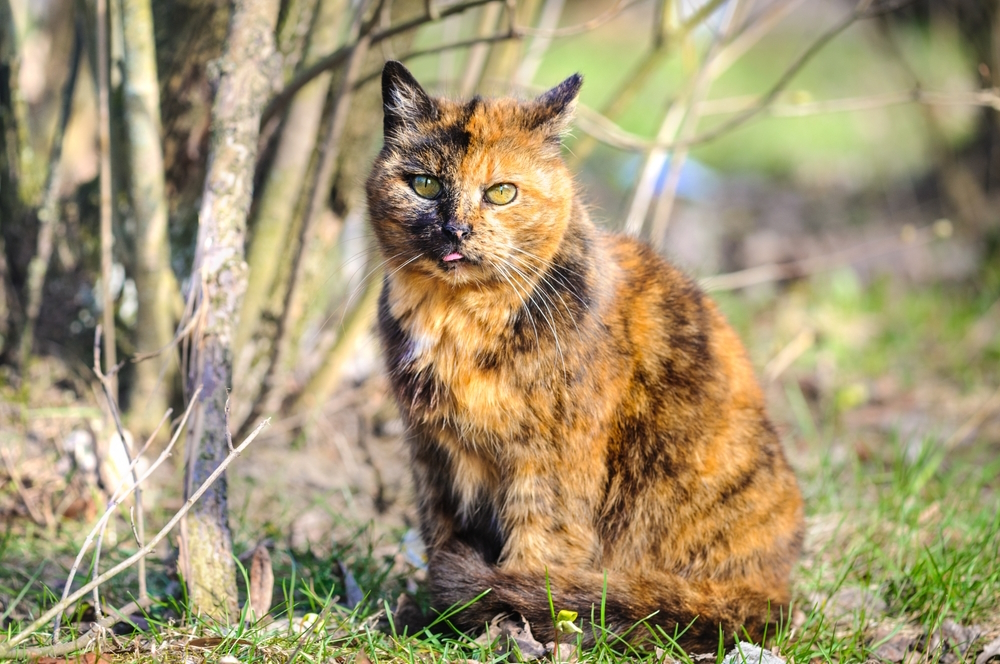
It’s hard not to notice a tortoiseshell cat. Their appearance is striking, with their uniquely colored fur. No two felines are the same, and genetics control the variations. The vast majority are also female, adding to their mystique. The pattern is more prevalent in some breeds, but the tortoiseshell is not a breed; it merely describes the color pattern.
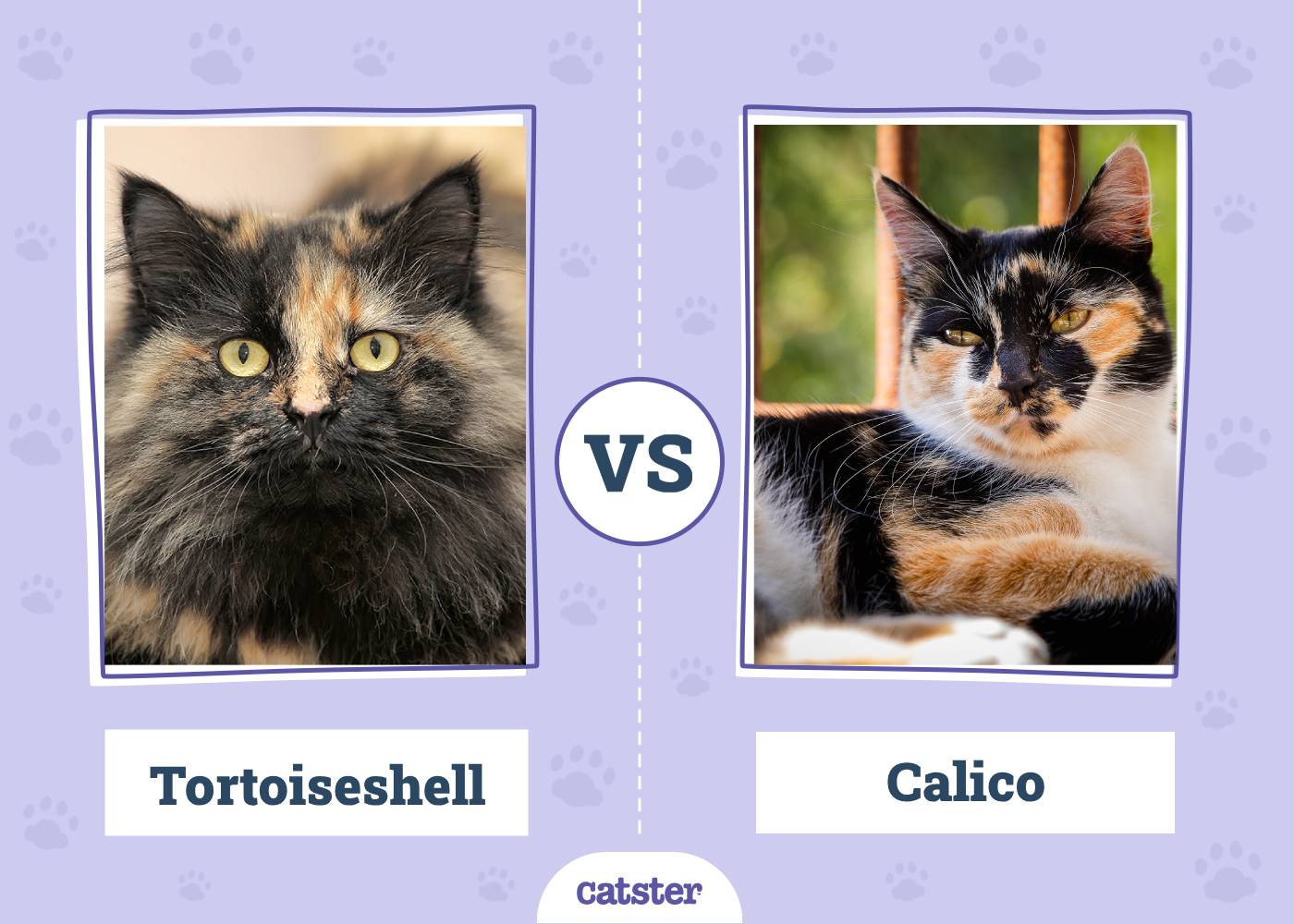
The term describes animals with a mottled patchwork of orange and non-orange hues. They can be black or some variation, from ginger to chocolate to cream. Calicos are similarly colored, with the addition of white, making them a tri-colored variant of the tortoiseshell cat. However, the tortoiseshell cat has little to no white.

The Earliest Records of the Tortoiseshell Cat in History
It’s unclear when the first tortoiseshell cat appeared, but ancient records suggest the Celts and Khmers of Southeast Asia mentioned them. When the tortoiseshell variant occurs in female cats, it’s simply a manifestation of a dominant, sex-linked trait.
The gene controlling its physical expression is located on the X chromosome. Each parent contributes a copy or an allele of the two they possess to each of their offspring. A kitten must only inherit one copy of the trait to be visually present.
A recessive trait only appears if both alleles are the same copy. For example, if the alleles an offspring receives from their parents are OO or Oo, the dominant trait is present. The capital O is shorthand for the dominant tortoiseshell variant, and the small letter is the recessive. The only way for the tortoiseshell not to be visible is if both alleles are oo, making the cat brown or black and not orange.

A Genetic Explanation
However, that fact raises another question. If this color characteristic is dominant, why don’t all female tortoiseshell cats have the orange color? If she is OO or Oo for the trait, you’d expect the cat to be orange without any black coloration. The answer lies in evolution’s role in survival.
Interestingly, researchers have identified over 1,000 genes on the X chromosomes. The Y chromosome of males doesn’t have nearly as many. Nevertheless, that doesn’t mean the X-linked traits are viable or necessary for survival. Some are harmful and potentially fatal. How did evolution deal with this conflict?
Natural selection prevents the expression of some X-linked characteristics through a process known as X-chromosome inactivation (XCI). That means some O alleles are suppressed, leading to the mottled patchwork we call tortoiseshell, with orange and black present. XCI doesn’t happen in male cats. If the animal inherits a single O dominant allele, the feline is orange or black, not both.
The incidence of the tortoiseshell male cat has another genetic twist. Early scientists deduced it must be sex-linked simply because of the inheritance pattern and the animal’s sex.1 The only way a male animal could have this pattern is if they had two X chromosomes, allowing the orange and black to be visible, making them XXY. It can occur if the cat has inherited the Klinefelter syndrome.2
This condition also exists in humans. It’s not surprising since we share 90% of our DNA with cats.3 Sadly, Klinefelter's syndrome has many risks, including an increased risk of cardiovascular disease, some cancers, and autism. This random genetic mutation also causes sterility in males. That explains its rarity among male cats and its prevalence in females.

Why the Tortoiseshell Color Appeared in the First Place
The domestic cat is a descendant of the African Wild Cat (Felis silvestris lybica). This feline is notably sand-colored to match their arid habitat and provide camouflage. Why do our pets come in so many color variations, like tortoiseshells? An animal with this pelage would stand out and probably won’t survive. The answer lies with domestication.
Charles Darwin theorized that selective breeding profoundly impacted animals’ genetics and phenotype or physical appearance. Scientists later observed relative depigmentation and other traits associated with breeding animals to be tame. The term domestication syndrome describes these changes people induced in the animals they domesticated.
The pleasing coloration, like tortoiseshell and other characteristics we prefer, results from human efforts for selective breeding. This process occurs much faster than natural selection. What would take Nature thousands of years occurs in a handful of generations with human intervention. Of course, evolution also had a say.
How the Tortoiseshell Cat Gained Popularity
While the earliest records are unclear, the tortoiseshell likely has been in the domestic cat’s gene pool since ancient times. The folklore of many cultures contains accounts of this beautiful but mysterious feline, with explanations of the animal’s appearance and supposed meaning. Stories exist from the United Kingdom to Japan and the United States about the tortoiseshell’s unique coat.
The beauty of the tortoiseshell pattern is undoubtedly a factor in its popularity. The animal's appearance is unique, often with eye-catching markings. Remember that formal cat breeds are a relatively recent phenomenon. Enthusiasts may have tried selectively breeding felines to increase their prevalence. The occurrence in males is random, with no guarantee of tortoiseshell offspring.

Formal Recognition of the Tortoiseshell Cat
Formal recognition of the tortoiseshell cat rests with the breeds in which it is a permitted color. The Persian is an ancient breed, with tortoiseshell among its many accepted colors. Other breeds with similar standards include the following:
The tortoiseshell color is not allowed in breed standards where the appearance is integral to the animal’s conformation. The Chartreux and Russian Blue are two classic examples, with only a single color and its variants allowed. Remember that parent clubs that approve tortoiseshells also include calico by its very definition, with the latter being tri-colored versus the bi-colored tortoiseshell.

Top 4 Unique Facts About the Tortoiseshell Cat
1. The Male Tortoiseshell Is a Rare Occurrence.
Scientists estimate that only about 1 in 3,000 calico and tortoiseshell cats is male. The prevalence of sterility in these animals is a mitigating factor in its scarcity.
2. Variations of the Tortoiseshell Pattern Exist.
While each cat is different, some noted variations of the tortoiseshell coloration exist, including the tortoiseshell tabby and bridled cat.

3. A Small Study Hypothesized Gene Instability as an Explanation for the Tortoiseshell Color.
The researchers identified two fertile males with this color variant. The animals had the usual 38 chromosomes without the XXY in felines with Klinefelter's syndrome. For one of the cats, they determined that gene instability at the orange gene was the only explanation for his coloration.
4. Another Explanation That’s Even More Fantastical and Rare Involves Chimerism.
Chimerism defines an organism with cells from two sources. In this case, the second organism is the reabsorbed DNA of a deceased twin embryo. Scientists identified what they believed was the first genetically confirmed case of XY/XY chimerism in a fertile tortoiseshell male cat.
Does a Tortoiseshell Cat Make a Good Pet?
The tortoiseshell will make a delightful pet, regardless of the breed. Much depends on the animal’s rearing and care. We suspect the kitty’s unique appearance may garner more attention and pampering. One of the most critical considerations is providing adequate mental stimulation and enrichment for your pet.
Felines are intelligent and need stimulation for their mental health. You can satisfy this need with regular interaction with your pet and interactive toys that challenge them. Understanding the financial and time commitment of inviting a cat into your life is imperative for their welfare and well-being.

Conclusion
The tortoiseshell cat isn’t a breed but a recognized color variation accepted by many parent clubs. Its appearance is the result of eons of evolution that have shaped the animal’s DNA and improved their fitness for survival. The trait picked up many enthusiasts who marveled at the cat’s beauty along the way. The tortoiseshell pattern is also a genetics lesson since it’s an X-linked characteristic.
Sources
Featured Image Credit: Tinka Mach, Shutterstock

Expert cat care, straight to your inbox
Vet-reviewed advice, behavior tips, and the best of Catster. Free, and you can unsubscribe anytime.
By signing up, you agree to our Terms & Conditions and Privacy & Cookies Policy.

Chris has been a science-focused pet writer since 2009, specializing in health and the environment. She lives with her husband Norm and three amazing cats in the land of 10,000 lakes. When she's not writing about cats, Chris also enjoys boating and sampling wine. She has her WSET 1 and 2 certifications and is currently pursuing her Certified Wine Specialist Award (CSW).
Join the conversation
Ask a question, share your story, or send private feedback.