Cornish Rex Cat: Breed Info, Pictures, Traits & Facts
In this article
The Cornish Rex cat is a unique and energetic cat that fits in most families. It was first discovered in Cornwall, England, and has since won the affection of many cat owners worldwide.
These cats have a combination of striking looks and pleasant temperaments and are known to have friendly and affectionate dispositions, often forming deep bonds with humans. Cornish Rex cats are an endless source of joy from their adorable kitten stage to their fully grown adult form.
Are you eager to know more about the Cornish Rex cat breed? Dive in for a detailed breed profile. We will also analyze its temperament, intelligence, care needs, and more.
Breed Overview
Length:
Weight:
Lifespan:
Colors:
Suitable for:
Temperament:
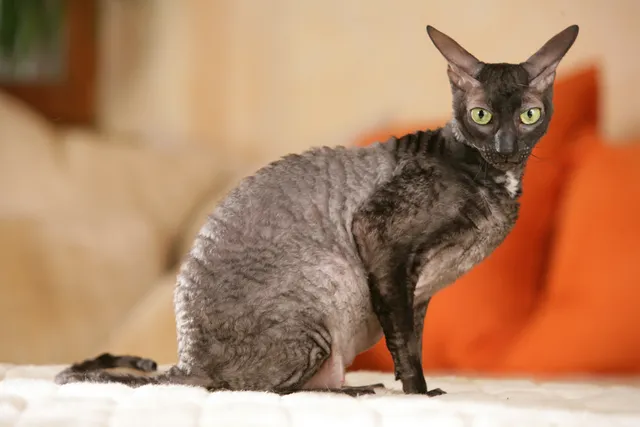
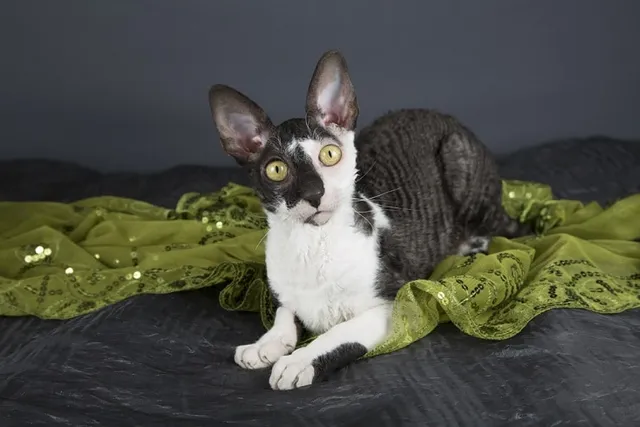
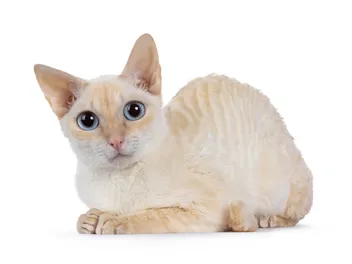
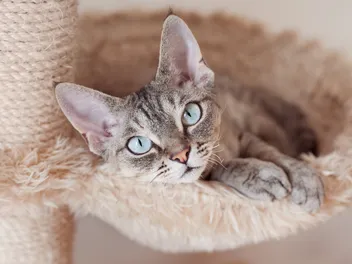
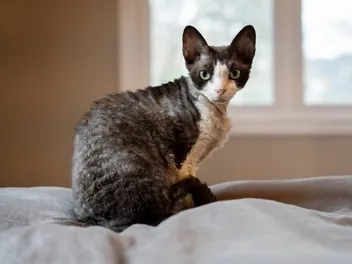
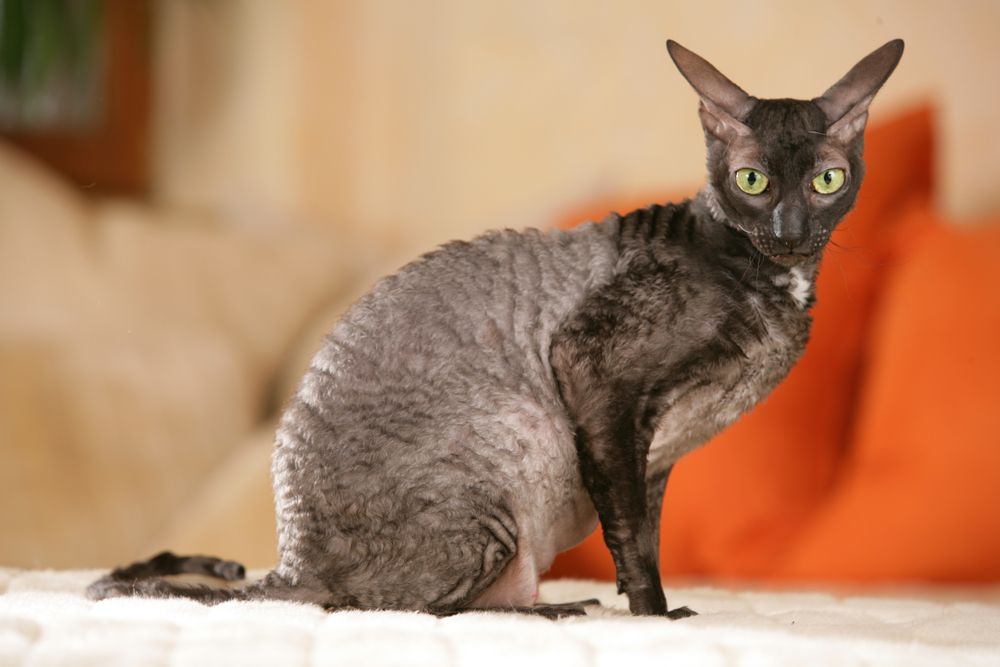
The Cornish Rex traces its origin to Cornwall, England, in 1950. The unique appearance of the cat is attributed to a genetic mutation. It has large eyes, a long and slender body, and big ears. While it looks fragile, it is a sturdy cat with high energy levels.
Cornish Rex Cat Characteristics

Cornish Rex Kittens

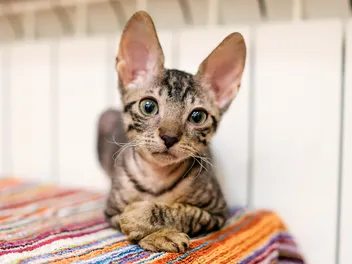
Cornish Rex kittens inherit the breed's distinct features, including soft, wavy coats and playful personalities. They also have boundless energy and curiosity, so expect endless entertainment for hours. It is important to create a safe and stimulating environment for them to explore by providing plenty of toys and scratching posts to satisfy their active nature.
Interactive toys are best suited for these kitties, especially those that provide mental stimulation. Feather wands, laser pointers, and crinkle tunnels are some good options here.
Early training and socialization are crucial to ensure they grow into well-adjusted adult cats. Introduce them to new people and animals and play with them often.
Temperament & Intelligence of the Cornish Rex Cat 🧠
Cornish Rex cats are known for their affectionate and friendly nature. They form strong bonds with their human companions and enjoy the company of other pets. These cats love being the center of attention and often seek out their owners for cuddles and lap time.
Cornish Rex cats are also highly intelligent and curious. They have an inquisitive nature and enjoy exploring their surroundings. Unsurprisingly, they're quick learners and can easily pick up tricks and commands.
While each cat has its personality, Cornish Rex cats are generally known for their outgoing and playful nature. They are active cats that enjoy interactive play sessions and thrive in homes with plenty of physical and mental exercise opportunities.
Are These Cats Good for Families? 👪
Cornish Rex cats are social butterflies and are known for their loving and loyal nature, making them an excellent choice for families.
They can form strong bonds with their human companions and enjoy participating in daily activities. Their friendly and outgoing temperament makes them suitable for households with children, as they are patient and tolerant. Don’t be surprised when your little furry companion actively seeks attention and affection from the rest of the family members.

Does This Breed Get Along With Other Pets? 🐶🐱
While individual personality traits may vary, Cornish Rex cats are known for their sociability and ability to form positive relationships with other animals.
However, this harmonious existence with the rest of your pets will only happen with proper introductions and a gradual adjustment period. The good thing is that the cats are generally amiable, making it easy for them to live alongside your dogs and other cats.
Things to Know When Owning a Cornish Rex Cat
Owning a Cornish Rex cat can be a delightful experience. However, the cat has specific needs and requirements that you should provide to ensure its well-being and happiness. Here are some key aspects to consider when owning a Cornish Rex cat.
Food & Diet Requirements 🐡
It is important to provide your cat with a balanced and nutritious diet.
This cat has a faster metabolism rate than other breeds, such as the British Shorthair, Maine Coon, and Ragdoll, so it may require a slightly higher caloric intake. Therefore, it is crucial to consider high-quality cat food specifically formulated for active cats or kittens.
The food should provide nutrients, including proteins, fats, vitamins, and minerals, to support their overall health and maintain their sleek coat. Consult a veterinarian for the appropriate portion sizes and feeding schedule based on your cat's age, weight, and activity level.

Exercise 🐈
Cornish Rex cats are highly energetic and agile. Therefore, regular exercise is vital to keep them physically and mentally stimulated. It also prevents boredom and destructive behavior.
Engage in interactive play sessions with toys, encouraging them to chase, jump, and pounce. Toys such as feather wands, laser pointers, and puzzle toys can be great options to provide physical and mental enrichment. Also, provide ample vertical spaces, such as cat trees or shelves, for climbing and perching as these cats like high places.
Training 🧶
Cornish Rex cats are considered one of the most intelligent cat breeds.
This means they are highly trainable. They respond well to positive reinforcement techniques, such as treats, praise, and play. However, it is important to start training early to establish good behaviors and teach basic commands like "sit" and "come."
Use interactive toys or puzzle feeders to stimulate and challenge their problem-solving skills mentally. Remember to be patient and consistent with training, focusing on rewards and encouragement rather than punishment.
Grooming ✂️
The Cornish Rex’s unique coat requires special attention as the fur is prone to oiliness. Regular grooming is necessary to maintain its soft texture.
Consider brushing them once or twice weekly with a soft bristle brush or grooming glove to remove loose hair and distribute natural oils. Also, clean their ears often and watch out for signs of infection.
You must also ensure their nails are trimmed regularly.

Health and Conditions 🏥
The Cornish Rex cat breed is generally considered a healthy and robust breed. However, like all cats, they are prone to certain minor and severe health conditions.

Male vs Female
There are some notable differences between male and female Cornish Rex cats. However, these differences are generally more subtle and less pronounced than in other cat breeds, such as the Maine Coon.
Regarding physical characteristics, male Cornish Rex cats are usually slightly larger than females, but the difference is generally minimal. Both genders maintain the breed's distinctive slim and elegant physique, with their characteristic wavy or curly coats.
Both genders are known for their affectionate, playful nature and high energy levels. They also enjoy interactive playtime and love engaging in activities that stimulate their curious minds.
However, unneutered male cats may display more territorial and marking behaviors, such as spraying urine to mark their territory. On the other hand, female cats will go into heat cycles if not spayed, during which they may vocalize more and exhibit restless behavior.
3 Little-Known Facts About the Cornish Rex Cat
1. They have a Unique Coat Due to Genetic Mutation
The Cornish Rex cat's unique coat results from a natural genetic mutation. Unlike most cats with three layers of fur (guard, awn, and down), Cornish Rex cats have only the down hair. This mutation affects the structure of the hair shaft, resulting in its soft, wavy, and curly coat.
2. Their Whiskers Aren't As Sensitive As We Thought
An additional mutation within the Rex breed makes the hair and whiskers more susceptible to breakage and loss, sometimes giving the impression that their whiskers are particularly sensitive and delicate. However, there is no evidence to support this, and cats that are genetically predisposed to having short or sparse whiskers suffer no adverse consequences as a result. You can’t miss what you never had!
3. They Have Extraordinary Jumping Skills
Cornish Rex cats are known for their remarkable agility and jumping abilities. This is courtesy of their long, slender bodies and muscular hind legs. Be prepared for a cat that loves exploring vertical spaces, climbing furniture, and perching on high surfaces. Providing tall cat trees or shelves will allow them to satisfy their instinct to climb and jump.

Final Thoughts
The Cornish Rex cat is a fascinating and distinctive breed known for its elegant appearance, curly coat, and playful nature. Its exceptional ability to forge strong bonds with human companions makes it one of the most popular cats today.
While there might be differences between male and female Cornish Rex cats, both genders share the breed's signature characteristics, such as their physicality, curly coat, and affectionate nature.
Regardless of which one you pick, you are assured of a loving pet that will bring joy and love to your home.
Related Reads:
Sources
Featured Image Credit: absolutimages, Shutterstock
Expert cat care, straight to your inbox
News, insights, and useful advice, delivered to you.

No spam — unsubscribe anytime.
By signing up, you agree to our Terms & Conditions and Privacy & Cookies Policy.
How useful was this post?
Click a star to rate. You can leave written feedback afterwards. (We read all feedback.)

Christian started writing for a local newspaper as a teenager, and he's been involved in the publishing industry for most of his adult life. Combining his love of writing with a passion for animals, he is currently the Director of Editorial at Pangolia and the Editor-in-Chief at Catster.
Christian lives in the Philippines with his wife, son, and four rescue cats: Trixie, Chloe, Sparky, and Chopper.