Cornish Rex Lifespan: How Long Do They Live? Vet-Reviewed Facts


In this article
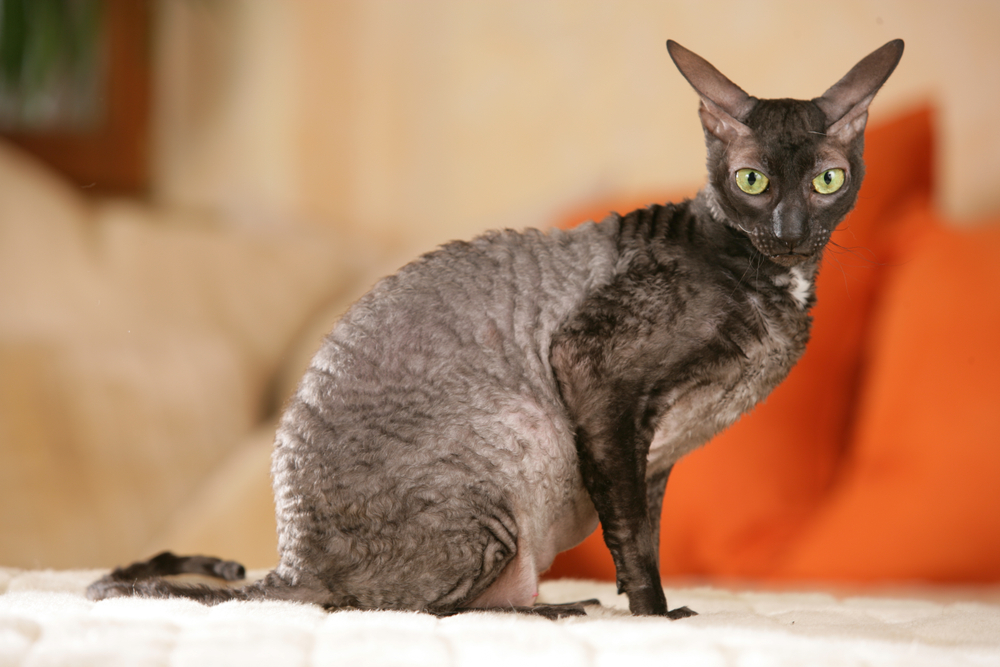
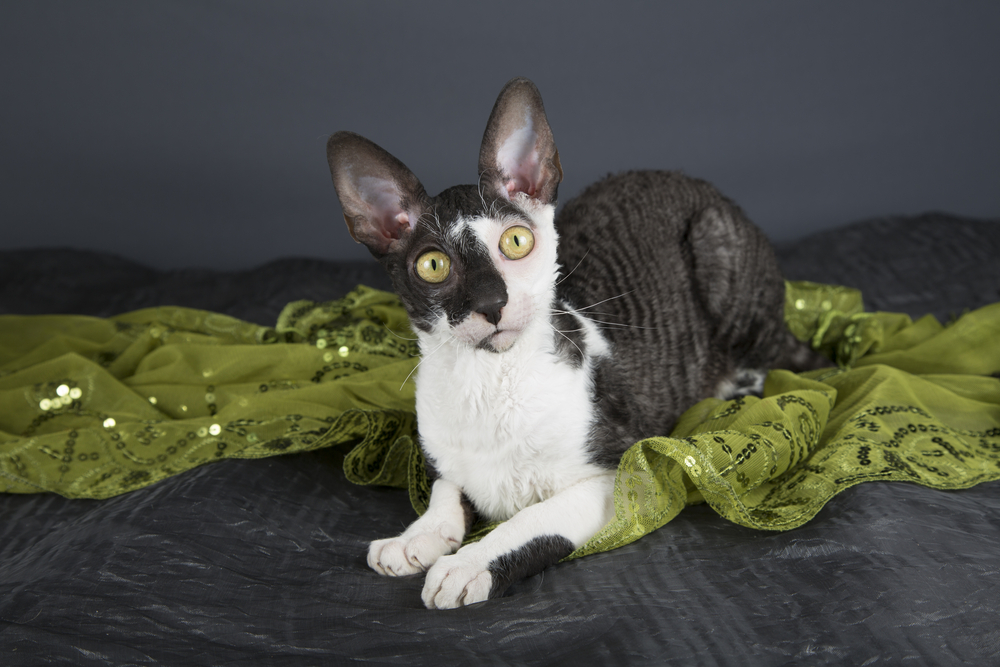
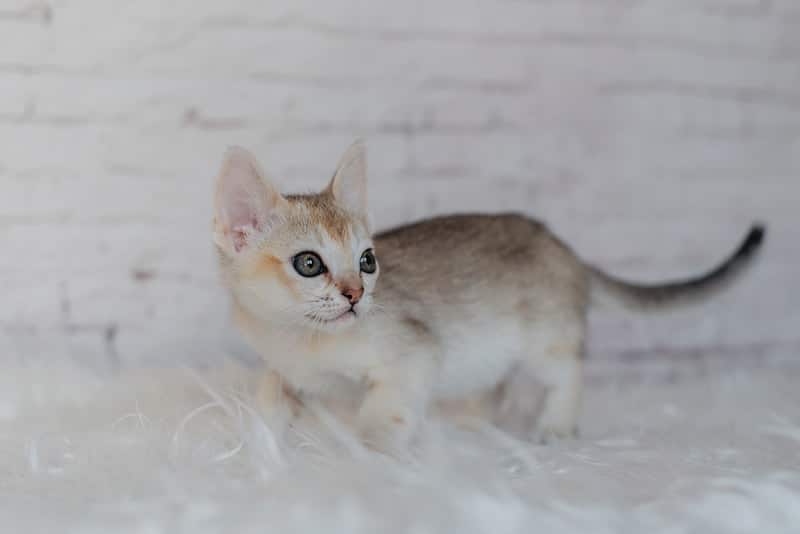
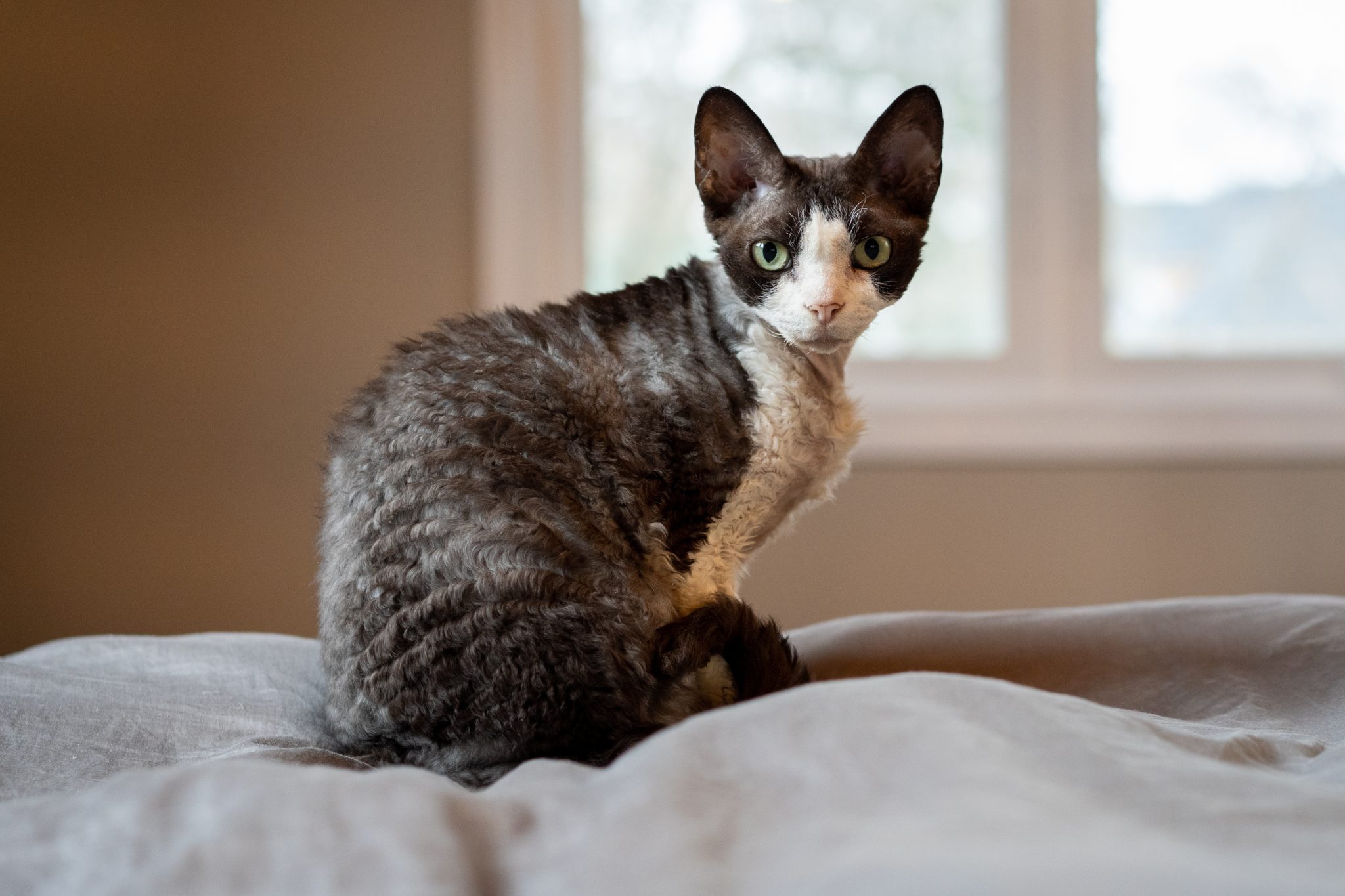
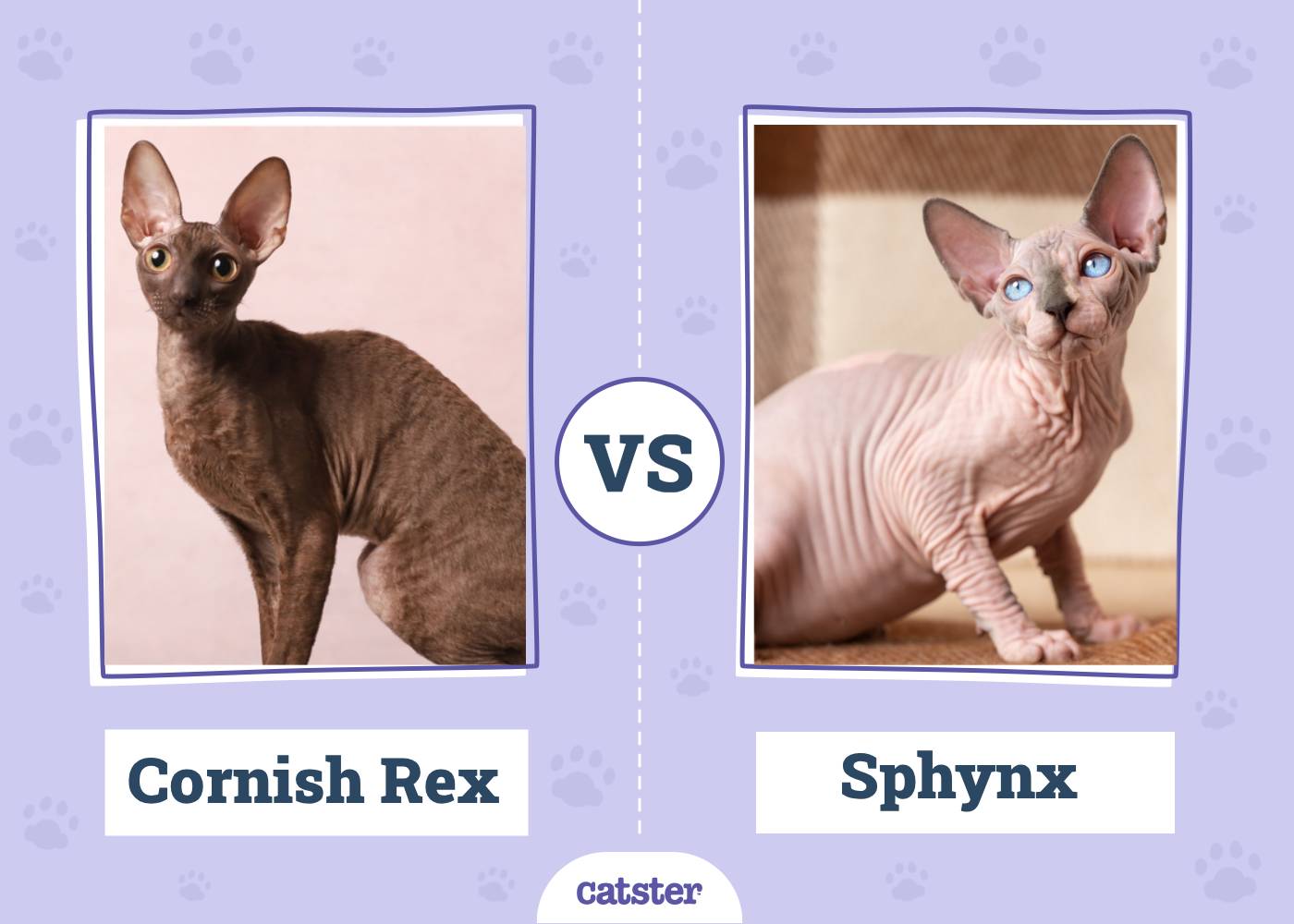
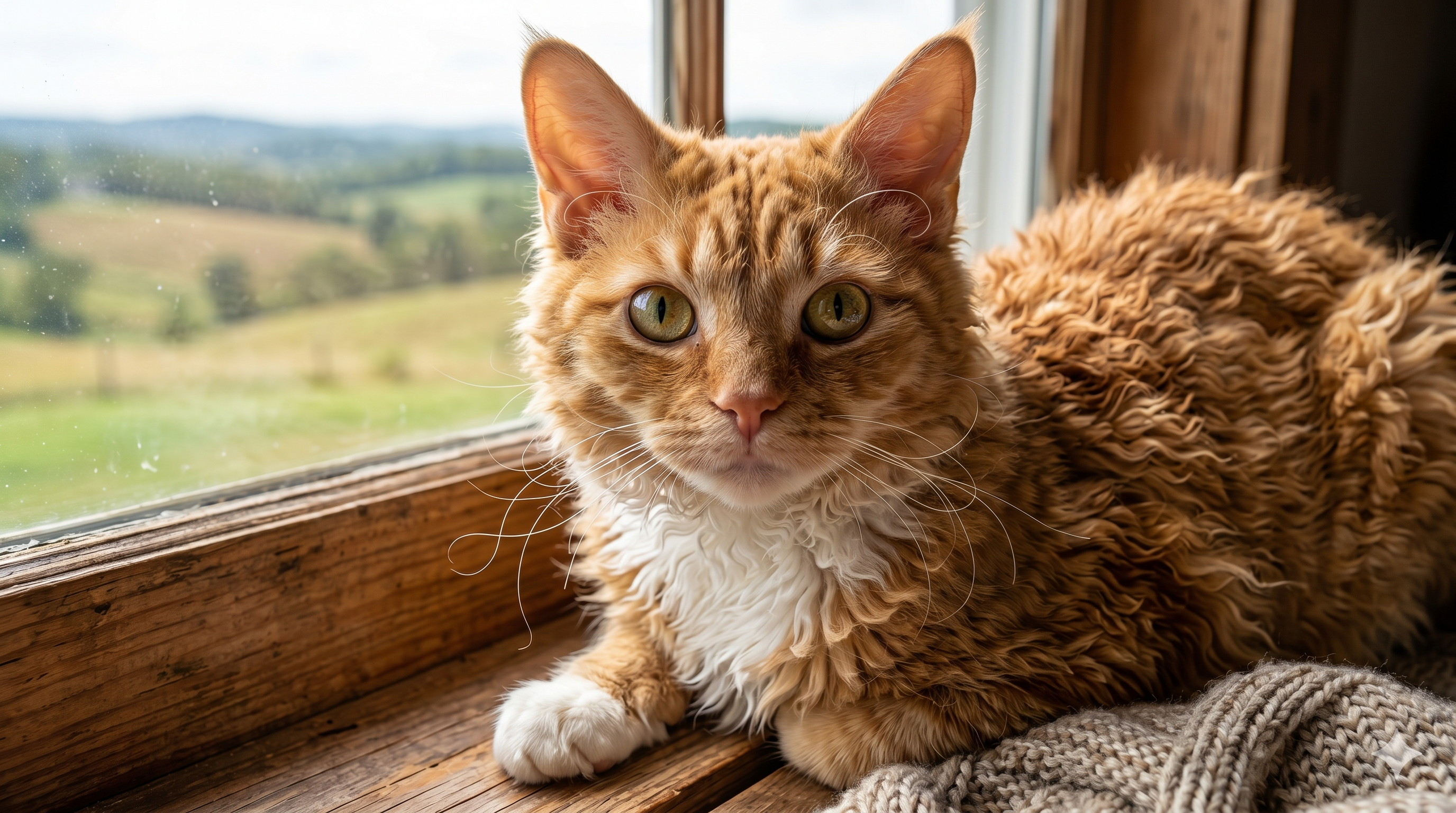
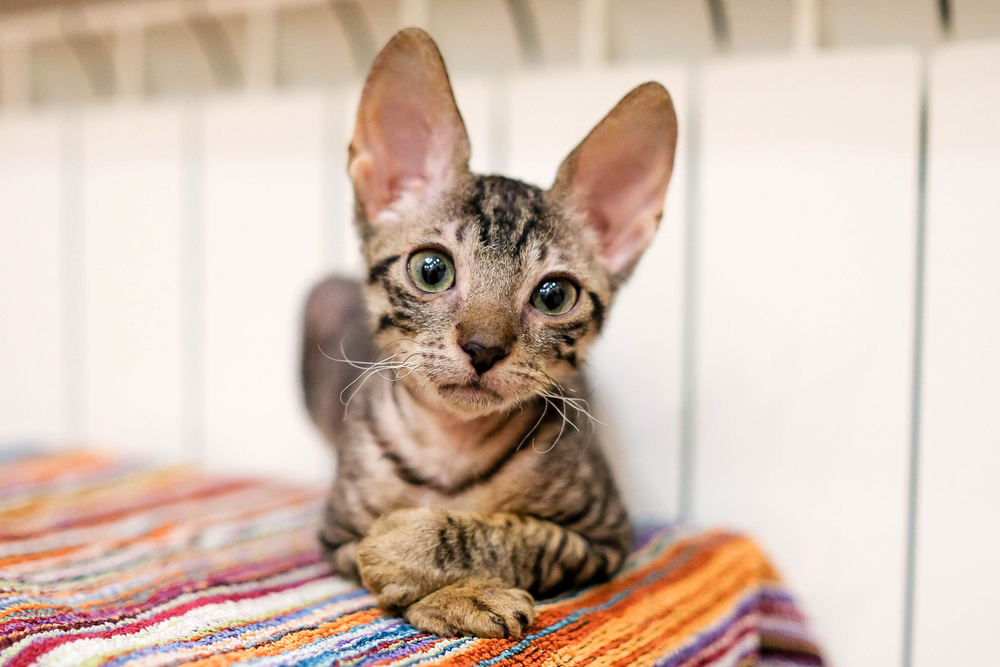
In 1950s England, a random genetic mutation produced a kitten with an unusual curly coat. From this single kitten, the Cornish Rex breed was born. Known for their distinctive soft coat, huge ears, and massive personalities, Cornish Rex cats make lovely family pets. Once you welcome a Cornish Rex cat into your home, you’ll probably wish they could stay with you always! Sadly, no pet can live forever, so you might be curious how long the average Cornish Rex’s lifespan is. You can expect a Cornish Rex cat to live 15–20 years on average. In this article, you’ll learn how long Cornish Rex cats live and how to keep your kitty healthy as long as possible.

Cornish Rex Average Lifespan
You can expect a Cornish Rex cat to live 15–20 years on average. They are small cats that are considered a relatively healthy breed overall. In the next section, you’ll find tips on caring for your Cornish Rex to help them enjoy a long lifespan.


How to Care for Your Cornish Rex for a Long Lifespan
Feeding & Diet
For small cats, Cornish Rexes are known for having big appetites. Fortunately, they tend to burn a lot of calories because they’re such active kitties. Keep your Cornish Rex healthy by feeding only as many calories as they need each day. Ask your vet to help you calculate this number based on your cat’s age, weight, and activity level.
Environment
The Cornish Rex cat’s signature coat is wonderfully soft to the touch but doesn’t provide them much protection or insulation. They don’t tolerate temperature extremes well and should always be indoor pets. In chilly weather, they may need to wear a sweater. Make sure they always have places to keep out of the heat or curl up warmly.

Care
Cornish Rex cats love to play, and it’s usually easy to ensure they get enough exercise and stay at a good weight. If you allow your Cornish Rex to spend supervised time outside in a safely confined space, apply a cat-safe sunscreen to unprotected skin, such as their ears.
Grooming
Cornish Rex cats shed but not as much as other cat breeds with long hair or layered coats. However, their coats and skin collect oil more quickly than other cats. Because of that, they need regular bathing to keep them healthy and help prevent skin infections. The Cornish Rex also needs frequent ear cleaning because they may be prone to wax buildup.
Breeding
Spaying or neutering your Cornish Rex may help them have a longer lifespan. Unneutered males are more at risk of escaping outside, fighting, or developing testicular problems. Intact females may develop mammary tumors or uterine infections. Pregnancy presents its own health risks for the cat as well.

Healthcare
The Cornish Rex is more prone to inheriting polycystic kidney disease and an eye condition called progressive retinal atrophy. Both conditions can be detected by genetic testing. They may also be prone to luxating patellas and a heart condition called hypertrophic cardiomyopathy.
When researching Cornish Rex breeders, look for one who has conducted genetic testing and health screenings on their cats. Starting with a healthy kitten will help increase the chances of your Cornish Rex living a long lifespan. Ensure your cat gets regular checkups at the vet and follow all recommendations for preventative healthcare.
The Life Stages of a Cornish Rex
The five life stages of a Cornish Rex are kitten, adult, mature adult, senior, and geriatric.
Cornish Rex Life Stages

How to Tell Your Cornish Rex Age
If you buy or adopt a Cornish Rex kitten, you’ll probably already have a good idea of their age. On average, kittens gain about a pound of weight per month, so your pet’s weight can give you an idea of how old they are if you don’t know. You can also check their teeth. Kittens begin losing their baby teeth at 3-4 months old and should have all their adult teeth by 7 months old.
Once they’re fully grown and have all their teeth, it’s much harder to tell how old a Cornish Rex cat is. Checking the wear and tartar on the cat’s teeth is not always reliable because some cats have worse dental health than others.
Mature adult Cornish Rex cats may start showing some age-related changes to the eyes that could help narrow down how old they are. Older cats may move slower due to joint pain, neglect their grooming, and display abnormal blood work results.
It can be hard to determine a Cornish Rex cat’s exact age in years if you don’t know it, but you can usually get an idea of their life stage. This knowledge can help you provide your cat with the proper diet and appropriate medical care. If you have questions about your cat’s age, speak to your vet.

Conclusion
The charming, affectionate, and playful Cornish Rex thrives in almost any home environment and gets along well with kids and other pets. Fortunately, they also have a long average lifespan, so you can usually expect to enjoy the company of your Cornish Rex for 15–20 years. By providing the right environment, diet, and preventative healthcare, you can help ensure your Cornish Rex lives a long, healthy life.
See Also:
Sources
Featured Image Credit: Elena Loginova, Shutterstock

Expert cat care, straight to your inbox
Vet-reviewed advice, behavior tips, and the best of Catster. Free, and you can unsubscribe anytime.
By signing up, you agree to our Terms & Conditions and Privacy & Cookies Policy.
Elizabeth Gray is a lifelong lover of all creatures great and small. She got her first cat at 5 years old and at 14, she started working for her local veterinarian. Elizabeth spent more than 20 years working as a veterinary nurse before stepping away to become a stay-at-home mom to her daughter. Now, she is excited to share her hard-earned knowledge (literally--she has scars) with our readers. Elizabeth lives in Iowa with her family, including her two fur kids, Linnard, a husky mix and Algernon, the worldʻs most patient cat. When not writing, she enjoys reading, watching all sports, and spending time outdoors with her family.
Join the conversation
Ask a question, share your story, or send private feedback.