In this article
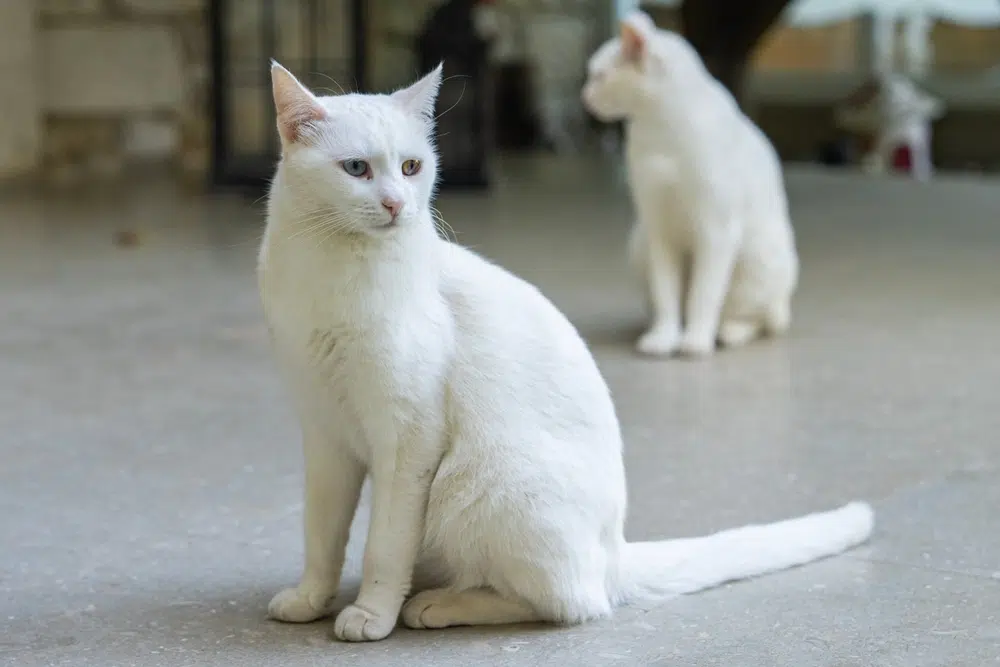
View 8 More +The Turkish Vankedisi is a medium to large-sized cat known for their luxurious white coat. They also have affectionate and friendly personalities, and they’re often described as being dog-like. While Turkish Vankedisi are wonderful companion pets, it’s important for them to be matched with the right owner in order for them to live happy and healthy lives. Here’s what you need to know about these beautiful cats and if they’re a good fit for you.
Breed Overview
Height:
9–11 inches
Weight:
10–20 pounds
Lifespan:
15–17 years
Colors:
White
Suitable for:
Families with other pets, families with older children, people who work from home
Temperament:
Affectionate, intelligent, loyal, energetic
Turkish Vankedisi are a type of Turkish Van. Turkish Vans have white coats and colored heads and tails, while Turkish Vankedisi are pure white. Other than their appearance, they share the same temperament as other Turkish Vans. You’ll find that they’re very playful and curious, and they grow to become very loyal and affectionate with their families.
Turkish Vankedisi Characteristics

Turkish Vankedisi Kittens

Turkish Vans are more popular in European countries than in the US, so it can be a bit challenging to find breeders near you. Due to the small number of Turkish Van breeders, it’s likely you’ll come across long waitlists, and you’ll have to wait for some time before you can bring home a Turkish Van kitten.
It’s important to note that Turkish Vankedisi are much rarer than regular Turkish Vans, and they’re not considered to be show-quality cats. They may also be susceptible to deafness, so breeders avoid breeding them.
In rare cases, a Turkish Vankedisi kitten may appear in one of their litters. If the kitten passes all health checks, they can be adopted by a new family. However, breeders won’t go out of their way to breed Turkish Vankedisi.
Sometimes, you might be able to find Turkish Vankedisi kittens in adoption centers and animal rescues. However, it’s rare for purebred Turkish Van kittens to end up in animal shelters, and you’ll probably come across mixed-breed Turkish Van kittens.
Turkish Vankedisi are athletic and adventurous cats, so you can certainly expect kittens to have a lot of energy. They’re known to be very playful, curious, and eager to explore the world around them. Therefore, it’s extremely important to kitten-proof your home before your Turkish Vankedisi kitten arrives. Make sure cabinets and drawers are locked or shut securely, and remove any potentially harmful objects from your countertops and tables. It’s also helpful to install a tall cat tree and some perches in your home so that your kitten can climb them rather than trying to scale your curtains and scratching up your own furniture.
Turkish Vankedisi Origin & History
Turkish Vans have been around for centuries, and they’re considered to be an ancient breed. They originate from central and southwest Asia, or present-day Iran, Iraq, and Turkey. They were named after a region in this area called Van, and their ancestors used to simply be referred to as “vancats.”
It took some time for the Turkish Van to make their way out west, with the first Turkish Van entering England in 1955. Despite being an old breed, the Turkish Van was recently introduced to the US in 1982, and the breed was recognized by the Cat Fanciers’ Association (CFA) in 1994.

Temperament & Intelligence of the Turkish Vankedisi
Turkish Vankedisi are extremely intelligent and curious cats. They have a nerdy side to them that enjoys exploring and learning new things. Their love for learning makes them quite trainable, and they can develop a hobby of learning new tricks and growing an impressive repertoire. Because they’re so active, they’re recommended for people who can keep up with their silly antics and provide plenty of exercise opportunities for them. Turkish Vankedisi may even learn to walk on a leash and enjoy exploring the outdoors regularly.
This breed is known to be affectionate and develop strong bonds with one or two people in their families. However, Turkish Vankedisi show affection in their own ways. They’ll tolerate cuddles and being petted, but they’re usually not lap cats. They prefer showing their love by spending time and playing with their favorite people. They’ll also follow you from room to room and stay close by your side, even if they don’t want to be touched. Although they’re not cuddly lap cats, Turkish Vankedisi like being around their family members and don’t usually tolerate being alone for long hours. Therefore, they do best in families where someone is usually around or with people who work from home.
Are These Cats Good for Families? 👪
Turkish Vankedisi are friendly and confident cats. They usually enjoy being around children, and they can become good playmates because of their love for running around and having fun. Since they don’t always enjoy being touched, it’s important to teach children how to interact with them and respect their boundaries. Turkish Vankedisi will also appreciate having a couple of high perches that children can’t reach so that they can retreat to these spaces when they want to rest without any disruptions.

Does This Breed Get Along With Other Pets?
It’s very possible for Turkish Vankedisi to learn to coexist with other pets. They do well in homes with cat-friendly dogs, and they can also enjoy living with other cats. It may be a little more challenging if you have smaller pets in the home, like reptiles, birds, small mammals, and fish. Their curiosity often gets the better of them, and they can end up frightening or hurting small pets.
Things to Know When Owning a Turkish Vankedisi:
Food & Diet Requirements
Turkish Vankedisi are generally healthy cats that don’t require special diets. They usually do well eating high-quality commercial cat food. It’s best to communicate with your veterinarian to determine meal proportions so that your Turkish Vankedisi is eating enough to sustain their active lifestyle.
Your Turkish Vankedisi may benefit from taking supplements with omega fatty acids to keep their luxurious coats healthy and soft. These types of supplements can also support joint and mobility health as Turkish Vankedisi age. Turkish Vankedisi only benefit from supplements if they’re absolutely necessary, so make sure to consult your veterinarian before you add any type of supplement to their diet.
Exercise 🐈
Turkish Vankedisi need to exercise multiple times throughout the day. Playing with them is an excellent way to keep them active, and many enjoy pouncing on cat wands and chasing balls. They also like to climb, so it’s important to have at least one cat tree in the house. Installing window perches or cat balconies can keep Turkish Vankedisi entertained as they observe the outside world from a safe location.
Turkish Vankedisi may also learn to wear a harness and walk on a leash. If you want to take your Turkish Vankedisi on a walk, make sure they’re taking preventative parasite medication and that they’re not spending too much time outside on hot, sunny days. They have sensitive skin that’s prone to sunburn, so it’s important to break up time outside into shorter sessions and ensure they have time to rest in shaded areas.
Training 🧶
Turkish Vankedisi are smart cats, and they learn to use litter boxes quickly. They’re also relatively fast at learning new tricks. If you keep training sessions short and fun and use tasty treats, you’ll find that Turkish Vankedisi are enthusiastic students who can learn a variety of tricks.

Grooming ✂️
Despite having a long coat, Turkish Vankedisi have fairly minimal grooming needs. Their hair isn’t prone to matting, but they’ll benefit from weekly brushing to lift dead hair from their coat. Turkish Vankedisi do have a shedding season as they reveal their summer coat. You can brush their coat more frequently during this time to reduce shedding in the home and lower the occurrences of coughing up hairballs.
Turkish Vans don’t require baths unless they get really dirty or if their coat starts to develop a greasy texture. Sometimes, Turkish Vans will need baths as they get older and start to experience difficulty with grooming themselves.
Health and Conditions 🏥
Turkish Vankedisi are generally healthy cats, but they’re also prone to deafness. This congenital deafness occurs at birth, and cats can either have partial or full deafness. Other than deafness, Turkish Vankedisi are prone to developing the same health issues as Turkish Vans as they age.
- Eye issues
- Respiratory issues
- Cancer
- Diabetes
- Pneumonia
Male vs Female
The most significant difference between male and female Turkish Vans is their size. Male Turkish Vans can grow to weigh up to 20 pounds, while females usually weigh between 7 to 12 pounds. Other than size, there aren’t any consistent distinguishable features and personality traits between male and female Turkish Vans. Their temperament is often influenced by a mix of genetics and the cat’s upbringing, environment, and lifestyle.
3 Little-Known Facts About the Turkish Vankedisi
1. Turkish Vankedisi love water.
Many Turkish Vankedisi aren’t afraid of water, and many of them actually enjoy playing with it. It’s common for them to perk up when they hear you turn on a faucet, and they’ll probably scamper over to play with the running water.
2. Turkish Vankedisi are often mistaken for Turkish Angoras.
Turkish Vankedisi are commonly mixed up with their Turkish Angora cousins, even though they’re two distinct breeds. Turkish Vankedisi tend to be larger than Turkish Angoras and have a more muscular build.
3. Turkish Vankedisi aren’t recognized by the CFA.
Even though Turkish Vans are recognized as an official purebred cat by the CFA, Turkish Vankedisi are excluded from this recognition. Due to health concerns and the prevalence of deafness in Turkish Vankedisi, they aren’t allowed to compete in cat shows and are discouraged from being bred.

Final Thoughts
Turkish Vankedisi are rare cats, so it’s always a special experience whenever you come across one. They’re very playful, athletic, and intelligent, and they’re a good fit for people who have the time to ensure their exercise and mental stimulation needs are met. You can expect life to be much more fun and exciting whenever a Turkish Vankedisi is around. They have a knack for finding entertainment in the most unexpected places, and their playful approach to life will teach you to appreciate the small things.
Featured Image Credit: RauL C7, Shutterstock