Russian White Cat Breed: Info, Pictures, Temperament & Traits
In this article
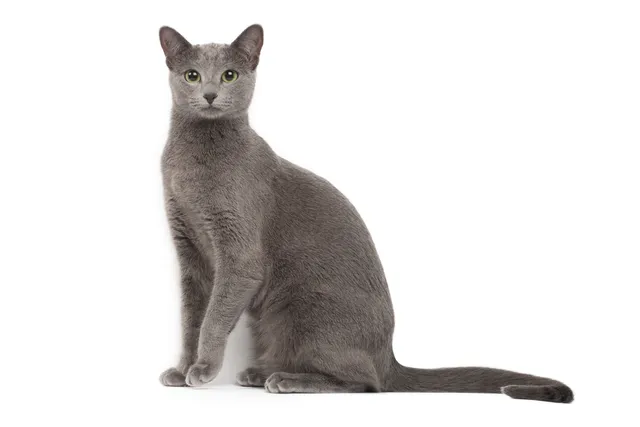
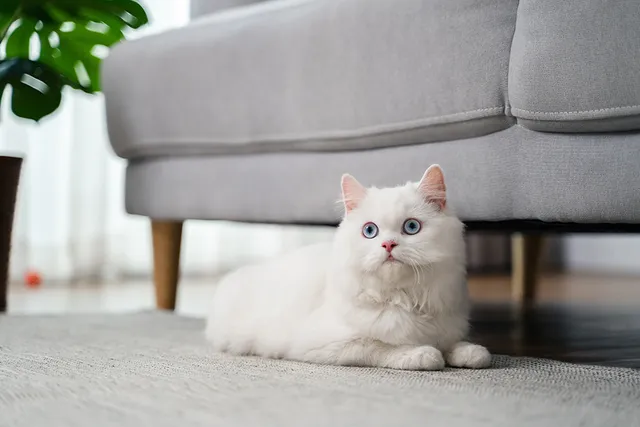
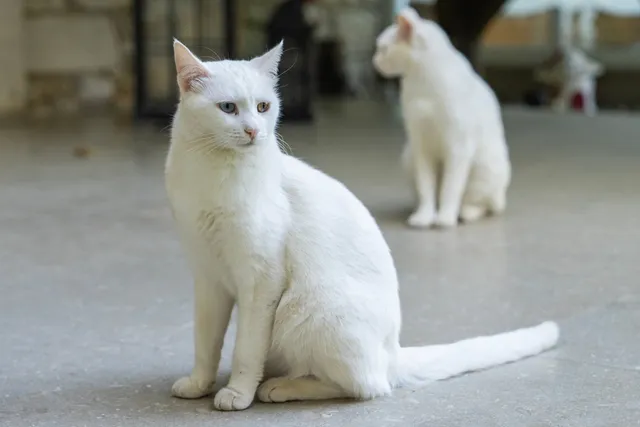
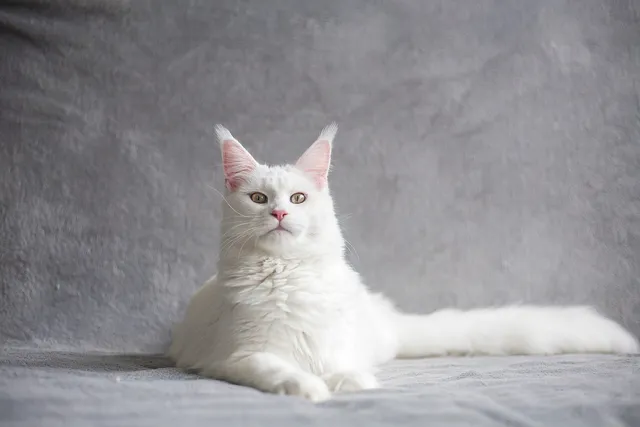
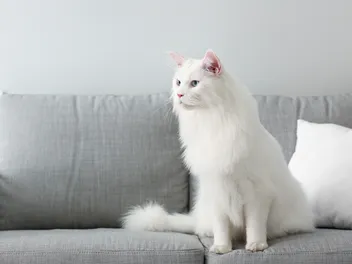
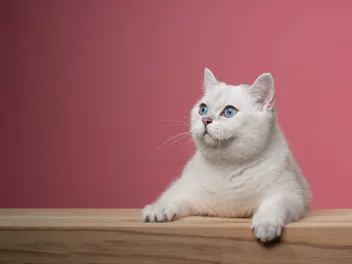
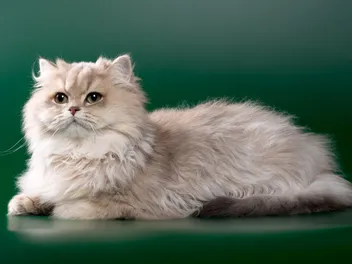
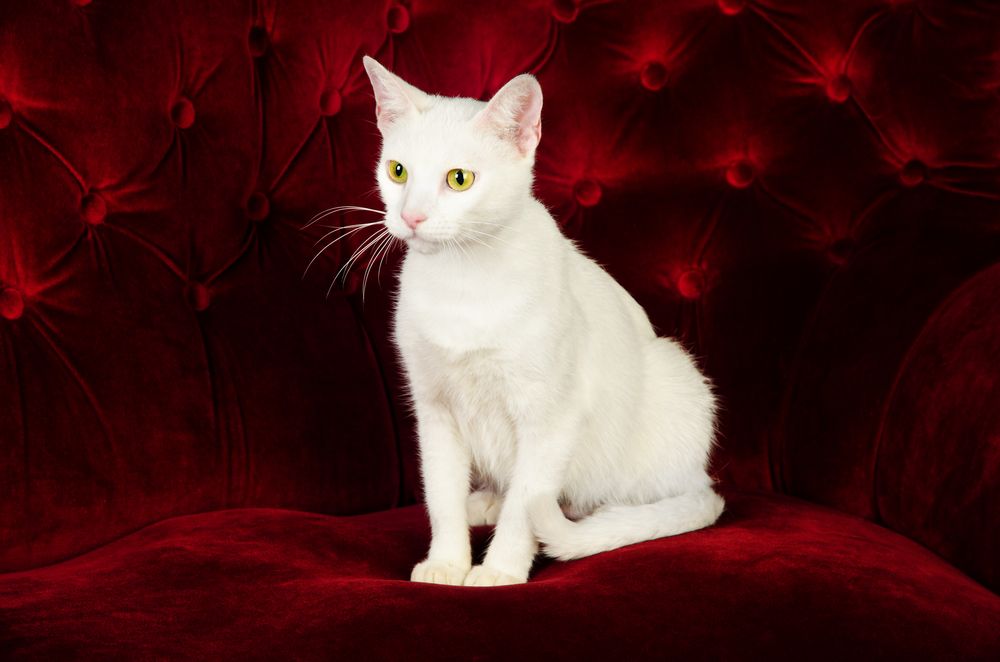
The Russian White Cat comes from the Russian Blue, which is an old cat breed that has been around since the 1860s. It has a unique coat color; that is one reason why it is so popular today. The Russian White was developed in 1971 in a breeding program in Australia. A beautiful Siberian cat was bred to a Russian Blue, which led to a mixed breed that was white but with the Russian Blue's characteristics.
Breed Overview
Height:
Weight:
Lifespan:
Colors:
Suitable for:
Temperament:
Four generations were bred, and the breed was registered as "official." While this breed started as a mixed breed, it was carefully bred. Because of this, they have set traits and characteristics.
Russian White Cats Characteristics

Russian White Kittens
Russian Whites are considered the "laid-back" animals of the feline world. They are generally very calm when compared to other domestic felines. Most other purebred cat breeds are quite excitable. These are not.
They are very loyal and follow their owners pretty much everywhere. They are quite dog-like and often bond with one family member. However, they still show affection to other people and are generally happy to live in a full house. For this reason, they can also work well in larger families.

Temperament and Intelligence of the Russian White 🧠
Russian Whites are very laid back and calm. They are often described as "dog-like," as they follow their owners around and often meet them at the door. It usually is a one-person cat, which means it attaches itself to its primary person. They have a "favorite." However, because they primarily like one person, it doesn't mean that they aren't friendly to everyone. This cat tends to demand affection from just about everyone.
Russian Whites can be challenging to train. It is said that they train their owners, not the other way around. It isn't that they aren't smart; they just don't take to commands well. They are incredibly social creatures, but they can tolerate time alone. Like all cats, they aren't incredibly social like a dog might be. However, they love affection and require a lot of playtime.
Russian Whites tend to be shy around new people and large gatherings; if you have lots of people over, they will likely hide.
Are These Cats Good for Families? 👪
Yes. They are affectionate and friendly with just about everyone. Because of this, they are great for laid-back families. They are not particularly social and don't like large gatherings or lots of noise. Because of this, they are not best for small children. However, for families with older children or very respectful smaller children, they are a joy.
Does This Breed Get Along With Other Pets? 🐶🐱
Yes. This breed gets along well with other pets. They are a bit shy, so they may not be best with very active dogs. Otherwise, they are quite friendly and get along well with other cats and calm dogs. They have sharp hunting instincts, and it is not best to keep them away from rabbits or other animals they may see as prey.
Things to Know When Owning a Russian White:
Food and Diet Requirements 🐡
Russian Whites do not have any special dietary requirements. They do well on any high-quality cat food. Protein and fat are a must, as they are for all cats. We recommend choosing food with plenty of meat protein since that is what cats naturally are made to eat.
Exercise 🐈
These cats tend to be very laid back. They don't need too much exercise or playtime, though they can be very feisty as kittens. They tend to lay around more than run around. However, this can lead to some problems with obesity. These felines may lay around a little too much, especially as they get older. You must encourage them to exercise when they are older.
Like most felines, they like to climb. If you have a couple of cat trees in your home, they may get enough exercise just by climbing on them. If they begin putting on weight, it is likely time for you to step in and encourage more playtime. You can even encourage them with catnip and a regular rotation of cat toys.
Training 🧶
Russian Whites are not typically easy to train. It isn't that they aren't smart; they do not typically care about what you want them to do. They are very stubborn and will likely ignore most commands you give them. They cannot be trained to sit and perform tricks like other breeds.
However, luckily, it is easy to get them to use the litter box. They usually teach themselves to use the litter box and meow for food. They do not usually misbehave inside; they would just rather lay in your lap than destroy your belongings.
Grooming ✂️
As shorthaired cats, these felines usually do not need much grooming. They have relatively thick coats, but they do not shed much at all. Despite this, they do need regular brushing. It is best to brush them about once a week. This isn't only to remove dead hair or debris. Regular brushing distributes the natural oil in their coat, which can keep their coat healthier. This will help their coat stay clean naturally and will prevent it from shedding excessively.
Russian Whites may shed more during certain seasons, especially the spring. This is typically when their "new" coat comes in. During these periods, they may need more brushing sessions.
Health and Conditions 🏥
Russian Whites cats are relatively healthy. They are not prone to many problems in the least, but they develop a few conditions, like every breed.
They're vulnerable to obesity since they tend to laze around instead of getting in their regular exercise. The dangers of obesity are well understood and should not be looked over. If your cat starts gaining weight, work with a vet to encourage them to exercise more.
Obesity can cause arthritis, as it puts more weight on their joints. Diabetes also has a higher chance of developing, though it is also genetic.
Lastly, these cats are also prone to dental disease. This can be avoided easily by brushing their teeth regularly. It can be challenging to brush your cat's teeth, but most cats become accustomed to it as you do it more often.
Male vs. Female
There is no significant difference between males and females. It is difficult to tell the difference between the two sexes from their behavior alone, and either one would make an excellent addition to your family.
3 Little-Known Facts About the Russian White Cats
1. These cats are rare.
This is a pretty niche breed. Because of that, Russian Whites are hard to find and can get expensive.
2. Russian Whites are descended from the Russian Blue.
These cats are descended from the Russian Blue, and they are incredibly similar to them.
3. There are many similar cats.
The breeding program that made the Russian White also made several other cat breeds that are all very similar.

Final Thoughts
Russian Whites are a rare breed. They are part of a small breeding program and are not readily available in most areas today. They are becoming more popular, and their prices can vary dramatically. These cats are typically very calm and affectionate. They are not overly active, which is one reason why they are prone to obesity. Their calmness makes them great family pets, and they do best in less active families who just want a cat to snuggle with.
You might be interested in:
Scottish Fold Russian Blue Cat Mix: Pictures, Info, Temperament & Traits
Is It True That All Russian Blue Cats Have Green Eyes? Facts & FAQ
Featured Image Credit: Bruno Passigatti, Shutterstock
Expert cat care, straight to your inbox
News, insights, and useful advice, delivered to you.

No spam — unsubscribe anytime.
By signing up, you agree to our Terms & Conditions and Privacy & Cookies Policy.
How useful was this post?
Click a star to rate. You can leave written feedback afterwards. (We read all feedback.)

Christian started writing for a local newspaper as a teenager, and he's been involved in the publishing industry for most of his adult life. Combining his love of writing with a passion for animals, he is currently the Director of Editorial at Pangolia and the Editor-in-Chief at Catster.
Christian lives in the Philippines with his wife, son, and four rescue cats: Trixie, Chloe, Sparky, and Chopper.