Do Cats Protect Their Owners? Vet-Verified Facts & Signs


In this article
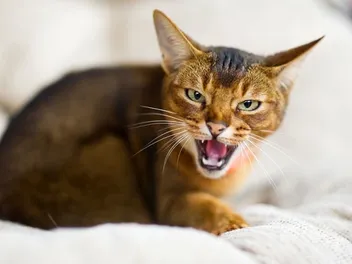
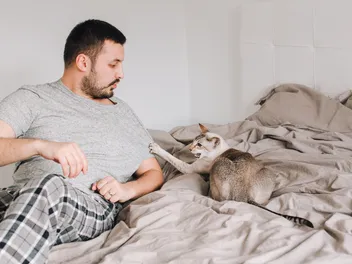
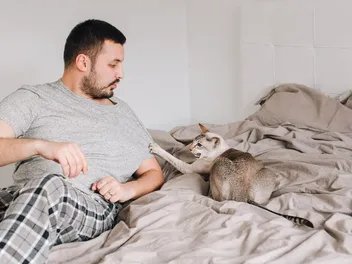
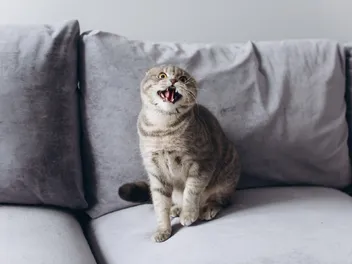
When we think of protective pets, we tend to think of dogs. However, cats may exhibit behaviors that appear protective when they perceive a threat to themselves or their family. While their small size typically means they rely more on warnings or deterrents than direct confrontation, some cats may display behaviors such as hissing, growling, or blocking access to their owner. In certain cases, these reactions can escalate into aggression towards visitors.
Below, we look at some of the possible causes of these protective behaviors and what you can do to prevent your cat from attacking visitors.

The Cat-Human Relationship
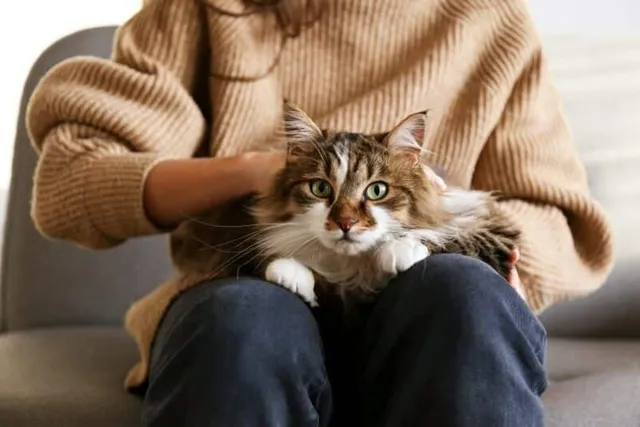
Cats have been domesticated for thousands of years. They share our homes and lives. In some cases, they work with us as pest control officers, or even as emotional support animals. But, for the most part, they have a reputation for being aloof and standoffish. It can seem for some as though they don’t care about us at all, as long as we keep putting food down and meeting their daily requirements.
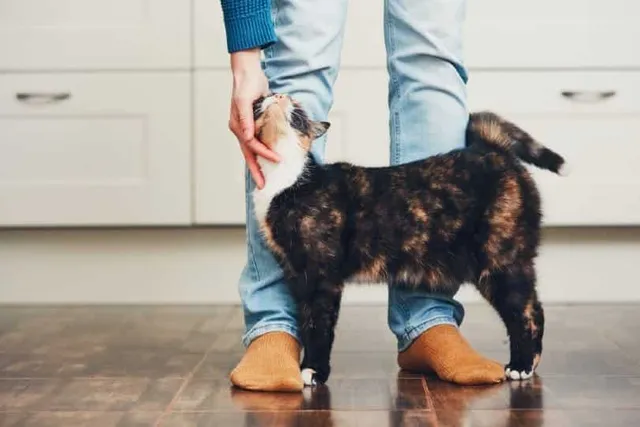
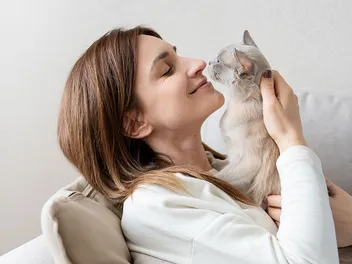
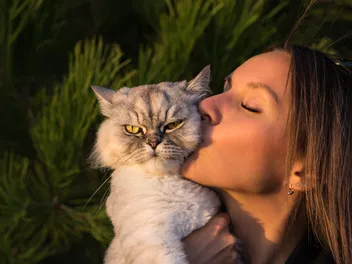
But, studies suggest that cats also rely on us for comfort and security. They form very strong bonds with their owners, similar to the bonds between humans and dogs or even babies.

Protective Cats
Because cats form these close bonds with their humans, it means they can instinctively act protectively. Cats don’t think the same way as humans, or even dogs, so this protective nature doesn’t mean that they will come rushing in to save the day by attacking perceived threats. More likely, they will spend time with you or manifest through their body language that they’re perceiving a threat.
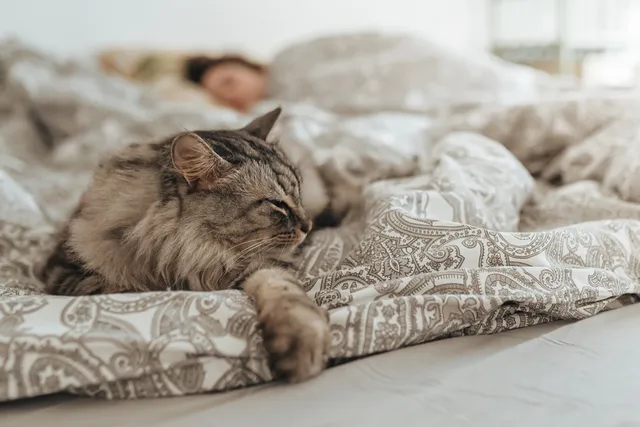
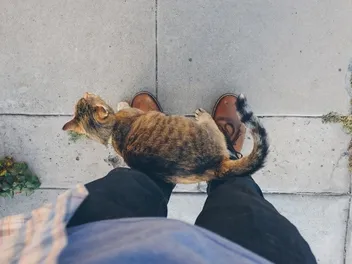
A protective cat may follow you around the house and even sleep with you or near you. They will likely vocalize if they spot a potential danger.
Signs Your Cat Is Protecting You
Having a protective cat can seem sweet, and there are even instances of cats chasing away dogs and other potential predators to protect their humans. However, it can become a problem if a cat becomes overprotective. The cat may try and prevent other people from getting too close to you and can even attack visitors to the house or other family members if they perceive them as a threat.
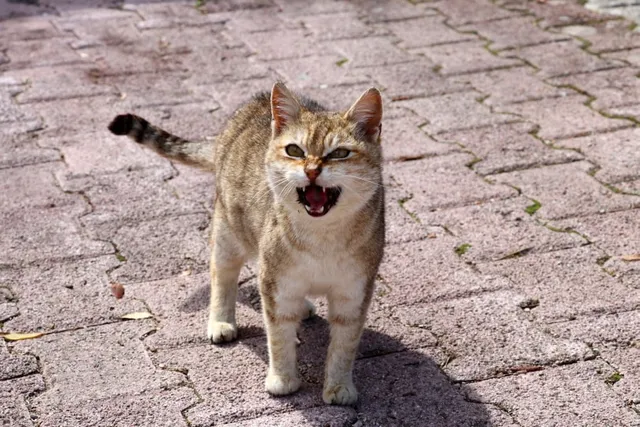
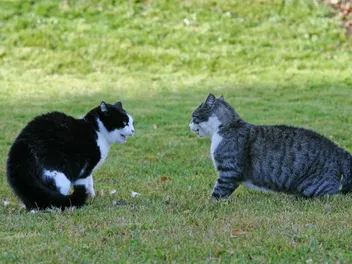
Signs of an overprotective cat are similar to the signs a cat would show if they feel threatened. They will bush up their tail and the fur on their backs, making themselves appear bigger and more threatening than they are. This will be aimed at the person or other animal that they see as a threat. These can be seen as warning signs, and if the threat doesn’t go away, the cat may become more aggressive, eventually leading to scratching and biting.

How to Prevent Aggressive Cat Behavior
Never praise or reward the cat for aggressive behavior. This teaches the cat that aggression is the desired response, and not only will they continue to show similar signs, but they could also become even more aggressive.
Don’t punish the cat for being aggressive, however. Your cat is unlikely to know what it is being punished for, so it won’t rectify the problem but may damage the bond between the two of you and trigger behavioral issues.
Generally, you need to praise and reinforce positive behavior and ignore the negative reaction by walking away from it. You can also attempt to distract the cat by providing something acceptable to attack or play with before it gets aggressive.
Do Cats Actually Care About Their Owners?
Studies suggest that cats are attached to their owners. They not only rely on people for their food and water but also for comfort and security. So, while it might come as a surprise to the owners of aloof, independent cats, they can care very deeply about their owners.

Do Cats Guard the Home?
Cats can protect their home; in the same way they might protect humans. Typically, this means they will sound an audible alarm for their humans, but it can lead to cats being aggressive towards people visiting the house and potentially even intruders. Most of the time cats will avoid direct confrontation with people, though.

Conclusion
Although they can appear aloof and even a little ignorant of their human owners, cats can develop very strong bonds. As well as being reliant on their humans for food, water, and shelter, it has been discovered that they also rely on people for social bonds and security. This means that pet cats can display protective behavior and, albeit very rarely, may even become over-protective and potentially aggressive.
Sources
Featured Image Credit: Nataliabiruk, Shutterstock
Expert cat care, straight to your inbox
News, insights, and useful advice, delivered to you.

No spam — unsubscribe anytime.
By signing up, you agree to our Terms & Conditions and Privacy & Cookies Policy.
How useful was this post?
Click a star to rate. You can leave written feedback afterwards. (We read all feedback.)
Nicole is a lover of all animals, especially of the feline variety. She's mom to four, three fur babies and a human baby. She and her husband, John, live on a large forest property down in New Zealand.
Their beautiful Burmese cat Baby (who is now 17 years old) was their first child, though he is now called Baby Cat since their human baby joined the party in 2022. The dogs Rosa and Mac also love cats, but the whole family agrees that King Baby Cat is enough cat for this household.
Nicole is the Director of Content Management at Catster and Pangolia. With a Bachelor's degree in Education and years of online experience, she shares her pet knowledge and the knowledge of other professionals with the world, aiming to improve pets and pet parents' lives.