How to Make a Cat Feel Better After Vaccines: 3 Vet-Approved Tips

In this article
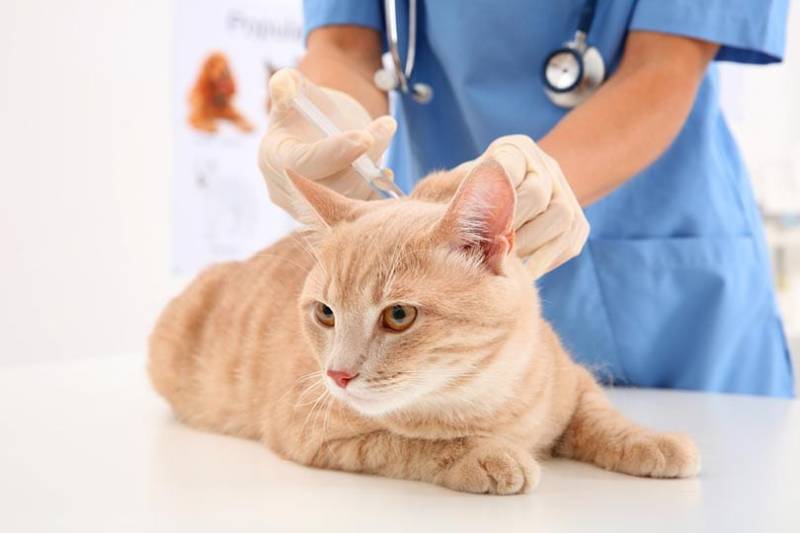
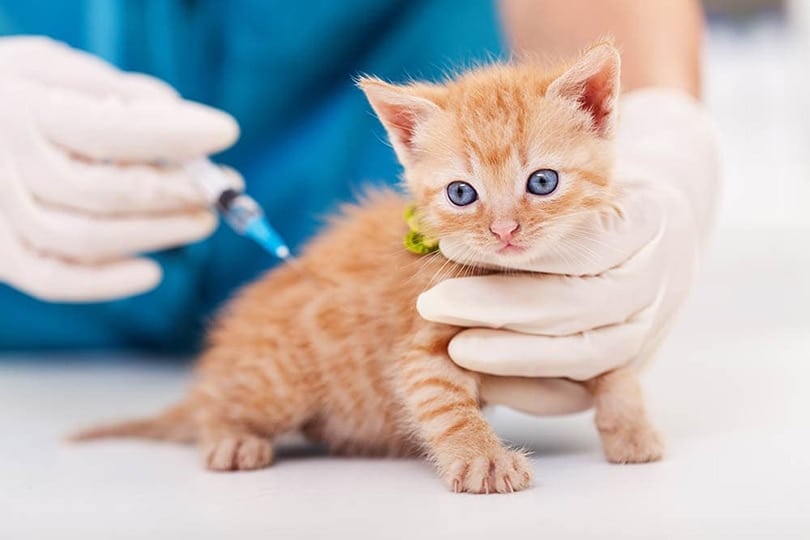
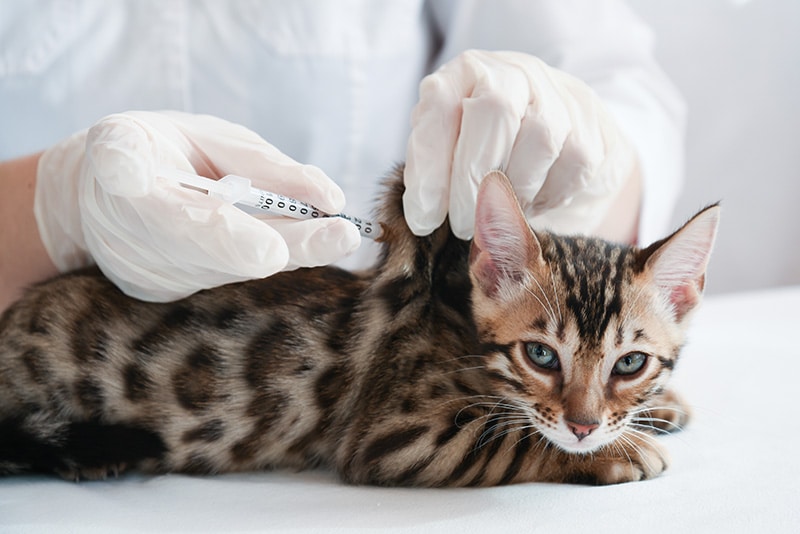
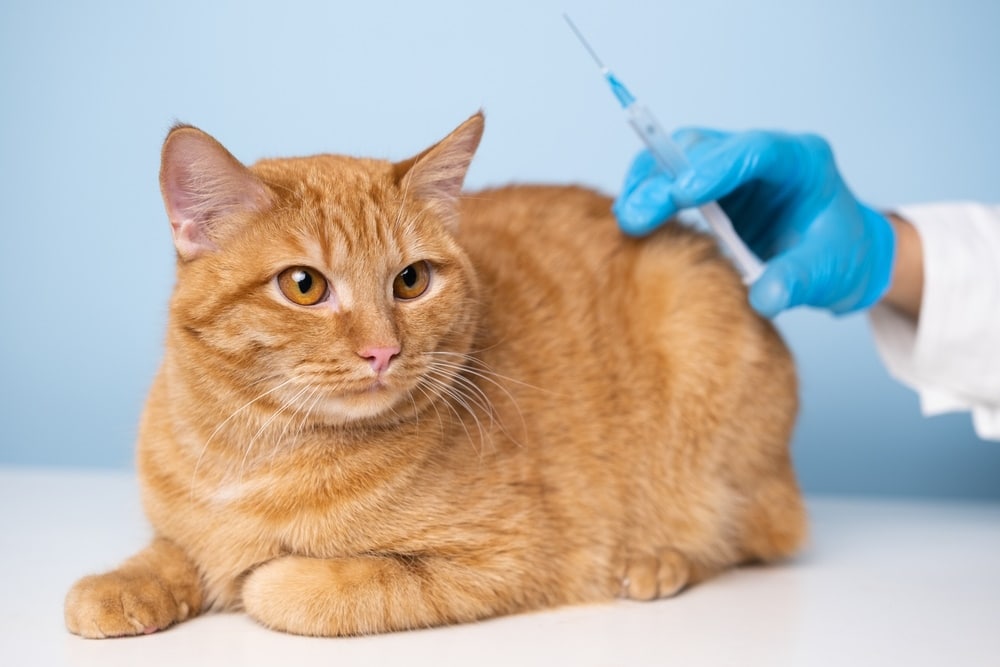
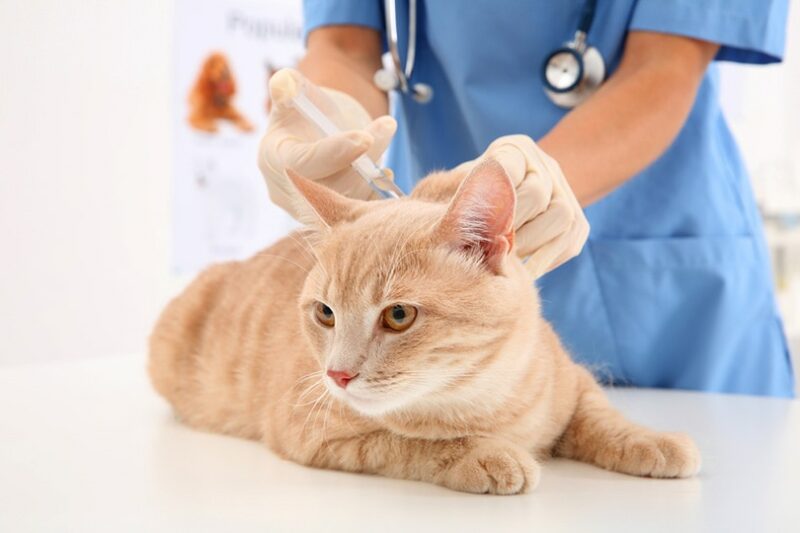
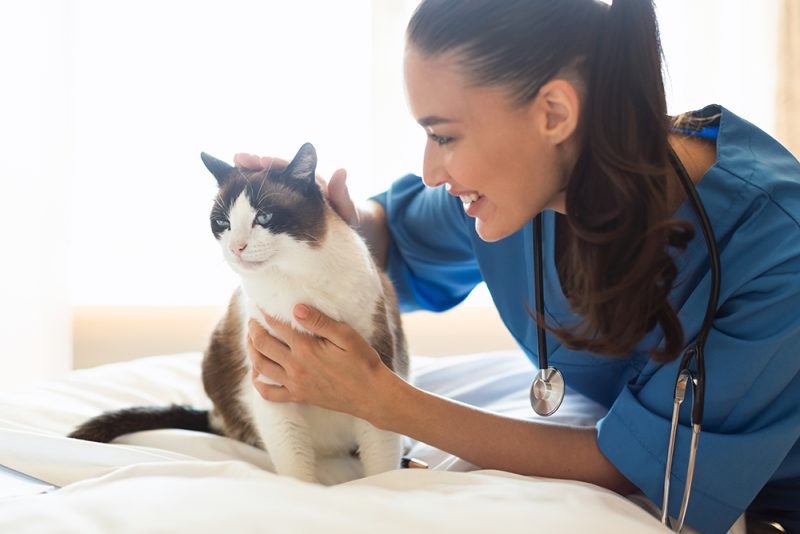
Vaccines are vital for any cat’s long-term well-being and quality of life, but for a short period after receiving them, shots can cause several irritating side effects. Mild pain is typical, as is mild tiredness. Depending on your cat’s personality the stress of the vet visit could contribute to their signs. Though recovering from vaccines is usually quick and easy, some cats can use the extra help to recuperate as fast as possible over the ensuing 2 to 3 days.
Keeping your cat comfy isn’t complicated, and you’ll enjoy the peace of mind that they’re safe, healthy, and content. We’ll show you how to make your cat feel better after getting vaccinated quickly and easily with these three tips for post-shot care.

The 3 Tips to Make Your Cat Feel Better After Vaccines
1. Give Your Cat a Soft Bed in a Safe Area
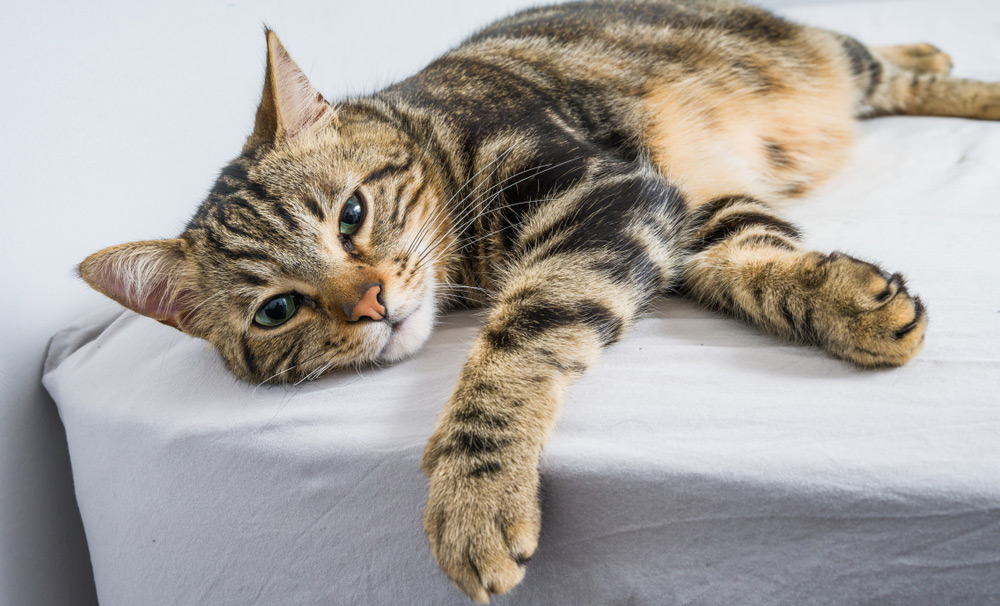
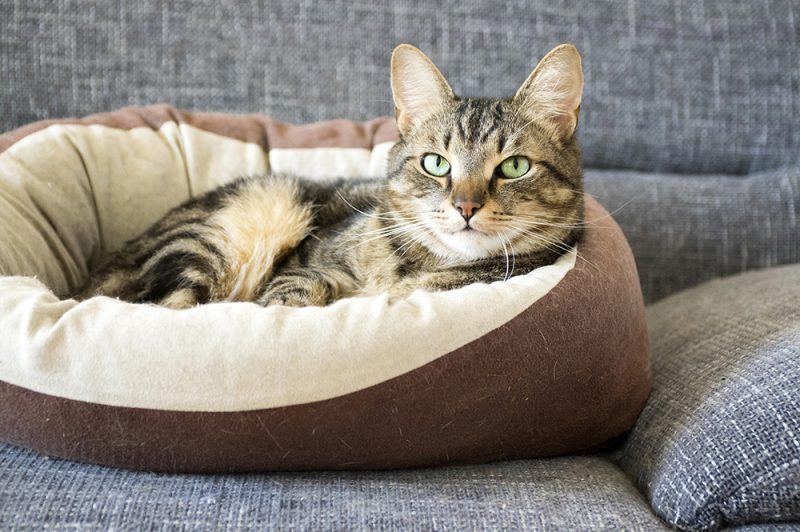
If your cat is sore and tired after getting vaccinated, they’ll appreciate a cozy bed where they can rest. Provide a soft, warm sleeping area where your cat can easily access their litter box and food bowl.
It isn’t uncommon for cats to withdraw a little after getting shots, so you should consider their desire for privacy as you arrange their comfy space. Set it up in a quiet, out-of-the-way area in a bedroom or spare room with less traffic to help your cat feel secure.
2. Watch for Signs of Agitation and Give Your Cat Space
The vaccination process, from the trip to the vet to the soreness following the shots, can leave cats feeling edgy, which you may interpret as aggressiveness or distrust.
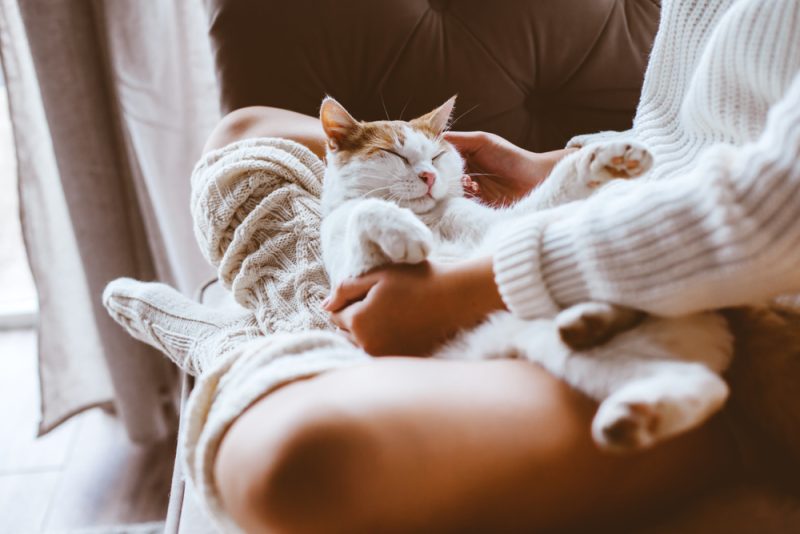
While this will generally fade after a day or two as your cat settles back into the routine, you should be aware of their body language and allow them to engage you rather than force interactions. Give your cat space if they want it, and offer gentle affection when they want to snuggle with you. You can also try calming pheromone sprays or supplements to help relax your cat.
3. Check on Your Cat Frequently
Although you’ll give your cat their necessary alone time to let them rest, relax, and recover, you should also keep tabs on them to ensure they’re comfortable and making steady progress. Check on your cat frequently for signs of discomfort or unwanted reactions to the shots. Keep the water and food bowls clean, filled, and accessible, but don’t worry if your cat isn’t overly hungry.
What Are the Most Common Side Effects of Vaccine Shots?
Adverse reactions to vaccines are uncommon, as one survey found they occurred in only 0.52% of cats within 30 days after vaccination. Cats around a year old are the most at risk of experiencing issues. Adverse reactions become more likely as cats receive more vaccines in one visit.
The most common adverse reactions cats experience after a vaccination include:
- Lethargy
- Loss of appetite
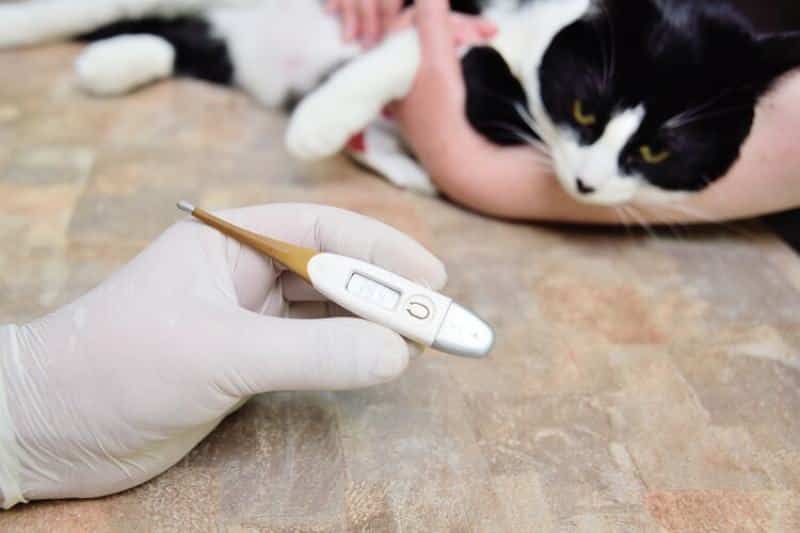
- Fever
- Inflammation at the injection site
Cats may also experience mild to severe allergic responses causing facial swelling, breathing difficulty, itchiness, vomiting, or collapse. Anaphylaxis typically occurs within 20–30 minutes after vaccination. Owners must seek immediate veterinary care if their cats show signs like these.
Innate responses cause many common adverse effects and are expected consequences of the vaccine stimulating the body’s immune system.
If you are concerned about your cat after they've received shots, you should contact a veterinarian.
Feline Injection-Site Sarcoma
Feline injection-site sarcoma (FISS) is a rare occurrence and one of the most severe vaccine-associated adverse effects. The malignant tumors may appear anywhere from a few months to several years after cats receive an injection and, if left untreated, can be fatal as the cancer metastasizes to other organs in 10-28% of cases.
Swelling or lumps at the injection site may occur in vaccinated cats, usually disappearing within several days. Vets often advise clients to follow the 3-2-1 rule in assessing swelling after vaccinations. Masses need further investigation if they meet any of the following criteria:
- They persist for longer than 3 months
- They become larger than 2 centimeters in diameter
- They grow in size a month after vaccination
Your cat may need a biopsy for a FISS diagnosis, potentially alongside imaging such as CT scans. Complete surgical removal of the mass is more likely when it is small, so timely investigations can save your cat’s life. Allowing the mass to grow and potentially spread worsens the prognosis. Following surgery, radiation or immunotherapy can improve your cat’s chances.
How Often Do Cats Need Vaccinations?
Cats generally receive vaccinations starting 6–8 weeks after birth. Vets then time additional vaccinations every 4 weeks until the cat reaches 16–20 weeks old. The core vaccines recommended for all cats include:
- Feline panleukopenia virus, feline viral rhinotracheitis, and feline calicivirus vaccines combined into one (FPV/FHV-1/FCV)
- Rabies
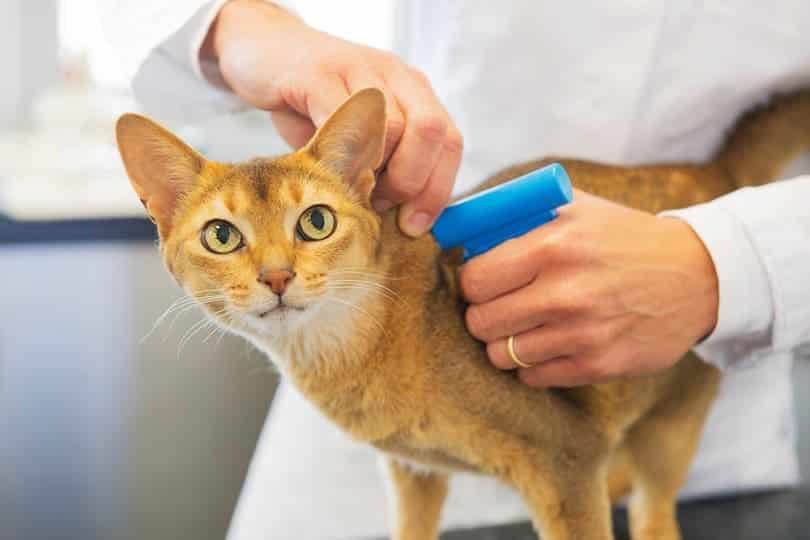
Healthy cats typically need vaccine boosters every 1-3 years, depending on the vaccine and the cat’s risk of infectious disease. Vets assess individual exposure risks to form vaccination plans and may recommend non-core vaccines, such as those for feline leukemia virus, Bordetella, and chlamydia, depending on the cat’s environment, health status, medical history, and lifestyle.
Conclusion
Vaccinations rarely cause any adverse effects in cats, and for those who feel a little tired or under the weather, the benefits still vastly outweigh the risks.
Monitor your pet for the few days after they get their shots, and don’t hesitate to follow up with the vet if they show abnormal swelling or other signs or reactions. Otherwise, keep your cat comfy; they will feel better faster and be ready for the next round of shots.
Sources
Featured Image Credit: Prostock studio, Shutterstock

Expert cat care, straight to your inbox
Vet-reviewed advice, behavior tips, and the best of Catster. Free, and you can unsubscribe anytime.
By signing up, you agree to our Terms & Conditions and Privacy & Cookies Policy.
Christopher Bays is a writer and editor with a soft spot for cats of all shapes and sizes. He enjoys researching and caring for Olga, an adopted Russian Blue mix who is always by his side while working. In his free time, Christopher enjoys gardening, writing short stories, listening to music, and hiking.
Join the conversation
Ask a question, share your story, or send private feedback.