Why Do Kittens Sometimes Die Suddenly? Vet-Verified Causes & Facts


In this article
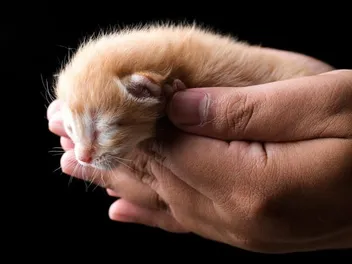
Having a litter of newborn kittens in your house can be a cause for celebration, but it can sometimes also cause heartache. These tiny little bundles of fluff are incredibly fragile, and sometimes you might wake up to find that a kitten died overnight.
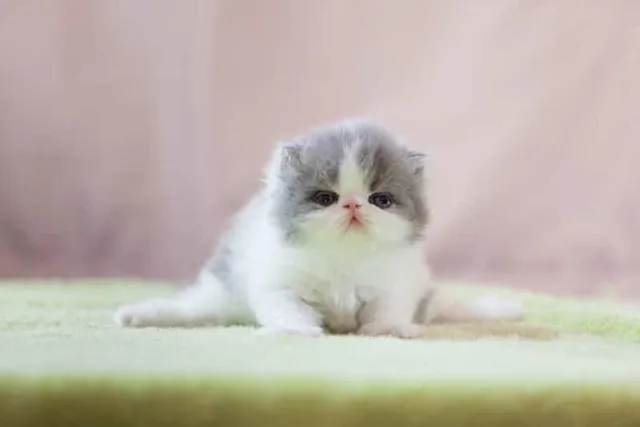
Sadly, it’s a common occurrence that out of a litter, a kitten may die suddenly. This percentage is often higher in purebred cats, with research showing that the Persian breed often has the highest mortality rates for kittens.
Knowing the subtle signs to look out for can mean that you can give your kittens the best chance of survival. We outlined the main reasons for sudden kitten death here, as well as what you can do to prevent it.

What Are Fading Kittens?
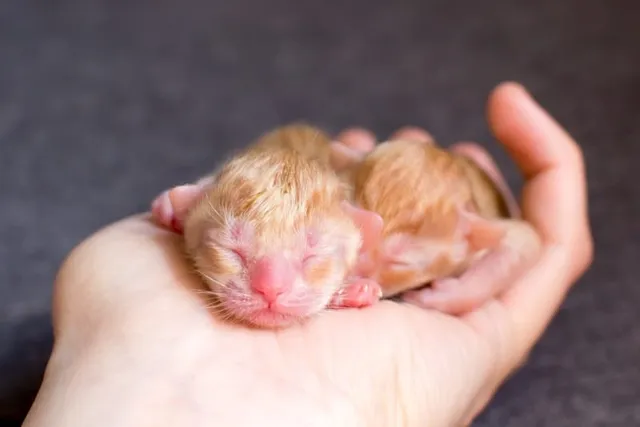
The term given to kittens dying between birth and when they’re weaned is “fading kittens.” This is a fairly common occurrence, although it is very sad whenever it happens. Professional breeders will usually prepare themselves for the chance that some of their kittens may not survive up to weaning, but it can be harder to prepare for if this is your cat’s first litter.
The highest risk period for kittens is their first week of life. After they’re more than 7 days old, the risk of death starts to decrease dramatically, but they’re still considered at risk until after they’ve been weaned.
The 3 Causes of Fading Kittens
1. Hypothermia
Newborn kittens can’t regulate their own body temperature, so they are at high risk of becoming too cold and developing hypothermia. Kittens rely on their mothers to keep them warm, but they may also benefit from a heating pad or heat lamp. If a kitten falls out of the nest or moves away from their mother, they can quickly become too cold. Hypothermia can cause lower respiratory and heart rates, which if left untreated, can lead to cardiovascular failure.
Once a kitten is cold, they also usually stop suckling milk, which means their bodies are under even more stress. It’s a good idea to make sure that you provide heat sources for newborn kittens and monitor their temperatures. Use a thermometer to take each kitten’s rectal temperature, and keep a note of their levels. Newborn kittens should have a temperature of 95–97 degrees Fahrenheit, increasing to 100 degrees Fahrenheit by the time they’re a week old. During this time, keep their environment at 85–90 degrees Fahrenheit.

2. Hypoglycemia (Low Blood Sugar)
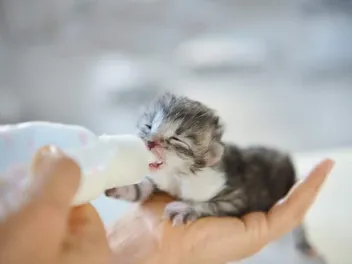
Newborn kittens need plenty of nutrients, but their small body size means they have no natural reserves to use. This means they need to drink a large amount of milk from their mother or via a milk replacement formula. If they don’t get enough milk, their blood sugar levels can rapidly drop and they can become hypoglycemic.
Signs of hypoglycemia include:
Left untreated, hypoglycemia can lead to coma and death.

3. Dehydration
Kitten’s bodies have a high water content, but they’re not yet able to effectively regulate this, so they can quickly lose water through their lungs, skin, and kidneys. If they don’t replace this lost water, they can quickly become dehydrated. Diarrhea can rapidly cause a kitten to become dehydrated, too.
Signs of dehydration include:
Dehydrated kittens may need subcutaneous fluids to help them recover.
Causes of Death Related to Birth & the Mother Cat
Sometimes, kittens can die suddenly as a result of birth complications or issues connected to the health of the mother cat.
1. Difficult Birth
If a mother cat’s labor was traumatic, this can cause a range of problems, which can cause kittens to die suddenly. Lack of oxygen (hypoxia) during birth can lead to kittens dying shortly after birth. Certain breeds, including those with flat faces, like Persians, are known to suffer birthing difficulties, which can affect the health of the kittens.

2. Experience of the Mother Cat
The first litter of any mother cat is often more at risk than subsequent litters. An inexperienced mother cat may have a more traumatic birth. As mother cats have more litters though, the risk can increase again. Litters two through four are most likely to be born without complications. If the mother cat doesn’t feed her kittens correctly, they can miss out on the vital first milk known as colostrum.
This contains antibodies that help boost a kitten’s immune system so they can fight off infection and disease.
3. Health of the Mother Cat
If the mother cat is obese, this can sometimes cause increased kitten mortality. Other health conditions, including mastitis or reduced milk supply, will also affect the health of the kittens.

4. Inappropriate Environment
Even kittens that initially seem healthy can quickly fade and die if their environment isn’t correct.
Be sure to check the following factors:
5. Congenital Abnormalities
Certain physical defects can develop while a kitten is still in the womb, and these are known as congenital abnormalities. These can either be inherited or developmental.
Common examples are:
Severe congenital abnormalities will usually cause the death of a kitten before they’re born, or they will die shortly after birth. Sometimes these defects will be obvious, while other times, you may want to ask your vet to help you identify them if possible.
Less severe abnormalities may result in some of the symptoms of fading kittens. The risks for certain congenital abnormalities can increase if breeders don’t carefully screen their cats for health conditions or if they breed cats that are too closely related. For that reason, if you’re choosing a purebred kitten, it’s always important to select a reputable breeder with a strong breeding program, including health tests on the parent cats and the kittens.

6. Low Birth Weight or Poor Nutrition
Kittens with a low birth weight are at a higher risk of death. Most newborn kittens should weigh between 50-150 grams, although this will vary depending on the breed. Kittens with a low birth weight may need support from kitten milk replacement formula to help them gain weight. They’re also at higher risk of developing dehydration, hypothermia, infections, or respiratory failure, so close attention needs to be paid to their health.
Kittens should be weighed when they’re born, then once a day for the first 7 days and once a week thereafter. They should gain 5–10% of their body weight per day and have doubled their birth weight after 2 weeks.
If kittens aren’t gaining weight, you may need to supplement their mother’s milk with kitten milk replacement formula. Speak to a vet for advice on how exactly to do this and about the proper milk/replacement ratio.
7. Infections
A kitten’s immune system can be compromised by a few different factors, including a lack of colostrum, low birth weight, or a lack of oxygen at birth. This can increase the risk of them contracting an infection. The most common infections seen in kittens include:
Many of these infections can cause death if left untreated. Symptoms can vary, but veterinary assistance should always be sought if any kitten is showing the symptoms associated with fading kittens. Your vet may want to run specific tests to see if any of these infections are involved.
Conclusion
Kittens are incredibly delicate, especially in the first few weeks of life. Sometimes there is nothing that can be done for certain kittens, but vigilance from owners can certainly help catch a few causes of kitten death that can be prevented.
As kittens start to be weaned, they’re usually out of the “danger zone”, and you can look forward to watching those little bundles of fluff grow into active and healthy cats.
Featured Image Credit: Rembolle, Shutterstock
Expert cat care, straight to your inbox
News, insights, and useful advice, delivered to you.

No spam — unsubscribe anytime.
By signing up, you agree to our Terms & Conditions and Privacy & Cookies Policy.
How useful was this post?
Click a star to rate. You can leave written feedback afterwards. (We read all feedback.)
Emma is a freelance writer, specializing in writing about pets, outdoor pursuits, and the environment. Originally from the UK, she has lived in Costa Rica and New Zealand before moving to a smallholding in Spain with her husband, their 4-year-old daughter, and their dogs, cats, horses, and poultry. When she's not writing, Emma can be found taking her dogs for walks in the rolling fields around their home...and usually, at least some of the cats come along, too! Emma is passionate about rescuing animals and providing them with a new life after being abandoned or abused. As well as their own four rescue dogs, she also fosters dogs for re-homing, providing them with love and training while searching for their forever homes.