Weaning Kittens: Vet-Reviewed Guide for How & When to Do It


In this article
At some point, all mammals need to be weaned. Transitioning kittens from nursing to eating solid food is a messy, fun experience. To properly transition, the kittens will need the appropriate support and food. Of course, whenever you switch the kittens over to solid food, you become responsible for their nutritional needs. Therefore, it is also essential to ensure you’re feeding your kitten the right thing.
In this article, we’ll take a look at everything you need to know to wean your kitten correctly. We will take a look at when to start weaning and how to make the food appropriate for your feline.

When to Start Weaning
It is essential to start weaning your kittens at the correct age. Feral cats wean their kittens when they’re around 6–8 weeks old, though kittens may stay with their mother for up to 12 weeks in some instances. To train their kittens for independence, mother cats often bring injured (but alive) prey to their kittens when they’re about 5–6 weeks old. It is thought that they do so in order to encourage them to practice hunting on a relatively easy target.
Keeping this timeline in mind is essential when weaning pet kittens. Generally, kittens’ teeth begin erupting when they are around 3 weeks old, and by the time they are around 5 to 6 weeks old, they’re often ready to put them to use. This is a sign that the kittens are ready to begin chewing solid food. Some kittens may need to nurse for longer than this, depending on their health and size. However, you shouldn’t begin weaning your kittens before 5 weeks. Late is better than early in this regard.
You should follow your kitten’s lead when weaning. If your kitten begins to experience health changes when you start weaning, it is likely a sign that they aren’t ready. You should not push your feline to wean if they’re showing signs of unreadiness.

What to Feed Weaning Kittens
Your kittens won’t switch over to solid food right away. It’s a process. It is essential to select the right food for this transitional period. You should select high-quality kitten wet food. Kittens and adults have different nutritional needs, so you’ll need to feed your kitten a diet specifically designed for their needs, as kittens require several small meals a day (up to six meals) of a very calorie-dense food.
Wet food is the easiest option to start with. It is soft enough for kittens to eat without massive amounts of prep and has a high moisture content to help your kittens stay hydrated. You can switch your cats to dry food later if you wish. If wet food isn’t available, kibble should be moistened with warm water to soften it. However, not all kittens appreciate the taste or flavor of kibble when offered this way. Some kittens also seem to like dry food better, though they are often in the minority.
No matter what type of food you choose, ensure that it is high in protein and includes plenty of animal meat as a main ingredient. If you’re ever uncertain or have doubts about the best food for your kitten, an experienced veterinarian is the best person to ask. They’ll be able to recommend brands they trust and consider best for your kitten’s needs.
How to Start
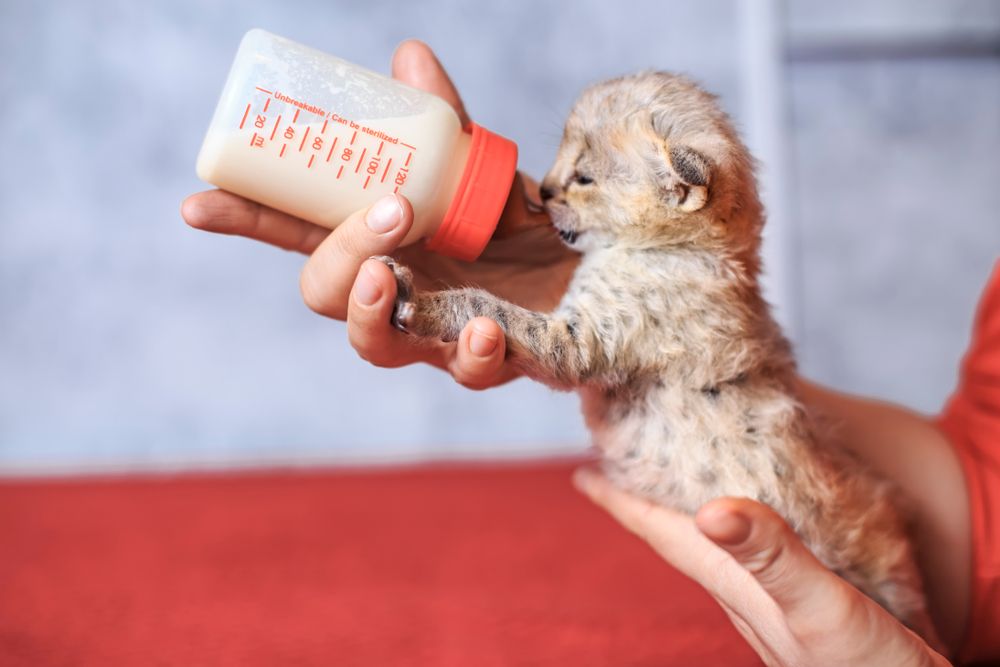
Begin by offering the kittens a small amount of food on your finger or a spoon. Initially, it is best if you mix this morsel with their kitten milk formula in a saucer to make a slurry. If the kitten seems interested and eats it, increase the ratio of solid food to formula for their meals in about 1–2 days. Continue doing so until you completely transition them to solids (the entire process should take around 2 weeks). You should not force your kitten to eat the food if they don’t accept it. This will only backfire by making your kitten scared and nervous about the process. Your job is to make the food available in a form the kittens can access — not make them eat it.
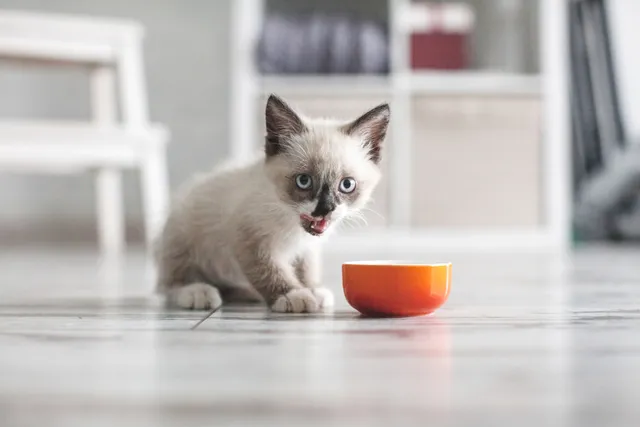
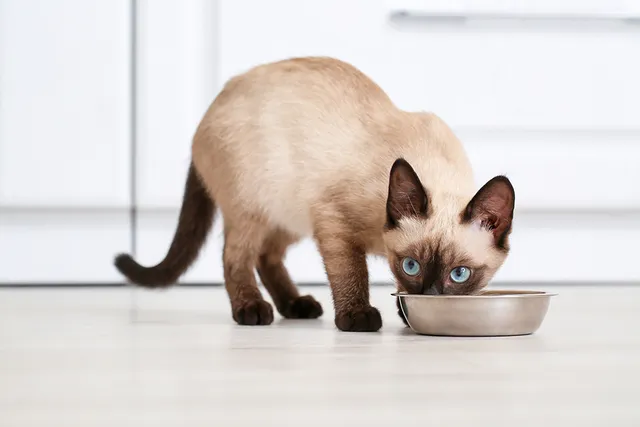
Eating out of a dish can be challenging for many kittens, so it will take them a few days to figure it out. During this phase, they’ll likely need your assistance to keep clean, as kittens are often quite messy when they’re getting used to eating from a pet bowl. This is why we also recommend using a spoon until they’re a bit more competent with the dish. You’ll likely find that they get more on themselves than in their mouth in the beginning.
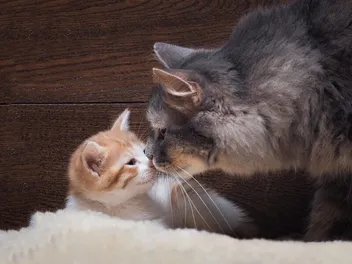
If the mother cat is around, you’ll still need to allow the kittens to nurse if they choose to do so (and if their mother allows it). They’ll usually act increasingly ravenous for solids as their mother weans them. They may also follow their mother when you feed her, and they can be introduced to solid foods this way. There isn’t much you’ll need to do in this process except feed the kittens too, of course. Many mother cats will reduce the amount of nursing time for their kittens when they wish to wean them. They do so by sitting flat on their belly to prevent access to their teats. This is an indication that you should begin introducing solids to your kitten.
You should weigh the kittens throughout the weaning process to ensure they’re gaining weight.

The Process Continues
Eventually, your kitten will be eating confidently on their own. At this point, supplemental feeding with formula or nursing is unnecessary. Your feline will get everything they need from solid food. You should continue to feed kitten food, as they will be unable to switch to adult food until they are fully grown.
When they stop nursing, it is time to introduce small amounts of water. The dish should be small and shallow. Alternatively, a fountain can be used.
Kittens usually struggle with water at first, but it should only take them a few days to get the hang of it.
Conclusion
Kittens can be weaned when they are at least 5–6 weeks old by slowly transitioning them to high-quality kitten food. This process takes a period of a week or two, and kittens usually have no issues switching. Any issues that do arise during the weaning period should be discussed with your veterinarian, to ensure that the process isn’t detrimental to your kitten’s health.
Featured Image Credit: Kolomenskaya Kseniya, Shutterstock
Expert cat care, straight to your inbox
News, insights, and useful advice, delivered to you.

No spam — unsubscribe anytime.
By signing up, you agree to our Terms & Conditions and Privacy & Cookies Policy.
How useful was this post?
Click a star to rate. You can leave written feedback afterwards. (We read all feedback.)
Kristin is passionate about helping pet parents create a fulfilling life with their pets by informing them on the latest scientific research and helping them choose the best products for their pets. She currently resides in Tennessee with four dogs, three cats, two fish, and a lizard, though she has dreams of owning chickens one-day!