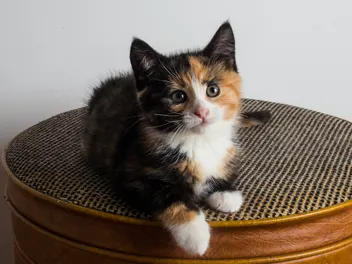
Why Feral Kittens Only Have Months to Learn Everything



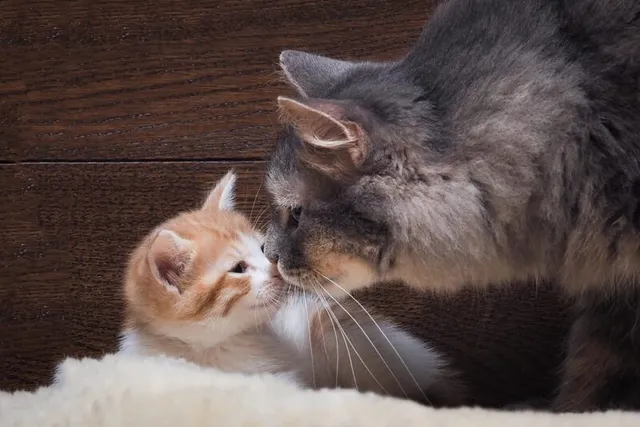
Watch a mother cat with her litter long enough, and you'll notice something remarkable: she's not just feeding them. She's running a survival school. Every interaction teaches her kittens something they'll need when she eventually leaves, whether that's in a few weeks or several months.
For house cats, this departure timeline is mostly academic. But for feral and stray kittens? Understanding when and how mother cats leave can mean the difference between a kitten who survives and one who doesn't.

The Early Weeks

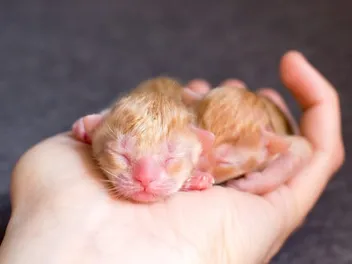
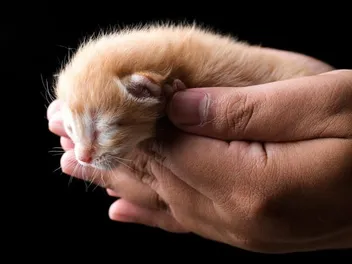
Cat gestation lasts about 63 days. The first 2 to 4 weeks after birth are entirely about milk. Kittens are blind, deaf, and completely dependent. Their mother rarely leaves during this period.
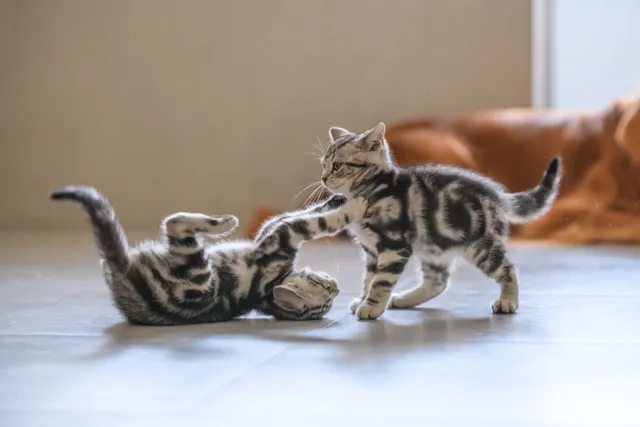
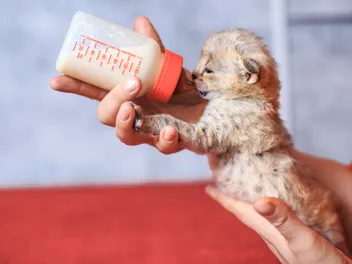
Around 4 weeks, something shifts. Kittens start sampling solid food. Between 6 and 8 weeks, they become noticeably more active, jumping, running, and developing coordination. Weaning typically happens now. They're still with mom, but they're eating on their own.
By 12 weeks, kittens are on the edge of independence. They can survive without their mother's milk. But survival and thriving are different things, and mother cats know this.
What "Independence" Actually Means
At 12 weeks old, a kitten can physically survive without constant maternal care. The mother cat may start leaving for longer periods, sometimes hours at a time. But she's not abandoning them. She's teaching them the final, crucial skills.
In the wild, feral cats often live in matrilineal colonies. Female cats and their offspring coexist as long as food sources can support the group. The "independence" timeline isn't about the mother kicking kittens out at a specific age. It's about kittens gradually acquiring the skills they need to survive on their own if they must.
The Skills That Keep Them Alive
A kitten needs specific abilities to survive in the wild, and acquiring them takes months of practice.
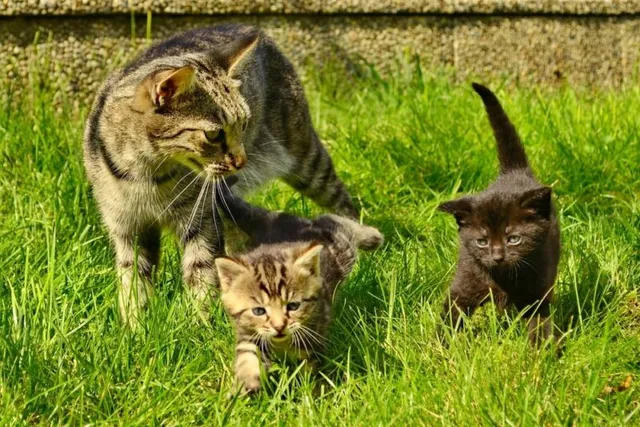
Mother cats bring live prey starting around 4 weeks. First, kittens just watch. Then they practice pouncing. Eventually, they learn to hunt on their own. They also learn predator avoidance, knowing when to hide, when to run, and when to stay absolutely still. This isn't instinct. It's learned.
Other critical skills include competing for territory and resources, grooming themselves properly, finding shelter, and understanding cat communication through body language and vocalizations.
Without these skills, mortality rates skyrocket. Feral and stray kittens face dramatically higher death rates than house cats, particularly before 6 months. Traffic, predators, disease, starvation. The dangers are real and constant.

The Adoption Timeline vs. The Wild Timeline
For house cats, the adoption timeline is straightforward: 8 weeks minimum, though 10 to 12 weeks is better. This extra time lets kittens gain confidence, learn litter box habits, and develop better socialization skills before the stress of moving to a new home.
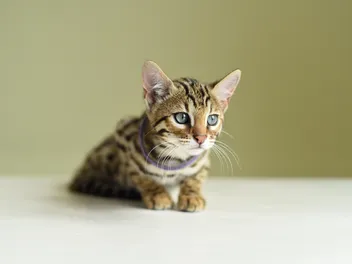
A 12-week-old kitten ready for adoption should be confident, playful, comfortable with people, and show independent behaviors like hunting practice and exploration.
But here's where feral kittens diverge: after 8 weeks, if they haven't been socialized with people during the critical 2 to 7-week window, they become increasingly fearful of humans. They learn to view people as threats.
This creates a cruel timing problem. Feral kittens need to stay with their mothers longer to learn survival skills, but if you want to rescue and socialize them, you need to intervene earlier. There's no perfect answer, which is why contacting animal rescue organizations is crucial if you find feral kittens.
If You Find a Mother Cat with Kittens
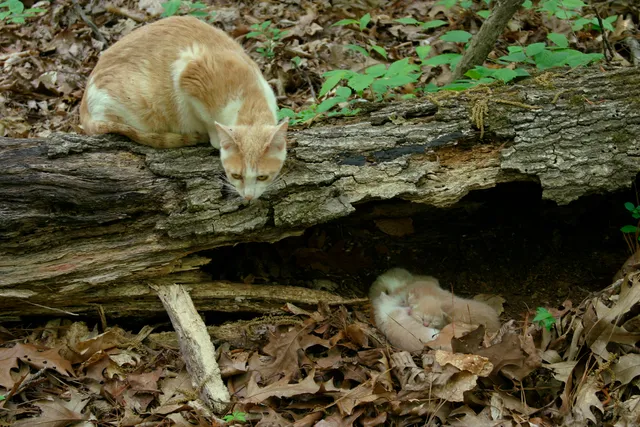
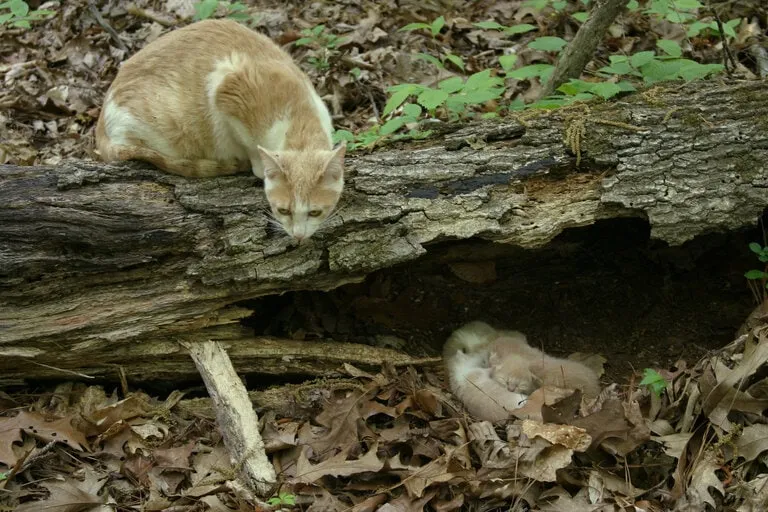
Leave them alone unless they're in immediate danger, need medical attention, or the mother has genuinely abandoned them. "The mother hasn't been back in a few hours" doesn't mean abandonment. She may be hunting or moving kittens one at a time.
If you're concerned about the kittens becoming too wild to catch before receiving care, contact your local animal rescue for guidance.
Caring for Kittens: The Essentials
Whether you're raising house kittens or fostering rescued ones, key priorities include:
Provide warm, safe sleeping areas with fresh water and nutritious food daily. Offer toys, scratching posts, and cat trees for stimulation. Socialize kittens early with people and other animals in controlled settings. Maintain regular vet care, including vaccinations, flea treatments, and deworming (kittens almost always have intestinal parasites from their mothers).
Don't separate kittens from their mother before 8 to 12 weeks. Spay or neuter around 5 to 6 months based on vet advice. Allow supervised exploration and monitor for any signs of illness.
Final Thoughts
Mother cats don't abandon their kittens at a predetermined age. They gradually teach independence while remaining nearby, stepping back only as their kittens demonstrate competence. For feral cats, this process can take months as kittens perfect the complex skills needed for survival.
The 12-week mark isn't a finish line. It's the beginning of a transition period that, in the wild, continues until kittens are fully self-sufficient. For domestic kittens, it's the minimum age when adoption becomes viable, though waiting a bit longer gives them an even better start.
If you're adopting, rescuing, or caring for kittens, respect this timeline. Those extra weeks with mom aren't just nice to have. They're foundational to who that kitten becomes.
Sources
Feature Image Credit: Franz W., Pixabay
Did You Know?
- Our brand-new posts are rounded up and included in our weekly emails. Don't miss out on the latest - sign up for our newsletter below!
Expert cat care, straight to your inbox
News, insights, and useful advice, delivered to you.

No spam — unsubscribe anytime.
By signing up, you agree to our Terms & Conditions and Privacy & Cookies Policy.
How useful was this post?
Click a star to rate. You can leave written feedback afterwards. (We read all feedback.)
Dan has been working in the pet world for over 4 years covering cats, dogs, and all other pets in between. He loves helping pet parents keep their companions happy, healthy, and of course, totally spoiled! Originally from London, Dan now travels and works remotely, which unfortunately means no pets at home, but it gives him plenty of opportunities to fuss over other people's furry friends.