How to Tell if a Cat Is Stressed: 12 Vet-Reviewed Signs to Watch For


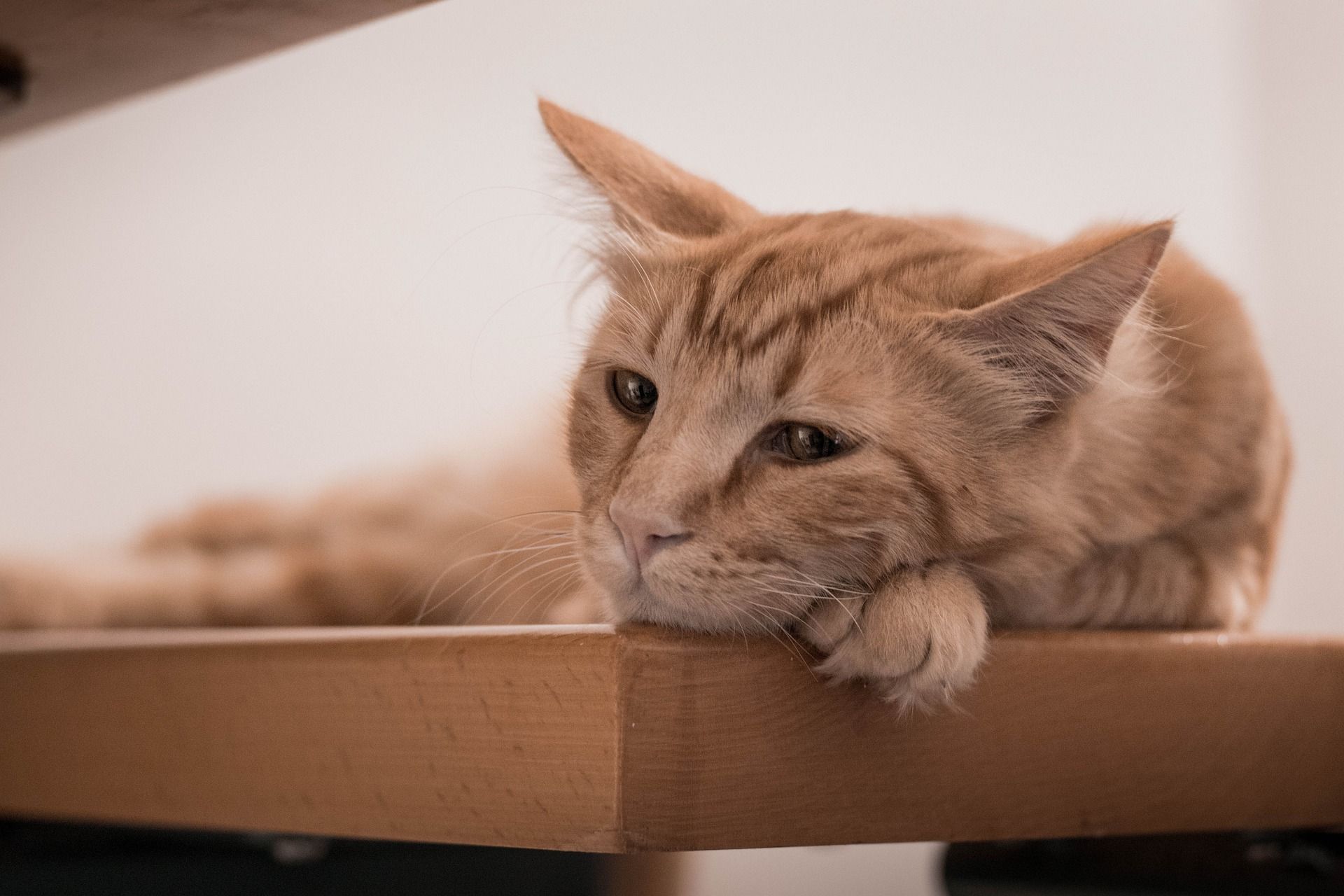
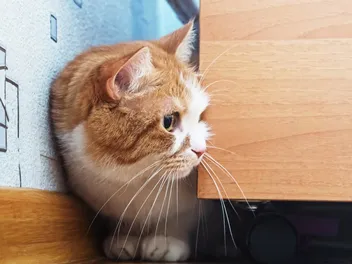
In some ways, cats are a lot like people. They get stressed and anxious. Unlike humans, they can’t tell us their problems using words, and we have to look for subtle signs to identify when a cat is stressed. This can be especially difficult because a cat’s instinct is to hide when they are in pain or suffering. In the wild, signs of weakness give potential predators a chance to take advantage.
To help you determine whether your cat is stressed, we have highlighted 12 signs to look for and information on what can be done to remedy the situation and make your cat feel comfortable and happy again.

Top 12 Signs Your Cat is Stressed
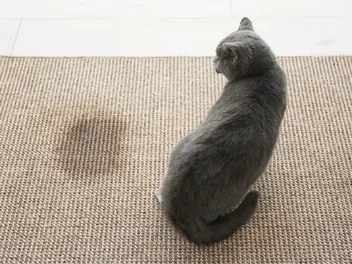
1. Inappropriate Urination

Inappropriate urination is urinating outside the litter box. It’s possible that a change in litter can cause the behavior or because the litter box isn’t clean enough. It is also possible that another cat or dog is approaching them when they get in the tray. These incidents could be causing the stress your cat is experiencing. If there doesn’t seem to be an explanation, however, it could be caused by stress or anxiety.
If you are concerned about the health and well-being of your pet, seek veterinary advice for the best course of action.
2. Diarrhea or Constipation
Several conditions and situations can cause diarrhea and constipation. A recent change in diet or feeding time, for example, may to be blame. It is also possible that your cat has eaten something they should not have, leading to an upset stomach.
3. Excessive Grooming

Grooming is a natural habit for cats, and most will generally spend a lot of time licking themselves to stay clean and remove dead hairs. If your cat is grooming to the extent of causing bald patches or skin irritation, it's a sign of overgrooming. It could be related to, among other things, excess stress and anxiety.
4. Excessive Scratching
Scratching is another natural behavior for cats. It enables them to sharpen and maintain their claws and mark their territory, and it is even a means of stress relief. Excessive scratching can also be a sign of health, behavioral, or emotional issues. This can include cats scratching their scratching posts more often, but it can also include scratching furniture and other items.
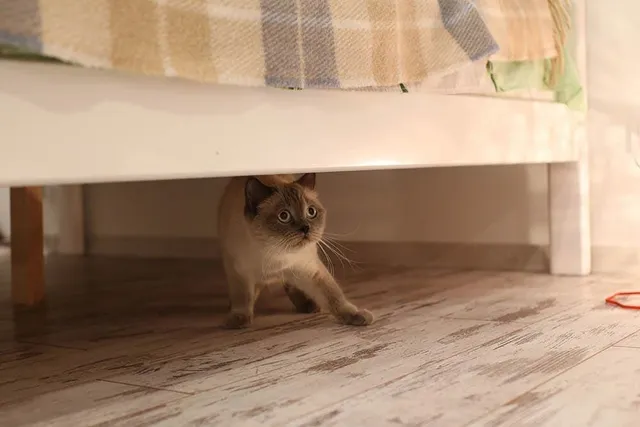
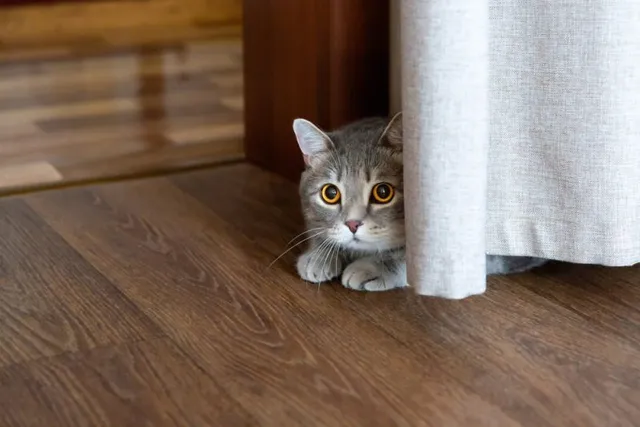
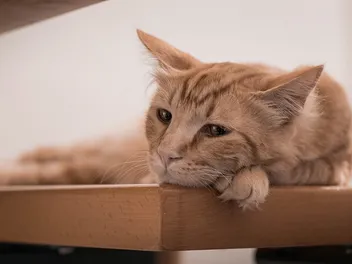
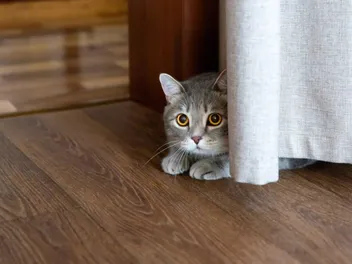
5. Hiding Away

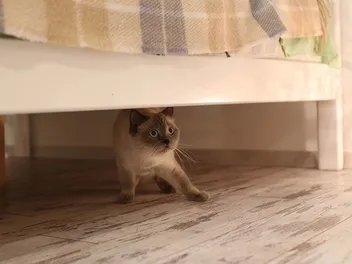
Some cats are naturally shy animals, and some simply like to be away from the chaos of the house. If your cat is spending more time shut away and avoiding you and the rest of the family than they usually would, it may be a sign that they're stressed or frightened. If you have introduced a new family member, whether two-legged or four-legged, your cat could be trying to enjoy the peace and quiet away from the action.
6. Demanding Attention
Similarly, if your cat suddenly goes from hiding away all day to wanting and demanding attention at every opportunity, it is another sign of stress. Generally, stress manifests itself as a change in behavior, and only you can tell if your cat is acting differently.
7. Vocalization

Some cats vocalize a lot, and others are less chatty. A stressed cat is prone to vocalizing their problems, which can include increased talking, meowing, hissing, and yowling. If you notice your cat making more noise, especially if the noises sound stressed, you should consult a vet because it could indicate a health problem or stress.
8. Change in Eating Habits
Some cats engage in stress eating; they spend more time at their food bowl, are more inclined to eat leftovers, and become more demanding of food. Others will be less inclined to eat. Over- and undereating can lead to serious health problems and may be a sign of anxiety.
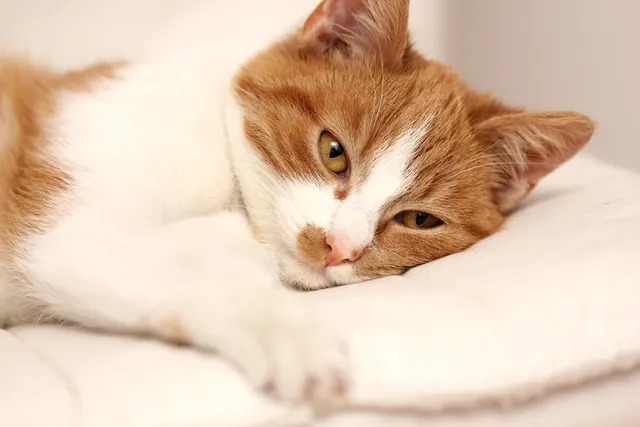
9. Altered Sleeping Habits

Cats are renowned for their ability to sleep. Most cats spend around 16 hours a day sleeping and taking cat naps. If you find your four-legged friend is sleeping more or less than they used to, look for possible causes. It could be something as simple as leaving a pile of clothes in their favorite spot, but it could be a sign that something major is wrong.
10. Aggressive Behavior Towards Other Pets
An otherwise friendly cat can become more aggressive toward dogs and other cats if they are feeling anxious. If you’ve introduced a new pet, it can take time for the new arrival and your existing flock to get used to the new living arrangements, but if your cat is being aggressive for seemingly no reason, it may mean they're anxious about something.
11. Aggressive Behavior Towards People

Stress is a cause of a cat becoming aggressive towards its owners, family, and even its favorite person. It could also be a sign of physical injury and their fear that you will exacerbate the pain, but it is worth checking out with a vet to ensure that it is nothing serious.
12. Changes in Behavior
Really, any change in your cat’s behavior could be a sign of stress. One week, your cat might like sleeping in the back of the wardrobe, while the next week, when it is sunnier, they might prefer the windowsill.
In Conclusion
Cats have subtle and some not-so-subtle ways to tell us if they’re feeling under the weather or if they're stressed and anxious. The key to identifying a problem is knowing your cat and spotting changes in their temperament or behavior. If you believe that your cat is stressed, try to resolve the cause of the stress, and if you can’t identify the cause, consult a vet because it could be a sign of an underlying problem.
Sources
Featured Image Credit: avi_acl, Shutterstock
Expert cat care, straight to your inbox
News, insights, and useful advice, delivered to you.

No spam — unsubscribe anytime.
By signing up, you agree to our Terms & Conditions and Privacy & Cookies Policy.
How useful was this post?
Click a star to rate. You can leave written feedback afterwards. (We read all feedback.)
Christian started writing for a local newspaper as a teenager, and he's been involved in the publishing industry for most of his adult life. Combining his love of writing with a passion for animals, he is currently the Director of Editorial at Pangolia and the Editor-in-Chief at Catster.
Christian lives in the Philippines with his wife, son, and four rescue cats: Trixie, Chloe, Sparky, and Chopper.