8 Vet-Reviewed Signs Your Cat Doesn't Like You & How to Fix it


In this article
Do you feel like your kitty doesn't reciprocate your affection? It happens even to longtime cat parents, especially if you own an independent cat. However, even if your kitty seems more reserved than cuddly, don't beat yourself too much about it. It often takes time, patience and dedication to win them over!
Cats are certainly not upfront communicators like dogs, but they often form strong bonds with their humans. Continue reading to find ways to improve the relationship with your cat and to try to identify the reason for it not being as fulfilling as you’d expect.

The 8 Signs That Your Cat May Not Like You
Before just assuming your cat doesn’t like you, there are other aspects to consider. The following signs may also often indicate that your cat is uncomfortable or fearful around you or in a specific situation, but they can also be unrelated to you and simply reflect your cat’s personality, health status or independent nature.
Consider your cat’s individual character and surroundings and make sure to consult a vet if there are any doubts surrounding their health or behavior. Let’s discuss some of the signs and also some of the popular myths surrounding cat behavior.
1. Walks Away When You Come Around
A cat that leaves the room when you enter and avoids eye contact is trying to tell you they're not interested in you or are uncomfortable around you.
2. Hides From You
You might notice that your cat hides under the sofa or in the closet when you are around. They could be doing so to make it impossible for you to find them or if they are frightened and insecure in your presence. Cats may also hide if they are sick, so be sure to reach out to a vet if this behavior is unlike them.

3. Friendly to Everyone Else Except You
If your cat is the cutest and cuddliest furball to guests and other family members but refuses to engage you, it doesn’t necessarily mean they dislike you intentionally. This behavior may reflect their comfort level, personal preference, or past experiences rather than malice.
4. Hisses at You
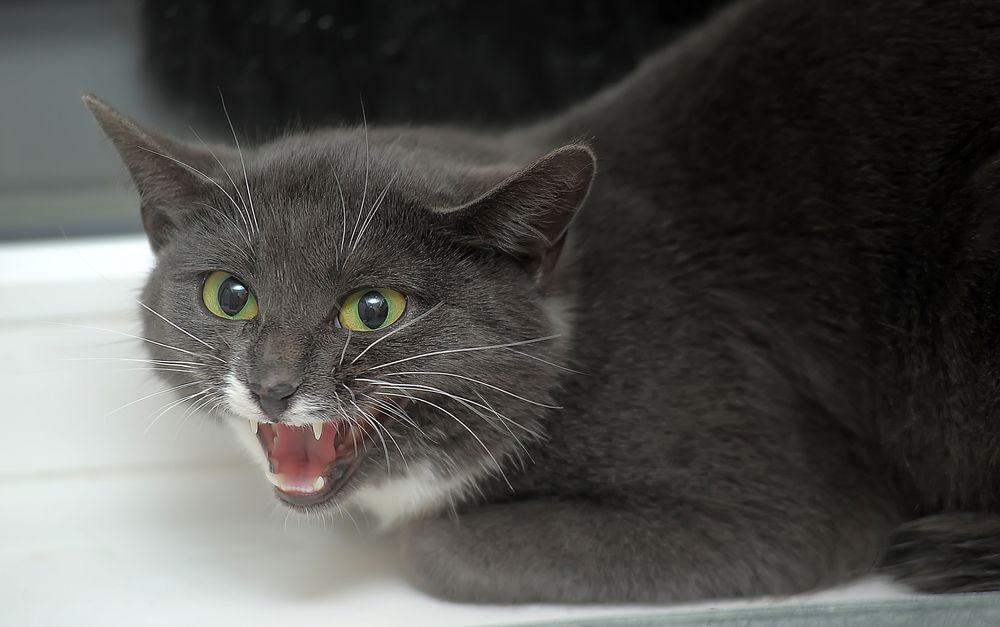
Being hissed at is terrifying, and a cat that hisses is upset or feels threatened. It's sometimes a signal that your cat may strike because they feel threatened or are generally unhappy. Cats that are in pain or ill may also hiss so be sure to monitor their behavior and speak to a vet if you’re concerned.

5. Their Tail is Horizontal
Cats use their tails as part of their body language to express emotions as well as for balance. A tail held low or stiffly horizontal, especially when combined with flattened ears, dilated pupils, or raised hackles can indicate fear, stress, or aggression. Always consider your cat’s overall body language rather than relying on tail position alone.
6. Staring at You
A stare isn't always as innocent. A prolonged, intense stare can be a sign that your cat is feeling agitated, stressed, or uncomfortable. Cats may also stare to observe or assess their environment, so context is important. Avoid punishing them, and approach with caution. Forcing interaction can increase stress rather than calm them.

7. They Don't Use the Litter Box
If your cat started having accidents outside the litter box, it’s rarely out of spite. This behavior often signals a medical issue, stress, or dissatisfaction with the litter box setup. Always check for potential health problems with a veterinarian and ensure the litter box is clean, accessible, and placed in a quiet, comfortable area.
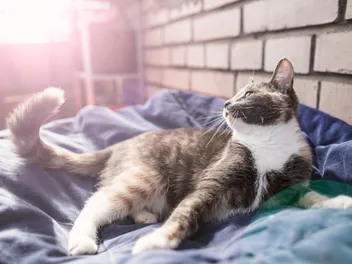
8. Rolling on Their Back
When a cat rolls onto their back, it isn’t always an invitation to pet them. In some cases, it can indicate discomfort, stress, or a defensive posture, especially if the cat’s body is tense or ears are flattened. Pay attention to their overall body language and the current situation, and give them space if they seem uneasy. Forcing interaction can lead to scratches or bites.

The 5 Things You Might Be Doing to Make Your Cat Dislike You
1. Not Giving Your Cat Space
Unfortunately, some cats don't like too much attention or enjoy cuddles, no matter how you approach them. Therefore, you can agitate the cat if you obsess over them too much.
Some kitties may also feel overwhelmed, and need a safe space, such as a closet or under the bed, to retreat.

2. Punishing the Cat for Undesirable Behavior
Cats do not respond to punishment the way dogs might, although they should never be punished either. Instead of learning from it, punishment can cause stress, fear, and defensive behaviors such as scratching or biting, however, they will not hold a grudge in the same sense a human would. Positive reinforcement and gentle redirection are far more effective ways to address unwanted behaviors.
3. Leaving Them Alone for Too Long
Though kitties have a reputation for being aloof loners, they are social creatures and crave human company. You can leave them alone for hours, but if left alone for too long, it can lead to undesirable behaviors due to lack of stimulation.
4. Treating Cats Like Small Humans
Halloween costumes can be fun, but they annoy your cat or may cause them fear and stress if you try to dress them up. Clothes can be uncomfortable for some cats and restrict movement, making them anxious and frightened.

5. Your Scent is Unpleasant
Kitties have a keen sense of smell, and strong perfumes, scented lotions, or unfamiliar animal odors can be unpleasant or stressful for them. If your scent irritates your cat, they may avoid you until they feel comfortable again. Similarly, hanging around another cat can increase stress and lead to avoidance and territorial aggression.
The 5 Effective Ways to Make Your Cat Like You
1. Proceed Slowly to Change
Cats can become stressed or anxious when sudden changes occur in their environment. Therefore, introduce your cat to strangers and other animals gradually as well as approach changes in your household with patience and reassurance over time. This also applies to dietary changes, welcoming a newborn, or moving to a new house.

2. Avoid Punishing
Kitties do not respond well to punishment and can become stressed or fearful if you yell at them or punish them for behaviors they perceive as perfectly normal. Instead of striking a cat or spraying water as punishment, build your cat's trust by redirecting them to a desirable alternative.
3. Give Them Treats
Rewards and tasty treats are a way of luring your cat from hideouts and an excellent way to repair trust as you bond with your kitty.
4. Interactive Play Time
Kitties love the chase, even when they seem to love solitude. Using various toys or lacing their favorite ones with catnip helps satisfy their hunting instincts and can strengthen your bond by creating positive experiences together..

5. Read Their Body Language
Cats communicate primarily through subtle body language and behavior. Pay attention to their posture, ears, tail, and eyes to understand their mood and avoid interactions when they are stressed or upset.
If you ever feel like you need assistance, the easiest thing you can do is to call a behaviorist or your veterinarian and ask for some advice.
Final Thoughts
Cats may sometimes seem indifferent or aloof, but this is usually a reflection of their personality, past experiences, or stress rather than intentional coldness. By learning to read your cat’s signals and adjusting your interactions, you can improve your bond over time. Some things may be unavoidable, but with patience and consistent, positive engagement, you can help your cat feel more comfortable and affectionate around you.
Featured Image Credit: Anna Krivitskaya, Shutterstock
Expert cat care, straight to your inbox
News, insights, and useful advice, delivered to you.

No spam — unsubscribe anytime.
By signing up, you agree to our Terms & Conditions and Privacy & Cookies Policy.
How useful was this post?
Click a star to rate. You can leave written feedback afterwards. (We read all feedback.)
Christian started writing for a local newspaper as a teenager, and he's been involved in the publishing industry for most of his adult life. Combining his love of writing with a passion for animals, he is currently the Director of Editorial at Pangolia and the Editor-in-Chief at Catster.
Christian lives in the Philippines with his wife, son, and four rescue cats: Trixie, Chloe, Sparky, and Chopper.