How Does a Cat Neutering Procedure Work? Vet-Reviewed Facts & Care Tips


In this article
A neuter procedure is the surgical removal of a male cat’s testicles. Reading that definition might make you cringe. You may even question if the procedure is worth it. It’s not something you or your cat enjoys, but it comes with several benefits.
The scientific term for a neuter surgery in male cats is "orchiectomy." It’s not painful to the cat as the procedure is done under anesthesia and followed up with pain-relieving medications. However, it is uncomfortable. After all, the doctor surgically removes a part of the body.
To (hopefully) ease your nerves, we’re discussing a cat neuter procedure step by step so you know what goes on behind the curtain. Let’s jump in!

The Pros and Cons of Neutering Your Cat
Neutering your kitty may sound cruel, but this procedure has many significant benefits, and the benefits typically outweigh the minimal risks.
What Happens During a Neutering Procedure: Start to Finish
The day before you bring your cat in for his neuter, you’ll have to fast him. This typically involves no food after a certain time. Water is usually ok for them to drink. Check with your veterinarian to see what they recommend, because the time you give them their last meal will depend on the time they schedule the procedure.
Fasting your cat is crucial. Sometimes the medication your cat receives during the anesthetic process can cause nausea, so it’s essential to refrain from feeding your cat. Inform the doctor if you think your cat stole a few bites from another animal’s food dish the day of his surgery.
An exception may be if your cat takes medication and needs a little snack to go with it. Veterinarians may approve of this, but you should always check first.
The 8 Steps in a Male Cat Neutering Procedure
1. Examination
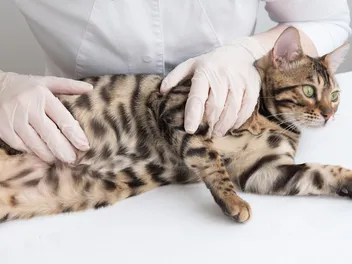
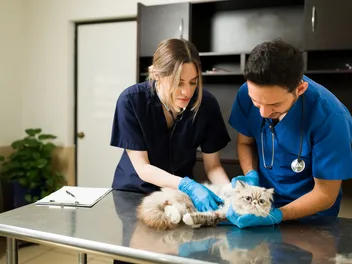
Your veterinarian performs a nose-to-tail examination and runs blood work before or the same day of the procedure. If the results show your cat is healthy enough for anesthesia, the doctor gives the green light.

2. IV Insertion
After shaving the area, the nurse places an IV catheter (IVC) in either front leg. Shaving helps avoid contamination and prevents the IVC from slipping out of the vein. This step is not performed every time, so check with your veterinarian to see what their process consists of.
3. Sedation
Your cat will receive a pre-anesthetic, anesthetics, antibiotics, anti-inflammatories, and pain medication. Sometimes, they may also be given anti-nausea medication and fluids. The medicines may vary by hospital and depend on the pet's medical needs. Once fully sedated, your cat is intubated and given oxygen.
4. Shaving
After being placed under anesthesia, the hair on your cat’s scrotum is shaved and sterilized. The nurse continues to monitor your cat’s vitals.
5. Incision
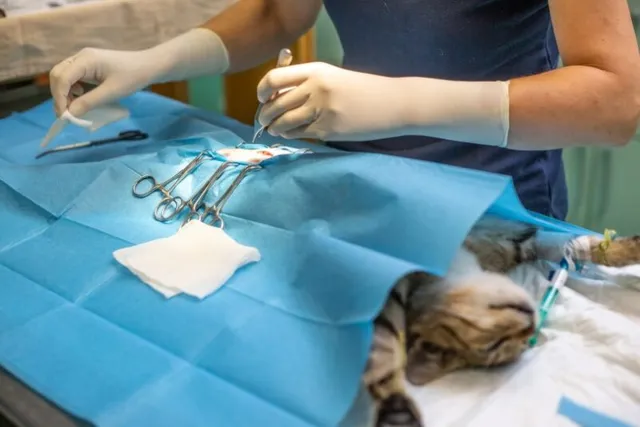
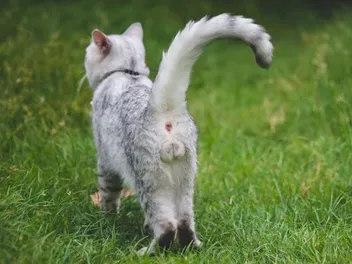
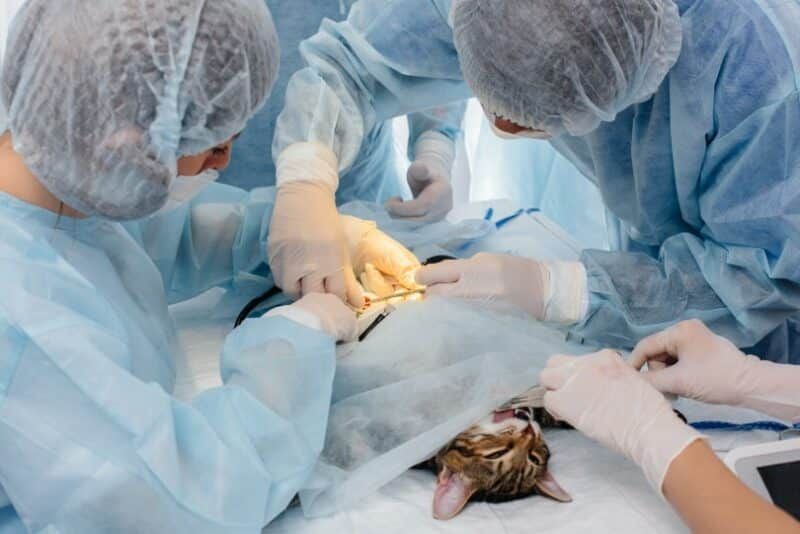
The surgeon makes a small incision into your cat’s scrotum, revealing the testicles.
6. Removal of Testicles
The surgeon clamps the testicular attachments in the surrounding area to prevent bleeding. Then, each testicle is removed with a scalpel blade or laser. After ensuring there is no bleeding, the surgeon replaces the attachments with absorbable sutures or uses a knotting technique.

7. Stitches
The surgeon may close the incision with a suture or glue, but many times, this is not necessary. The skin will close fairly quickly without it. Once the procedure is finished, your cat will be moved into recovery, where they continue to be monitored until they go home.
8. Recovery
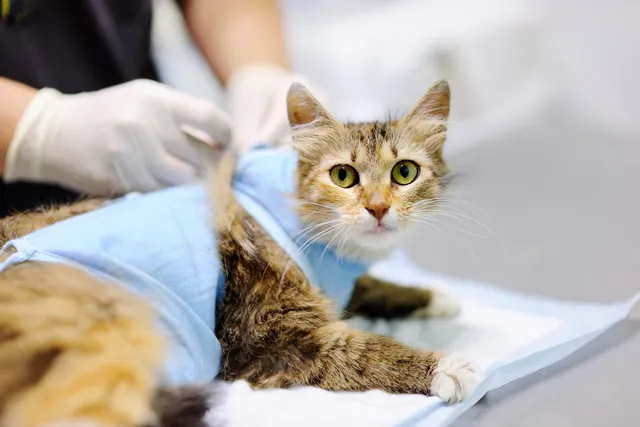
Your cat is discharged the same day after the veterinarian confirms a healthy recovery from anesthesia. Pets usually don’t stay overnight after a neuter unless complications arise during the procedure.
How to Care for Your Cat After a Neuter Surgery
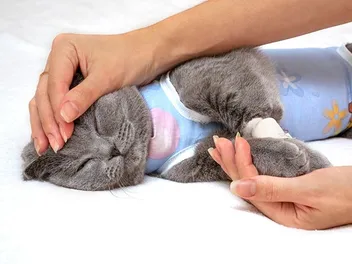
At this point, you’ll have a few responsibilities as the owner to ensure your cat has a complete recovery.
The first one is giving your cat his pain medication. It’s essential to give this at the correct time, so they don’t experience pain from time overlap.
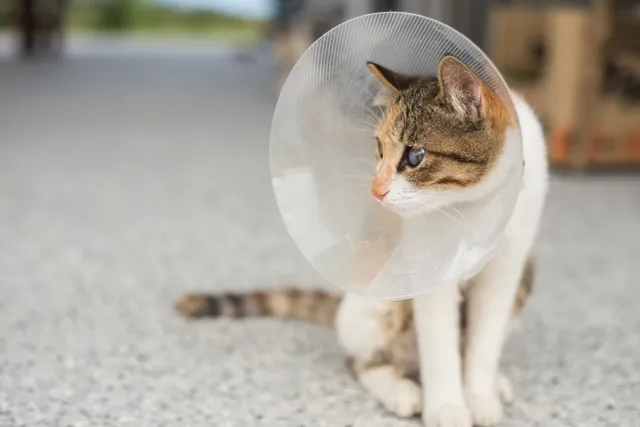
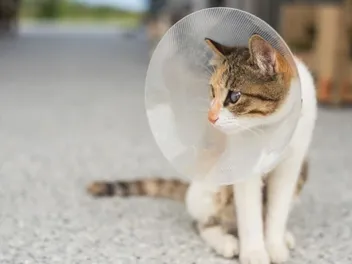
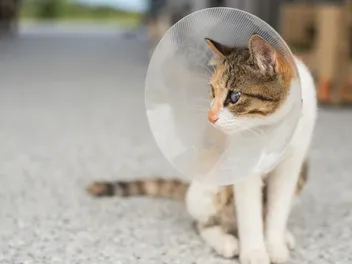
Your cat may need to wear an Elizabethan collar, also known as the “cone of shame.” Your vet will let you know how long it needs to stay on. This is something that many pet owners slack on, but it’s crucial. Your cat will want to lick his suture spot, but this will only irritate the suture and prevent it from healing properly. So, please keep the cone on your kitty!
In addition, you want to make sure your cat is eating and drinking normally. They may not want to eat right after the surgery or even the morning after, but if your cat consistently refuses food and water, call the veterinarian for directions.
Keep an eye on litter box habits as well. Your cat may have difficulty accessing the cat box if it’s in an area where his cone won’t fit. You might have to remove the cone at times for your cat to use the bathroom. Some minor traces of blood could be in your cat’s urine after the first 24 hours of the procedure. If this lingers, call your vet.
Suture removal isn’t usually necessary after neutering. Your vet will let you know if they need to come in for this. Sometimes, a follow-up may be requested, to see how your cat is doing.

Do Male Cats Change After a Neuter Surgery?
A common concern of many male cat owners is that their cat’s behavior will change after a neuter surgery. Neutering mildly affects your cat’s behavior, but not personality or temperament.
Male cats like to roam to find a mate, but this need diminishes when a male cat is neutered. Neutered male cats are 90% less likely to roam than intact males. Aggression toward other male cats also decreases. However, this doesn’t mean your male cat won’t wander or fight with other male cats. It simply means that he is less likely to do so.
Spraying is another behavior that stops for about 85% of male cats after neutering. Your cat’s urine won’t be so pungent either. Some owners even report that their male cats have better grooming habits after their procedure.
You don’t have to worry about your cat’s temperament changing after being neutered. Ultimately, your kitty's experiences and environment affect his personality and behavior.
Final Thoughts
Neutering your male cat is a responsible move for a cat owner. It’s okay to be worried about putting your cat through surgery. Rest assured, neutering has great benefits, like reducing overpopulation. By choosing to neuter your cat, you're reducing the number of homeless cats on the street.
Remember to do your research and address any concerns with your veterinarian. They will help you make the best choice for you and your cat.
Sources
Featured Image Credit: Andrii Medvednikov, Shutterstock
Expert cat care, straight to your inbox
News, insights, and useful advice, delivered to you.

No spam — unsubscribe anytime.
By signing up, you agree to our Terms & Conditions and Privacy & Cookies Policy.
How useful was this post?
Click a star to rate. You can leave written feedback afterwards. (We read all feedback.)
Cassidy's journey from vet tech and professional pet sitter to pet writer showcases her lifelong passion for animals, both domestic and wild. Throughout the years, she has cared for many pets and enjoys writing about the animal-human bond. She and her husband have settled in Wichita, where they live with their German Shepherd, Raven, two cats, Lucy and Strudel, and a small flock of backyard chickens.