Will My Male Cat Be More Affectionate After Neutering? Vet-Reviewed Facts & FAQ


An unneutered male cat can be… a handful, to say the least. Otherwise known as tomcats, there are a multitude of reasons to have them neutered. To answer the question, yes—a male cat will most likely be more affectionate and less aggressive after they have recovered from the operation.
The procedure involves removing specific organs, which are the primary producers of a powerful hormone that drives many undesirable behaviors, including spraying. While neutering removes the hormones and their related behaviors, some behavioral issues require additional attention. We'll discuss hormone-driven behaviors below.

Hormone Driven Behaviors of Male Cats
Until a male cat has the procedure, he'll have high testosterone levels, which can make him exhibit all kinds of aggressive and unwanted behaviors.
Aggression
Testosterone is the primary male hormone that is associated with traits of male feline behavior: increased size, territorial drive, the desire to mate, and the impulse to fight other males for the right to mate. In nature, this involves expressing the strongest features of your species. Wild cats have huge territories and defend them or take them from other cats.
When the cat’s testicles are removed, and the hormone is no longer produced in substantial amounts, you should see a huge reduction in aggression, fighting, and other behaviors, as mentioned above. Their age makes a difference since older cats can continue to exhibit the behaviors out of habit to an extent.

Spraying
It’s relatively safe to say that it is common knowledge that cats mark their territory by peeing or spraying. What is a little more significant in regards to our somewhat 1-sided conversation about tomcats, is the smell.
The hormones produced by unneutered cats are far more pungent than in cats who have undergone the procedure. So, if you have a tomcat who’s been spraying, you’re looking forward to not only a more agreeable cat but a more normal-smelling litter box.
Reproduction
This is probably an obvious one, but if you neuter your cat, you don’t have to worry about coming home and finding a litter of kittens in your neighbor's yard. There are better ways to meet your neighbors than collaborating on how to deal with a litter of kittens!

Are Cats More Playful After Neutering?
Most cats become less aggressive due to the reduction in hormones, which usually results in a more affectionate demeanor. There are no guarantees, however.
Cats are known for having unusual personalities, and especially in older cats or males who have spent a long time outdoors and unneutered, it’s still possible that they can be stand-offish.
The 3 Myths About Neutering Your Cat
1. Your Cat Will Become Overweight
This isn’t necessarily true, but to be fair, the dietary requirements of a neutered cat are different from those of an intact cat. Failure to adjust their diet and food intake will likely result in an overweight cat over time.
As the pet parent, part of your responsibilities include playing with them to promote exercise or providing toys. A healthy diet is also important, so reach out to a veterinarian for guidance on how to feed your cat so they can stay healthy and happy.
2. The Procedure Will Traumatize Your Cat
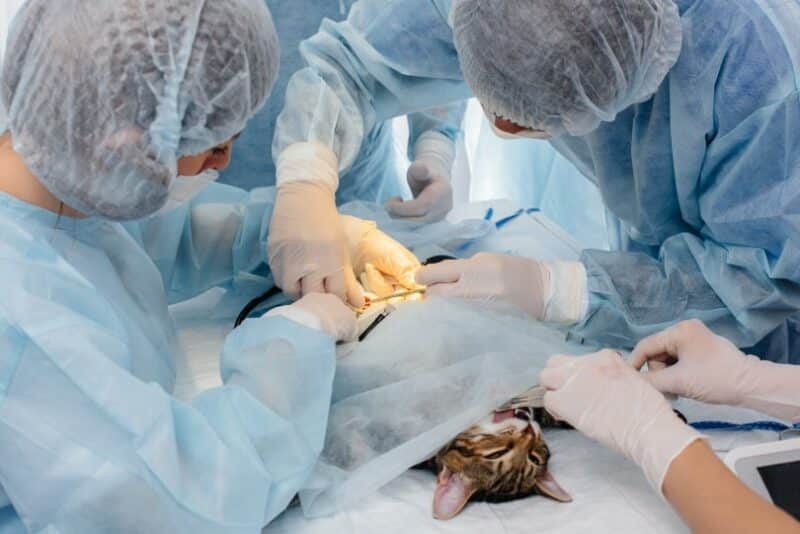
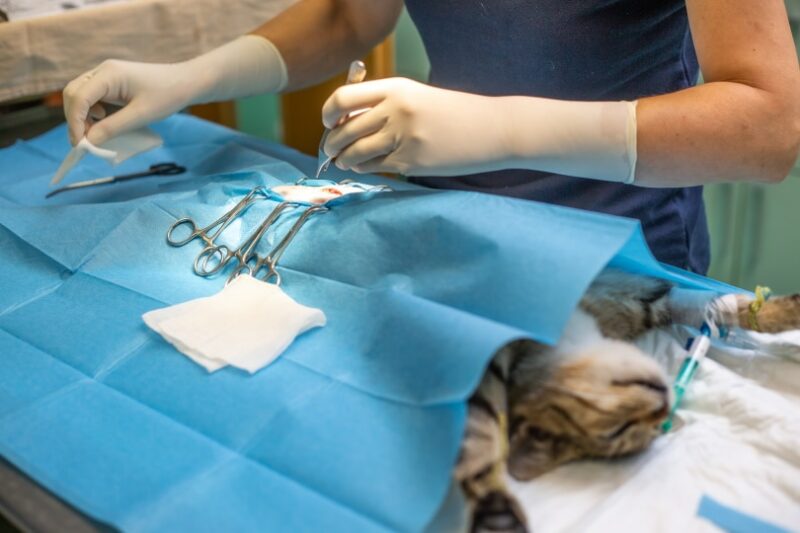
The cat is put under anesthesia, feels nothing, and has no recollection of the event. The operation, while it involves making small incisions, isn’t very invasive at all, as far as surgical procedures go.
Your cat will undoubtedly need time to heal and probably have some discomfort for a couple of days, but it will pass. Cats are not attached to their appendages in the same way that people are, and this myth is just silly!
3. Neutering Your Cat Will Fix Bad Behavior
While neutering your cat will tone down the aggression, spraying, and other hormonally driven behaviors, it doesn’t change who they are. If you have a cat who is highly aggressive or dominant, he may still be that way to some extent. If your cat is still exhibiting bad behavior, it’s important to investigate.
A common cause of aggression in cats who otherwise wouldn’t be is that they are in pain. Cats are predators and are very stoic—they don’t show pain, but they get aggressive. Be sure to follow up if problems don’t change, though your cat’s behavior won’t change overnight, even if it’s only hormone-related.

How Long Does It Take For Cats to Calm After Being Neutered?
With the last section in mind, you can’t expect to take your cat home from the vet and have his hormone levels 100% fixed. It takes time for them to work their way out of your little guy’s system, so make sure you give him a chance to correct. It takes approximately 4–6 weeks before you should really be seeing the behavioral changes you are looking for.
How to Care for Your Recently Neutered Cat
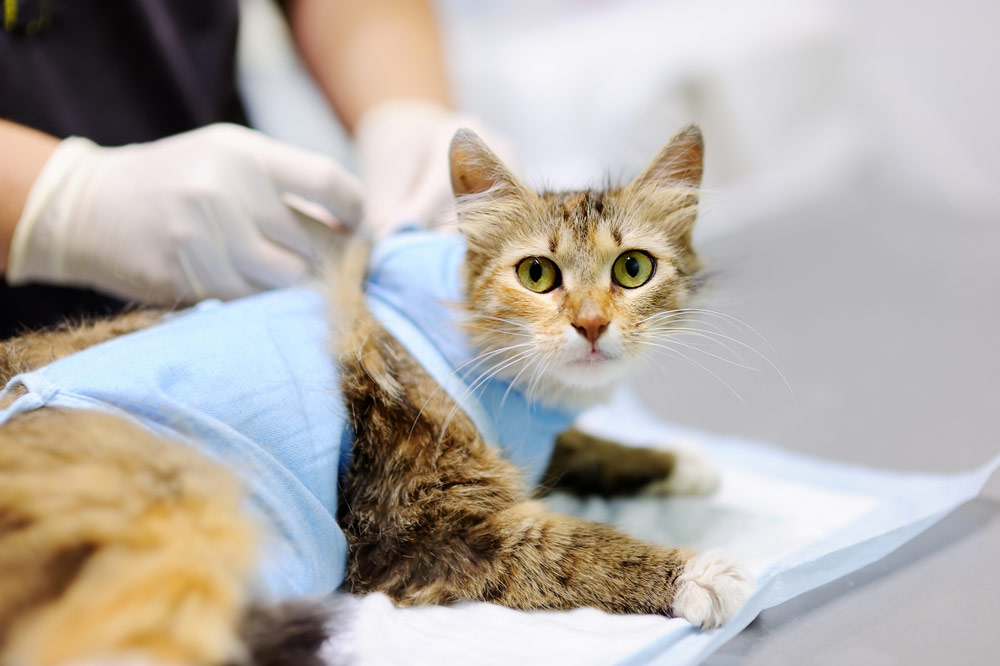
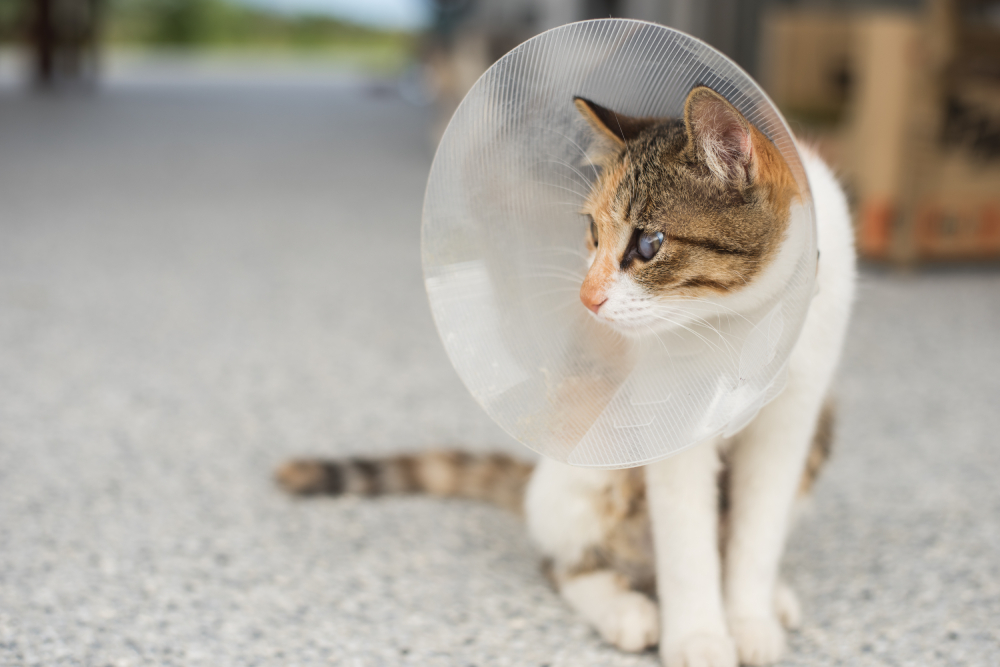
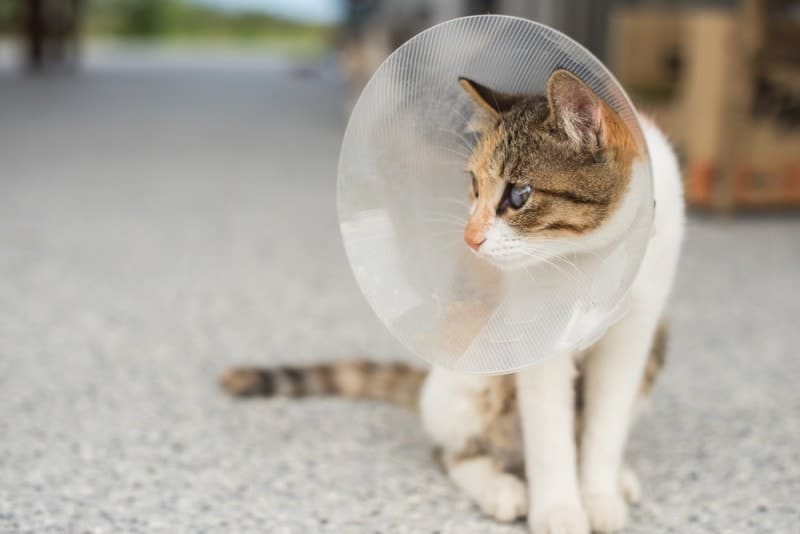
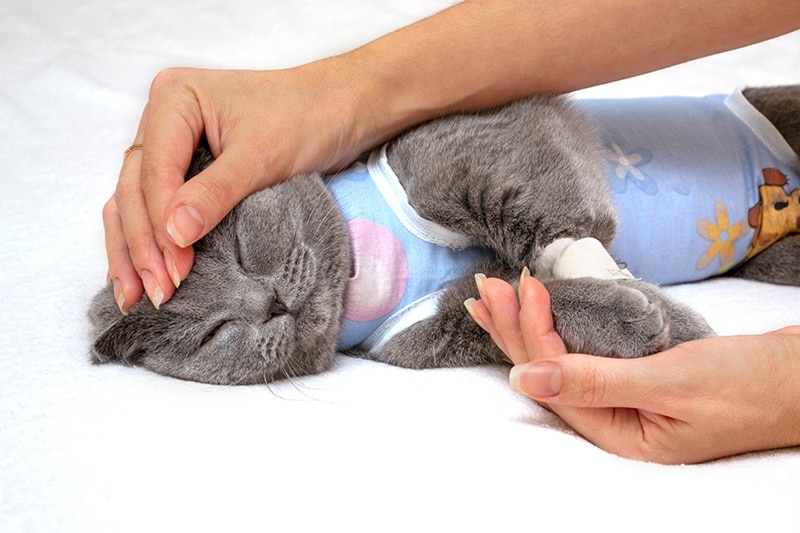
When you get your cat home from the vet, he will undoubtedly be given a cone. The best thing to do is to put him in a reasonably small kennel and let him rest. He will be in some discomfort for about 24–36 hours, which is normal.
The vet may or may not decide to give you medication and instructions on how to administer it, but most of the time, that’s not necessary. Most operations take anywhere between 7 and 14 days to heal. The best way to minimize this is to limit your cat’s movements, leave the cone on, and ensure that they don’t do anything to disturb the sutures while they heal.
Conclusion
While every cat is undoubtedly different, as a generalization, you should see a significant improvement in your male cat’s demeanor a few weeks after neutering. A tomcat can be a handful, but when you consider aggression, population control, and many factors contributing to your cat’s well-being, it makes sense to have the procedure done. Often, you are rewarded with a gentler, more affectionate version of your cat.
Featured Image Credit: Free Photos, Unsplash

Expert cat care, straight to your inbox
Vet-reviewed advice, behavior tips, and the best of Catster. Free, and you can unsubscribe anytime.
By signing up, you agree to our Terms & Conditions and Privacy & Cookies Policy.
Christian started writing for a local newspaper as a teenager, and he's been involved in the publishing industry for most of his adult life. Combining his love of writing with a passion for animals, he is currently the Director of Editorial at Pangolia and the Editor-in-Chief at Catster.
Christian lives in the Philippines with his wife, son, and four rescue cats: Trixie, Chloe, Sparky, and Chopper.
Join the conversation
Ask a question, share your story, or send private feedback.