How Long Does It Take to Neuter a Cat? All You Need to Know (With Vet-Approved Information)


Any surgical procedure done to your pet can seem like it lasts forever. After all, most people hate being away from their pets, even for a day!
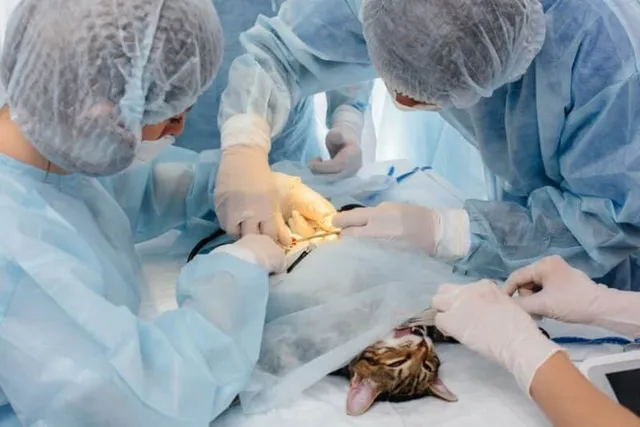
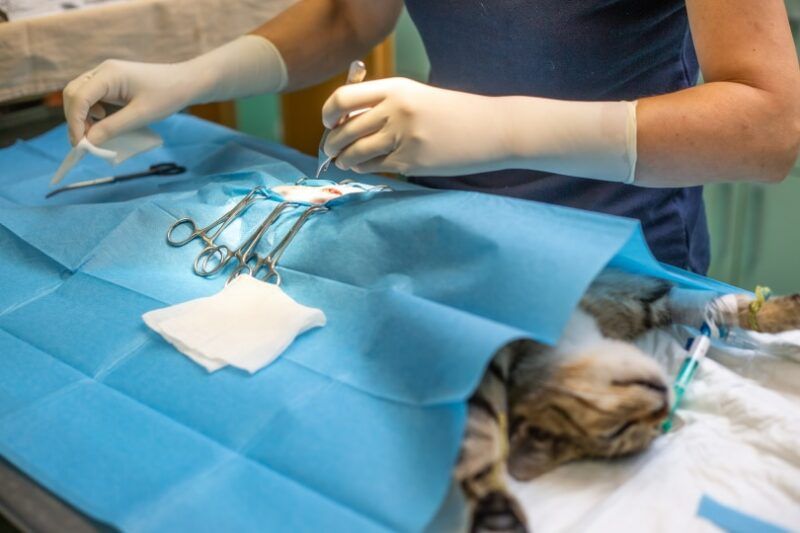
If you are planning on getting your male cat neutered, you might be wondering how long the procedure takes from start to finish. The short answer is that it takes under 2 minutes to perform the average neutering procedure for a male cat if both testicles have descended in the scrotum, not counting the time it takes to anesthetize the cat. This process is routine for veterinarians, and many of them could probably do it with their eyes closed—don't worry, though, they won't!
Sometimes, neutering may be also used to describe a desexing procedure or a spaying of a female cat, but in general and in the terms of this article, we are referring to the castration of a male cat.

What Is a Neutering Procedure?
A neutering procedure or a castration of a male cat is the complete removal of both testes from an animal. This removes both your cat's ability to impregnate another cat and the source of the hormones that encourage them to look for a mate or spray urine.
There are two kinds of neutering procedures: a simple scrotal procedure and an abdominal procedure. The only time your cat should need an abdominal neuter is if he suffers from cryptorchidism, meaning one of his testicles did not descend into the scrotum and is still housed inside his abdomen.1

Why Should I Neuter My Cat?
The most apparent benefit of neutering your cat is nullifying the chance of any unplanned pregnancies. This can be especially important if you have a multi-cat household or if your neighborhood has a lot of stray cats.
Additionally, neutering your cat will reduce a lot of unwanted and undesirable behaviors associated with being intact. For example, neutering is known to reduce spraying, caterwauling, and destructive behaviors related to mating, like trying to escape to get to a fertile female cat.
Neutering your cat also helps the environment! Cats are considered among the most influential predators of modern time and often hunt for sport rather than survival. It is believed that there are more than 100 million feral and outdoor cats in the U.S. alone that kill more than 2 billion birds every year. Introducing them to a certain environment can devastate populations of wild birds and rodents.
Animal welfare authorities recommend sterilization for all cats, even feral ones that will be released back into the wild, to prevent overpopulation. One of the leading causes of overpopulation is accidental litters of companion cats that get dumped outside. Neutering your cat prevents you from getting tangled up in any unplanned cat pregnancies.

Neutering your cat also prevents them from getting into as many fights with other cats, particularly over a mate or territory, which can often lead to transmission of various feline viruses that cause chronic and often fatal illness. Disease transmission may also occur during mating when male cats often bite the females.
Cats that are not neutered will roam looking for mates and often get into road traffic accidents that may cause death or serious injury. They could get lost as well, or over time develop diseases affecting the reproductive organs. Neutering reduces overall healthcare costs over time and improves the health and welfare of your cat, while not contributing to the growing stray and feral cat population.
Finally, neutering your cat may help reduce inter-cat aggression if you have a multi-cat household. Other male cats won't view your neutered kitten as a rival. If all your cats are fixed, they won't view each other as rivals at all because none of them will have the drive to mate.
How Should I Care for My Cat After He's Been Neutered?
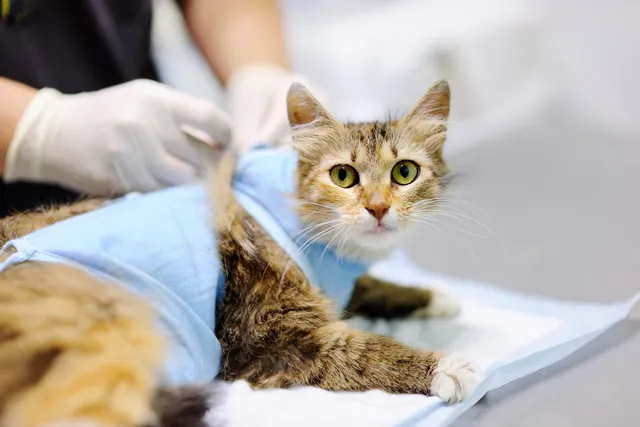
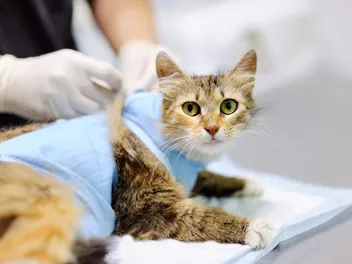
Neutering care is generally simple, since the procedure is minimally invasive. In addition, it's considered a routine outpatient procedure, meaning your cat will go home the same day the procedure is done.
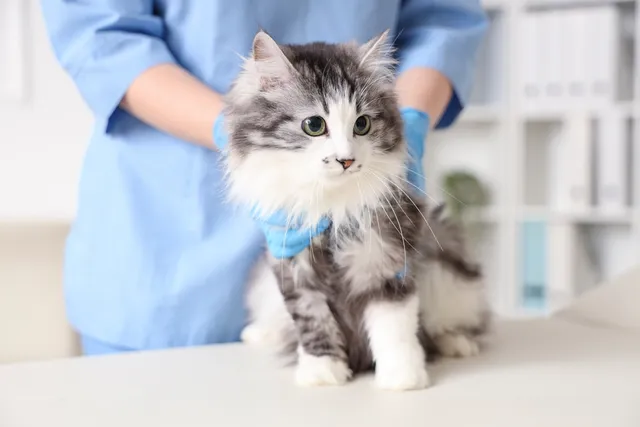
Your vet will keep your cat for a few hours after the procedure to ensure that he isn't having an adverse reaction to anything given to him during the procedure. Then, he'll be free to go home and relax in your arms.
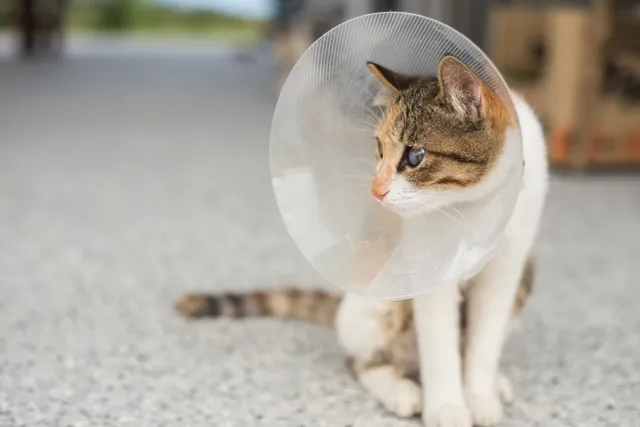
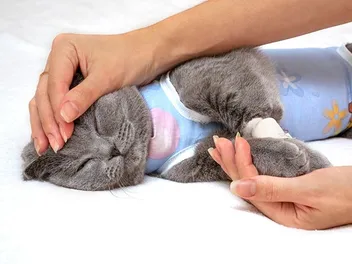
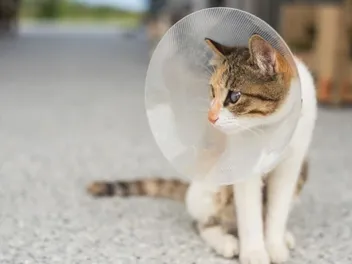
Your cat may need a "cone of shame" (e-collar) following his procedure, but this isn’t commonly required. It will depend on whether the cat had a scrotal or abdominal castration. If your cat had an abdominal castration due to a retained testicle, they may have intradermal sutures that are hidden in the skin. In that case, if your cat is not disturbing the wound through licking or attempting to chew at it, they are unlikely to need a cone. If, however, they have skin sutures and they are showing too much interest in their wound, they will need a collar for several days. This will prevent him from licking at the sutures and disturbing the healing process with his grooming habits. So, even if it's a little uncomfortable for him, it's for his own good.
When it comes to the routine castration with both testicles present in the scrotum, the scrotal wound is not sutured, as it generally heals very quickly. Cats are rarely bothered by it, and cones are not required in the majority of cases.
The procedure should take 3-5 days to heal properly if done as a simple neuter. However, if your cat had to be neutered with a full abdominal procedure, it would take around 7-10 days to heal properly.

Can I Leave My Cat Alone After His Neutering Procedure?
You can leave your cat alone after his procedure, but you shouldn't leave him alone for too long. You shouldn't have problems going to work or whatnot, but don't disappear and go on vacation or anything. Your cat will feel very vulnerable after his surgery and will want you around for comfort.
Especially if your cat needed a full abdominal neutering procedure, you'd want to supervise him more than if a simple procedure was done. Full abdominal surgery is more invasive and will require more care. Your vet will guide you and give you aftercare instructions that suit the procedure done for your cat.
No matter the procedure, you should ensure your cat is eating well, toileting normally, and behaving as they did before their procedure, and you should examine their wound twice daily to make sure there is no discharge, swelling, malodor, or signs of the wound opening up.
Final Thoughts
Neutering is serious business for your cat, and there's a reason that veterinarians everywhere recommend that felines be neutered. It provides both health and behavioral benefits that enable your cat to settle into a more comfortable life as a companion animal.
Featured Image Credit: Simon Kadula, Shutterstock
Expert cat care, straight to your inbox
News, insights, and useful advice, delivered to you.

No spam — unsubscribe anytime.
By signing up, you agree to our Terms & Conditions and Privacy & Cookies Policy.
How useful was this post?
Click a star to rate. You can leave written feedback afterwards. (We read all feedback.)
Luxifa is a freelance writer with a passion for animal science and technology. She loves to share the world of animal science with people to help them make informed decisions for themselves and their pets. Luxifa has worked in professional pet care for over six years and strives to help change the world of pet care by bringing the information people need to them in terms they can understand. Knowledge is power, and Luxifa loves to help everyone become the most informed they can be.