Surgical Admit Appointments & Day-Of Electives: A Cat Owner's Manual

Hi, I’m Dr. Lauren! Read my introduction to learn more about me and my two adventurous cats, Pancake and Tiller.
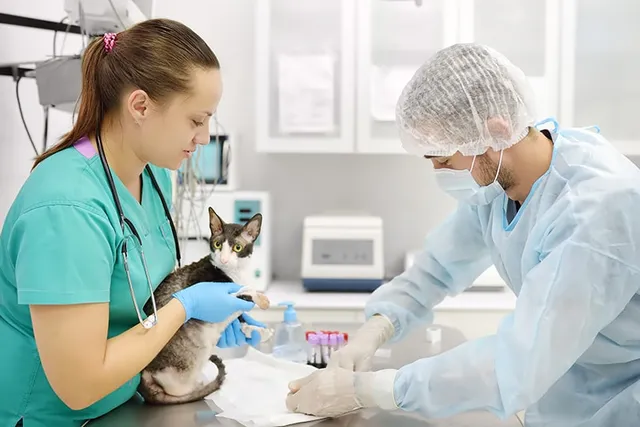
Surgery of one’s own cat is one of the most difficult prospects cat owners experience. Surgery can either be something routine, like a spay, or non-routine, like a foreign body removal. Either way, the day of surgery is often full of emotions, worry, and stress. In instances like this, as a vet, I generally find that people tend to handle the events better, and feel more comfortable, if they have a thorough understanding of what will happen prior to the day. This includes being aware of any additional procedures or decisions that may need to be made, during your cat’s surgical admit appointment. And why I’ve written today’s article.
As veterinary professionals, we are often so used to the process of admitting a patient for surgery, that we can forget just how foreign it can seem to someone who is already worried about the anesthetic, and their cat, and the procedure itself. Additionally, we are often overstretched ourselves, with other patients that might be waiting as urgent work ins, with hospitalized patient’s treatments, and other surgical admits, that the amount of time we are allocated to each patient is often very limited, and far less than would be ideal. Therefore, we often don’t have the time to fully discuss why or why not you might elect for or against these additional procedures. Therefore, the following provides an easy checklist of some items to consider prior to the appointment.


Additional Procedures to Consider at the Time of Your Cat’s Surgery
Microchip
Preoperative bloodwork/labs
IV Catheter and/or IV Fluids
Pain Medication to go home
Nail trim
E-collar or body suit
Histopathology or cytology
Other individual procedures: check teeth, matt comb, check anal glands, etc.
Let’s look at each of these in greater depth.
1. Microchip
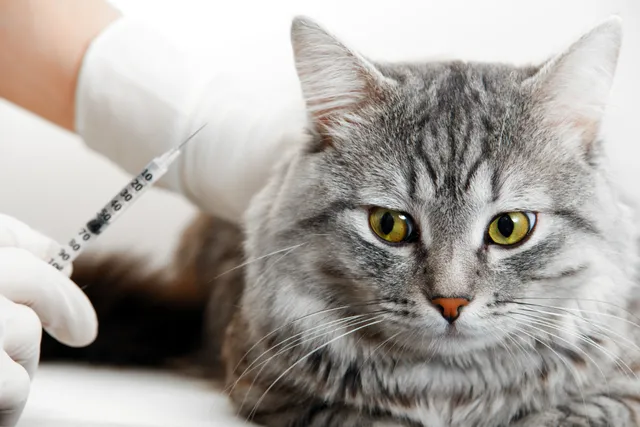
Your cat may already be microchipped if the surgery is non-routine, but for cats undergoing a spay or neuter (castration), then this is an ideal opportunity for microchipping to occur. Because the gauge of the needle is so large, I personally recommend that clients do their cat a favor, and have the chip placed while they are anesthetized. Ask your vet if there are different microchip options available: for instance, some chips can now register and report body temperature, which is helpful if your cat gets ill. Also, don’t forget to register the chip to your contact information once it is placed!
2. Pre-operative Blood Work (Labs)
This may be less important for healthy surgical patients, though it can be a good opportunity to check your kitten’s retroviral status, if that is not yet known. Some people also like the peace of mind in having pre-op lab values, which typically include red and white cell counts, along with checking kidney and liver function, and various protein and electrolyte values. For sick cats undergoing surgery, such as an exploratory laparotomy, I highly recommend having blood work obtained on the day of, and prior to starting, surgery so that any abnormalities are identified as soon as possible.

3. IV Catheter and/or IV Fluids
For some surgeries, this may not be optional (e.g. for older cats, undergoing a prolonged procedure, that have pre-existing kidney disease). However, for routine procedures such as spays or castrates, some clinics may make these optional. Many clinics may not offer IV catheters or fluids for feline castrations, as the procedure is often shorter than the amount of time it takes to place an IV catheter! For spays, the jury is out: the typical surgery lasts anywhere from around 10 to 30 minutes, so having IV access can be useful. This is a good conversation to have at your admit appointment to get your vet’s thoughts on what they would recommend, and why.
4. Pain Medication to Go Home
This is sometimes offered as an elective surgical add-on, often in an attempt to keep costs minimal. All else being equal, pain meds are almost always a good idea, so say yes, and your cat will thank you! In the case of castrations, they may be the exception to the rule- especially if good perioperative analgesia will be provided, and the cats are young. This is another good point to discuss in more depth, at the admit appointment.
5. Nail Trim
During a general anesthetic is a great time to have your cat’s claws trimmed very effectively, and with no stress to your cat during the process. Many times, this is not routinely discussed as part of the admit process, so do ask if you would like your cat’s nails trimmed.
6. E-collar or Bodysuit
Discussing whether your cat might benefit from an e-collar or bodysuit after their procedure is better done in the morning, at the time of admission. This allows you time to source the required item, if needed, or gives your veterinary team time to fit one, if necessary.

7. Histopathology
This category is predominantly applicable to non-routine surgeries, however for a castration where a teste is retained (e.g. an abdominal cryptorchid surgery), it may also apply. Histopathology generally involves sending tissue to a veterinary pathologist, to be examined at a cellular level. In my book, if we are going to the effort of removing something, it is always best to have histopathology performed, which may aid in diagnosing or treating the underlying condition of your cat. That said, it can be cost-prohibitive, ranging from $100-300 or more, depending on the tissue(s) being sampled, and the extent of testing required.
8. Individual Cat Electives
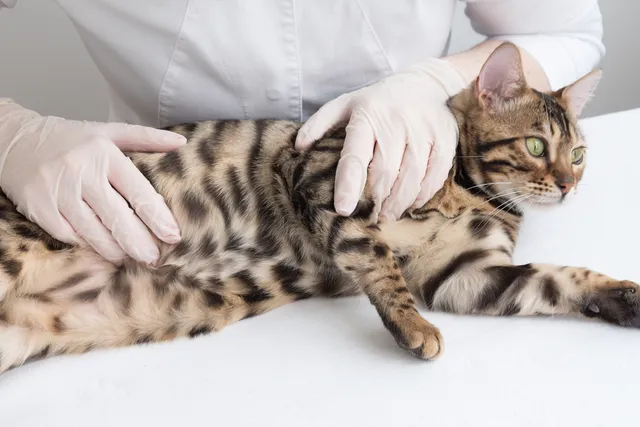
If your cat has consistent deep ear issues (e.g. infections), dental problems (e.g. cavities), or anal gland disease, a general anesthetic can be an excellent time to follow up on these problems. Because a cat is asleep, the process is not stressful for them, and often a better exam can be done when the cat is anesthetized, and not wriggling around! Because these are generally fairly quick, it is fairly safe and straightforward to add them to other procedures your cat is undergoing on the day.
Surgery can certainly be a stressful time, but that doesn’t also mean it can potentially be hugely beneficial for your cat. Maximizing this opportunity can be done by being prepared for any elective procedures that might also occur on the day, including labwork, nail trims, and microchipping.
Knowing in advance what these elective options might entail, and how you feel about them, can streamline the admission process and also decrease your stress at needing to make decisions on an already stressful day. Using a list such as this can be helpful in keeping things running smoothly, and decreasing the stress, around your cat’s surgical visit.
This article is a part of Dr. Lauren, Pancake, and Tiller's series.
Expert cat care, straight to your inbox
News, insights, and useful advice, delivered to you.

No spam — unsubscribe anytime.
By signing up, you agree to our Terms & Conditions and Privacy & Cookies Policy.
How useful was this post?
Click a star to rate. You can leave written feedback afterwards. (We read all feedback.)
Dr. Lauren Demos DVM (Veterinarian)
As a veterinarian, Lauren is eager to share her experience in emergency medicine and cats, with our readers. She loves sharing helpful, real life tips for having cats as part of your life, and what to do in critical situations with your pets.
Lauren is a vet with over a ten years of experience in cats and dogs, along with infectious diseases. She enjoys teaching, and lectures for students, pet owners, and clinicians, on various topics.
Lauren received her degrees from Murdoch University, in Perth.