How to Prevent Dental Disease in Cats: 6 Vet-Approved Care Tips


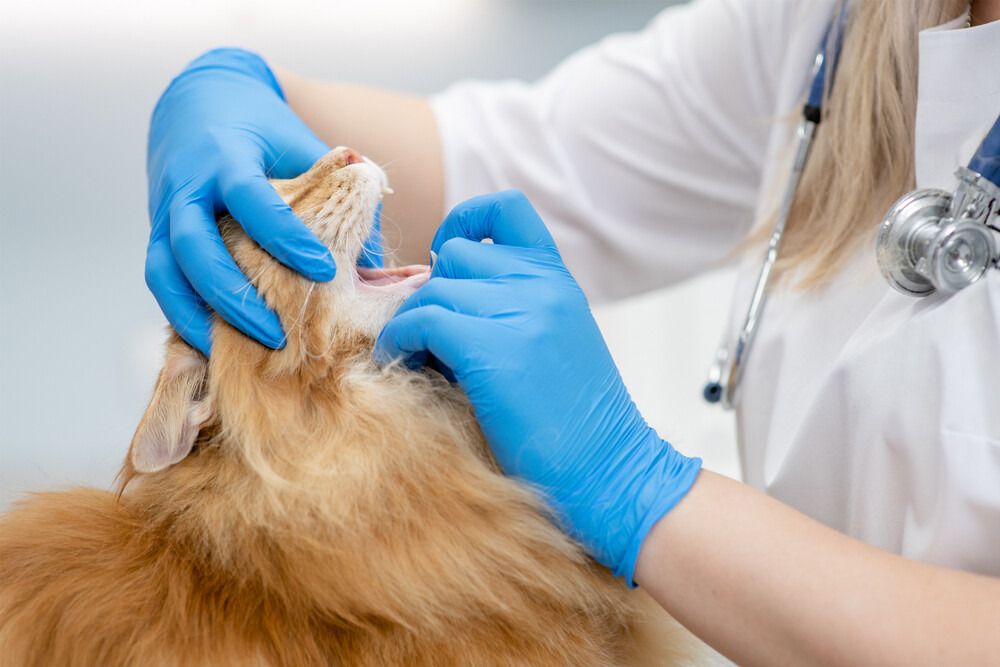
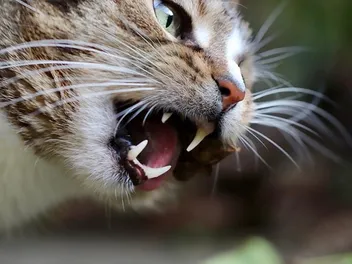
Dogs may have a reputation for bad breath, but our feline friends are not strangers to poor oral health either. Dental issues are a common health concern for cats and their owners. In this article, you’ll find tips to help prevent dental disease in cats. Plus, we’ll list some common signs of dental disease that you should be aware of.

The 6 Tips for Preventing Dental Disease in Cats
1. Brush Their Teeth
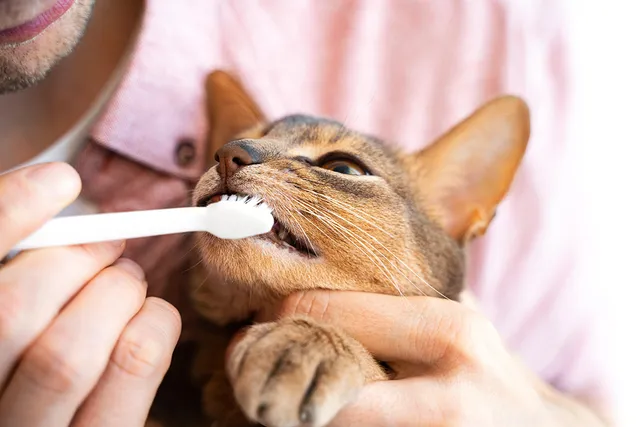
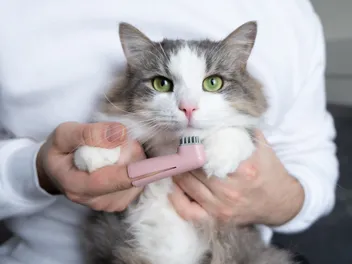
Typically, the most effective way to prevent dental disease in cats is to brush their teeth regularly. Daily brushing reduces the plaque and tartar that builds up on your cat’s teeth and is responsible for most dental problems.
To brush your cat’s teeth, use a toothbrush or finger brush designed for felines, and never use human toothpaste. Toothpaste for cats doesn’t contain harmful ingredients and is flavored to make it more appealing. Alternatively, you can just brush without using any toothpaste. If you get your kitten used to brushing early, it can make it easier to continue the routine with your adult cat.

2. Dental Treats or Diet
Another option to prevent dental disease is to feed your cat special treats or a diet designed to keep their teeth clean. Dental dry food is more effective than regular dry food at removing plaque.
Some cats swallow their food whole with minimal chewing. Because of that, even dental diets and treats aren’t as effective for preventing dental disease as brushing. When choosing dental products for your cat, look for a seal from the Veterinary Oral Health Council (VOHC) on the label.
This seal indicates that the product is effective at reducing plaque and tartar. Prescription dental diets are also available. They typically contain oversized kibble formulated to scrub your cat’s teeth as they chew. A veterinarian can give you a great advice on which product to choose for your cat.
3. Oral Rinse
If your cat cannot tolerate brushing, you can use an oral rinse as a preventative dental care strategy. Ask your veterinarian if they sell or recommend an effective oral rinse. If you shop on your own, remember to look for the VOHC seal before purchasing an oral rinse. Oral rinses can typically be applied with gauze or a soft cloth. Again, they are designed to reduce plaque and tartar before they build up and cause dental problems.

4. Water Additives
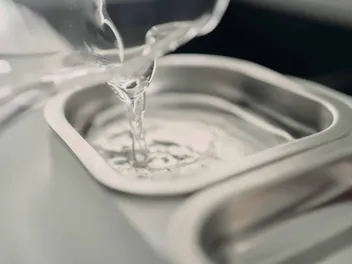
One of the simplest ways to help prevent dental disease is using a water additive to reduce plaque and tartar. Your vet may sell them, or you can look for a VOHC-approved water additive at your local pet store or online.
Water additives have limited effectiveness simply because many cats don’t drink enough water. You’ll also need to ensure that adding the product doesn’t change the smell or taste of the water. If it does, your cat may avoid the bowl entirely.
5. Plaque Prevention Gel
You can ask your vet if a plaque-prevention is suitable for your cat. Frequently, they are applied following dental procedures or cleanings. They are intended to protect the newly cleaned teeth and extend the time between dental cleanings.
To ensure maximum protection, follow your vet’s directions regarding when to offer your cat food and water after applying the gel.
6. Preventative Cleaning
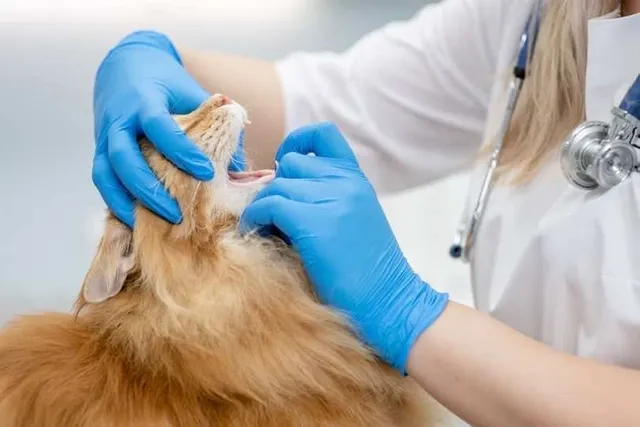
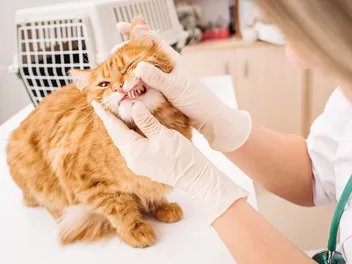
Despite your best efforts, chances are your cat’s teeth will eventually develop tartar or plaque. When that happens, it’s vital to have your kitty’s teeth cleaned professionally. Dental cleanings require your kitty to go under anesthesia.
While your pet is asleep, their teeth will be thoroughly cleaned and inspected by your vet. If signs of periodontal disease are present, your vet may suggest taking X-rays or even removing teeth.

Signs of Dental Disease in Cats
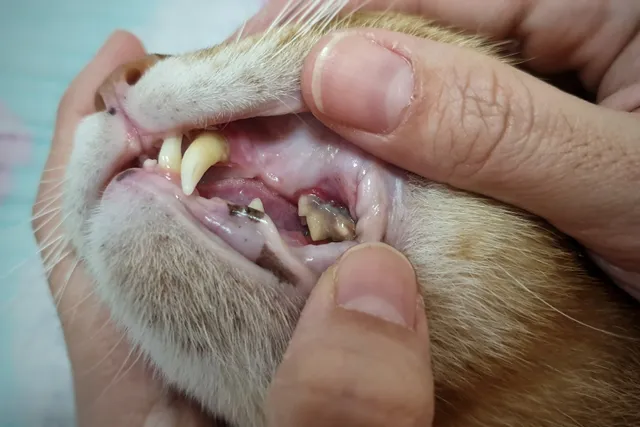
According to research, 50-90% of cats over 4 years old experience some type of dental disease. The most common dental problems in cats are:
- Gingivitis: Gum inflammation
- Periodontitis: Infection around the tooth root
- Tooth resorption: Breakdown of the tooth
Common signs of dental disease in cats include the following:
- Bad breath
- Bloody saliva
- Dropping food
- Poor appetite
- Teeth chattering
- Pawing at the mouth
- Excessive drooling
- Trouble swallowing
If you notice any of these signs, make an appointment to have your cat’s teeth checked. Some of these signs can also indicate your cat is suffering from infections or even tumors. The only way to know for sure what’s going on is to see your veterinarian.
Conclusion
Dental disease impacts most adult cats at some point in their lives and can be painful and significantly impact their quality of life. These preventative tips can help you keep your cat’s teeth clean, healthy, and pain-free for as long as possible. Include dental care in your cat’s regular grooming routine, and ensure your vet checks their teeth during their annual exam. See also:
Featured Image Credit: Ermolaev Alexander, Shutterstock
Expert cat care, straight to your inbox
News, insights, and useful advice, delivered to you.

No spam — unsubscribe anytime.
By signing up, you agree to our Terms & Conditions and Privacy & Cookies Policy.
How useful was this post?
Click a star to rate. You can leave written feedback afterwards. (We read all feedback.)
Elizabeth Gray is a lifelong lover of all creatures great and small. She got her first cat at 5 years old and at 14, she started working for her local veterinarian. Elizabeth spent more than 20 years working as a veterinary nurse before stepping away to become a stay-at-home mom to her daughter. Now, she is excited to share her hard-earned knowledge (literally--she has scars) with our readers. Elizabeth lives in Iowa with her family, including her two fur kids, Linnard, a husky mix and Algernon, the worldʻs most patient cat. When not writing, she enjoys reading, watching all sports, and spending time outdoors with her family.