Is Lethargy Normal After Surgery In Cats? Vet Approved Care & Health Facts

In this article
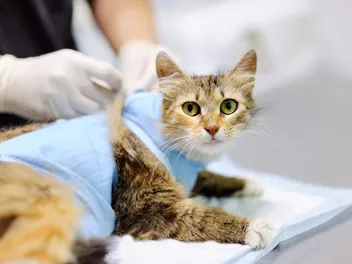
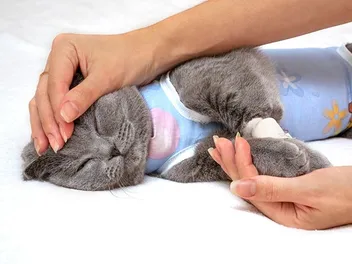
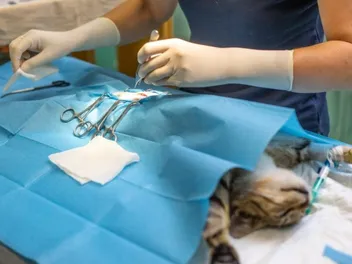
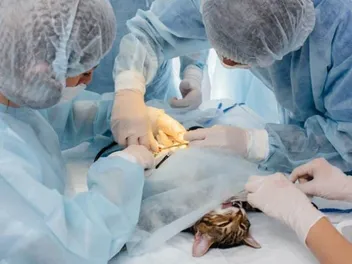
Whether it’s a routine operation or major surgery, cats need time to recover after any surgical procedure. They need extra care and attention, although some cats will prefer to be left alone rather than fussed over. Your vet should give you post-operative aftercare instructions to follow, and you should look for signs of infection around the surgery area, as well as any indication that your cat might not be recovering as well as expected.
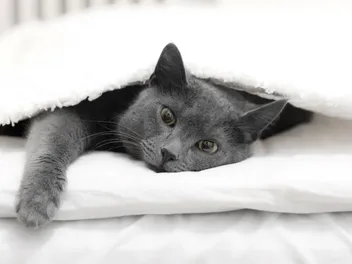
It is quite typical for cats to be lethargic and to sleep more often and for longer than they did before the surgery. However, it is important to remember that every cat is different. While some cats might bounce back quickly, and become energetic after a few days, others can take longer to recover. The length of their recovery period will also vary with the age of your cat, and the type of surgery performed. If you are concerned, speak to your vet and ask them whether the recovery is normal.

Cat Energy Levels After Operations
A cat’s recovery after an operation will depend on the type of operation, how long they were under anesthetic, as well as how well the operation went. It will also be influenced by what type of drugs were administered, and the general fitness and overall health of your cat.
The most common type of surgery in cats is spaying or neutering, which is generally a fairly short operation. Although your cat will be kept in for a short time after coming around, they will likely still be tired and lethargic when they get home after the procedure. This can last several hours to a day or two, depending on the cat. During this time, most cats will want to sleep. They may look for somewhere quiet and out of the way, especially if you have a busy house or lots of other animals for the cat to have to contend with. On the flipside, some cats can bounce back and be highly energetic quite soon after an operation.
Other procedures might only require a local anesthetic or a sedative. But even in these cases, you can expect a cat to be withdrawn and lethargic when it comes back from the vet.

Feeding After Surgery
As well as a change in energy levels, cats will usually display changes in other habits. A few hours after returning home, you can offer your cat a small meal. It is generally best to offer around half the amount of their usual meal in case they throw up, but if your cat eats this and still seems hungry, it should be okay to feed more.
However, a cat might feel nauseous after an operation, so your cat may not want to eat, or may bring the food back if given too much to eat, too soon.
If your cat had dental surgery, follow your vet’s advice on feeding. The mouth is likely to still be sore, so your cat may not want to eat straight away.
Toileting After Surgery
It is quite common for cats to undergo some changes in their toileting immediately after surgery. If your cat is still feeling the after-effects of the drugs, they may not make it to the litter tray, or they might end up peeing or pooping just outside it. Constipation is also quite common, and it can be painful and may even lead to other health problems. If constipation continues for 48 hours, contact your vet for advice.
Coughing After Surgery
Some procedures require a tube to be put down your cat’s throat which provides oxygen and administers anesthetic gas. The tube can cause some irritation in the trachea which may lead to coughing. The coughing should only last for a few days and if you notice the cough is still there after a week, consult your vet.
Licking the Incision
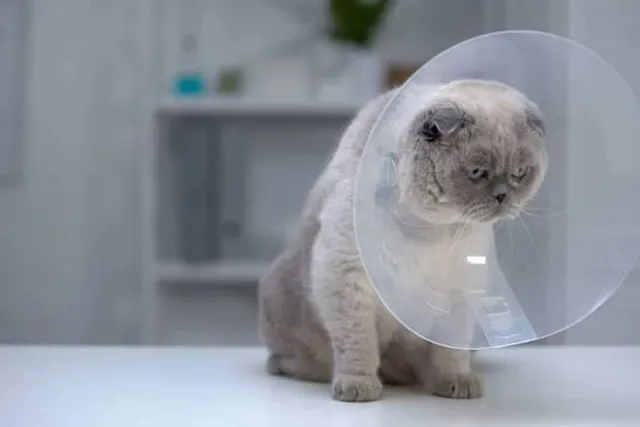
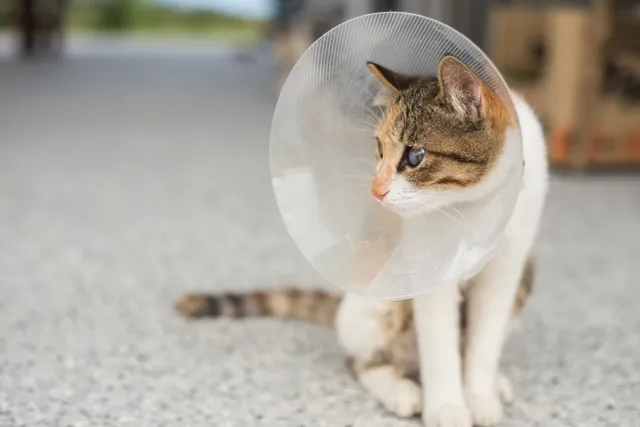
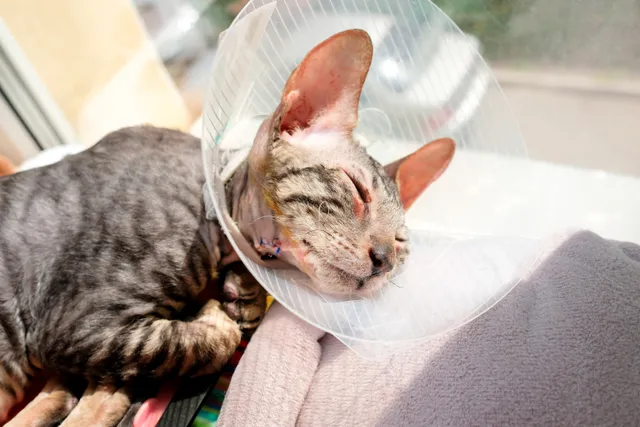
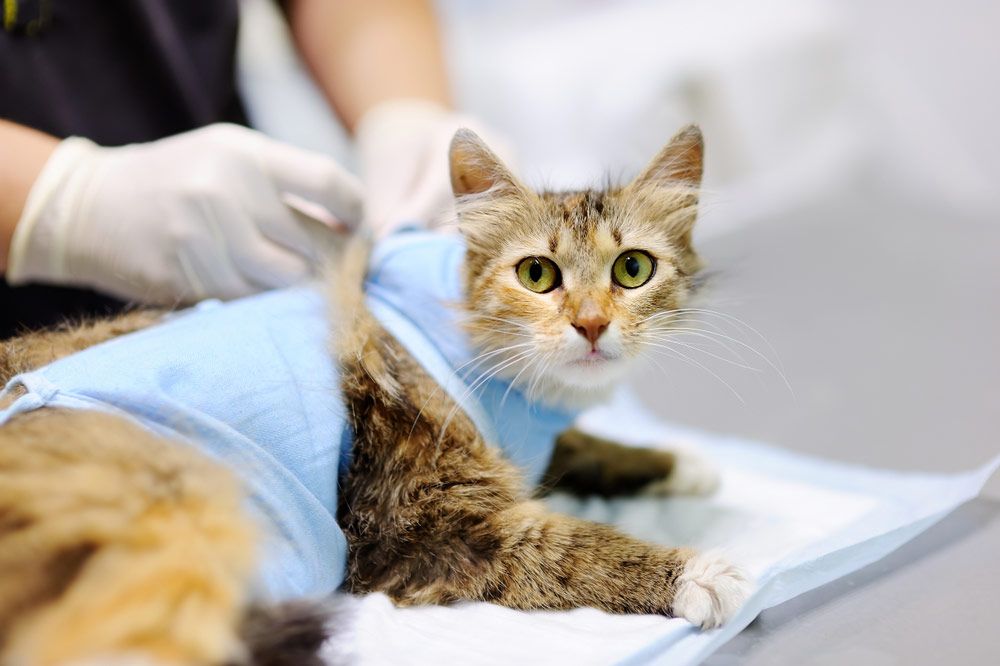
It is natural for cats to try and lick their wounds or where they had injections administered. But, while it is natural, it isn’t good for your cat’s recovery. Licking the wounds can cause stitches to open or it can cause infection. If your cat is licking its wounds, your vet should be able to provide a collar to put around the cat’s neck. The collar prevents your cat from being able to lick the area.

Stitches and Removal
In some cases, sutures are used to close the site after surgery. These sutures dissolve over time and do not need to be removed. In other cases, the incision might be stitched and the stitches will need to be removed, typically after 1–2 weeks when your cat has a post-operative checkup. Your vet will advise you when to have the stitches removed.
How Long Does It Take for a Cat to Recover After Surgery?
Recovery time does vary from one case to the next. A strong, healthy cat may only take a couple of days to get back to normal after a simple procedure. An older cat might take weeks to recover after a major operation, and some operations might cause your cat some difficulties for months to come.
Your vet should advise on a likely time frame, and if your cat is experiencing difficulties beyond those expected by the vet, you can contact them for advice.

Do Cats Sleep a Lot After Surgery?
Cats are known for enjoying their sleep even when fit and healthy and can sleep for up to 18 hours a day. After an operation, their body needs time to heal, and they will likely feel very tired, so you can expect your cat to sleep even longer than normal.
Is It Normal for Cats to Be Depressed After Surgery?
Depression is one of several possible effects of anesthesia, along with vomiting and nausea. These should pass after 24 hours, but if they continue beyond this, contact your vet, and they will be able to advise on the best course of action.
Conclusion
It is quite normal for cats to be lethargic after surgery. How long this lethargy will last depends greatly on the type of surgery performed, as well as the age and health of your cat. In the case of routine spay or castrations, we wouldn’t expect lethargy to persist longer than 24-48 hours, whereas more complex procedures will take more of a toll.
It is important to discuss the expected recovery time with your vet, so you know what to expect. If you have any worries or concerns about your cat’s recovery, do not hesitate to contact your vet - they would much prefer to field a worried phone call than leave anything to chance.
In any case, if your cat is extremely lethargic and is not responding to you, contact your vet immediately.
Sources
Featured Image Credit: Maria Sbytova, Shutterstock

Expert cat care, straight to your inbox
Vet-reviewed advice, behavior tips, and the best of Catster. Free, and you can unsubscribe anytime.
By signing up, you agree to our Terms & Conditions and Privacy & Cookies Policy.
Oliver (Ollie) Jones - A zoologist and freelance writer living in South Australia with his partner Alex, their dog Pepper, and their cat Steve. Ollie, originally from the USA, holds his master's degree in wildlife biology and moved to Australia to pursue his career and passion but has found a new love for working online and writing about animals of all types.
Join the conversation
Ask a question, share your story, or send private feedback.