Get

In Your Inbox

Catster is reader-supported. When you buy via links on our site, we may earn an affiliate commission at no cost to you. Learn more.

How Long Does a Cat Take to Recover From Spaying? (Vet Answer)

Share

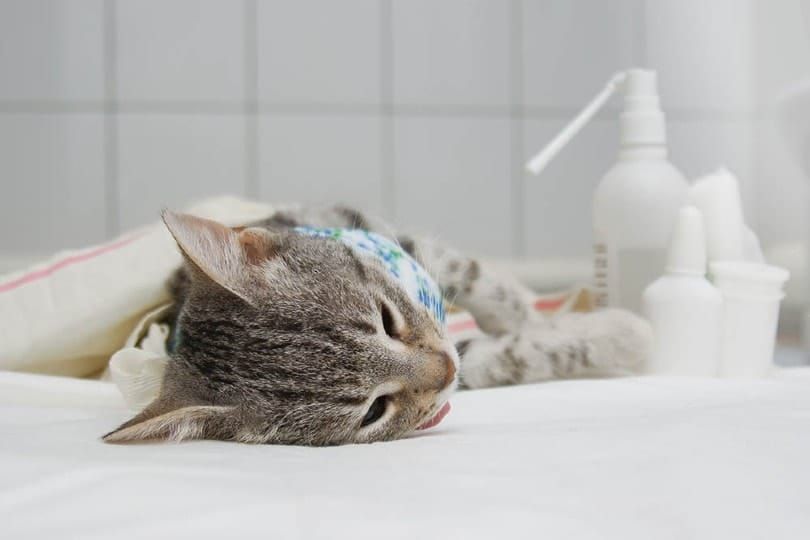
cat after spaying

Spaying, also called desexing, or technically an ovariohysterectomy or ovariectomy (depending on the procedure), is a surgical procedure wherein the female reproductive organs are removed from your cat.

Although the procedure can sound daunting, most cats are back to themselves within a day or two. Though, it is worth noting, that the full healing process takes much longer!

Most commonly, cats are spayed at an early age—generally, before they have their first heat cycle—which is important, as it significantly decreases their risk of developing feline breast cancer when they get older.

With some easy preparation, these top tips will ensure your cat recovers quickly from her spay—generally, within a day or two.

divider 1 paws

Preparation is Key

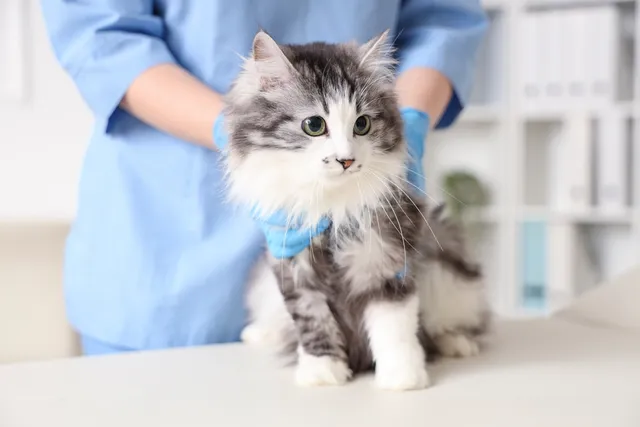
veterinary surgeon checking bandage on cat stressed after spaying
Image Credit: Motortion Films, Shutterstock

The day before surgery is almost as important as surgery day itself! Don’t forget that most vets will want your cat fasted (not given any food, though water is ok) from some point before surgery. Know how many hours this fasting period is, and stick to it!

Know What Aftercare is Needed

Will your cat need pain medication or an antibiotic? If so, how often? Does the vet want you to keep her indoors for a certain period? How often should you check the surgery site? Are there sutures that need to be removed in a certain period?

Knowing the answers to these questions will help get your cat on a fast track to recovery!

Call if You Have Concerns

If you do have concerns, don’t hesitate to reach out to a vet. If they are not open, a local emergency vet can often offer you guidance as well. Try to find out who the vet recommends if that becomes necessary.

If concerns do arise, photos and videos of the concern can be very helpful, and might even save you a trip back to the vet if it’s something that is part of the normal post-operative healing process.

Your Cat May Look Normal, but Healing Takes Time

Don’t forget that, although skin after surgery can heal quite quickly, internal healing can take longer. Just because your girl looks fine the second day after surgery, doesn’t mean she can run and jump and play like normal. Talk with the vet about activity restrictions post-op, and stick to them!

Know Your E-Collar Options

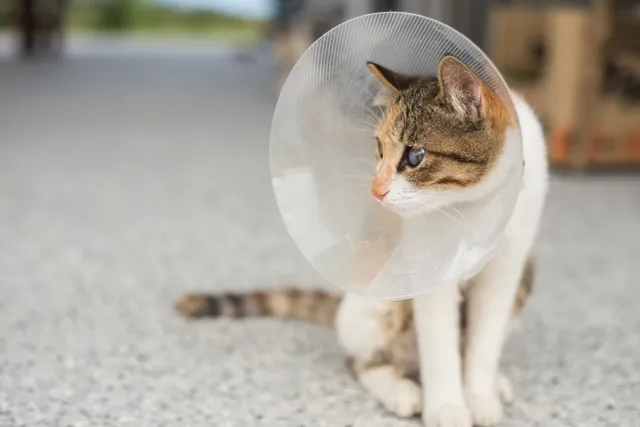
The vet may not use Elizabethan Collars (or e-collars), but in case they do, be aware that they come in various sizes and types, so trial and error can be important.

How long do they need to wear it for? Can they eat and sleep with it on? These are questions to discuss with the vet.

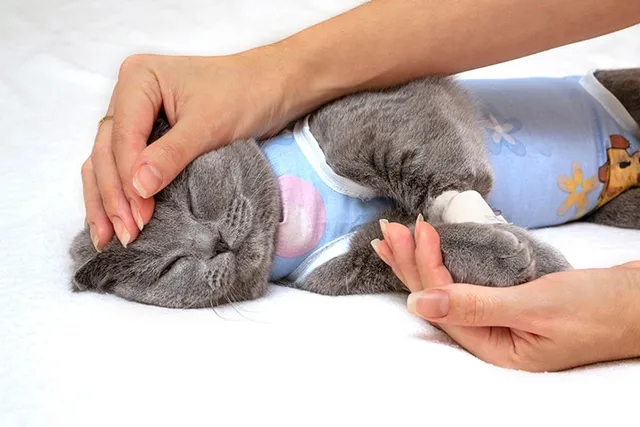
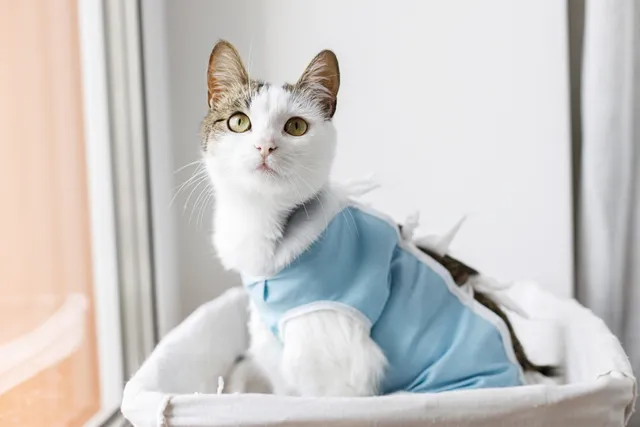
Some e-collars are inflatable, some are flexible plastic. Alternatives, such as fleece jumpsuits, also exist that avoid the use of a collar altogether. Keep in mind that most cats don’t like e-collars, so talk with the vet ahead of time to know what they expect to send home, and what alternatives there may be if one doesn’t work!

cat in vet clinic recovering from spaying procedure
Image Credit: Motortion Films, Shutterstock

Other Things to Know

When does the vet need to see your cat back? Most vets will want to do a recheck to remove sutures (stitches) if they are present, and simply check in on your cat.

Sometimes there are two rechecks to accomplish this. Often, a recheck includes a free exam, a weight check, and a look at the surgical site. Ideally, schedule this before you leave the vet office at the time your cat is spayed.

Also, it’s ok to ask that someone calls/texts you when the surgery is done, even if you won’t be picking your cat up for a bit! This can help to alleviate worry about the surgery!

divider 1 paws

Conclusion

With these tips, it is easy to help your cat heal quickly and feel her best once she gets home. With some preparation, she will recover in no time!

Remember, your instinct is always important in situations like this. So, if you feel your cat is not recovering as quickly as you would expect, or if something doesn’t seem right, don’t ever hesitate to reach out to a vet and ask your questions!


Featured Image Credit: Sannikova Maria, Shutterstock

Want content like this delivered to you?

Sign Up For Our Newsletter

News, insights, expert advice, and everything cat

* By submitting, you agree to our Terms & Conditions and Privacy & Cookies Policy.


How useful was this post?

Click on a star to rate (you can leave written feedback after clicking submit)

Help us improve Catster for pet parents!

Your feedback really matters.

What did you like about this post? Also how can we improve it?

Join the conversation

Leave a Reply

You’re very welcome to leave a comment or question. Please know that all comments must meet our community guidelines, and your email address will NOT be published. Let’s have a positive and constructive conversation.


Catster's Digital Magazine is Back!

Vet-approved health & behavior advice

Real cat stories & community features

Chatting About the Importance of Spaying/Neutering, Cat Retail Shopping Ban & Red-Level Storms | Chatty Cattys, Episode 30

In this episode of Catster’s Chatty Cattys podcast, Nicole and Dr. Karyn are celebrating a major legal win for pets before diving into...

Is Your Cat Happy? Here’s How You Can Tell

Cats have a reputation for being indifferent, even inscrutable. But despite their seemingly ambivalent appearance, cats experience many emotions, including happiness, and they...

Human Brains Age Like Cats – New Study Debunks the 7-Year Rule

If you’ve ever caught your senior cat staring blankly at a wall, wandering the halls at 3 am, calling out for no clear...

Chatting with Devin About Here! Have a Kitten, Fostering, & Why Two Are Better Than One | Chatty Cattys, Episode 29

In this episode of Catster’s Chatty Cattys podcast, Nicole & Dr. Karyn sit down with Devin, the founder and one-woman show behind “Here...

More related

Epilepsy in Cats: Signs, Treatments & Causes (Vet Answer)

Epilepsy is probably one of the scariest diseases out there. The first time it happens, it’s always traumatic—for the cat and the humans....

Responsible Pet Owners Month: 2026 Update & How to Celebrate It

February is a month filled with love and affection, not just because of Valentine’s Day. It’s also when we celebrate Responsible Pet Owners...

How to Get Cat Pee Smell Out Of Wood Floors: 5 Vet-Reviewed Steps & Prevention Tips

Beautiful original wood flooring is the pride of many homeowners. It’s nice to look at and easy to clean—until your cat decides to...

Grey Maine Coon: Does It Even Exist?

Maine Coons are among the world’s largest cats, with the current record holder – a Maine Coon named Ludo – measuring 45.6 inches...

Keep reading

Why Do Cats Meow Back at You? 5 Vet-Reviewed Reasons for This Behavior

If you have a cat, you might have noticed that they sometimes meow back at you when you talk. Some cats will even meow at you when you sneeze or make a noise. The anecdotal explanation for this behavior is...

black cat

How to Sedate a Cat for Car Travel: 3 Effective Methods & Application Tips

Preparing for a long-distance car trip with your cat can feel like planning a road trip with a reluctant passenger. Many cats dislike travel, and keeping them calm and comfortable for hours on the road might seem daunting. While sedation...

Cute grey cat inside pet carrier in car

Can Cats Eat Slugs? Vet-Reviewed Risks & Precautions

Cool, damp weather is the best time for slugs to come out of hiding. Because cats are hunters, they decide to take matters into their own hands when they notice a sluggish blob on one of your outdoor plants. Usually,...

Can Cats Eat Slugs

How to Care for a Disabled Cat With Special Needs: 11 Tips to Prepare Your Home

Disclaimer: This article has been reviewed by a qualified veterinarian using information available at the time of review. The knowledge of feline medicine is continually evolving. This article is not intended to replace consultation with a veterinarian for your specific...

tabby longhair cat standing outdoors in the garden with walking aid or wheelchair

Why Does My Cat Like to Be up High? 5 Vet-Verified Reasons

As a cat owner, you know that when you look for your feline pal, you must look up most of the time. Above the kitchen sink, in the window, on top of the fridge, or even on the top shelf...

Tuxedo cat on the fence

7 Best Cat Litter Subscriptions of 2026 – Reviews & Top Picks 

Next to cat food, kitty litter is one of the most important things that you need when you own a cat. Adding it to your shopping list is all well and good, but the boxes can be unwieldy and heavy,...

orange cat beside litter box

Why Are Cats So Curious? 7 Fascinating Insights

If you have a cat, you’ve probably noticed that they are always interested in your actions. If you open the doors, bring in the groceries, or go upstairs, your cat probably follows you to see what you are doing and...

two cats playing with toy at home

How to Stop a Cat From Climbing a Tree: 8 Methods & Safety Tips

Cats are renowned for their agility. In fact, due to their anatomy adapting to their hunting activities, cats are among the most flexible mammals in the world. They are also natural-born climbers1. While climbing is a favorite activity of domestic...

tuxedo cat on tree

Love Cats? So Do We! Join the Catster Community

Stay informed with expert pet care insights delivered straight to your inbox! Discover professional guidance on animal behavior, feeding tips, trusted product picks, and much more.


Sign up for the Catster Email Newsletter

Stay informed with expert pet care insights delivered straight to your inbox! Discover professional guidance on animal behavior, feeding tips, trusted product picks, and much more.