Do Cats Keep Mice Away? Vet-Approved Facts & FAQ


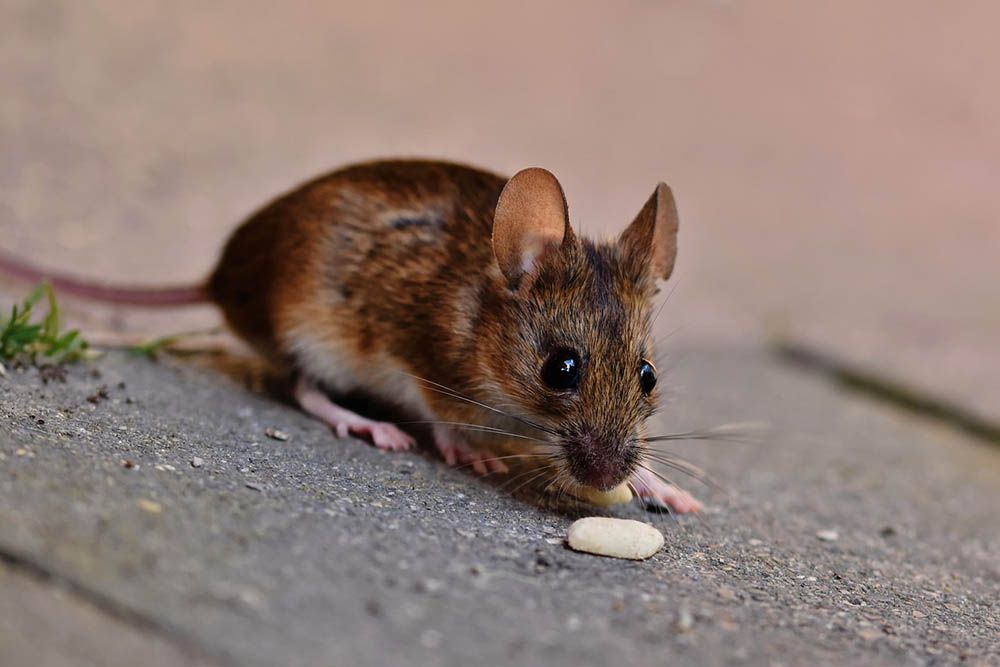
While some people find mice adorable and keep them as pets, they're decidedly less than cute when you come upon one of the cheese-loving rodents late at night while heading to the fridge for a snack.
If you suspect there might be mice running around in your home and have been looking for ways to take action, you might have wondered if getting a cat would be an effective way to keep future rodent visits to a minimum.
Contrary to popular belief, cats aren't a great solution for getting rid of mice. Read on for more information about cats and their odd relationship with mice.

So a Cat Won't Help When It Comes to Getting Rid of Mice?
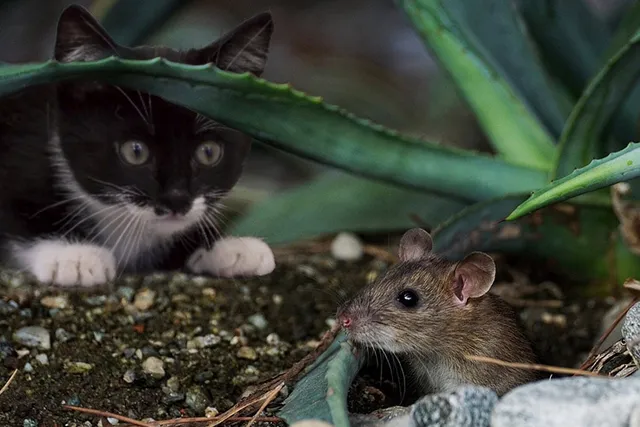
Mice are indeed afraid of cats, but that doesn't mean that the little rodents will stay out of or vacate any house where a cat lives. Most often, mice will avoid the areas where your cat hangs out, limiting themselves to those places where your feline companion simply doesn't go, like behind walls or in attic crawl spaces. Cats essentially drive mice into hiding, but that doesn't mean your problem has been solved.
Nor will the presence of a cat prevent mice from entering your house. Mice are attracted to food, so if you leave dirty dishes in the sink or crumbs on the floor all day after eating breakfast, you'll eventually end up with mice. Keep in mind that mice enter homes more often in cold weather.
Nice warm houses provide shelter from cold, wet weather and are often reliable food sources that rodents turn to when foraging outdoors becomes more challenging during winter. The mere presence of a cat won't keep a cold, hungry mouse from making a home in your attic in the middle of the winter.

What About Used Cat Litter & the Smell of Cat Urine?
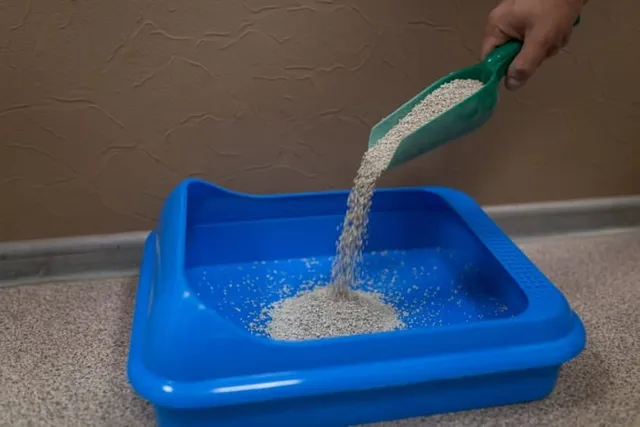
Mice are hardwired to be scared of cats, and the smell of cat urine generally increases stress in mice to the point where they'll avoid places that trigger the instinctive fear reaction. Unfortunately, the smell of cat urine doesn't always convince mice to go elsewhere. Mice that are repeatedly exposed to cat urine during their development sometimes don't exhibit the same reaction as rodents with limited exposure to cat scents.

Then There's Toxoplasma Gondii
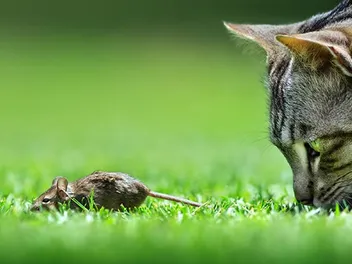
Toxoplasma gondii is a parasite that does strange things to mice. If a rodent ingests food or water contaminated with the parasite, the mouse acts strangely, and often loses its natural fear of cats (and other predators). Mice infected with the parasite will stand right in front of a cat and wait to be pounced on! Toxoplasma gondii has developed quite an elegant survival mechanism. It only undergoes sexual reproduction in one environment: feline intestines. Mice catch the parasite by eating food or drinking water contaminated with cat feces containing it.
They then become attracted to cats that kill and eat these infected rodents, ultimately pooping out more Toxoplasma gondii laced excrement for mice to ingest. Once this cycle starts, your cat might attract mice instead of repelling them! This also means your cat would be positive for the parasite and a health risk for you too, especially if you or someone you know is pregnant 1.
Some Cats Don't Hunt Well

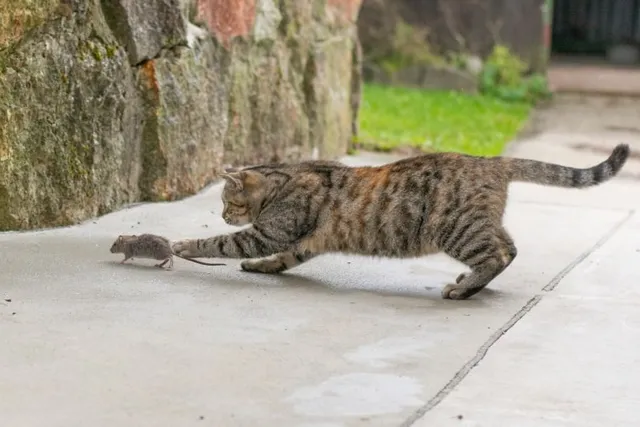
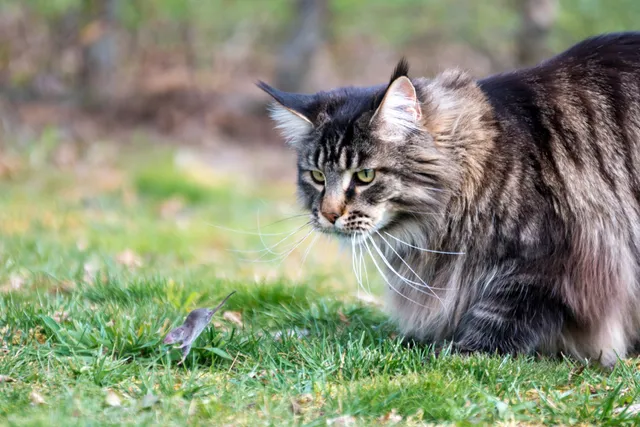
Yes, you read that right! Despite the perception most of us have of cats as super predators who are able to take down all manner of rodents and small mammals, several felines don't hunt well, either because they're not interested or never mastered the skill. These cats will sometimes bat at a mouse but won't do much more than that. Other cats will run away from strange creatures like mice, rabbits, and guinea pigs.
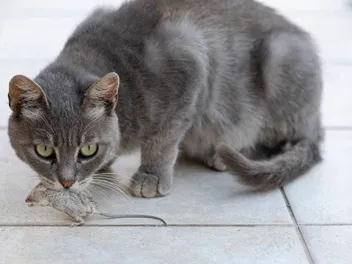
There are even cats that will happily hunt but won't kill their prey. If you have an outdoor cat that hunts and catches rodents but won't kill them, you could have a serious problem on your hands since there's a good chance your buddy will bring home a live mouse to give you that ends up living in your home.

Your Cat Won't Be Able to Keep Up the Pace
Mice are super breeders. One mouse can have anywhere from four to 10 babies every 3 weeks, and mice reach sexual maturity 4 to 7 weeks after birth. Just one pregnant mouse in your house can result in thousands of creatures running around your home within just a year. No cat, not even a skilled killer with a high hunting drive, can efficiently eliminate that many rodents.
Rodents Can Be Dangerous

Mice carry nasty diseases that can be dangerous for you and your cat. You don't even have to touch an infected mouse to get sick. If a pathogen is present in the mouse's feces or urine, that too can get you seriously ill. Rodents can harm your cat by exposing them to fleas and worms. Cats infected with tapeworms or roundworms often have vomiting, diarrhea, and weight loss signs. They sometimes have distended abdomens and pale gums due to difficulty absorbing nutrients. If your cat makes a meal of a mouse that's recently eaten rodent killer, your buddy could end up getting sick from pesticide ingestion.
Larry the Chief Mouser as Evidence
You don't have to take our word for it when it comes to observing the relationship between cats and mice. There's plenty of evidence regarding the prey-catching prowess of Larry the Chief Mouser to the Cabinet Office. He lives at 10 Downing Street, the official residence of the Prime Minister of the United Kingdom, and he is allegedly responsible for keeping the area rodent-free. Larry was adopted from the Battersea Dogs & Cats Home in 2011 after rodents were seen running across the steps of the Prime Minister's residence. It took Larry 2 months to catch his first mouse, and that was only after a fair bit of encouragement. He was given a toy rat to “stimulate” his predatory instincts. Larry spends far more time harassing pigeons, feuding with Palmerston (the Foreign Office's resident cat), and stealing food from reporters than catching mice.

Conclusion
While it is true that some cats will keep mice away, it's also possible that your cat simply isn't interested in that activity at all. Really, it depends a lot on the individual cat. Plus, it's not something we recommend having your cat do anyway.
Sources
Featured Image Credit: Ralphs_Fotos, Pixabay

Expert cat care, straight to your inbox
Vet-reviewed advice, behavior tips, and the best of Catster. Free, and you can unsubscribe anytime.
By signing up, you agree to our Terms & Conditions and Privacy & Cookies Policy.
Lorre Luther is a writer who is firmly convinced that cats are smarter than humans. She left her law career in the United States and moved to the Netherlands to follow her dream of becoming a writer. Lorre currently lives in Rotterdam, she enjoys traveling and greatly appreciates the beauty of nature. Lorre has a spot for animals and admires the intelligence of cats.
Join the conversation
Ask a question, share your story, or send private feedback.