How to Get Cat Pee Smells & Stains Out of Carpets: Easy Steps
In this article
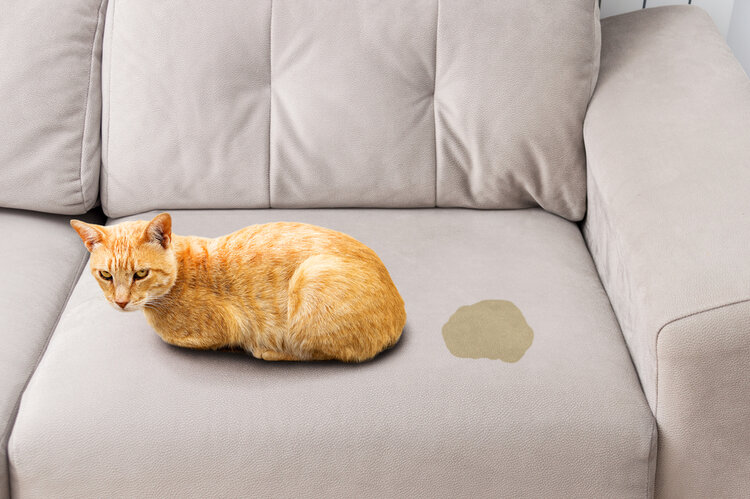
Dealing with the smell of cat pee in your house is off-putting for everyone who lives there, let alone any visitors who want to come by. Luckily, you do not have to live with the smell of cat pee or expose your friends and family to the smell either. There are a few quick and easy ways to get a cat pee smell out of your carpet. These tactics typically work on fabrics of most types and furniture too. Later, discuss why cats might urinate on the carpet and what we can do about that smell when they do.

The 4 Methods to Get Cat Pee Smells and Stains Out of Carpets
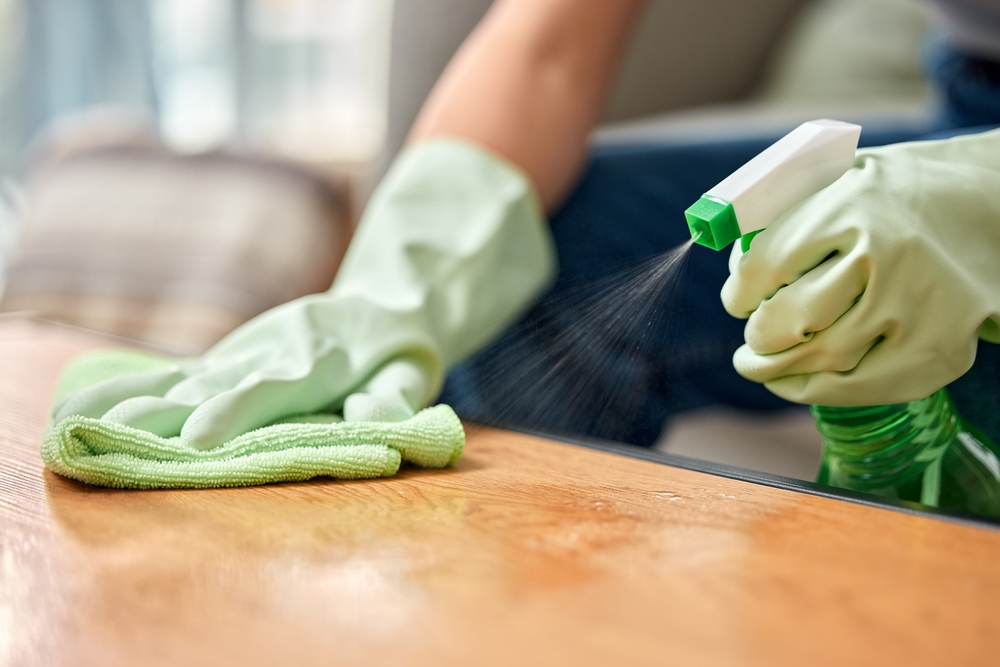
Once your cat pees on your carpet, you will be left trying to figure out how to get rid of the smell that is permeating throughout your home. Here are quick, easy, and surefire options to try.
1. Commercial Enzyme Cleaner - Most Effective
There are commercial products you can try that should help you get rid of the cat pee smell in your home's carpets. We recommend you try an enzyme cleaner with or instead of homemade options until you are satisfied with the results.
Our Favorite Enzyme Cleaner
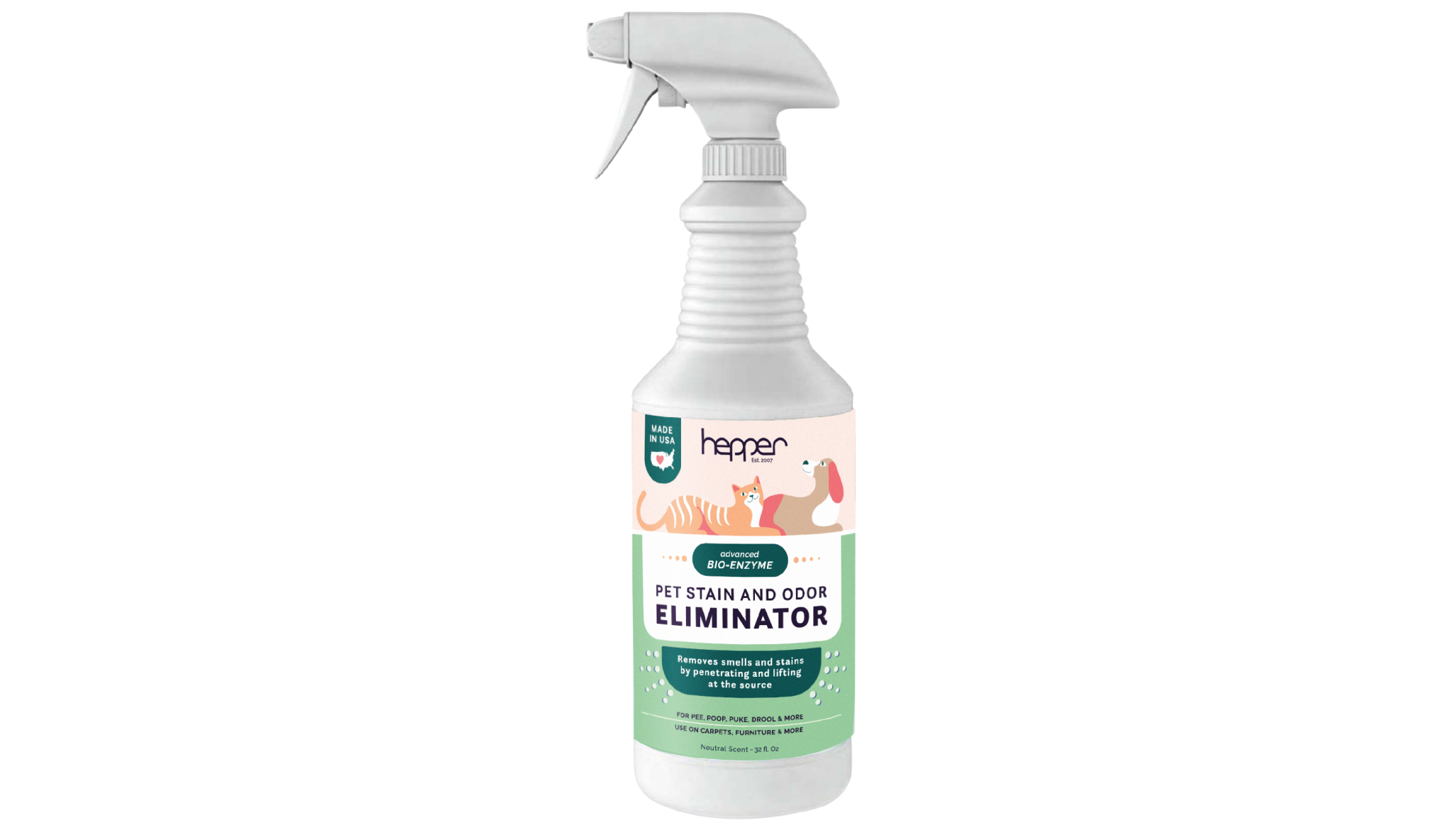
The Hepper Advanced Bio-Enzyme Pet Stain & Odor Eliminator Spray is our favorite enzyme cleaner out there. It permanently removes even the very worst kitty stains and smells, leaving your home fresh and clean! Click here to learn more about this amazing product and get yourself a bottle.
| Rating | Image | Product | Details | |
|---|---|---|---|---|
Best Enzyme Spray
 |
|
Hepper Advanced Bio-Enzyme Pet Stain & Odor Eliminator Spray |
|
Check Price |
At Catster, we’ve admired Hepper for many years, and decided to take a controlling ownership interest so that we could benefit from the outstanding products of this cool cat company!
2. Baking Soda

Baking soda is cheap and easy to use as a cleaner and deodorizer. Just sprinkle a liberal amount of baking soda on the affected area of your rug, and wait 5-10 minutes for the soda to soak up the cat's urine. Then, use a cat comb, a broom, or an old brush to lightly scrub the baking soda into your carpet.
Sprinkle more baking soda on the affected carpet area, then massage it with the same tool. Wait about 5 minutes, then vacuum up the pee-soaked baking soda. Your carpets should be smelling fresh and clean within just a few minutes.
3. Apple Cider Vinegar
Apple cider vinegar works wonders when it comes to getting rid of odors. Its antibacterial and antimicrobial properties will quickly kill the cat urine smell that has permeated your carpets. Pour raw, unfiltered apple cider vinegar into a spray bottle, then spray the affected rug areas until the area looks damp. After about 10 minutes, soak the vinegar up with paper towels. Spray the affected areas again, wait another 10 minutes or so, then vacuum the area up.
4. Hydrogen Peroxide

Hydrogen peroxide will sterilize the pee spots on your carpets and help neutralize the odor of the urine. Spray or rub the hydrogen peroxide on the affected carpet areas, and wait until the spaces dry before vacuuming. You may need to repeat the process one or two more times to get rid of the pee smell entirely.
The 4 Possible Reasons Why Your Cat Might Be Urinating on Your Carpets
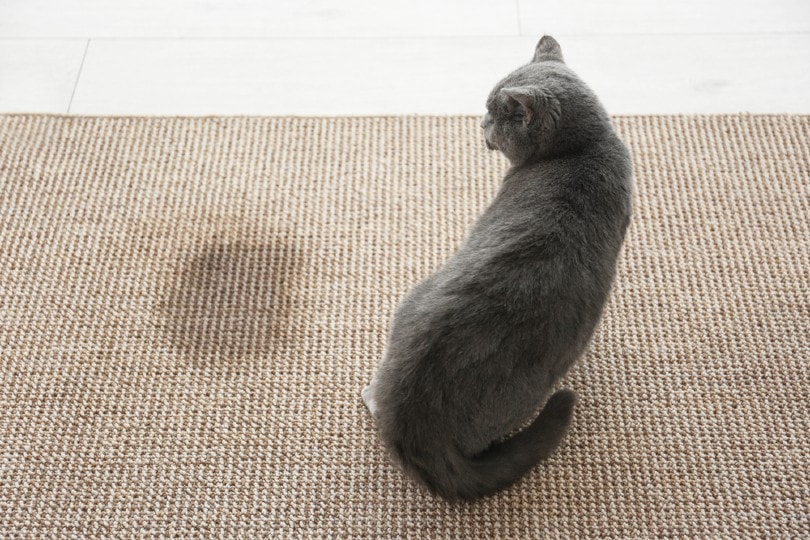
When your cat first starts urinating out of the litter box and on your carpets, you may not notice at first. However, as your cat’s urine decomposes, you are sure to start smelling the acidic aroma of cat urine permeating throughout your home. There are a few different reasons that your cat might be peeing outside of their litter box.
1. Anxiety and Stress
Unfortunately, cats suffer from anxiety and stress just as we humans do. If your cat gets too anxious or stressed out, they may choose to forego the cat litter box and opt for the carpet instead when they must pee. A change in residence can make your cat urinate on all the carpets in your new home. A new pet moving into the home can make your cat want to "mark" their territory, which typically equates to peeing on the carpet.
Different schedules for the human family members, a change in season, and even the mood in the household can affect your cat’s anxiety and stress levels. Spending extra time with your cat during stressful changes and situations can help control their anxiety and stress. Also, providing your cat with a protected, quiet space to spend their time (like in a kennel in a closet) can help calm their insecurities and make them feel empowered to use their nearby litter box as opposed to your carpet.

2. Domination
If your cat feels like they are being forced to live with an “adversary” in their eyes, they may pee on your carpets to create dominance and show that they are the king or queen of the castle. To avoid this behavior, you should introduce new pets to the household slowly. Make sure that your cat is comfortable with the new pet and that they have a secure place that they can call their own without worry of the new pet taking over. Supervising a few short introductions until the pets are well acquainted is advisable.
3. Health Problems
Certain health problems may be to blame for your cat peeing on your carpets. Gallbladder stones could cause your cat to urinate wherever they happen to be when the urge arises. Pancreatic problems could also be the cause of carpet peeing. Arthritis can make it tough for older cats to go in their litter box, so they might choose the carpet instead.
Old age can bring about memory problems just like for humans, so senior cats may end up peeing on the carpet often. A veterinarian can help you resolve or at least address any health problems that are present in your cat so they are less likely to pee on your carpet.
4. A Dirty Litter Box
You may think that weekly cleaning of your cat's litter box is sufficient. But what if your cat does not? Chances are that they will pee on your carpet if they do not feel like their cat litter box is clean enough for them. Therefore, the first thing you should do when you notice that your cat is peeing on your carpets is to start cleaning their litter box more often.
Also, the placement of the litter box might be a problem. If you have recently moved the litter box to a new location, your cat might be protesting by peeing on the carpet. Moving the box back to its original location or improving conditions in the new location may help keep your cat from peeing on the carpet.

- ADVANCED ENZYMATIC CLEANER - Penetrates the most stubborn smells and stains at the deepest molecular levels to dissolve any pet mess you encounter and lift it away at the source.
- FOR ANY MESS, ON ANY SURFACE - This pet odor eliminator cleans your carpets, floors, furniture, fabrics, and more. Whether it's urine, feces, vomit, or drool, you can erase all foul spots and smells!
- FRESH, NATURAL ODOR - Our unique formulation doesn't rely on dangerous or unpleasant chemical fragrances to get the job done. We eradicate smells and stains, not just cover them up.

Final Thoughts
There are many ways to combat your cat pee carpet problems. Of the options we've tried, the quickest and easiest solution is a bio-enzymatic cleaner like the Hepper Spray, because it targets smells and stains at the source to eliminate them instead of cover them up.
A little forethought and prevention can also go a long way. But if prevention is not possible, getting rid of the cat pee smell from your carpets can be. Which odor-elimination option do you plan to try first? Let us know in the comments section.

Expert cat care, straight to your inbox
Vet-reviewed advice, behavior tips, and the best of Catster. Free, and you can unsubscribe anytime.
By signing up, you agree to our Terms & Conditions and Privacy & Cookies Policy.

Catster is a cat magazine and cat website where cat lovers come together and get expert advice about cat behavior, cat health and cat news.
Join the conversation
Ask a question, share your story, or send private feedback.