Could This 19th-Century Technology Save Raw Pet Food? How E-Beams Are Changing the Industry
One of the most important developments in the pet food industry over the last century was the ability to create meals that were nutritionally balanced, shelf stable, convenient—and most importantly—safe. Dry kibble revolutionized pet ownership and took the guesswork out of feeding cats.
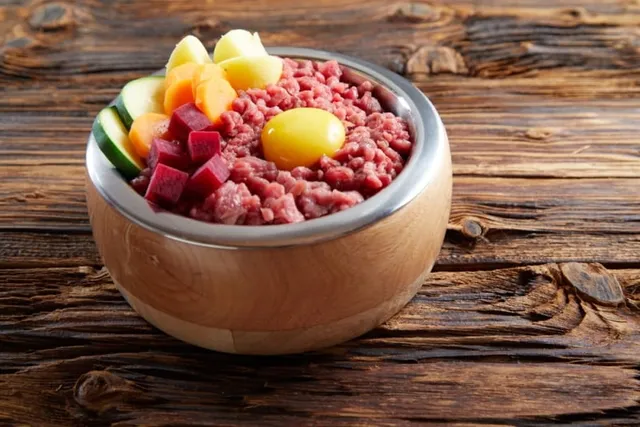
But in recent years, many pet parents have started moving away from ultra-processed foods for their cats. Enter the raw diet.
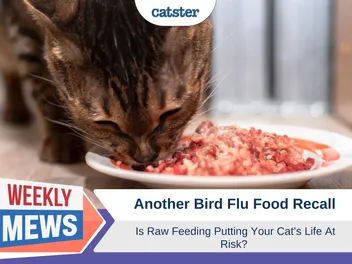
Raw diets have become a large part of this ‘back to basics’ movement in the pet food industry, and there are certainly benefits to this type of minimally processed option. However, with raw food diets accounting for more than two-thirds of pet food recalls over the last 7 years, the risk of foodborne pathogens remains considerable.1
The Problem With Raw Meat
Most people are already aware of the dangers of handling and consuming raw meat when it comes to our own food preparation. Contaminants and bacterial organisms like Salmonella, E. coli, Toxoplasma, and Listeria have caused minor and major outbreaks of food poisoning throughout history, and we know that the best way to avoid the discomfort and dangers of such illnesses is through the proper storage and cooking of meat.
The challenge for pet food manufacturers is that making raw meat safer often means using seriously high temperatures and dehydration, which has a detrimental effect on the nutritional value of the end product.
Supporters of raw feeding argue that cats should be able to eat their meat ‘as nature intended it’. However, this leaves out a few important realities:
Cats that hunt are consuming prey that has been freshly killed.
Cats that hunt do not eat raw chicken, pork, or beef.
Cats that hunt, on average, have lower life expectancies than those that do not.
Of course, that last factor is influenced by more than just diet, but it is still something to bear in mind.

Searching For a Safer Alternative
In recent years, we have seen an increase in the number of pet food companies and brands producing minimally processed meals for cats, with some employing ‘gentle cooking’ methods as a compromise between the risks of raw and the problem of high-temperature production, while others seem to take the view that the risks of food poisoning are worth the benefits of completely unaltered products.
One technique that some raw pet food companies use to reduce foodborne pathogen levels is called high-pressure processing (HPP), which can be effective, but due to the varying densities of different ingredients, it can cause visual and textural changes that some pet parents find off-putting.
Now, another technology is starting to attract attention: electron-beam irradiation, better known as E-beam.
What is E-beam Technology?
Although it sounds futuristic, E-Beam technology isn’t new; in fact, it’s been around since the late 19th century. The process involves sending an electron beam into the product which destroys the DNA/RNA of bacteria and viruses, making them incapable of replication, without altering the product itself.
E-beam has numerous applications, and can irradiate an entire pallet of raw pet food in seconds, eliminating pathogens like E. coli, Salmonella, Listeria, and even Avian Influenza.2
Some innovative pet food companies, like CatCrazy, are now using E-beam technology as a way to preserve the benefits of raw feeding while dramatically improving food safety.

Why Isn’t Everyone Using It?
Part of the problem is perception. The word “irradiation” tends to make people uneasy, despite the fact that the technology has been safely used in multiple industries for decades. The other issue is cost: building and operating E-beam facilities is expensive.
Still, as raw feeding continues to grow in popularity, technologies like E-beam may offer a compromise that many pet owners have been searching for — a way to keep raw diets minimally processed without accepting the same level of contamination risk.
If you feed raw, or are thinking about making the switch, it may be worth asking not just what’s in your cat’s food, but what’s been done to make it safer.
Feature Image Credit: Vova Shevchuk, Shutterstock
Did You Know?
- Our brand-new posts are rounded up and included in our weekly emails. Don't miss out on the latest - sign up for our newsletter below!

Expert cat care, straight to your inbox
Vet-reviewed advice, behavior tips, and the best of Catster. Free, and you can unsubscribe anytime.
By signing up, you agree to our Terms & Conditions and Privacy & Cookies Policy.
Dr. Karyn Kanowski BVSc MRCVS (Veterinarian)
Dr. Karyn comes from Queensland, Australia, and has lived in the UK for the past 10 years. In 2010, she graduated from The University of Queensland School of Veterinary Science and also has a Bachelor’s degree in Zoology. She is passionate about using evidence, experience, and owner collaboration to provide the best solutions for pets, and believes in making reliable information about animal health accessible to all. Dr. Karyn shares her home with five cats, four dogs, and one husband. When she is not in the scrubs, she spends her time writing, gardening, and cleaning up pet hair!
Join the conversation
Ask a question, share your story, or send private feedback.